Are you wondering if starting a fish farm is a good business idea? It’s a question I’ve asked myself many times. You see the growing demand for seafood and think it’s a golden opportunity, but you also hear about the risks and challenges that can sink a new venture before it even starts.
Yes, fish farming can be a very rewarding venture, but it’s not a get-rich-quick scheme. Success depends on careful planning, choosing the right species, and managing risks effectively. With the right approach, you can build a profitable business that also contributes to global food security.
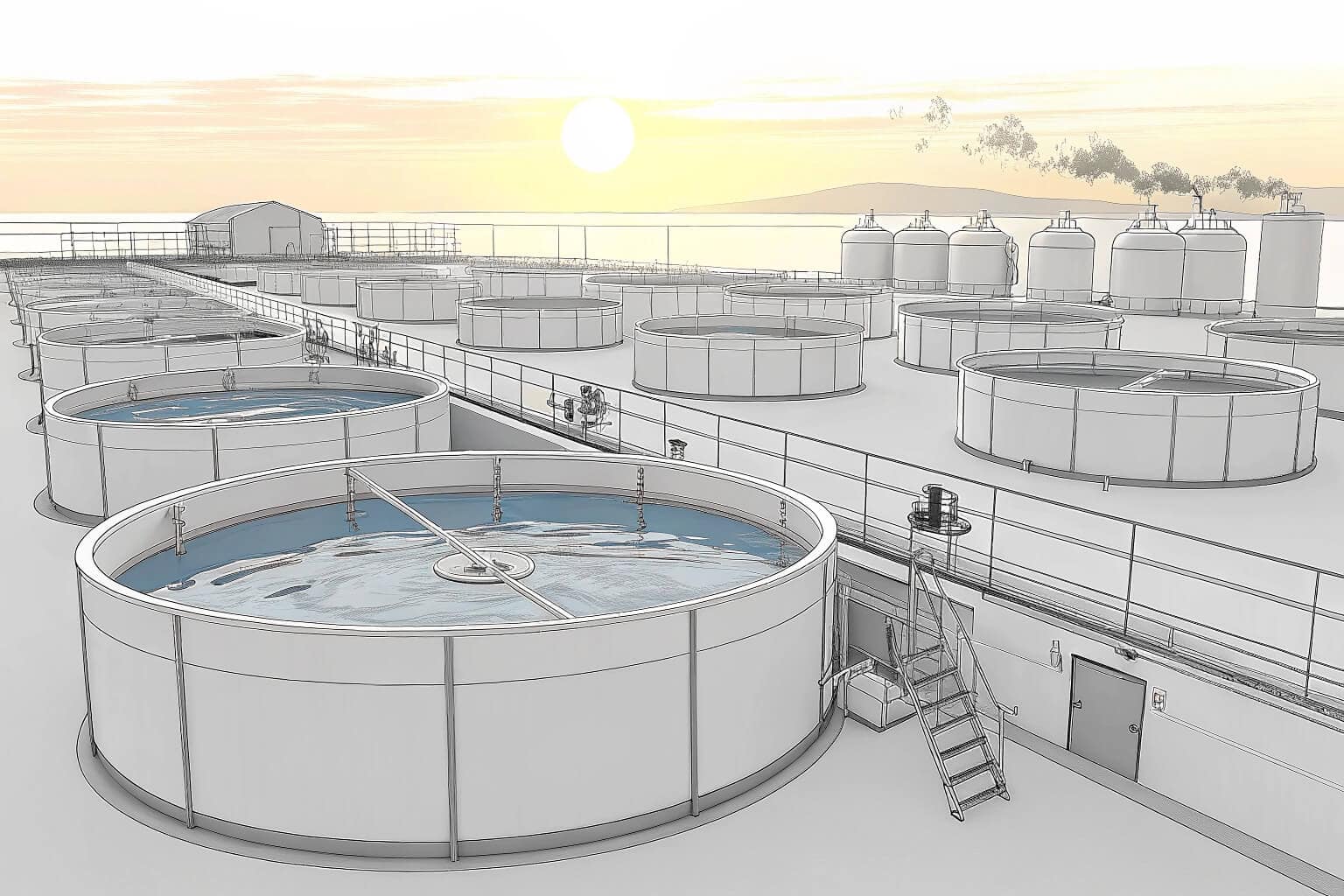
I’ve spent years observing the aquaculture industry, and I’ve seen both incredible successes and heartbreaking failures. It’s a field that fascinates me because it sits at the intersection of innovation, sustainability, and our global need for protein. In this article, I’ll walk you through what I’ve learned about the profitability, the downsides, and the real-world income potential of fish farming. Let’s dive in and explore whether this path is right for you.
Are fish farms profitable?
Tired of hearing mixed signals about the profitability of fish farming? On one hand, you hear stories of farmers making a fortune. On the other, you see reports of businesses struggling to break even. It’s hard to know what to believe when you’re trying to make a smart investment decision.
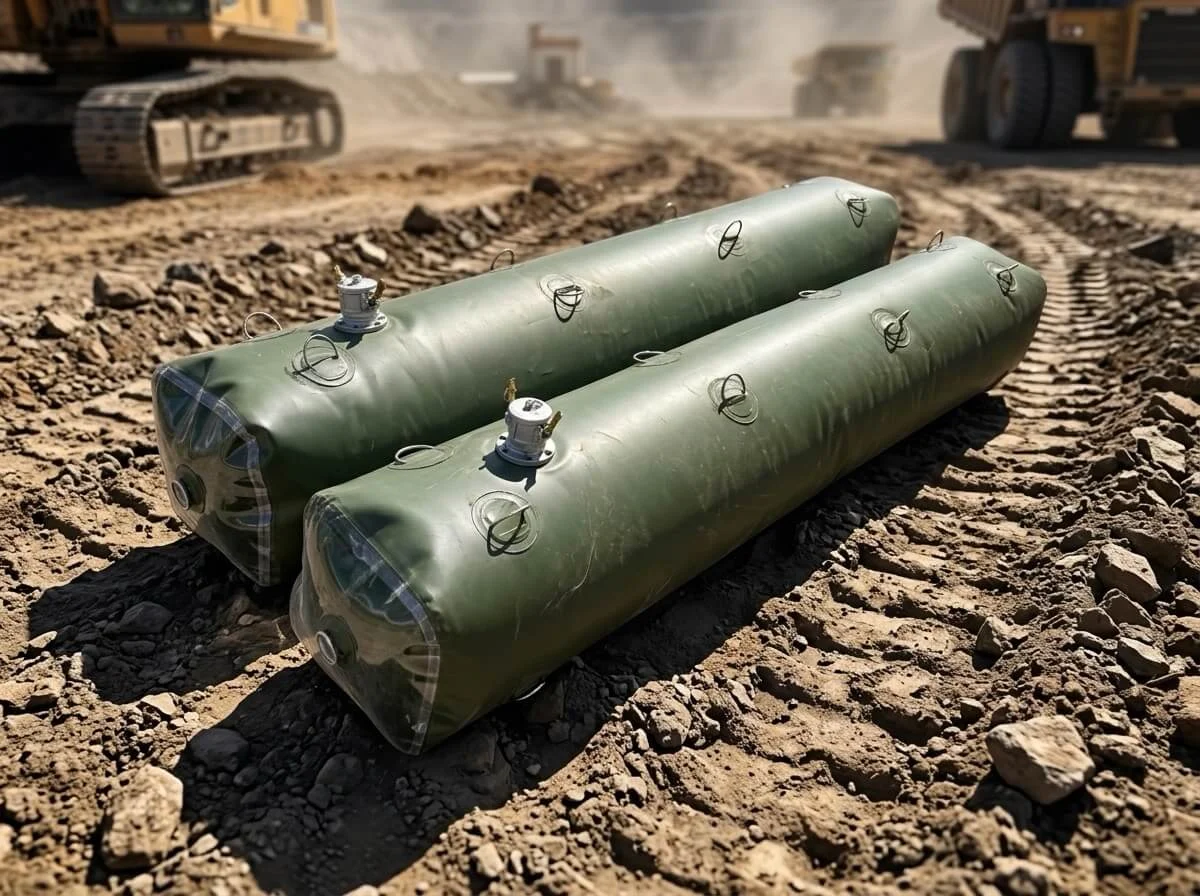
The profitability of a fish farm is directly tied to your operational choices. High-value species like salmon or shrimp, combined with efficient systems like our collapsible fish tanks, can lead to significant returns. A well-managed farm can see profits that far exceed the initial investment within a few years.
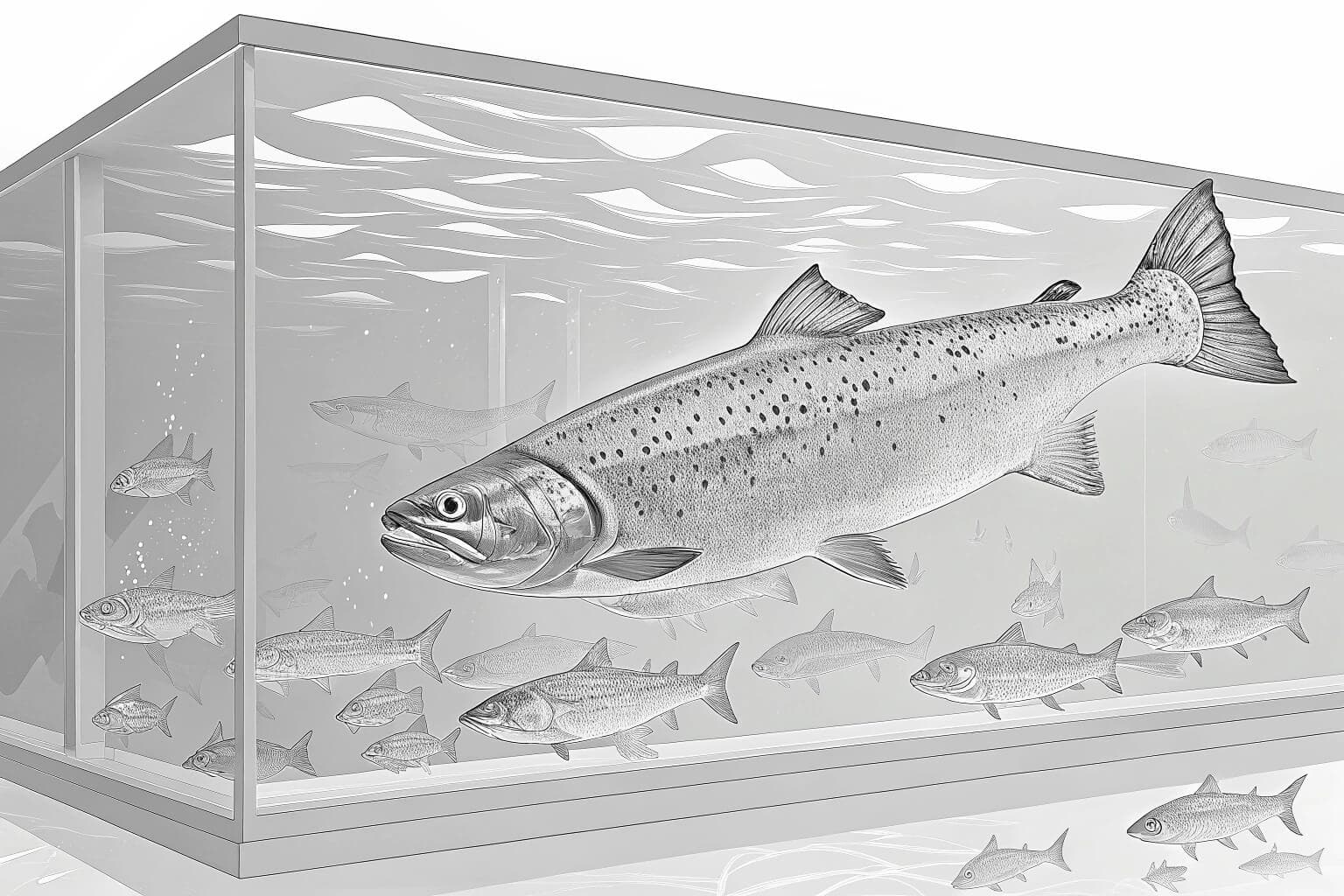
From my experience, profitability isn’t just a matter of luck; it’s about strategy. The choices you make from day one, from the species you cultivate to the technology you implement, will determine your financial success1. Let’s break down the numbers and look at what a realistic financial picture looks like.
Initial Investment vs. Return
The first question on any aspiring fish farmer’s mind is about the money. You need to know what it costs to get started and when you can expect to see a return. The initial investment2 can seem daunting, but it’s crucial to understand that this is a long-term game. Your initial outlay covers everything from building the ponds to buying the first batch of fingerlings. I’ve seen people try to cut corners here, and it almost always costs them more in the end. A solid foundation is key.
Key Factors Influencing Profit
Profitability isn’t just about what you spend; it’s about how you spend it and how you manage your operations. High-value species3 will fetch a better price, but they might also require more specialized care. Efficient equipment, like a well-designed collapsible fish tank4, can lower your long-term operational costs. I believe that investing in quality from the start pays off.
| Factor | Small-Scale Farm | Large-Scale Farm |
|---|---|---|
| Initial Investment5 | $10,000 – $50,000 | $100,000 – $500,000+ |
| Key Species | Tilapia, Catfish | Salmon, Shrimp, Tuna |
| Payback Period | 3-5 years | 2-4 years |
| Annual Revenue | $50,000 – $100,000 | $500,000+ |
What are the downsides of fish farming?
Worried about the hidden risks of fish farming? You’ve heard the success stories, but a part of you knows there must be a catch. The fear of a sudden disease outbreak or a market crash wiping out your investment is enough to keep anyone up at night. It’s a valid concern that every potential farmer must face.
The primary downsides are disease, water pollution, and market volatility. A single disease can wipe out your entire stock, pollution can lead to heavy fines, and a sudden drop in market prices can erase your profits. These are serious risks that require constant vigilance and proactive management.
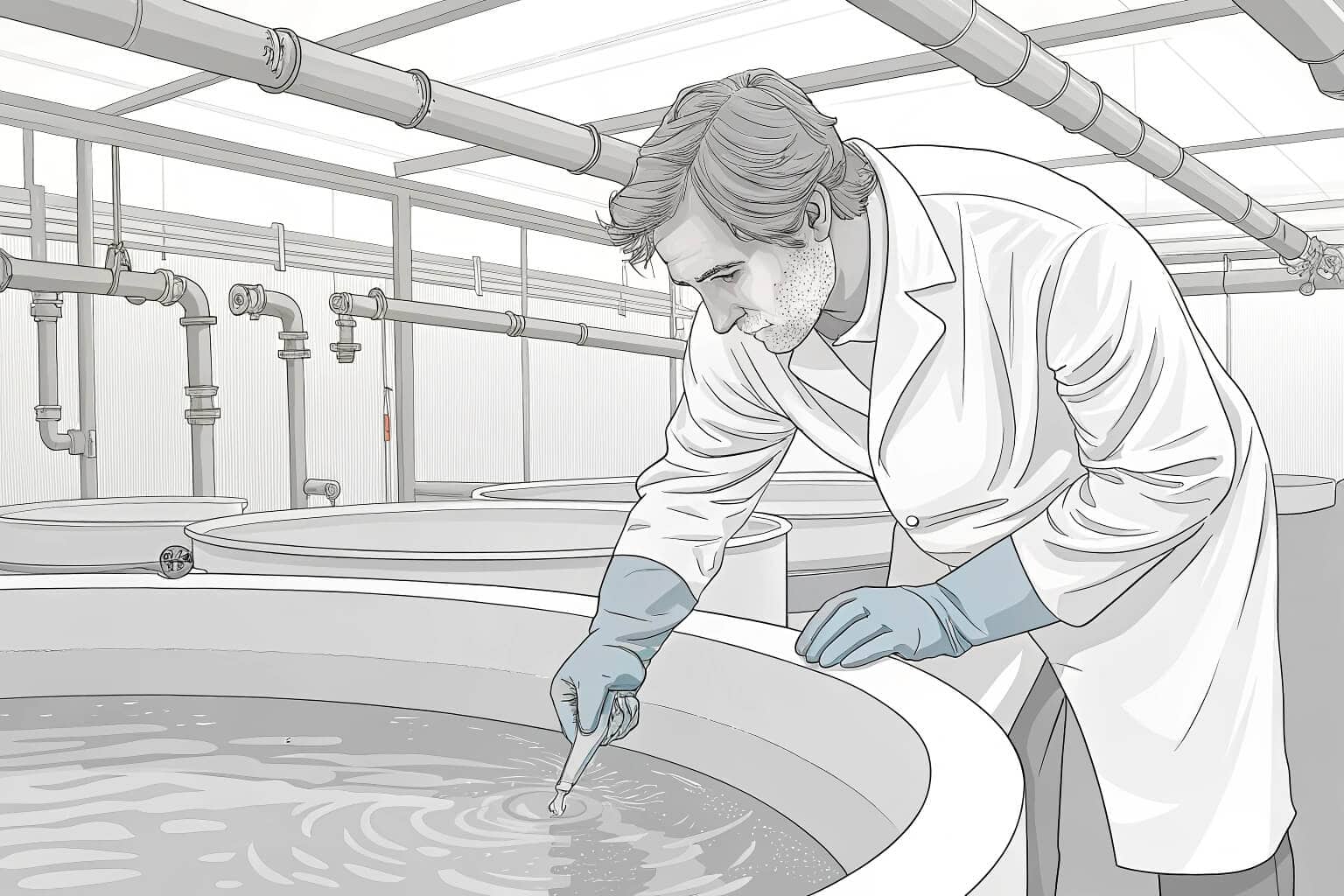
I’ve seen firsthand how devastating these downsides can be. I once visited a farm that lost nearly half its stock overnight due to a bacterial infection6. It was a harsh reminder that in this business, you can’t afford to be complacent. But these risks aren’t insurmountable. With the right knowledge and tools, you can protect your farm and your livelihood.
Managing Disease and Pollution
Disease is the silent killer in fish farming. An outbreak can spread like wildfire, especially in densely populated tanks. The key to prevention is maintaining pristine water quality7 and regularly monitoring your fish for any signs of stress or illness. I always advise new farmers to invest in good filtration systems and to have a quarantine protocol8 in place for new fish. Pollution is another major concern, not just for the environment but for your bottom line. Regulatory bodies are cracking down on farms that discharge untreated water, and the fines can be substantial.
The market can be just as unpredictable as the weather. Feed costs can skyrocket, and the selling price of your fish can plummet due to factors completely out of your control. I’ve learned that diversification is one of the best ways to mitigate this risk. Don’t put all your eggs in one basket. Cultivating multiple species can help you weather the ups and downs of the market. It’s also wise to establish strong relationships with your buyers and, if possible, lock in prices with long-term contracts.
| Downside | Risk Level | Mitigation Strategy |
|---|---|---|
| Disease Outbreak | High | Strict biosecurity, water quality management |
| Water Pollution | Medium | Effective filtration, waste management systems |
| Market Volatility | High | Diversification9, long-term contracts10 |
| Feed Cost Fluctuation | Medium | Bulk purchasing, alternative feed sources |
How much does a fish farmer make per year?
Are you trying to figure out if a career in fish farming can truly support you and your family? You see the potential, but you need to know the real numbers. It’s frustrating when you can’t get a straight answer about the actual income you can expect to earn after all the hard work and investment.
A fish farmer’s annual income varies widely, from around $50,000 for a small-scale operation to over $500,000 for a large, commercial farm. Your earnings depend on the scale of your operation, the species you farm, and your ability to manage costs effectively.
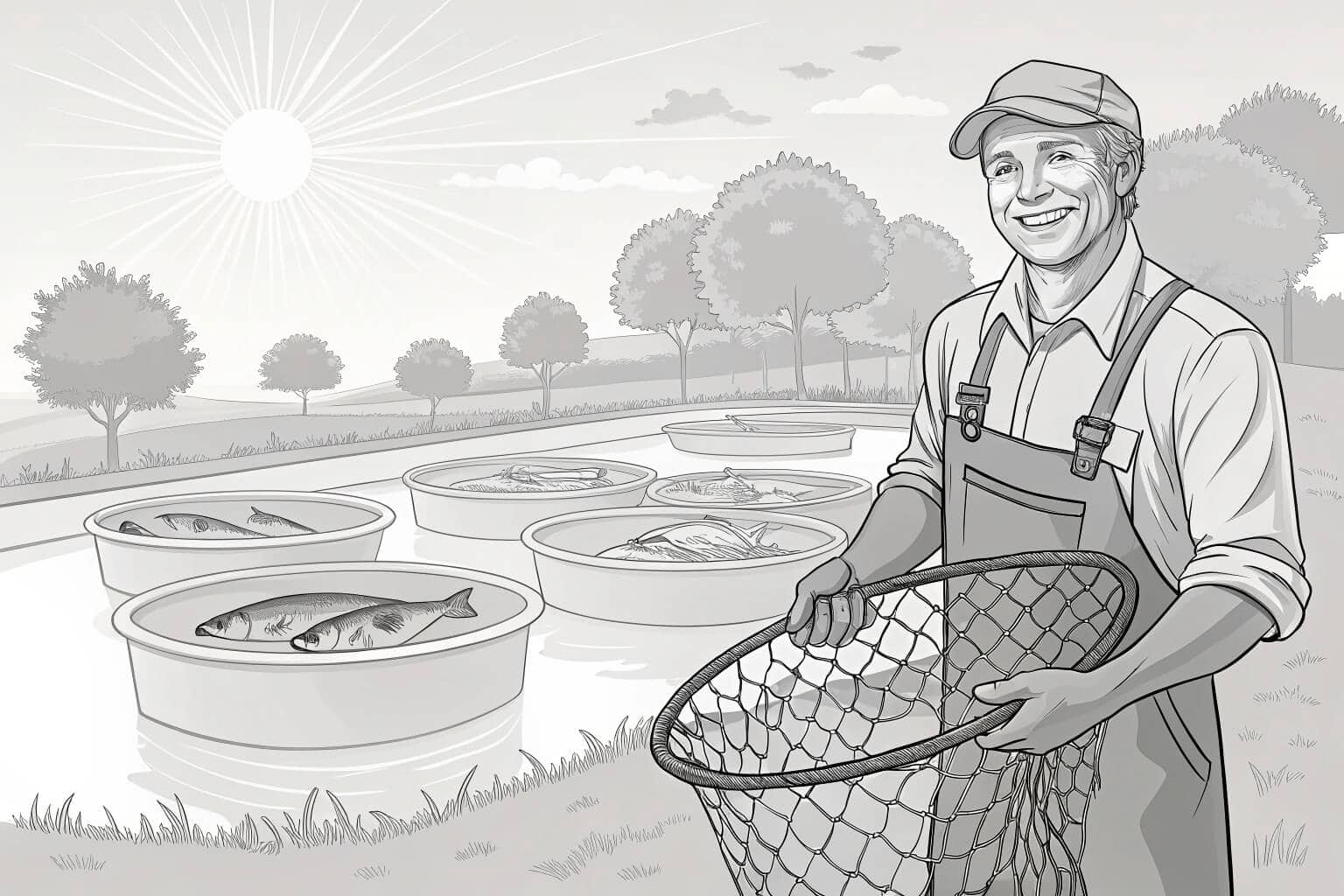
I’ve talked to many fish farmers over the years, and their incomes are as diverse as the fish they raise. I know a farmer in Southeast Asia who started with a small, family-run tilapia pond and now runs a multi-million dollar operation. On the other hand, I’ve also met people who have struggled to make a consistent profit. The difference often comes down to business acumen and a deep understanding of the market11.
Income Factors for Small vs. Large Farms
The scale of your farm is the biggest determinant of your potential income. A small farm, perhaps with a few collapsible ponds in your backyard, can provide a nice supplementary income. But if you’re looking to make a full-time living, you’ll likely need to think bigger. A large-scale farm12 requires a significant upfront investment13, but the potential returns are also much higher. It’s a classic case of high risk, high reward.
The Role of Species and Market
The type of fish you choose to raise will have a huge impact on your bottom line. High-value species14 like salmon and shrimp command a premium price, but they also require more intensive management. Lower-value species like tilapia are easier to raise but offer smaller profit margins. I always tell new farmers to research their local market thoroughly. Find out what’s in demand and what prices you can realistically expect. Your success depends on finding that sweet spot between what you can raise and what people want to buy.
| Species Type | Examples | Profit Margin | Management Level |
|---|---|---|---|
| High-Value | Salmon, Shrimp, Tuna | High | Intensive |
| Low-Value | Tilapia, Catfish | Low-Medium | Moderate |
What is a drawback of raising fish in fish farms?
Are you concerned about the environmental impact of fish farming? You want to build a sustainable business, but you’re aware of the criticism that aquaculture can harm the very ecosystems it depends on. It’s a dilemma that weighs heavily on the conscience of any responsible farmer.
A significant drawback is the potential for environmental degradation. This includes the depletion of wild fish stocks for feed, the destruction of natural habitats to build farms, and the pollution of surrounding waters with farm waste. These issues pose a serious threat to the long-term sustainability of the industry.
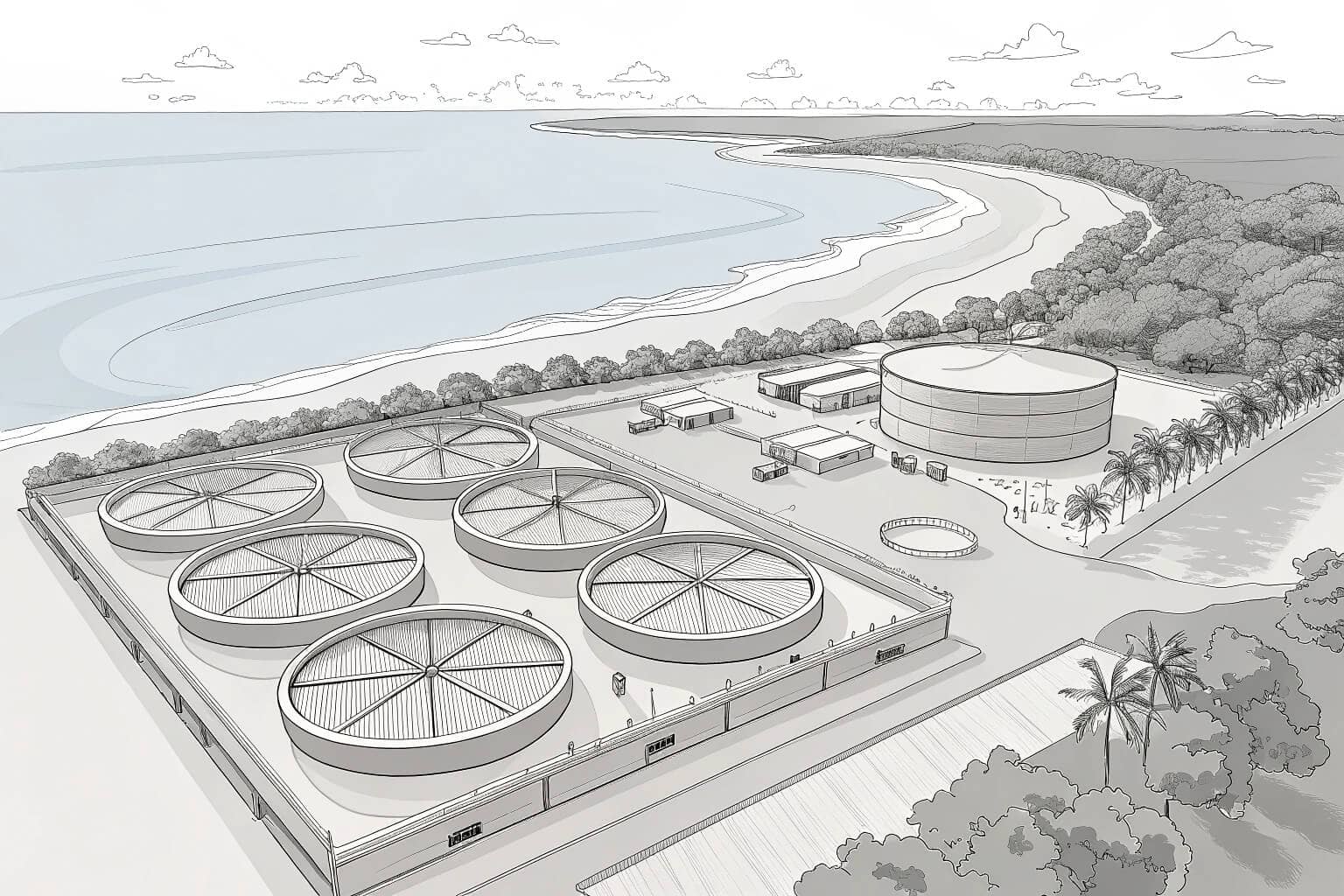
This is an issue that I’m particularly passionate about. I believe that we have a responsibility to be stewards of the environment. The future of fish farming depends on our ability to solve these environmental challenges15. The good news is that the industry is innovating. New technologies and farming practices are emerging that can help us reduce our environmental footprint and create a more sustainable model for aquaculture16.
Environmental Impact and Sustainability
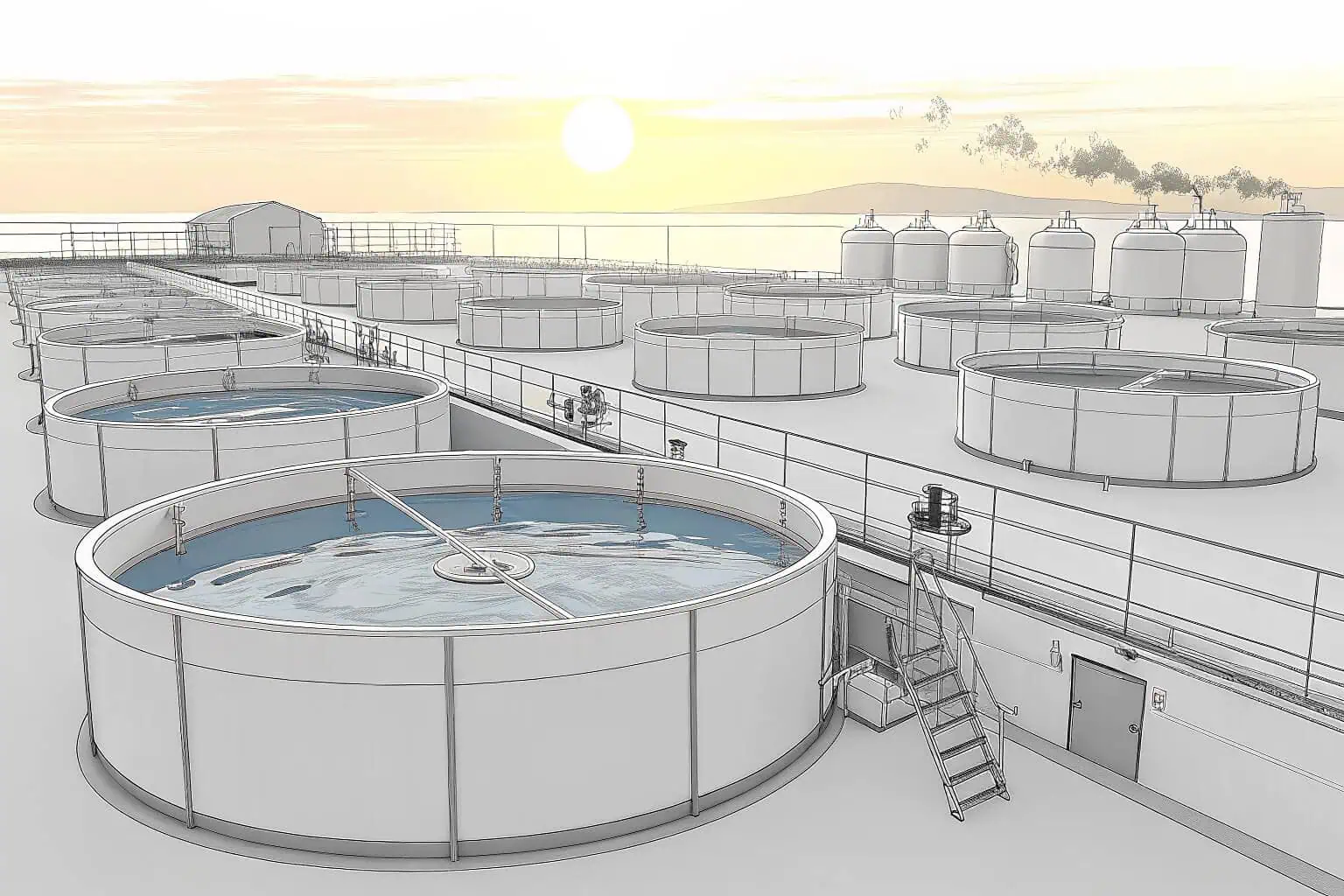
The reliance on wild-caught fish for feed17 is one of the most pressing issues. It takes several pounds of wild fish to produce one pound of farmed salmon, which is simply not sustainable in the long run. I’m encouraged by the progress being made in developing alternative, plant-based feeds. Habitat destruction is another major concern. The clearing of mangrove forests to build shrimp farms, for example, has had a devastating impact on coastal ecosystems. This is where I see great potential for technologies like our land-based, collapsible fish tanks18, which can be set up without destroying natural habitats.
Technological Solutions and the Future
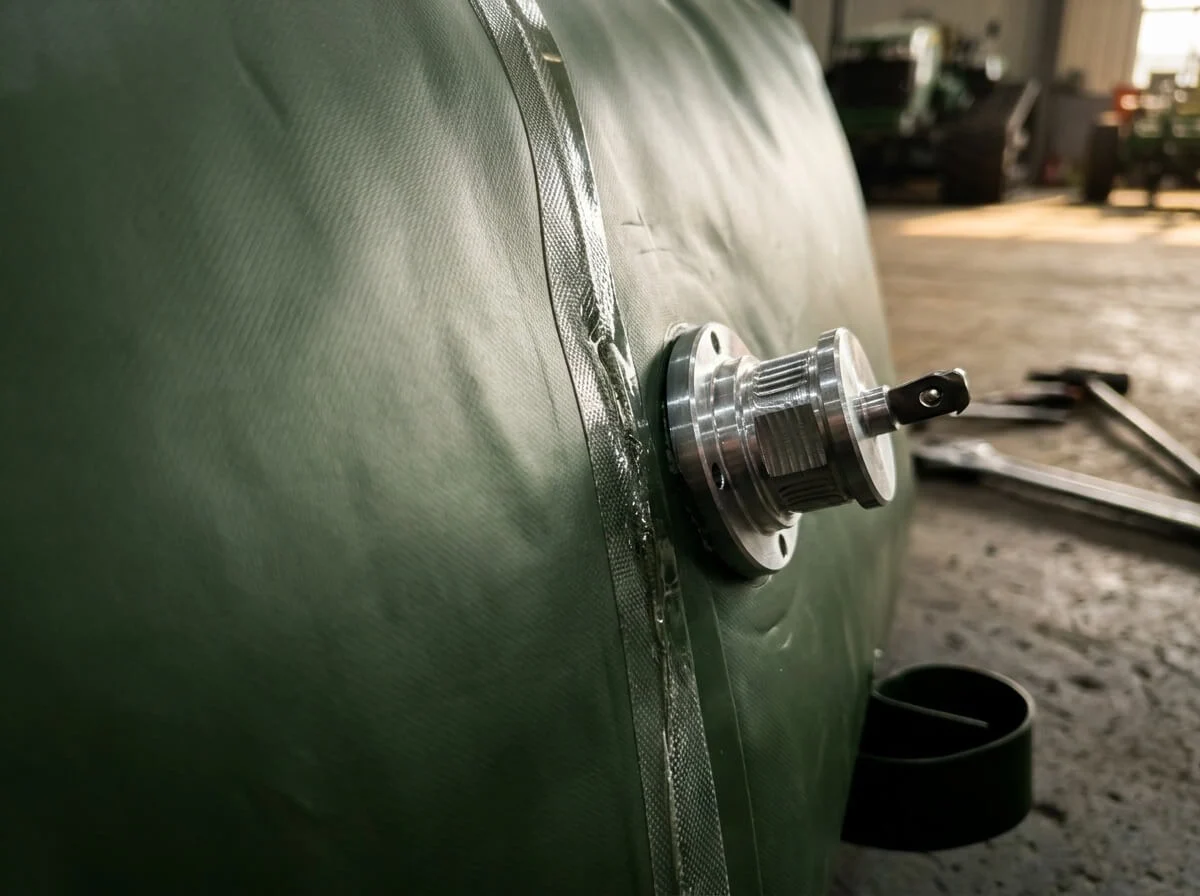
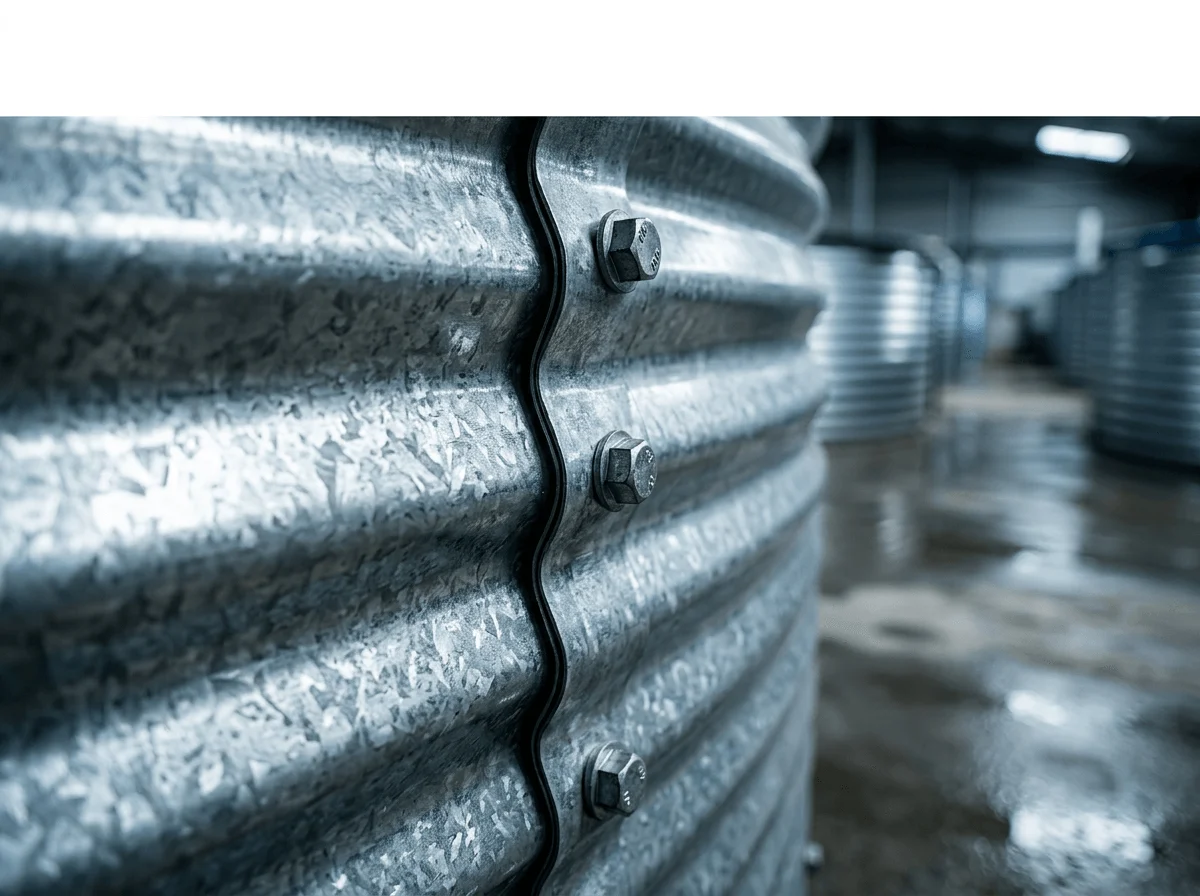
I am a firm believer in the power of technology to solve problems. In fish farming, this means investing in systems that are both efficient and environmentally friendly. For example, our tanks are made with durable, corrosion-resistant materials and can be equipped with advanced water recycling systems19. This not only reduces water consumption but also minimizes the discharge of pollutants. By embracing innovation, I’m confident that we can build a future where fish farming is a key part of the solution to global food security, not part of the problem.
| Technology | Benefit | Impact on Sustainability |
|---|---|---|
| Collapsible Tanks | Portability, reduced land use | Less habitat destruction |
| Recirculating Aquaculture Systems (RAS)20 | Water conservation, waste management | Minimizes water pollution |
| Alternative Feeds | Reduces reliance on wild fish | Protects wild fish stocks |
Conclusion
So, is fish farming worth it? After weighing the pros and cons, I believe the answer is a qualified yes. It offers a real opportunity for profit and a chance to contribute to a more sustainable food system.
- Understanding the factors that lead to financial success can help you make informed decisions and improve your strategy. ↩
- Understanding the initial investment is crucial for planning your fish farming venture effectively. ↩
- Discover which high-value species can maximize your profits and require specialized care in aquaculture. ↩
- Explore how collapsible fish tanks can enhance efficiency and reduce costs in aquaculture operations. ↩
- This resource provides detailed insights into startup costs for different farm sizes, helping you plan your investment effectively. ↩
- Learn effective prevention strategies to protect your livestock and ensure farm health. ↩
- Explore this resource to learn effective water quality management techniques that prevent disease outbreaks. ↩
- Discover essential steps to prevent disease introduction and ensure healthy fish populations. ↩
- Exploring this resource can provide valuable insights into effective diversification methods to reduce market risks. ↩
- This link will help you understand how to secure stable income and mitigate market volatility through contracts. ↩
- Discover essential tips for fish farmers to enhance their business skills and market understanding for better profitability. ↩
- Explore this resource to understand how large-scale farming can maximize your income potential and improve efficiency. ↩
- Learn about the costs involved in starting a large-scale farm to plan your financial strategy effectively. ↩
- Explore this resource to identify high-value fish species like salmon and shrimp that can maximize your profits. ↩
- Explore innovative solutions that can help reduce environmental impact and promote sustainable fish farming. ↩
- Learn about emerging technologies and practices that are shaping the future of eco-friendly fish farming. ↩
- Explore this link to learn about eco-friendly feed options that can reduce pressure on wild fish populations. ↩
- Discover innovative aquaculture technologies that help protect natural habitats and promote sustainable fish farming. ↩
- Learn how advanced water recycling systems can significantly reduce water usage and pollution in aquaculture operations. ↩
- Explore this resource to understand how RAS technology enhances sustainability and reduces environmental impact in aquaculture. ↩