Deep water tanks hold huge profits, but collapsed walls destroy farms instantly. If you use single sheets for tall tanks, you risk massive failure. Here is the engineering fix.
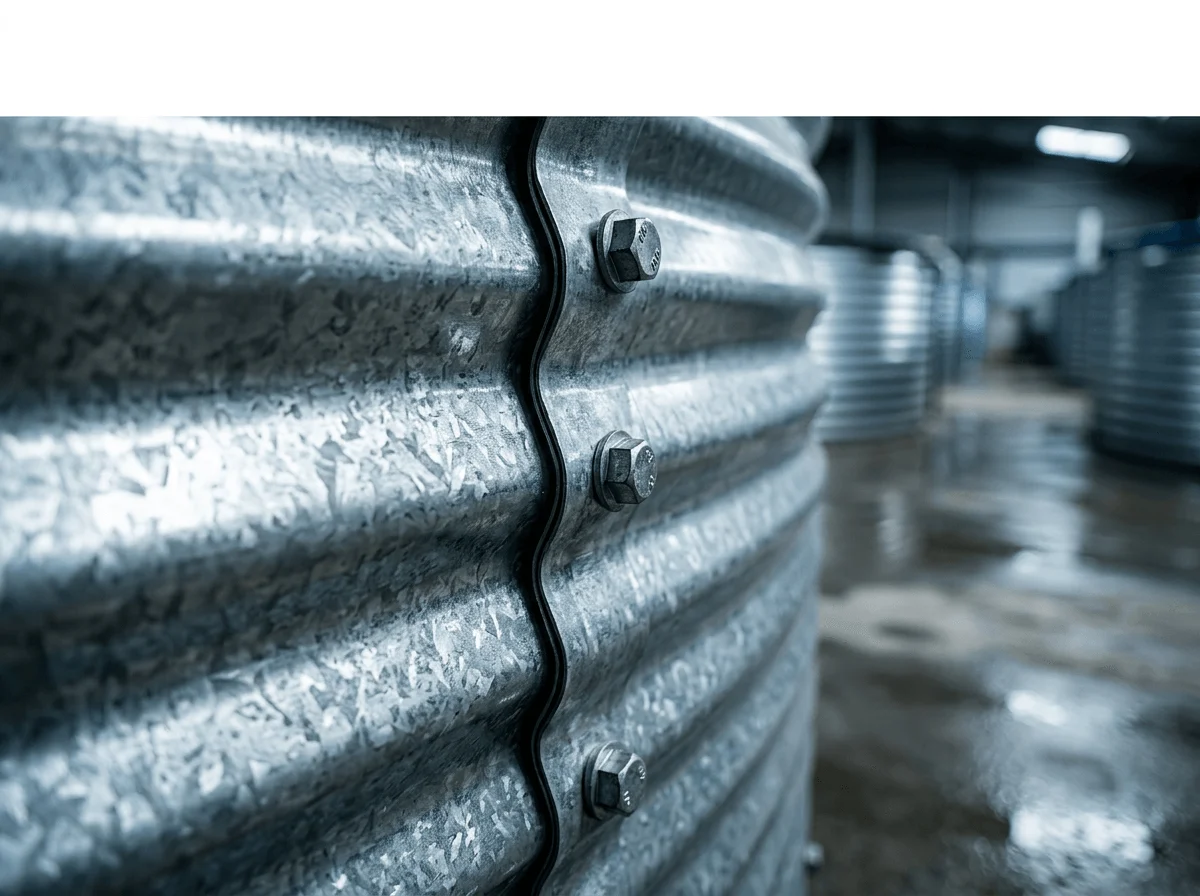
Fish tanks exceeding 1.45 meters in height require dual-layer galvanized sheets because water pressure increases exponentially with depth. A single sheet cannot withstand the immense bottom hydrostatic pressure, leading to bending or bursting. Dual layers provide the rigid structural integrity needed for deep commercial aquaculture tanks.
When you plan a massive farm setup, guessing material strength is a bad idea. Let us look closely at the math behind water pressure before you finalize your next procurement order.
What are the physical hydrostatic pressure limits of single-layer galvanized sheets?
You want to save material costs, but water physics does not care about your budget. Ignoring hydrostatic pressure limits causes fatal leaks. Let us check the real numbers.
Single-layer galvanized sheets typically max out at a safe water depth of 1.2 to 1.45 meters. Beyond this height, the outward hydrostatic force at the tank base exceeds the tensile strength of standard corrugated metal, causing the wall to warp and fail under heavy loads.
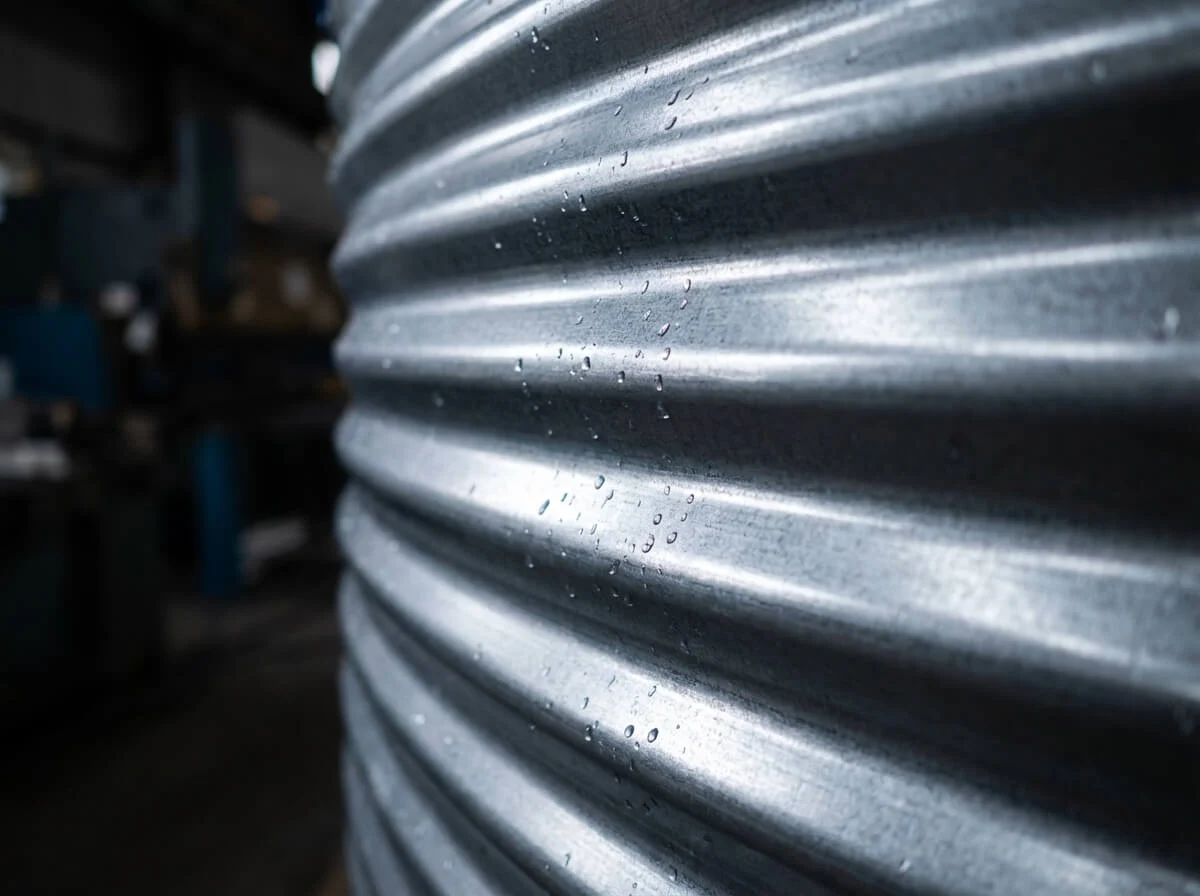
The Heavy Reality of Water Weight
As an engineering consultant, I always remind contractors about basic physics. Water is heavy. One cubic meter of water weighs exactly one ton. When you build a deep tank, the water pushes outward against the metal walls. This push gets much stronger at the bottom of the tank. A single sheet of galvanized steel handles this push fine at one meter deep. But when the water reaches 1.5 meters, the pressure near the ground1 becomes too much for one layer of metal.
Why Standard Single Sheets Fail Fast
Many buyers try to use thin sheets to lower their base costs. I see this mistake often in large African agriculture projects. The metal bends. When the metal bends, the inner PVC liner stretches and tears. This ruins the entire tank. You cannot use single sheets2 for deep tanks. You must upgrade the physical barrier.
| Tank Depth | Hydrostatic Pressure Level | Sheet Requirement | Risk of Failure |
|---|---|---|---|
| 0.95m | Low | Single Layer | Very Low |
| 1.15m | Medium | Single Layer | Low |
| 1.45m | High | Single or Dual | Medium |
| 1.50m+ | Extreme | Dual Layer MUST | Very High (if single) |
How does the dual-layer sheet structure prevent structural failure in deep tanks?
A ruptured tank ruins your harvest and your site base. Relying on thin walls for deep water is a gamble. A dual-layer system secures your investment perfectly.
The dual-layer structure prevents failure by doubling the steel thickness at the critical lower section of the tank. This overlap reinforces the tank base where hydrostatic pressure is highest, distributing the heavy outward force evenly and stopping the metal from bending or tearing.
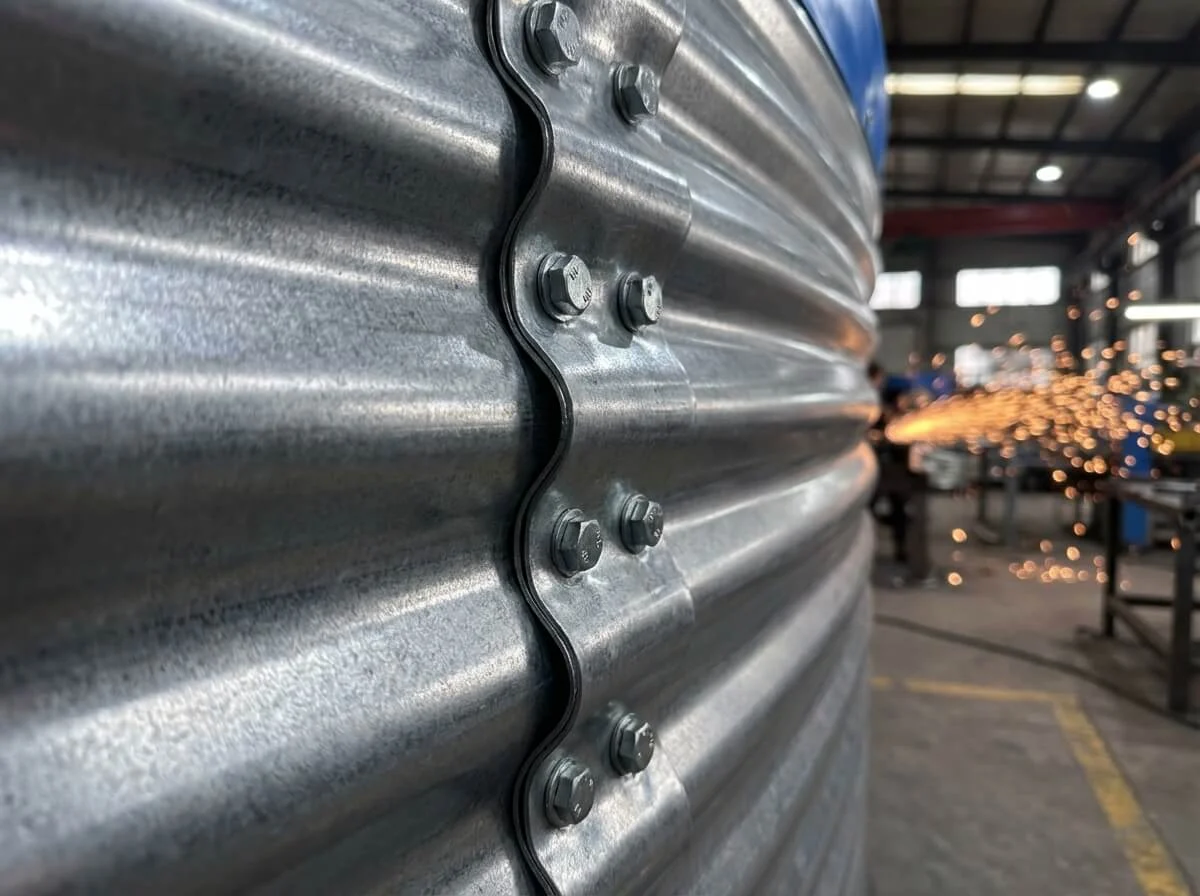
The Overlap Engineering Method
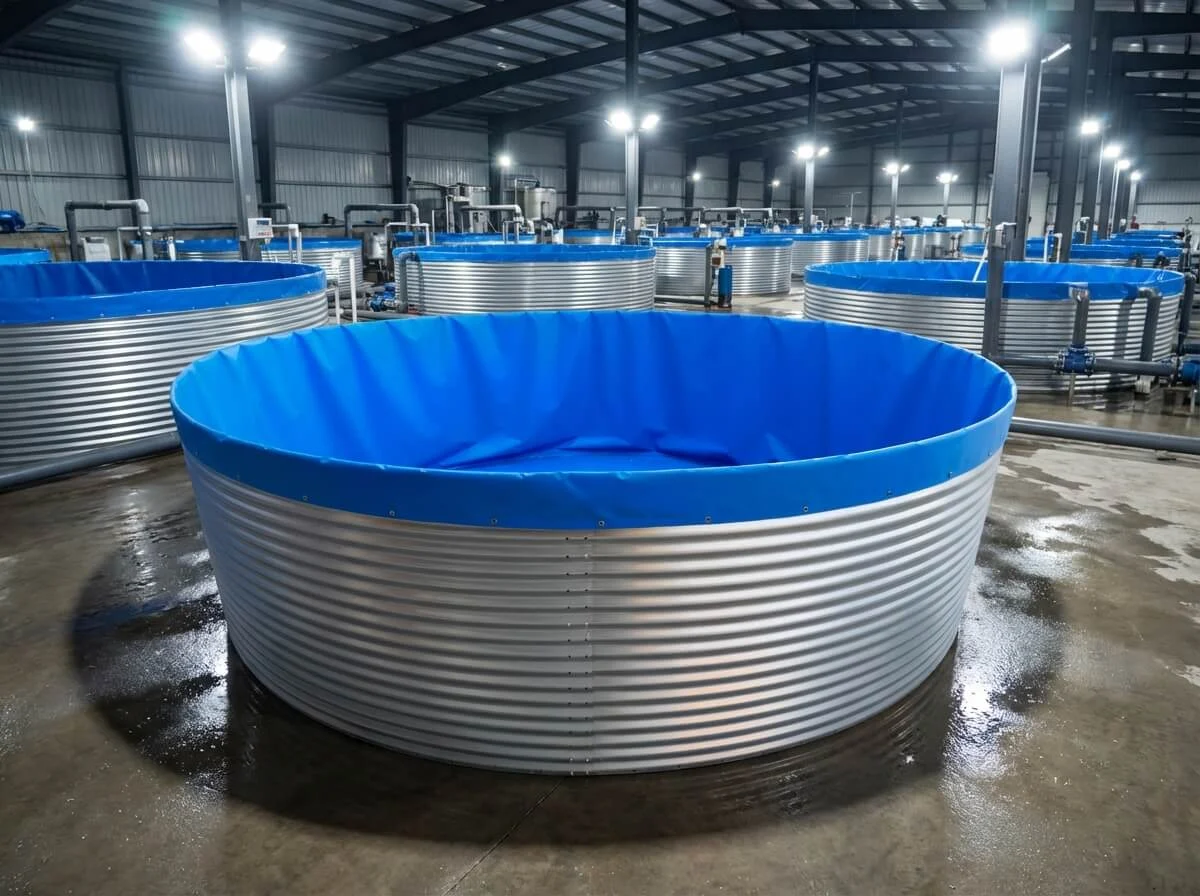
In our modern manufacturing facility in Chongqing, we do not guess about strength. We engineer it. For tanks taller than 1.45 meters, we use an overlap method. We place a second layer of thick galvanized steel over the bottom half of the tank. This is where the water pushes the hardest. The two layers work together to stop any bending. This makes the wall solid like concrete, but much cheaper and faster to build.
Protecting the Inner PVC Liner
The metal frame has one main job. It must protect the flexible water bladder inside. If the metal frame stays perfectly still, the high-tensile industrial PVC liner3 will last for many years. When we use dual-layer sheets, the wall never flexes. This means the PVC liner never rubs against sharp edges. Your farm stays safe from sudden water loss.
| Feature | Single Layer Tank | Dual Layer Tank (Over 1.45m) |
|---|---|---|
| Wall Rigidity | Normal | Extreme |
| Max Safe Height | 1.45m | 2.0m or more |
| Liner Protection | Good | Excellent |
| Long-term Safety | Good for shallow water | Essential for deep water |
Why does our factory recommend "Large Boards" for commercial tank assembly?
Labor costs kill your project budget. Tiny panels take days to bolt together and create weak joints. Large boards fix these expensive delays instantly.
Our factory recommends Large Boards because they drastically reduce the number of vertical joints. Fewer seams mean higher overall structural rigidity and significantly less assembly time on site. For instance, a massive 12-meter diameter tank only requires about 24 large boards to assemble.
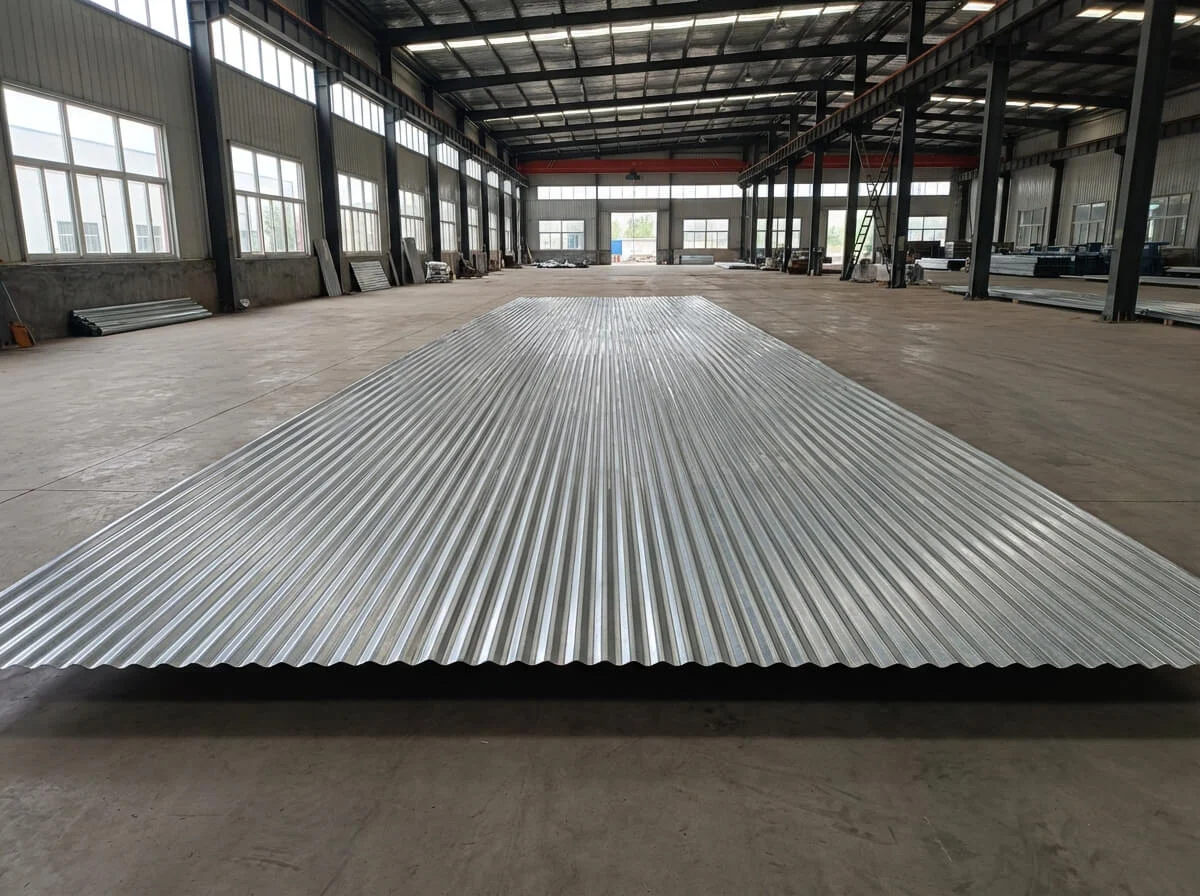
Less Bolts and More Strength
I review many custom bulk orders every week. Many old factories still sell small metal panels. Small panels mean more bolts. More bolts mean more weak points. I always push my clients to use Large Boards4. A 12-meter tank only needs about 24 large panels to close the circle. Less joints make the circle much stronger against water pressure5.
Saving Money on Farm Labor
Your site workers cost money every hour. If they spend three days putting one tank together, your project falls behind schedule. With our Large Boards, a small team can build a big tank in just one day. The pieces match perfectly. The holes align easily. You deploy the equipment faster and start growing fish sooner. This simple change helps agricultural contractors6 scale their operations very efficiently.
| Assembly Factor | Small Panels | Large Boards7 |
|---|---|---|
| Vertical Seams | 50+ | Approx. 24 |
| Hardware Needed | High | Low |
| Installation Time | 2 to 3 days | 1 day |
| Structural Rigidity | Average | Superior |
How to estimate shipping volume for a 12m diameter commercial tank (approx. 24 large boards)?
High ocean freight rates destroy your profit margins. Shipping bulky equipment wastes container space. You must optimize your packing volume to keep landed costs low.
To estimate the shipping volume for a 12-meter tank, calculate the nested stack of the 24 large boards, the rolled industrial PVC liner, and the hardware boxes. Because the boards stack tightly, the entire system packs down efficiently, saving valuable cubic meters inside the container.
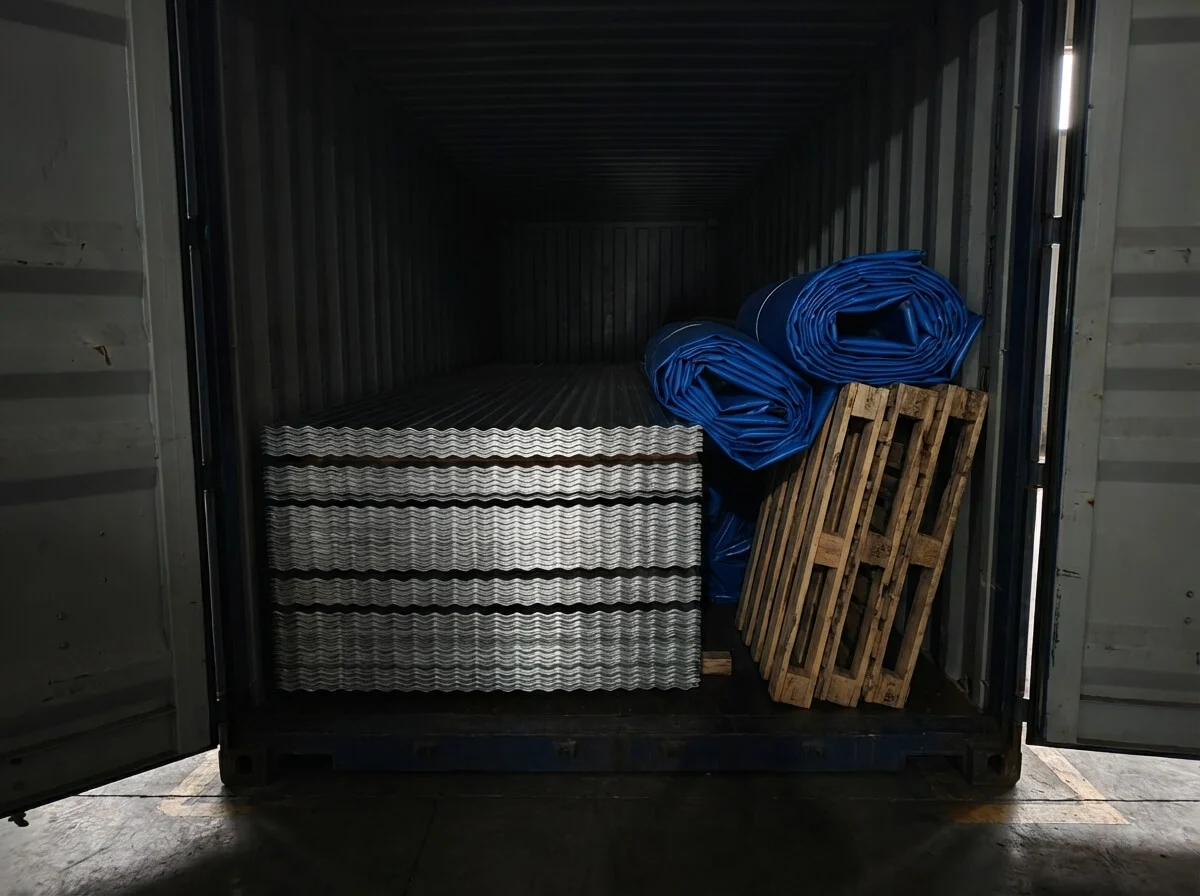
Stacking Flat Materials for Sea Freight
Cross-border shipping8 is a big challenge for my global clients. You do not want to ship empty air. Large boards are curved, but they stack inside each other perfectly. The 24 boards for a 12-meter tank become one dense pile on a wooden pallet. This takes up very little space in a sea container. We put the rolled PVC liners9 and small boxes of bolts right next to the metal.
Smart Factory Packing Strategies
I always help procurement managers10 plan their loads. We use Simple Drawings to confirm the exact parts list quickly. We pack heavy metal at the bottom. We pack flexible liners on top. We do not install bottom valves before shipping. Installed valves stick out and break during transit. We ship the valves in safe boxes for easy site assembly. This careful planning drops your final landed cost11.
| Component | Packing Method | Space Used (CBM) |
|---|---|---|
| 24 Large Boards | Stacked flat on pallet | Low |
| Thick PVC Liner | Folded and tightly rolled | Medium |
| Bolts and Valves | Boxed separately | Very Low |
| Total Farm Tank | Compact System | Highly Optimized |
Conclusion
For deep commercial farming, you must use dual-layer galvanized sheets and large boards. This strategy guarantees extreme structural safety, faster farm installation, and much lower shipping costs for global contractors.
-
Exploring this topic can provide insights into engineering principles that ensure the durability and safety of structures. ↩
-
Understanding the limitations of single sheets can help you make informed decisions for tank construction.
-
Learn about the advantages of high-tensile industrial PVC liners in ensuring long-lasting protection for water storage systems. ↩
-
Explore this link to understand how Large Boards enhance structural integrity and reduce weak points in construction. ↩
-
Learn about the impact of water pressure on design choices, crucial for ensuring durability and safety in construction. ↩
-
Learn about strategies agricultural contractors use to optimize operations and save money on labor. ↩
-
Discover how Large Boards can significantly reduce assembly time and costs, enhancing your farming efficiency. ↩
-
Explore this link to learn effective strategies and tips for optimizing your cross-border shipping processes. ↩
-
Discover the various applications and benefits of rolled PVC liners in shipping and logistics. ↩
-
Explore this link to discover effective strategies that can enhance procurement processes in smart factories. ↩
-
This resource provides insights on minimizing final landed costs, crucial for optimizing your supply chain. ↩