
Are you tired of high water bills and looking for a sustainable way to care for your garden? Collecting rainwater is a great solution, but choosing the wrong tank size can lead to wasted resources or not having enough water when you need it most.
The right tank size depends on your roof area, local rainfall, and how much water you use. For most homes, a tank between 1,000 to 5,000 gallons is a good starting point. This ensures you have enough water for gardening and outdoor cleaning without overspending on a massive tank.
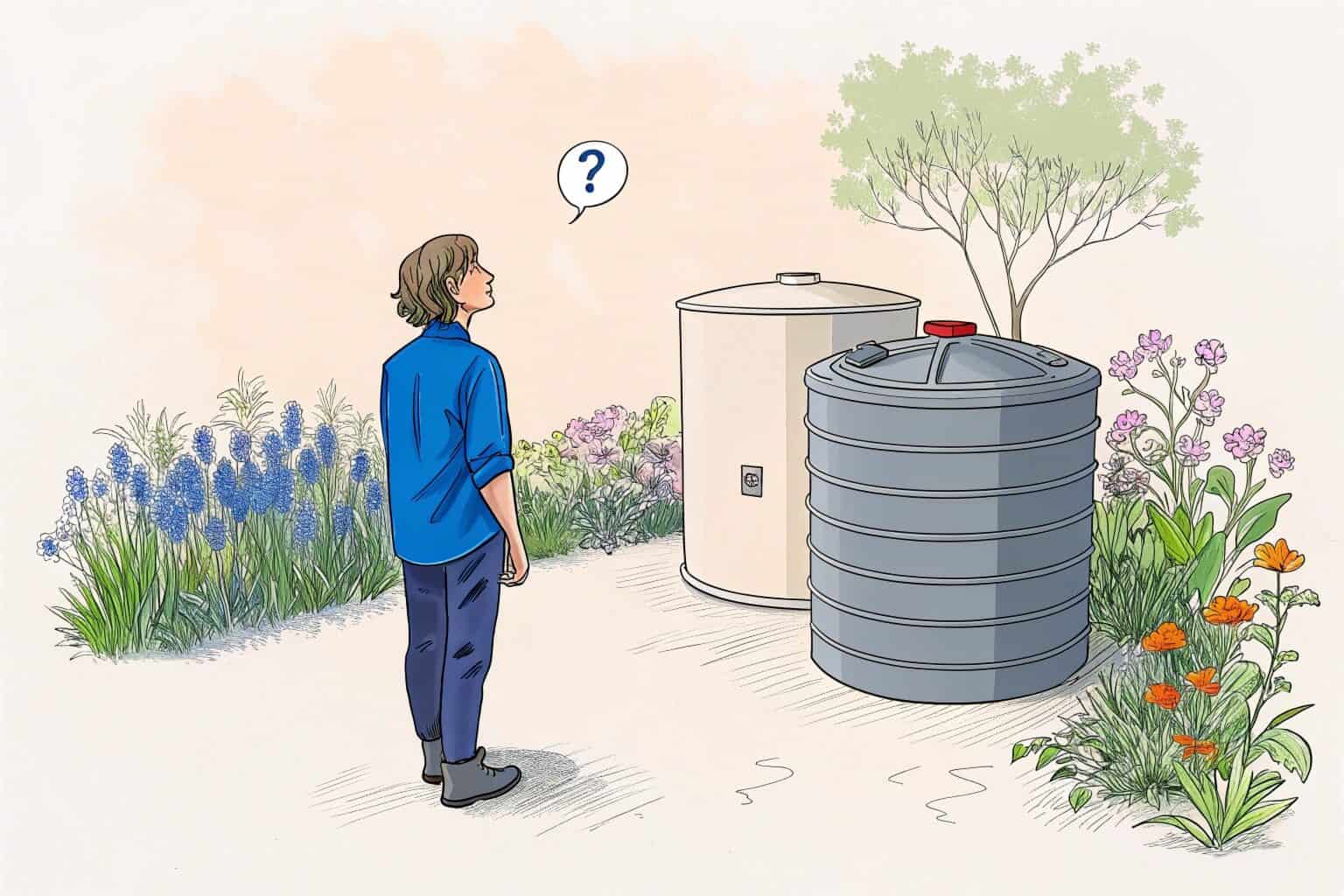
Getting the size right is key to making rainwater harvesting work for you. It’s about finding that sweet spot between your potential to collect and your actual need. Let’s break down how to figure out the perfect size for your situation.
How big of a rainwater collection tank do I need?
Wondering if you’re choosing the right tank size? A tank that’s too small will overflow constantly, while one that’s too big is a waste of money and space. Finding the perfect fit feels complicated, but it doesn’t have to be.
To determine the right size, you need to balance three things: your water collection potential (roof size and rainfall), your intended water usage (gardening, cleaning), and your budget. A simple calculation can give you a very good estimate and help you make a smart investment from the start.
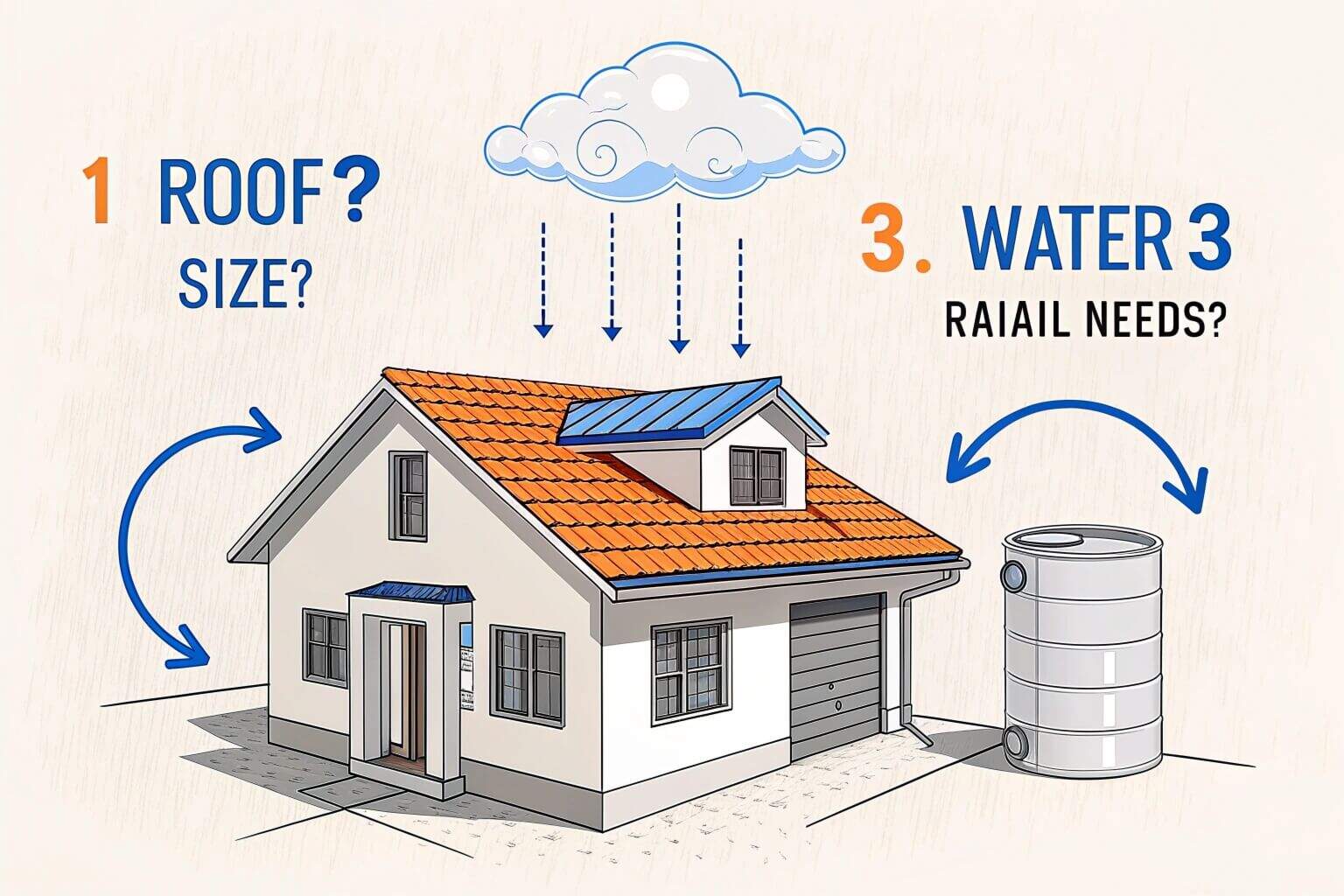
I remember my first attempt at setting up a system. I bought a small barrel, thinking it would be enough for my vegetable patch. After the first big rain, it was overflowing in an hour, and I realized I had seriously underestimated how much water comes off a roof. This is a common mistake. Many beginners either buy a tank that’s too small, missing out on collecting a lot of free water1, or they go too big, spending money on capacity they never use.
Understanding Your Needs
First, think about what you’ll use the water for. Is it just for watering a few plants, or do you plan on washing your car and cleaning your patio too? A gardener might need 10-20 gallons a week, while washing a car can use up to 100 gallons. List out your water uses and estimate how much you’ll need. This simple step is the foundation for making a good decision.
Looking at Your Space
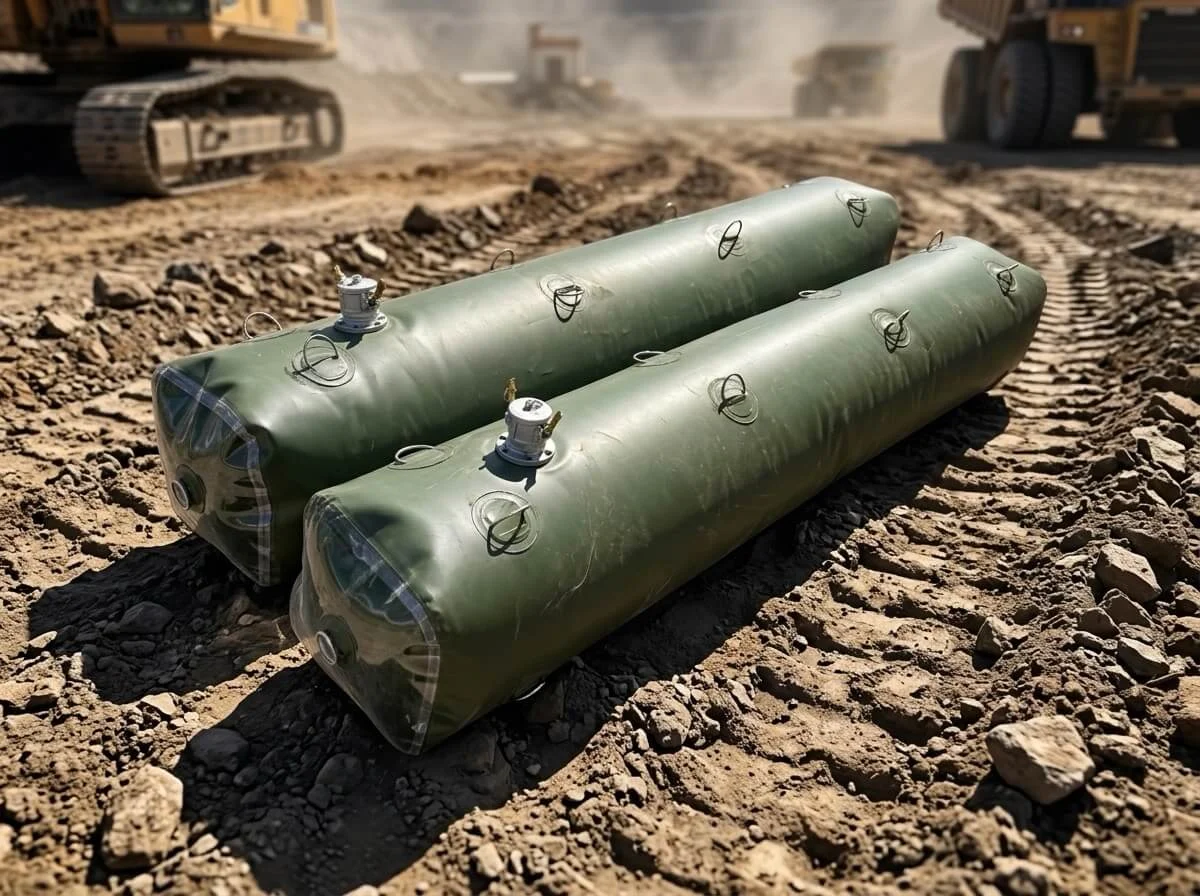
Next, consider your available space. This is where I see a lot of people get stuck. They want a huge tank but only have a small corner next to their house. This is why I’ve become a big fan of foldable tanks2. Products like the ones from Bancy3 are great because you can set them up during the rainy season and then fold them away when they’re not needed. They come in sizes from a small 50-gallon drum to over 1000 gallons, so there’s a lot of flexibility for almost any home.
Matching Supply with Demand
Finally, you want to match your collection capacity4 to your usage. If you live in an area with frequent rain, you might not need a massive tank because it will be refilled often. But if you have long dry spells, a larger tank is necessary to get you through those periods. It’s a balancing act between preparing for the worst-case scenario and being practical about your space and budget.
Here’s a table to help you think about it:
| Climate Type | Rainfall Pattern | Recommended Tank Strategy | Example Homeowner Tank Size |
|---|---|---|---|
| Temperate | Consistent rain year-round | Smaller tank is often sufficient | 500 – 1,500 Gallons |
| Arid / Dry | Long periods with no rain | Larger tank is critical for storage | 3,000 – 10,000+ Gallons |
| Tropical / Monsoon | Heavy seasonal rain | Large tank to capture abundance | 2,000 – 7,000 Gallons |
How do you calculate rainwater harvesting tank size?
Does the math for calculating tank size seem daunting? It’s easy to get lost in formulas and end up just guessing. But a wrong guess can be costly and frustrating when your system doesn’t meet your needs.
You can calculate your potential rainwater collection with a simple formula: Roof Area (sq ft) × Rainfall Depth (inches) × 0.623 = Potential Gallons. This tells you how many gallons you can collect for every inch of rain, helping you choose a tank that matches your supply.

When I first got serious about rainwater harvesting5, I spent a lot of time with spreadsheets6. I wanted to be sure I was making the right choice. The formula looks a bit technical, but it’s really simple once you break it down. Let’s walk through it.
Step 1: Measure Your Roof Area
You only need to measure the footprint of your roof, not its actual surface area. Just multiply the length and width of your house. For example, if your house is 40 feet long and 30 feet wide, your roof footprint7 is 1,200 square feet. Remember to only measure the section of the roof8 that will feed water into your tank.
Step 2: Find Your Local Rainfall
You can find this information online from weather websites or government meteorology sites. Look for the average monthly rainfall in your area. Let’s say you get 3 inches of rain in a typical month. This number is your "income" in our water budget.
Step 3: Do the Math
Now, you just plug the numbers into the formula.
1,200 sq ft × 3 inches × 0.623 = 2,242.8 gallons
This means you could potentially collect over 2,200 gallons of water in a month with 3 inches of rain. This number is your theoretical maximum. In reality, you’ll lose a little bit due to evaporation or overflow, so we usually account for about 80-90% efficiency. So, a more realistic number would be around 1,800-2,000 gallons. This tells you that a 500-gallon tank would fill up very quickly, while a 2,000-gallon tank would be a good match for your monthly collection potential.
Here is a simple table to help:
| Roof Area (sq ft) | Rainfall (1 inch) | Potential Gallons9 | Recommended Tank10 (Min) |
|---|---|---|---|
| 500 | 1 | 311 | 250 |
| 1000 | 1 | 623 | 500 |
| 1500 | 1 | 934 | 750 |
| 2000 | 1 | 1246 | 1000 |
How long will a 5000 gallon water tank last?
Have you ever wondered if a large tank like a 5000-gallon one is the right choice? It seems like a huge amount of water, but it can disappear faster than you think if you’re not prepared.
A 5000-gallon tank’s longevity depends entirely on your daily water usage and how often it’s refilled by rain. For a family using it for gardening and outdoor tasks, it could last several months. However, for a small farm during a dry spell, it might only last a few weeks.
I once worked with a small organic farm that installed a 5,000-gallon tank11. They were so excited. They thought it would solve all their irrigation problems. During the spring, when it rained regularly, they were right. The tank stayed mostly full. But then a summer drought hit. With no rain to replenish it, their daily watering schedule for the crops drained that huge tank in just under a month. It was a tough lesson for them about planning for dry spells12.
It’s All About Your Water Budget
Think of your water tank like a bank account. Rain is your income, and your daily use is your expenses. How long the money lasts depends on how much you spend. If you use 50 gallons a day for your garden, a 5,000-gallon tank will last 100 days, assuming no rain. But if you’re a small farm using 300 gallons a day for irrigation, it will only last about 16-17 days. You have to be realistic about your consumption.
The Role of Climate
Your local climate13 is the other major factor. In a place with frequent rain, a 5,000-gallon tank might seem like overkill for a home because it’s constantly being topped up. But in a drier climate, that same tank is a critical buffer to get you through the long, hot months without rain. You have to plan for the longest expected dry period14 in your region.
B2B and Large Scale Use
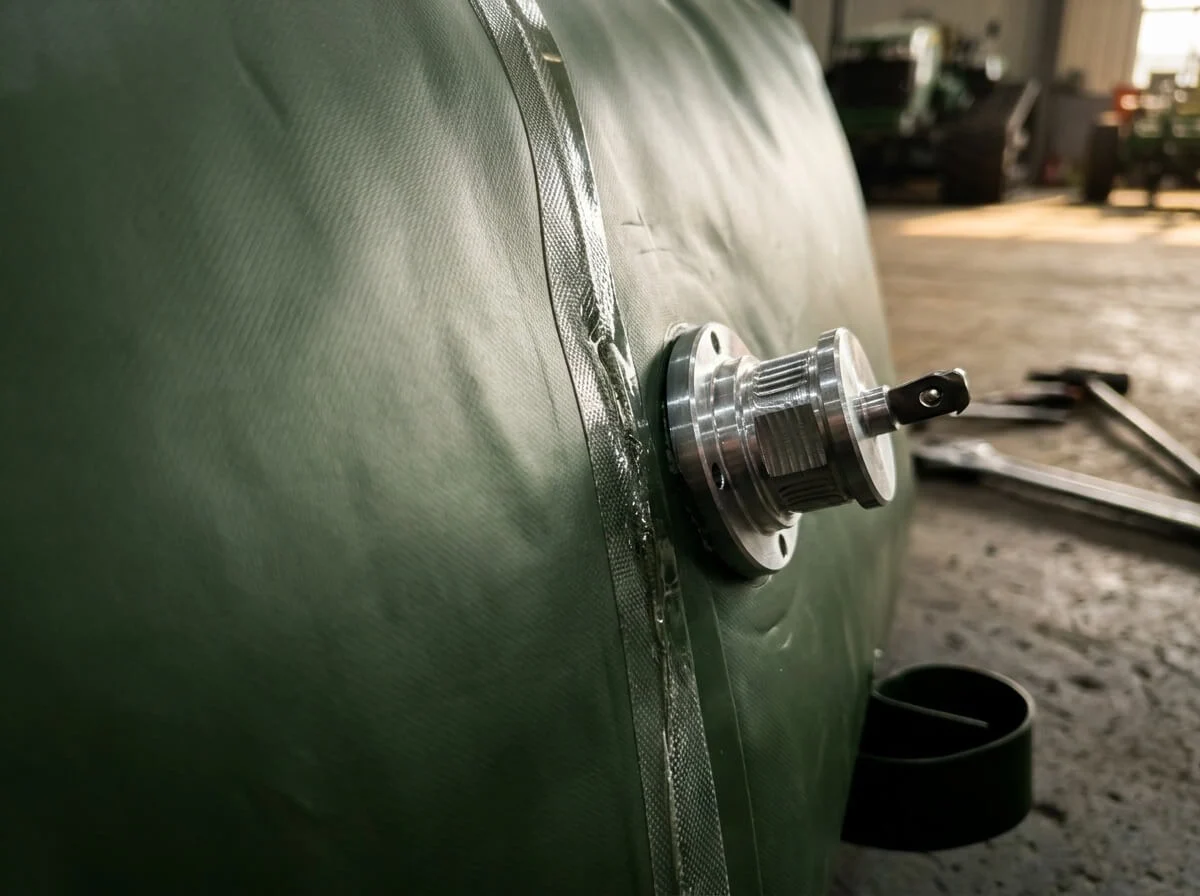
This is also where I see a big opportunity for businesses. Companies like Bancy, which offer customizable, large-capacity tanks15, can serve agricultural and industrial clients who have very specific needs. For a vineyard or a small factory, a 5,000-gallon tank might be just one part of a much larger water management system. They need reliable, durable products. The dual-layer welding and tough PVC materials16 used in these tanks are critical because a leak in a tank that size is a major problem.
This table shows some examples of B2B clients and their needs:
| Client Type | Primary Use Case | Typical Tank Size (Gallons) | Key Feature |
|---|---|---|---|
| Small Organic Farm | Crop Irrigation | 5,000 – 10,000 | Durability |
| Vineyard | Supplemental Irrigation | 10,000 – 20,000 | Large Capacity |
| Small Factory | Cooling & Cleaning | 2,000 – 5,000 | Chemical Resistance |
| Construction Site | Dust Control & Mixing | 1,000 – 3,000 | Portability |
What size rain water tank do I need?
Still feeling uncertain about the exact tank size you need? Making the final decision can be stressful when you’re trying to balance cost, space, and water needs. Let’s simplify the choice.
For most homeowners with a garden, a tank between 200 to 1,000 gallons is often the sweet spot. This provides plenty of water for seasonal gardening and cleaning without taking up too much space. Foldable tanks in this range offer great flexibility for residential use.
After helping so many people choose a tank, I’ve learned that there’s no single "perfect" size. It’s about finding the right fit for you. I remember a young couple I talked to who were passionate about sustainability17. They lived in a townhouse with a small patio and didn’t have space for a rigid tank. I suggested a 100-gallon foldable tank. It was perfect for them. They could collect enough water for their container garden and fold it away in the winter.
For the Home Gardener
If you’re a typical homeowner who wants to water your garden, wash your car, and maybe top off a small pond, you likely don’t need a giant tank. A good rule of thumb is to get a tank that can hold about a quarter of your monthly water usage. This gives you a good buffer. For most people, this falls in the 200-1,000 gallon range, which is a very manageable size.
For the Small Farm or Homesteader
If you have a larger property, a small orchard, or a big vegetable farm, your needs are different. You’ll want to calculate your irrigation needs18 based on your crop type and acreage. In this case, you should be looking at tanks in the 1,000 to 10,000-gallon range, or even multiple tanks linked together. Customization is key here, as you might need specific outlets or connections to fit your irrigation system.
The B2B Perspective
From a business-to-business standpoint, the needs are even more diverse. I’ve seen requests for everything from a series of 500-gallon tanks for a community garden project to massive custom-built bladders for industrial sites. This is where a company’s ability to be flexible and offer custom solutions19 really shines. Offering logo printing, different colors, and various fittings allows a supplier to meet the needs of a wide range of commercial clients, from landscapers to construction companies.
Here are some common B2B requests and how customization helps20:
| Client/Project | Common Request | Customization Feature | Benefit |
|---|---|---|---|
| Community Garden | Multiple smaller tanks | Custom logos/colors | Brand visibility & aesthetics |
| Landscaping Company | Truck-mounted tanks | Specific outlet fittings | Easy integration with equipment |
| Construction Firm | Durable tanks for rough use | Reinforced materials | Longevity on a tough job site |
| Event Organizer | Temporary water stations | Quick-deploy foldable tanks | Ease of setup and teardown |
Conclusion
Choosing the right size rainwater tank is the most important step. By understanding your roof area, local rainfall, and water needs, you can find the perfect fit for your home or business.
- This link will guide you on efficient rainwater harvesting techniques, ensuring you make the most of natural resources. ↩
- Explore the advantages of foldable tanks, including space-saving features and flexibility for various needs. ↩
- Discover Bancy’s range of foldable tanks, perfect for maximizing your space and water storage solutions. ↩
- Understanding how to optimize your collection capacity can help you manage resources effectively and save money. ↩
- Exploring this link will provide you with valuable insights into the advantages of rainwater harvesting, helping you make informed decisions. ↩
- This resource will show you practical ways to utilize spreadsheets for effective rainwater harvesting planning and management. ↩
- Understanding roof footprint is essential for effective water collection and tank sizing. ↩
- Learning how to accurately measure your roof section can optimize your water collection system. ↩
- Understanding potential gallons helps in planning effective rainwater harvesting systems. ↩
- Choosing the right tank size is crucial for maximizing water storage and efficiency. ↩
- Explore this link to understand how a 5,000-gallon tank can enhance irrigation efficiency and sustainability. ↩
- This resource offers valuable strategies for farmers to prepare for droughts and ensure crop resilience. ↩
- Understanding how local climate affects water storage can help you make informed decisions for your home. ↩
- Learning about the longest expected dry period can guide effective water conservation strategies in your area. ↩
- Explore how customizable tanks can meet specific business needs and enhance operational efficiency. ↩
- Learn about the advantages of advanced materials in tank construction for reliability and longevity. ↩
- Learn about sustainable gardening practices that can help you grow your garden while being environmentally friendly. ↩
- Understanding how to calculate irrigation needs is crucial for optimizing water usage and ensuring healthy crops. ↩
- Explore how custom solutions can enhance business relationships and meet diverse client needs. ↩
- Learn about the advantages of customization in B2B projects and how it can drive success. ↩