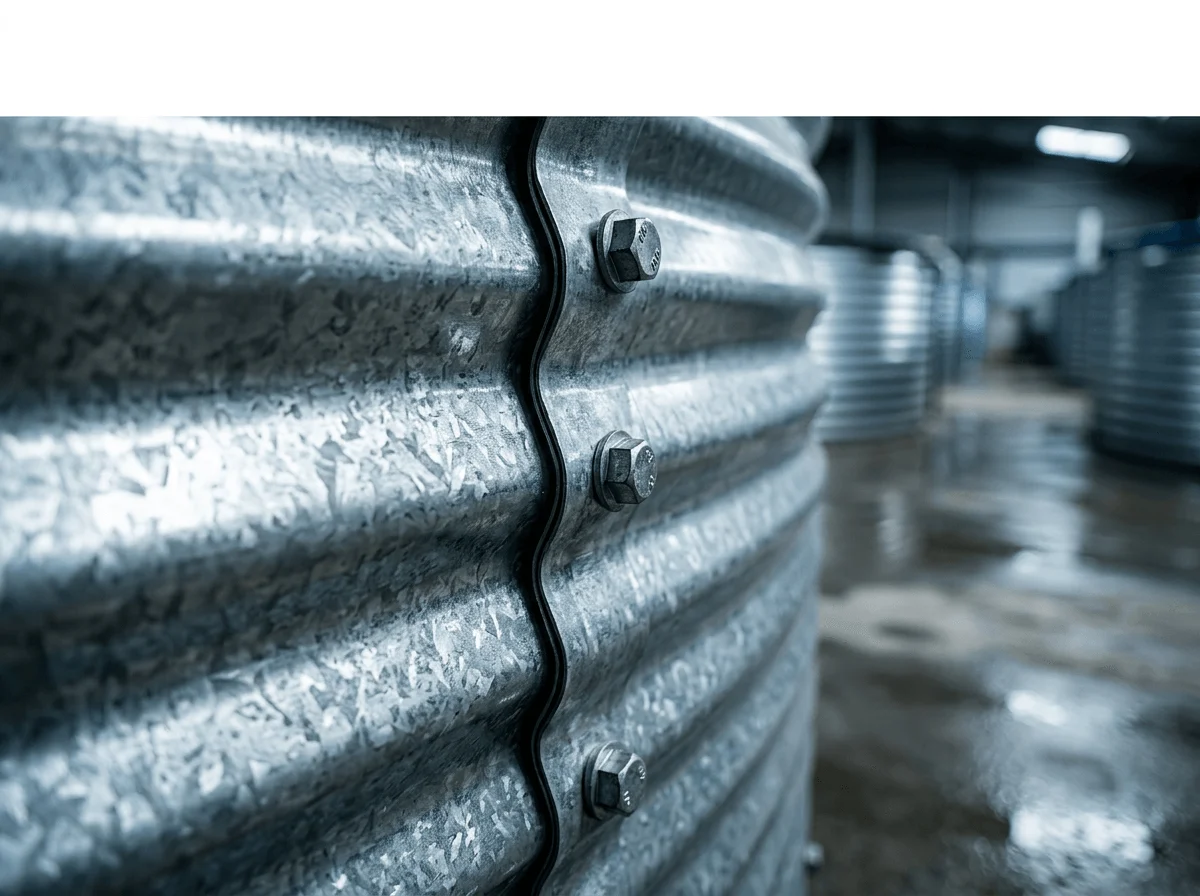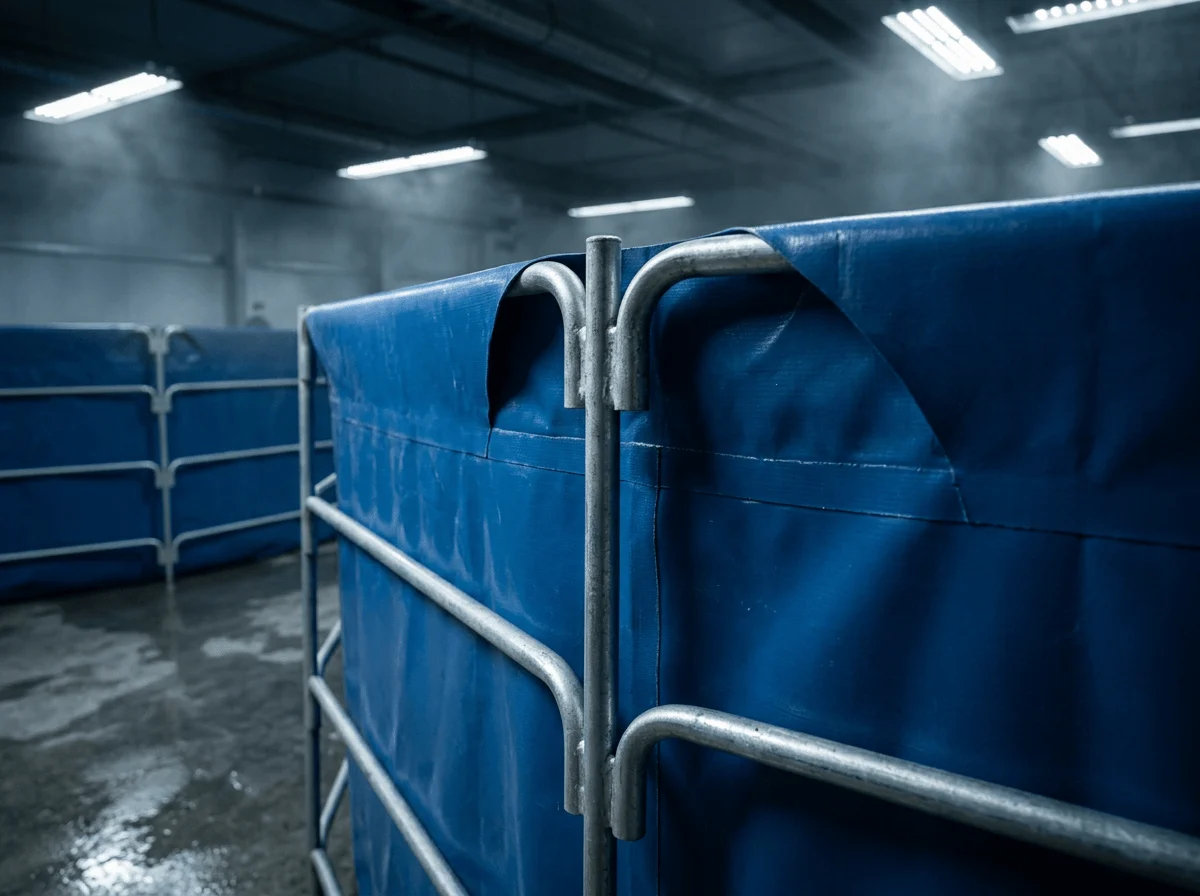
Transporting bulk fuel to remote sites usually means sky-high shipping costs and rigid steel logistics nightmares. Ignoring efficient alternatives bleeds project budgets dry. The solution lies in flexible storage.
A fuel bladder is a highly durable, flexible industrial container designed to store and transport hydrocarbons like diesel and gasoline. Made from high-tensile TPU materials, it collapses flat when empty, offering a scalable, leak-proof alternative to rigid steel tanks for commercial and infrastructure projects.
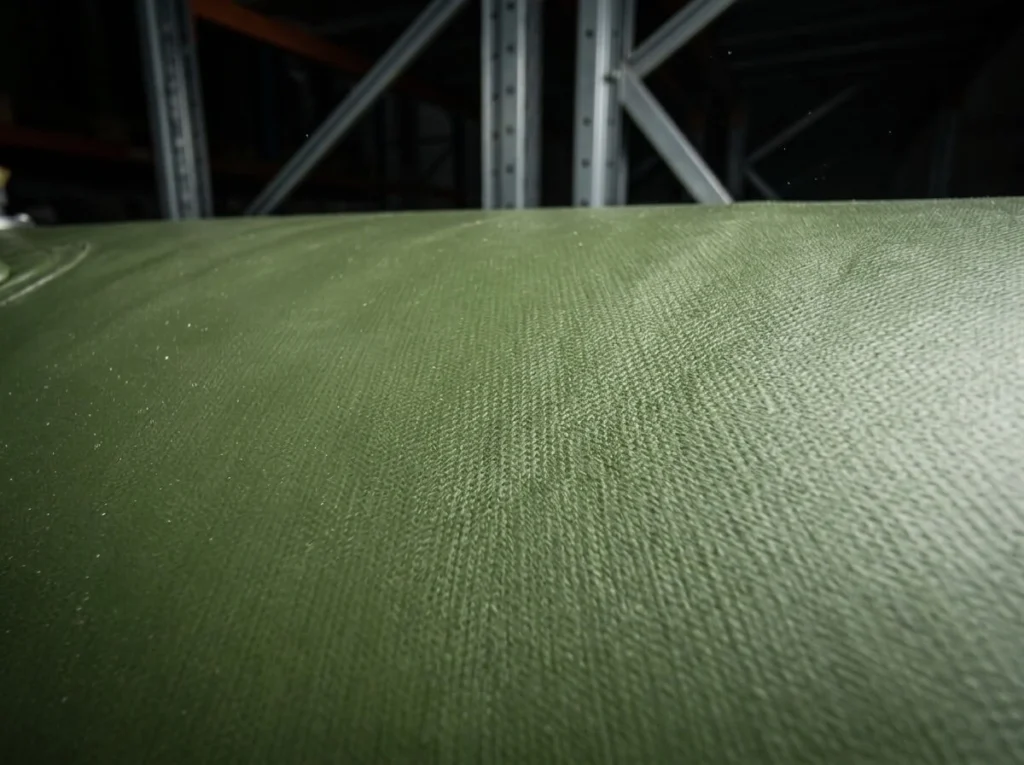
If you are managing procurement for massive off-grid operations, understanding the exact engineering metrics behind these collapsible systems is the key to optimizing your entire supply chain.
What are the fundamental differences between rigid fuel tanks and flexible bladders?
Relying on traditional steel tanks creates massive dead-weight shipping expenses. When transport space dictates baseline costs, rigid infrastructure becomes a severe financial liability. Let us compare the exact metrics.
The fundamental difference lies in logistical footprint and elasticity. Rigid tanks maintain a static volume, forcing you to pay to ship air. Flexible bladders collapse to less than 5% of full capacity, drastically reducing transport costs while maintaining identical hydrostatic pressure limits.
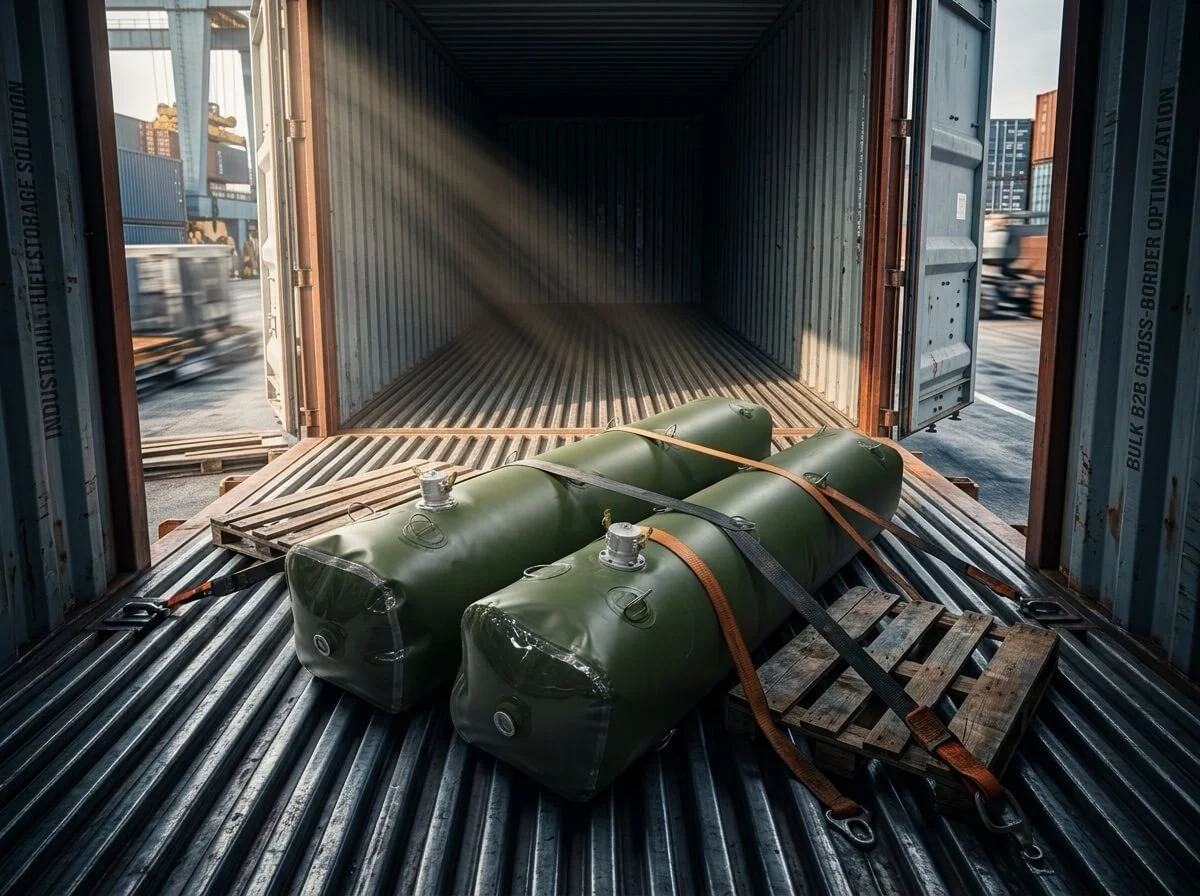
We frequently see project contractors burning capital on cross-border shipping1 for rigid steel fuel tanks. The core issue is packing efficiency. When evaluating procurement metrics, rigid infrastructure forces you to lease multiple shipping containers for mostly empty space. Flexible TPU bladders2 eliminate this dead-weight loss.
Let us break down the engineering reality through a structured comparison:
| Industrial Metric | Rigid Steel Tanks | Bancy TPU Fuel Bladders |
|---|---|---|
| Empty Shipping Volume | 100% of capacity (Shipping air) | < 5% of capacity (Flat packed) |
| Base Preparation | Expensive, leveled concrete pads | Basic leveled sand or earth |
| Deployment Speed | Days to weeks with heavy cranes | Minutes to hours, manual crew |
| Micro-fracture Risk | High under ground shifts | Zero (High Tensile Elasticity) |
Shipping Volume Optimization
A standard 20ft container can only hold a few rigid tanks. In contrast, dozens of custom-dimensioned flexible bladders3 can be palletized into the same space, minimizing transit damage and landed costs for international wholesale orders.
Base Preparation Costs
Rigid structures demand perfectly leveled, load-bearing concrete foundations to prevent structural shear. Flexible solutions dynamically conform to minor ground irregularities, requiring only a simple, debris-free sand base.
High-Tensile Agility
Cheap market standards often use low-grade PVC for fuel, which degrades rapidly. Direct-from-factory standards at Bancy Solutions utilize strictly industrial-grade TPU4, ensuring high fault tolerance without the rigid fragility.
Which industries rely on commercial-grade TPU fuel bladders the most?
Fuel starvation stalls multi-million dollar remote projects. Without immediate, scalable on-site energy reserves, heavy machinery stops, causing compounding logistical delays. Reliable, drop-and-go fluid management is absolutely non-negotiable.
Industries operating in remote or austere environments—such as heavy mining, infrastructure construction, and large-scale agricultural projects—rely on commercial-grade TPU fuel bladders. These sectors require rapid deployment and scalable hydrocarbon storage without waiting for permanent steel infrastructure construction to be completed.
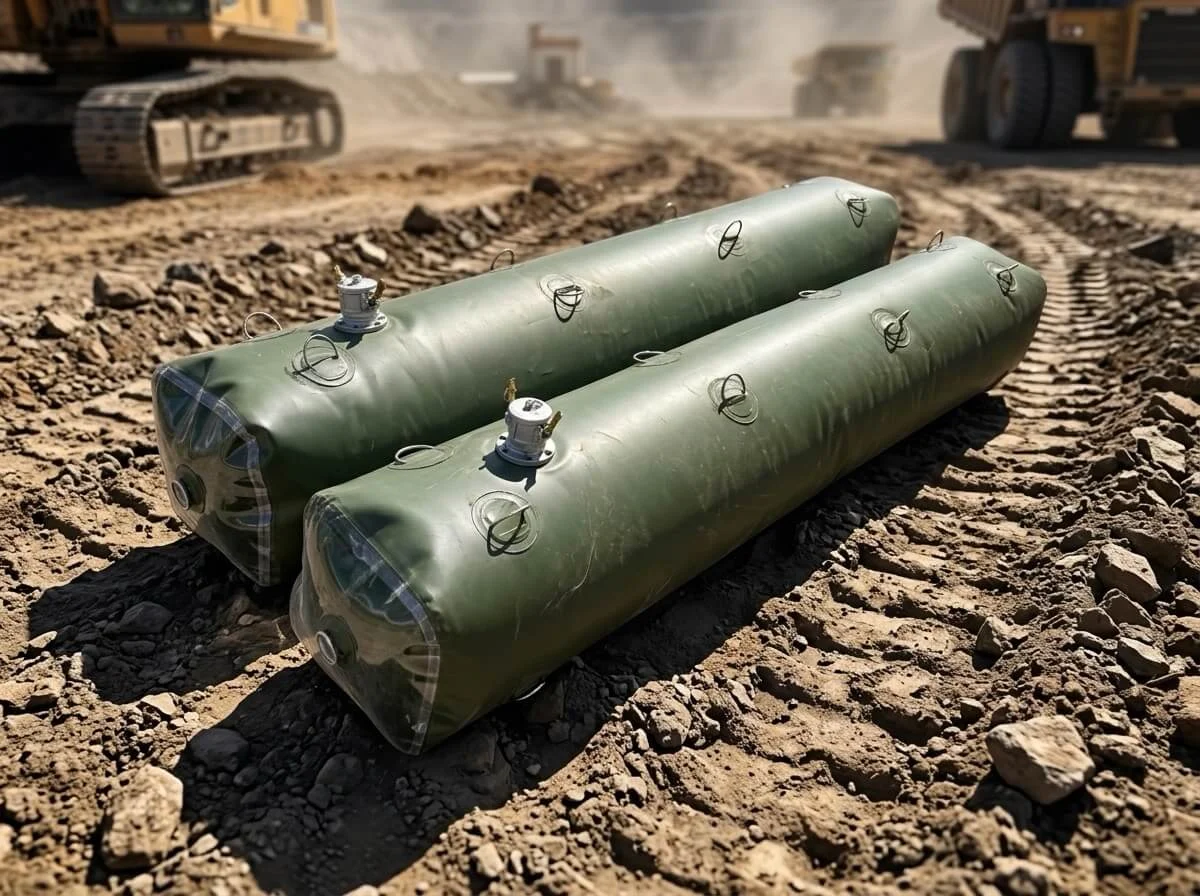
The operational continuity of an off-grid project depends heavily on rapid fluid deployment5. Standard rigid infrastructure simply cannot match the agility required by dynamic industrial sectors.
Mining and Remote Excavation
In deep-pit mining, excavation sites shift constantly. Dragging steel tanks across rugged terrain invites structural fatigue and joint failure. High-tensile TPU allows for rapid relocation, matching the fluid pace of extraction operations without structural compromise.
Commercial Agricultural Farms
Large-scale farm contractors powering off-grid generators or heavy tractors cannot wait months for permanent silos. They demand immediate, drop-and-go energy storage that can handle daily temperature swings without internal condensation issues.
Infrastructure Construction
For highway or dam projects stretching across miles, fuel depots must be strictly temporary but industrially robust.
Bancy B2B Solution Highlight: For agile operations requiring immediate energy reserves, we highly recommend integrating our 100-Gallon Fuel Bladder (TPU). It exemplifies the exact balance of rapid deployment and industrial-grade tear resistance required for heavy machinery support.
Choosing the right manufacturer ensures you are not just buying a container, but securing your entire remote energy supply chain against extreme environmental conditions.
How does double-layer welding prevent critical fuel leaks in extreme environments?
A single hydrocarbon leak incurs massive environmental fines and halts operations. Trusting cheap, single-welded seams under high hydrostatic pressure is a catastrophic and easily avoidable engineering mistake.
Double-layer welding prevents leaks by creating a redundant, reinforced seal at the bladder’s weakest stress points. Utilizing high-frequency thermal fusion on industrial TPU eliminates micro-tears, ensuring superior tear resistance and safely containing extreme internal hydrostatic pressure even under intense UV exposure.
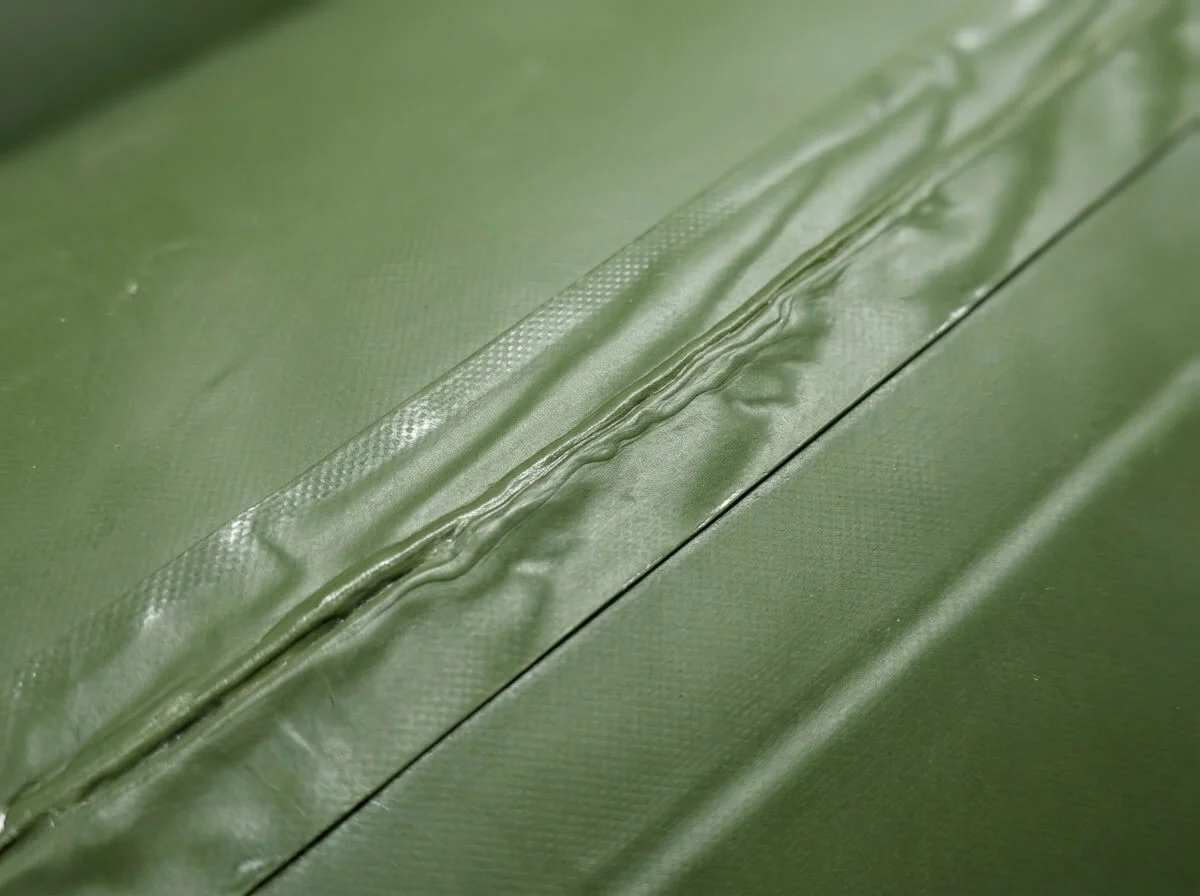
We once saw a client’s project fail because they sourced standard water bladders repurposed for diesel—using single-heat seams that ruptured under thermal expansion. When evaluating fuel containment, the welding methodology is just as critical as the textile itself.
The Mechanics of Redundant Sealing
Hydrostatic pressure targets the seams of any liquid container. Cheap market standards rely on single-pass heat seals, which are highly susceptible to shear stress. Bancy’s double-layer welding6 overlaps the TPU fabric, applying high-frequency thermal fusion that effectively turns two layers into one homogeneous, unbreakable bond. This yields a 99% reduction in leak probability.
TPU Polyether vs. Polyester Engineering
Industrial procurement demands material precision. You cannot use generic plastics. We strictly utilize TPU Polyester7 for diesel storage due to its exceptional hydrocarbon resistance, and TPU Polyether for gasoline to combat specific chemical degradation.
Bancy Factory Standards vs. Cheap Alternatives
When specifying your customized bulk orders, demand proof of seam architecture. The engineering behind our 100-Gallon Fuel Bladder (TPU) incorporates this exact double-layer welding protocol, ensuring your on-site energy reserves survive extreme temperature fluctuations and aggressive terrain without spilling a single drop.
What is the ROI of replacing heavy steel tanks with portable fuel bladders?
Inflated logistics budgets drain procurement funds. Sticking to outdated steel infrastructure means you are constantly overpaying for transit volume, installation labor, and heavy lifting equipment. Efficiency is required.
The ROI of portable fuel bladders is achieved through an 80% reduction in shipping volume, elimination of crane rental costs, and zero concrete base preparation. Additionally, agile manufacturing via rapid specification confirmations significantly accelerates production lead times, driving faster project mobilization.
Calculating the true landed cost of liquid storage requires looking beyond the raw material price. The Return on Investment (ROI)8 of commercial TPU fuel bladders becomes undeniably clear when you audit the logistical supply chain and installation metrics.
Eliminating Dead-Weight Shipping Volume
Cross-border shipping volume optimization is paramount. By packing flexible bladders flat, you maximize the container payload. This directly reduces the cost per gallon of stored fuel upon arrival, safeguarding your procurement budget.
Zero Heavy Machinery Installation
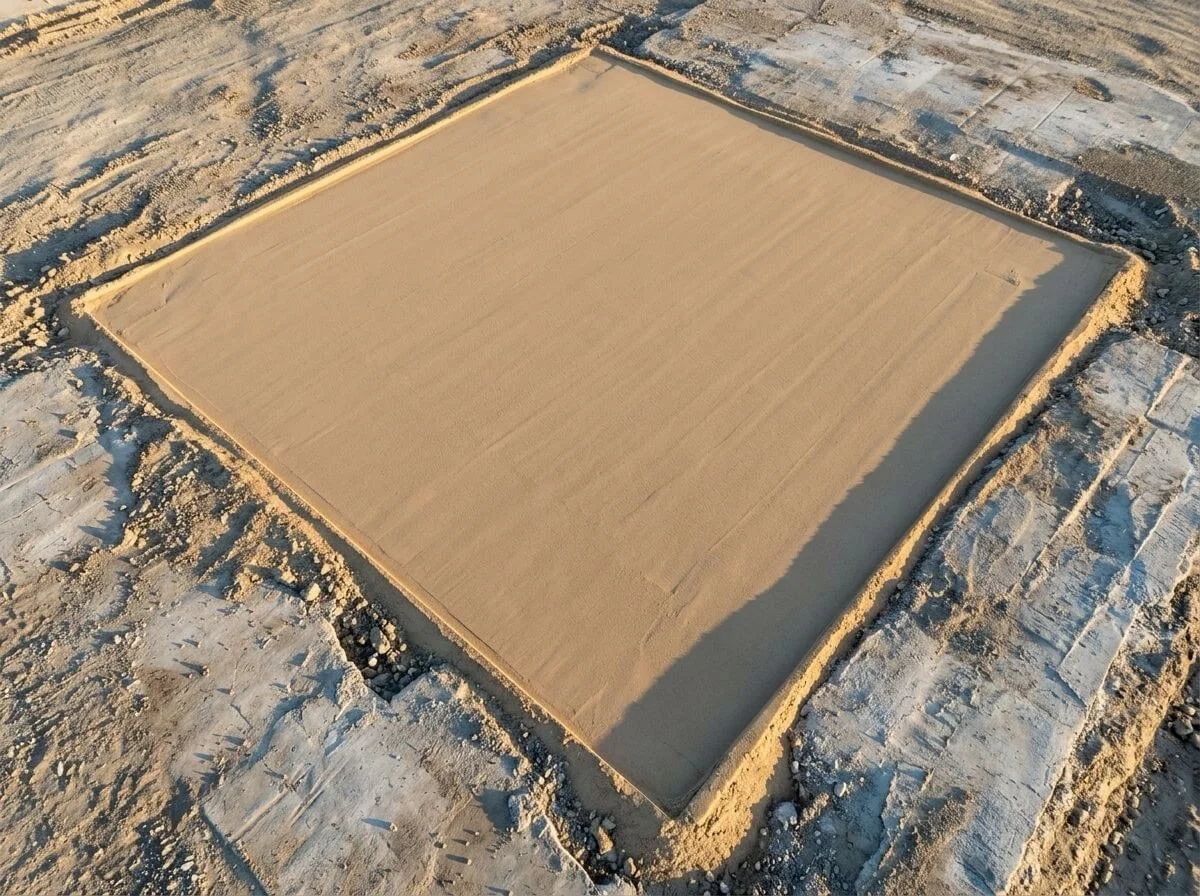
Steel tanks require heavy cranes for placement and expensive concrete pads to prevent ground-shear. Flexible fuel bladders require only a leveled sand base and can be deployed by a small manual crew, cutting installation overhead to almost zero.
Accelerating Lead Times via Simple Drawings
Time is capital. Unlike the rigid fabrication industry, agile manufacturing allows us to process custom dimensions and MOQs rapidly. At Bancy Solutions, we utilize rapid specification confirmations—what we call Simple Drawings—to bypass weeks of engineering bureaucracy. This highly efficient technical communication drastically accelerates production lead times, ensuring your customized bulk orders are on the water while competitors are still waiting on steel blueprints.
Conclusion
Upgrading to industrial TPU fuel bladders eliminates rigid shipping inefficiencies and catastrophic leaks. Partnering with a reliable direct manufacturer ensures scalable, high-strength liquid management for demanding commercial operations.
-
Understanding the challenges of cross-border shipping can help optimize logistics and reduce costs. ↩
-
Exploring the benefits of Flexible TPU bladders can reveal innovative solutions for efficient fuel storage. ↩
-
Explore how flexible bladders can optimize shipping efficiency and reduce costs. ↩
-
Learn about the advantages of industrial-grade TPU for durability and safety in fuel storage. ↩
-
Understanding rapid fluid deployment can enhance your off-grid project efficiency and adaptability in dynamic environments. ↩
-
Explore this link to understand how double-layer welding enhances fuel containment and reduces leak risks. ↩
-
Learn why TPU Polyester is crucial for diesel storage, offering superior hydrocarbon resistance and durability. ↩
-
Understanding ROI helps you evaluate the financial benefits of using TPU fuel bladders over traditional storage options. ↩