Are you worried about rising water bills and your impact on the environment? Rainwater harvesting is a simple way to save money and live a more sustainable life.
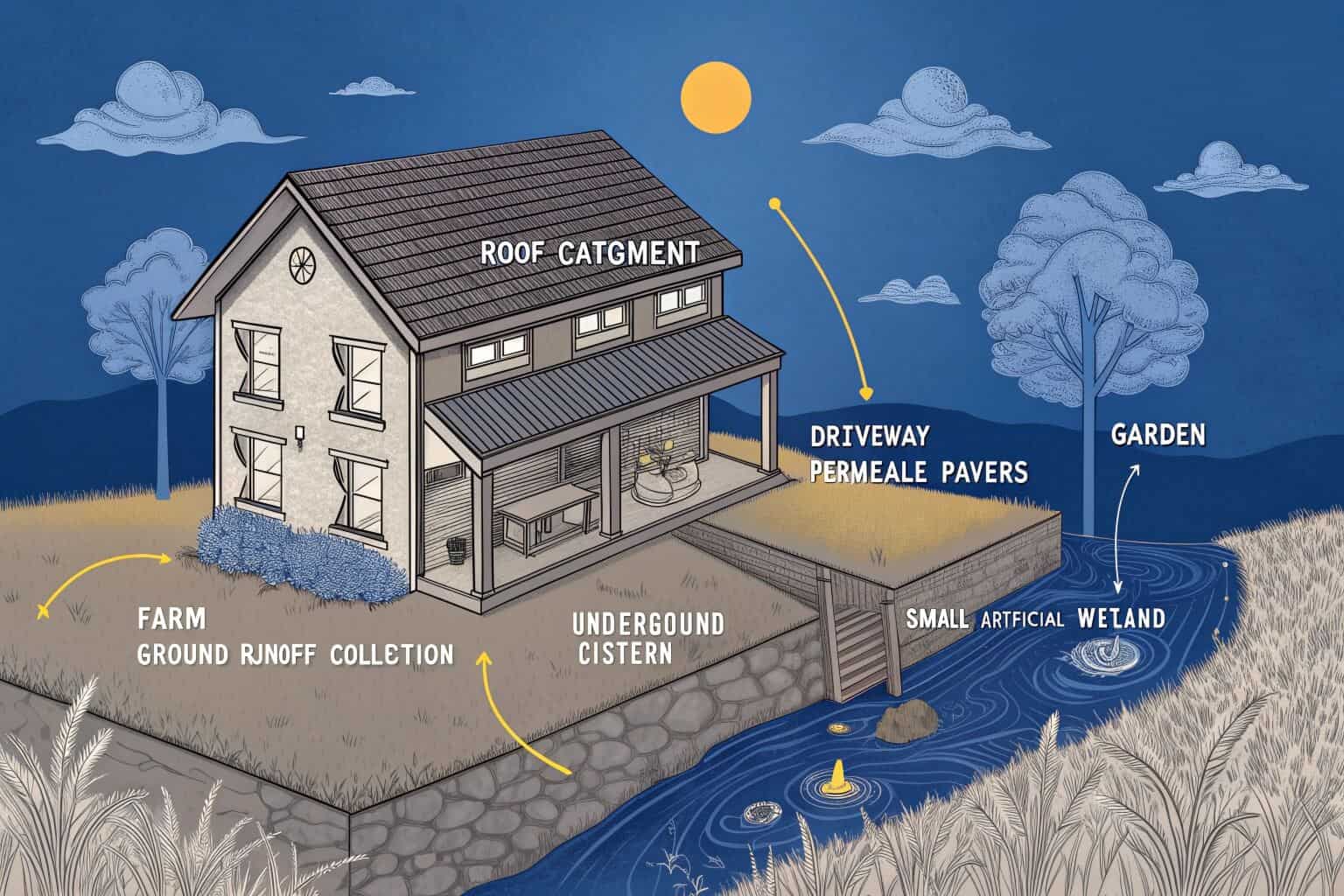
The seven main types of rainwater harvesting are roof catchment, ground runoff collection, underground storage, artificial wetlands, trench systems, rain gardens, and infiltration systems. Each method offers a unique way to capture and use this valuable resource, from simple home setups to large-scale agricultural projects.
As someone who has worked in the liquid packaging industry for years, I’ve seen rainwater harvesting grow from a niche hobby into a major part of sustainable living. It’s more than just putting a bucket under a drainpipe. It’s about creating a system that works for you, whether you have a small garden or a large farm. Understanding the different types is the first step to unlocking the potential of the rain that falls right on your property. Let’s explore these methods so you can find the perfect fit.
How many types of rainwater harvesting are there?
Feeling confused by all the different rainwater harvesting options out there? Choosing the wrong one can be a costly mistake. Let me help you understand the main types.
While there are seven core types of rainwater harvesting, many variations and hybrid systems exist. This means you can find a solution that is perfectly tailored to your property, climate, and water needs, from simple barrels to complex, integrated systems for farming or industrial use.
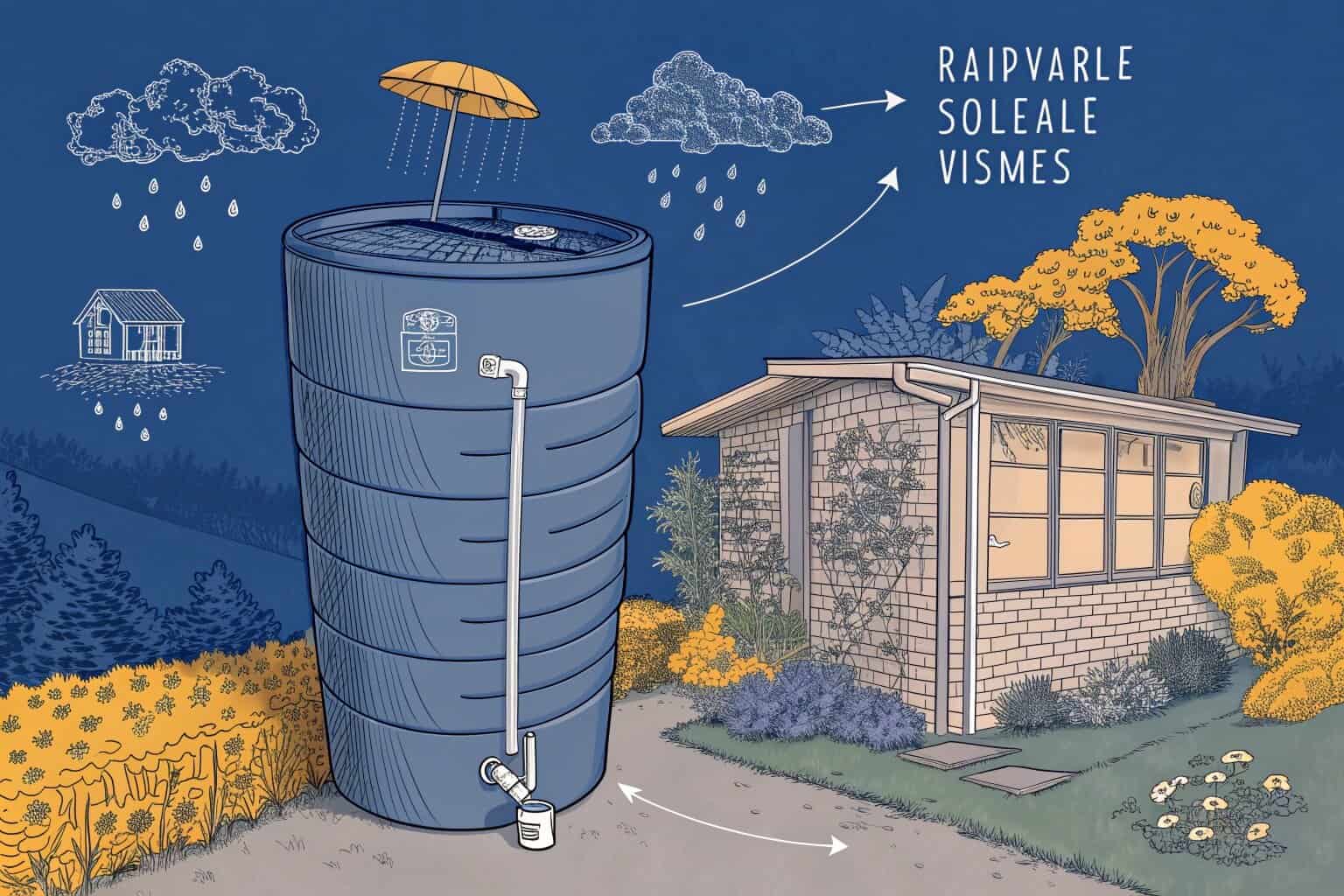
In my experience, the question isn’t just about how many types there are, but which type is right for the job. I’ve seen the industry evolve from basic roof collection to a whole ecosystem of options. The beauty of this is its flexibility. A client with a small urban garden has very different needs from a farmer looking to. The variety of systems allows us to solve unique water challenges1 for everyone. Let’s break down the main categories to see how they compare.
The Core Seven Methods
The seven primary methods form the foundation of modern. Each one is designed for a different scale and purpose, from simple roof catchment for homes to large-scale ground runoff collection for farms. Others, like rain gardens2 and trench systems, focus on recharging groundwater. For larger needs, underground storage and engineered wetlands3 provide robust solutions.
Comparing the Systems
To make it easier to choose, here is a simple table comparing these methods. It helps you see at a glance which system might be best for your needs, considering factors like complexity and maintenance. This is a great starting point for planning your project.
| Best For | Complexity | Maintenance | |
|---|---|---|---|
| Roof Catchment | Homes, Gardens | Low | Low |
| Ground Runoff | Farms, Large Areas | Medium | Medium |
| Underground Storage4 | Large-Scale Use | High | Low |
| Artificial Wetlands | Eco-Projects | High | Medium |
| Trench Systems | Groundwater Recharge | Medium | Low |
| [Rain Gardens5] | Home Landscaping | Low | Low |
| Infiltration Systems | Urban Areas | High | Low |
How long can harvested rainwater be stored?
Do you worry that the rainwater you collect will go bad before you can use it? Using dirty water can harm your plants and make surfaces dirtier than when you started.
Untreated rainwater can be stored safely for a few weeks. If you filter and store it in a sealed, dark container, it can last for months or even longer. The key is to keep it clean, cool, and protected from sunlight to prevent algae and bacteria growth.
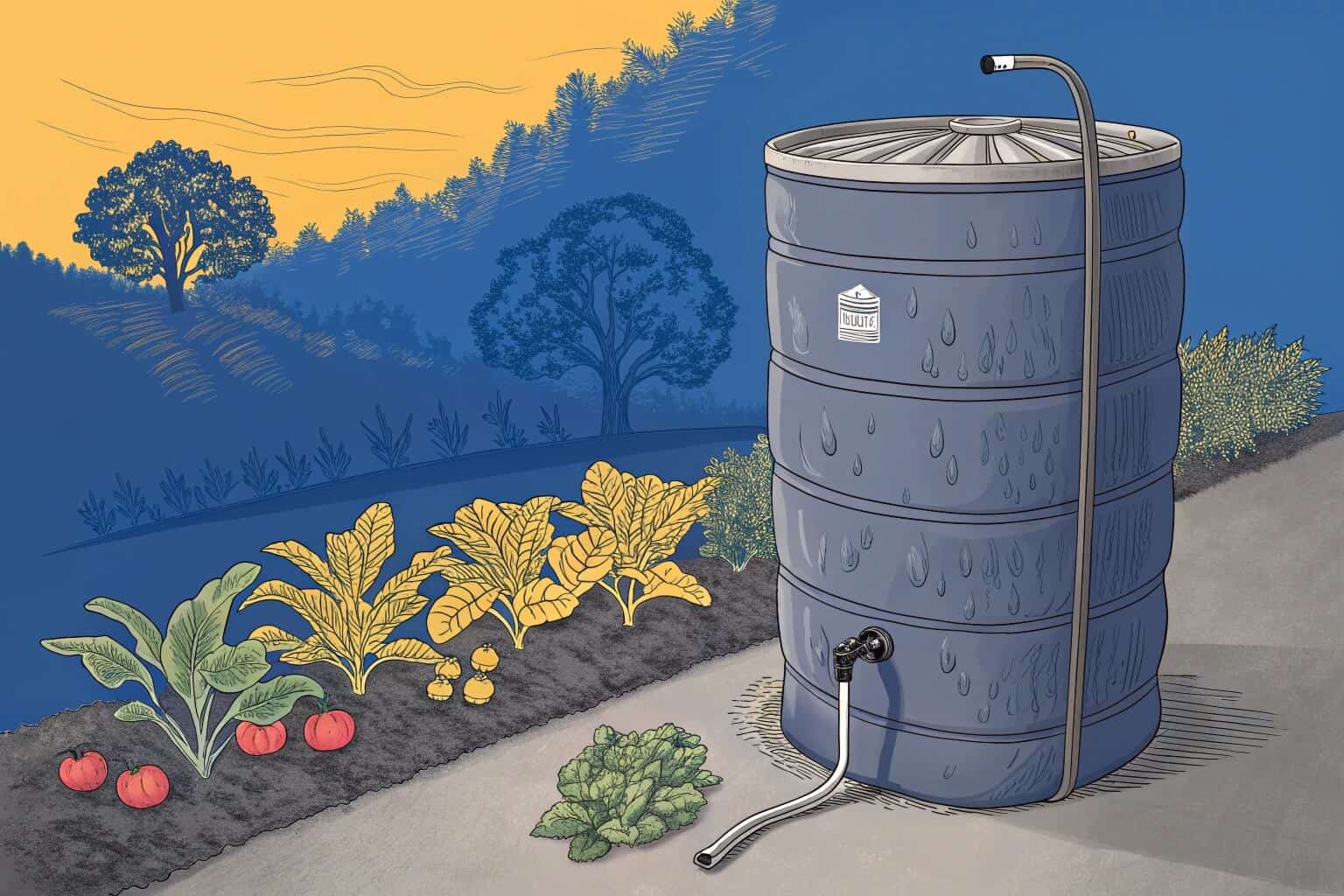
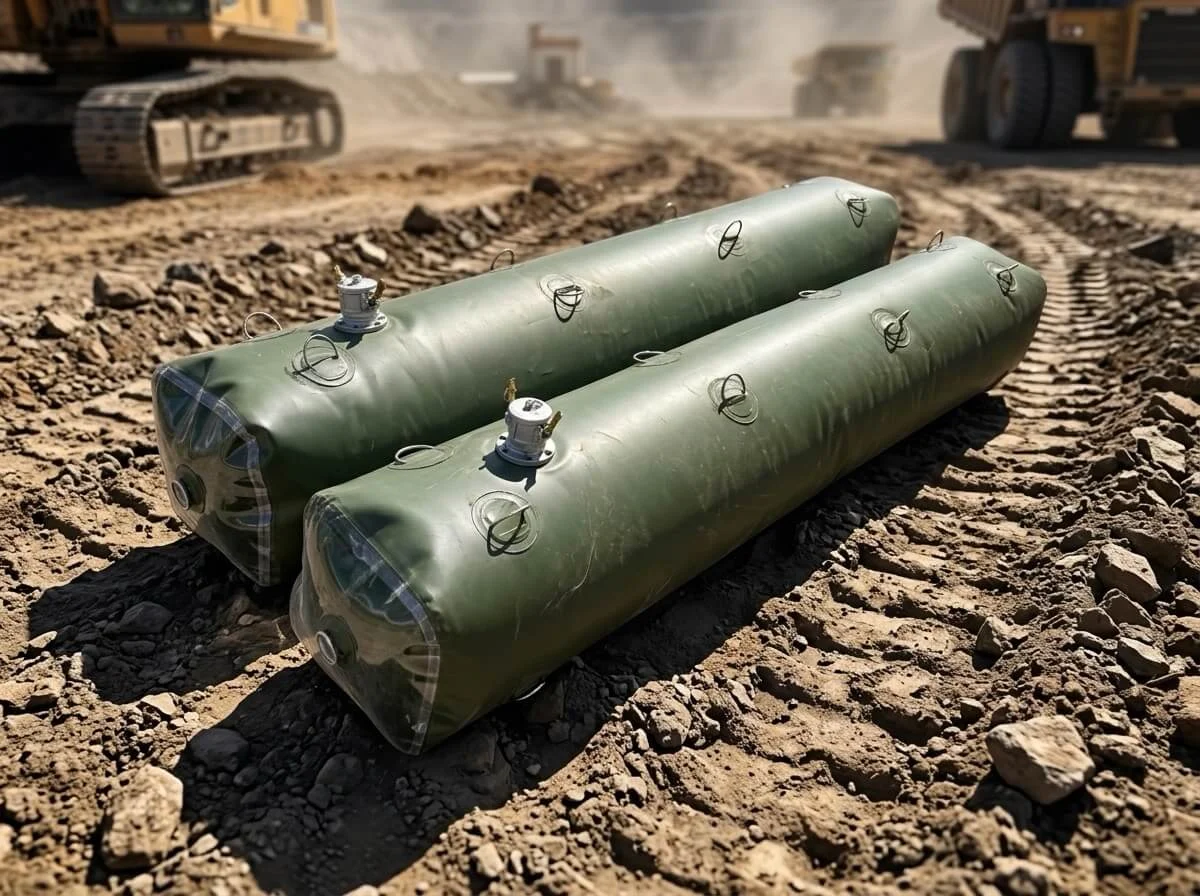
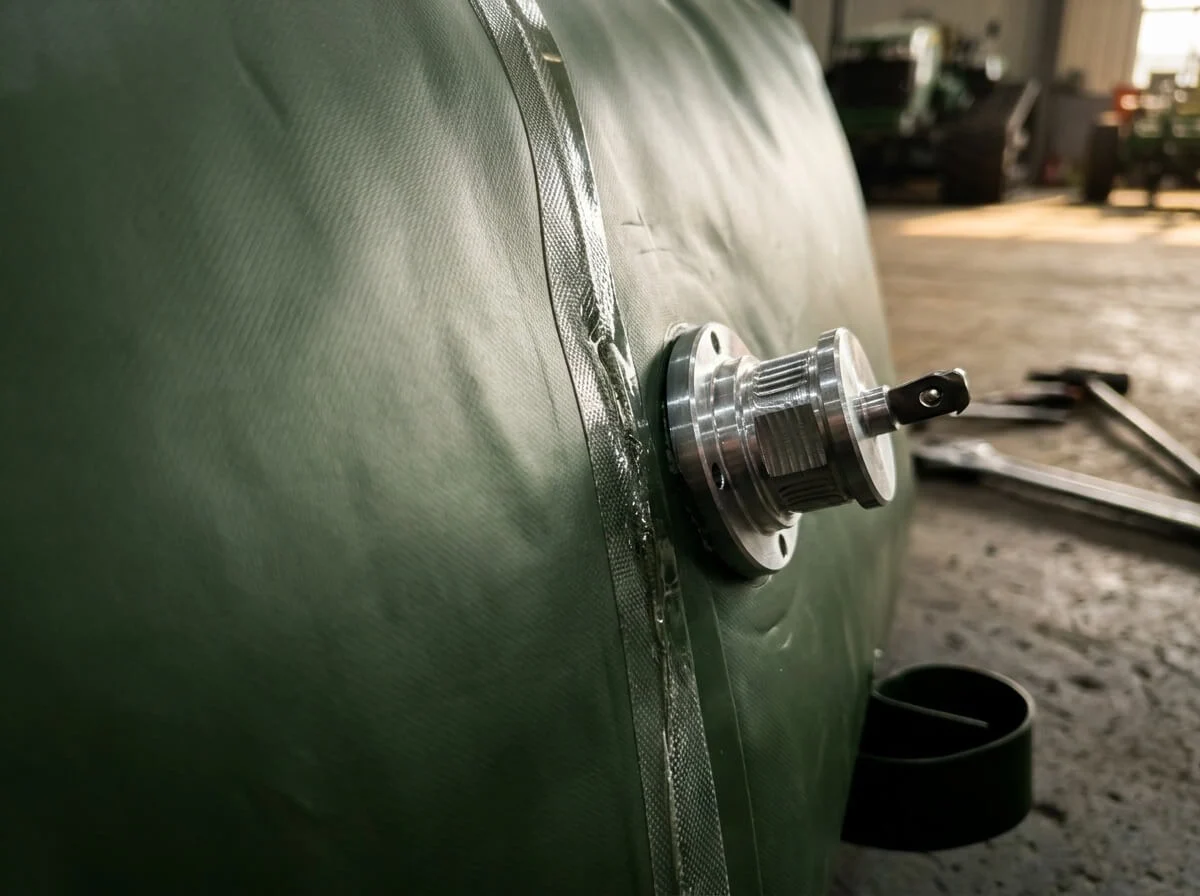
I often get asked about storage, and it’s a critical part of any harvesting system. The quality of your storage container6 makes all the difference. A simple open barrel might be fine for using water on your garden within a week, but for longer-term storage, you need something better. A sealed tank prevents pests and debris from getting in, and opaque material stops sunlight, which is what algae needs to grow. Through innovations in our field, like using high-strength PVC and advanced double-welding techniques, we can create flexible tanks that are both durable and excellent for keeping water fresh for extended periods.
Factors Affecting Water Quality
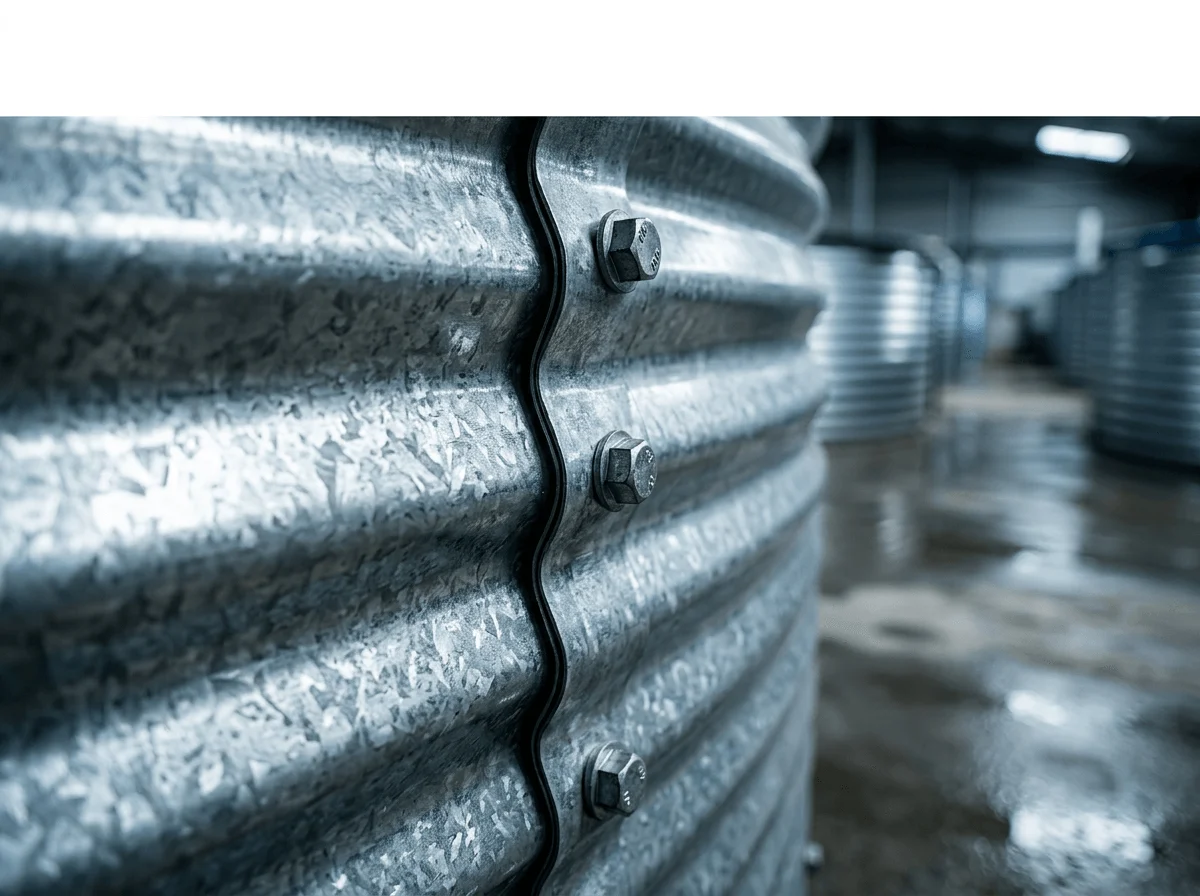
Several things determine how long you can store rainwater. A good filter on the inlet of your tank will remove leaves, twigs, and other debris. The container should be made of food-grade, opaque material7 that doesn’t leach chemicals. A tight-fitting lid8 is also essential to keep out sunlight and contaminants. Finally, storing the water in a cooler, shaded spot will slow down the growth of any microorganisms.
Improving Storage Time
If you want to store water for many months, you can take extra steps. For most gardening and cleaning tasks, simple filtration and a quality sealed tank are enough. For very long-term storage, some people use additional purification methods, but this is usually only necessary for specific situations. A well-maintained system will provide fresh water for a long time.
| Storage Method | Typical Duration | Best For |
|---|---|---|
| Open Barrel | 1-2 Weeks | Quick garden use |
| Sealed, Opaque Tank9 | 1-6 Months | General non-potable use |
| Filtered & Treated System | 6+ Months | Long-term backup |
What are the methods of rainwater harvesting?
Not sure how to actually get the water from the sky into your storage tank? It can seem technical and overwhelming, but it really comes down to two simple approaches.
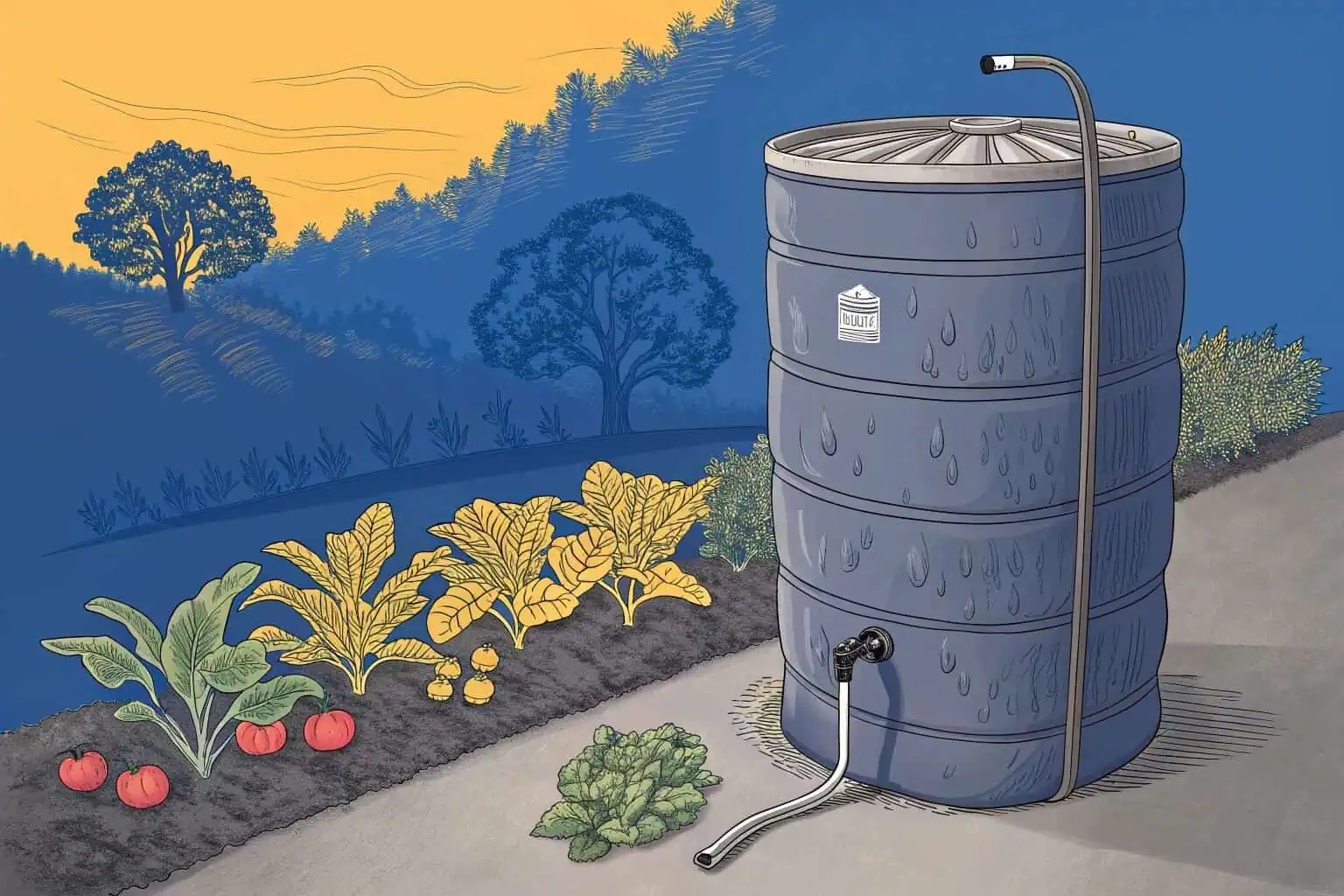
The two main methods of rainwater harvesting are passive and active. Passive systems use gravity to collect and move water, like a simple rain barrel. Active systems use pumps to move water to a storage tank or to where it’s needed, which is common in larger setups.
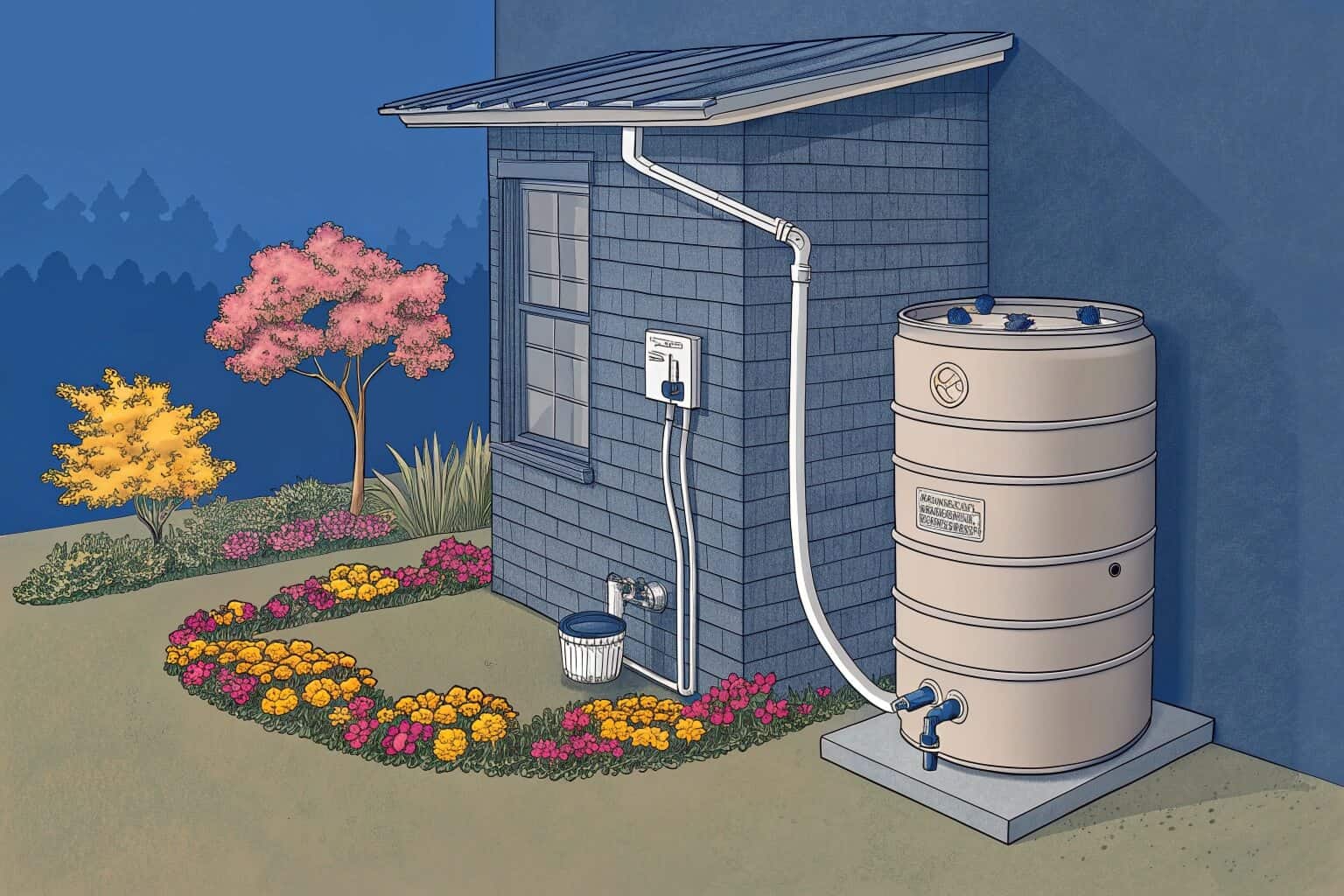
I’ve helped design both types of systems for all kinds of clients. A homeowner who just wants to water a few flower pots is perfectly happy with a passive, gravity-fed rain barrel10. It’s simple, cheap, and requires almost no maintenance. On the other hand, I’ve worked with farmers who need to irrigate several acres. For them, an active system11 is necessary. They collect water in a large underground tank and use a pump to distribute it to their crops. The choice depends entirely on how much water you need and what you plan to do with it.
Passive Collection Systems
Passive systems12 are the simplest way to start. They rely on gravity13, so no electricity is needed. Gutters on a roof channel water directly into a barrel or tank placed at a lower level. A spigot at the bottom of the barrel lets you access the water. This method is best for small-scale watering for gardens, potted plants, and basic cleaning tasks. It is inexpensive and easy to install.
Active Collection Systems
Active systems14 offer more power and flexibility. Water is collected and then moved using an electric pump15. The pump can move water from a low collection point to a large storage tank, or from the tank to your garden. This is best for large-scale irrigation, a whole-house non-potable water supply, or when the storage tank is far from the collection area. While it has a higher initial cost, it provides much greater utility.
| Feature | Passive System | Active System |
|---|---|---|
| Cost | Low | High |
| Energy Use | None | Low to Medium |
| Maintenance | Low | Medium |
| Application | Small Gardens | Large Farms, Homes |
What are the five steps of rainwater harvesting?
Want to set up your own rainwater harvesting system but don’t know where to begin? Fearing a mistake during installation can stop you from starting. Just follow this simple 5-step plan.
The five steps to start rainwater harvesting are: 1) Assess your location and needs, 2) Design the collection system, 3) Install filters and pipes, 4) Set up your storage container, and 5) Maintain the system by keeping it clean and checking it regularly.
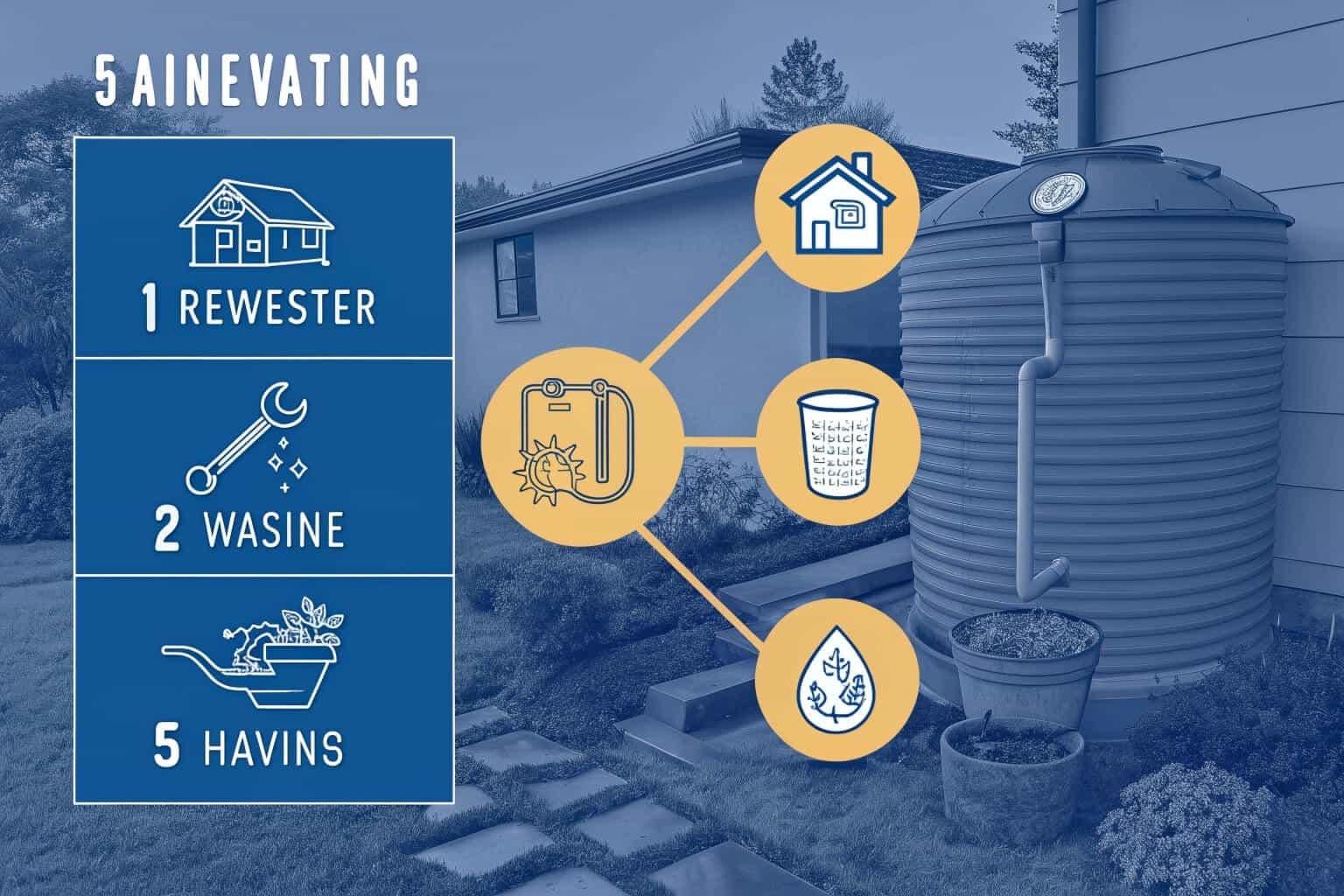
I guide my clients through this process every day. Breaking it down into these five steps makes it manageable and ensures nothing is overlooked. The most important part is the first step: planning16. Thinking about how much water you really need and where you can collect it from will determine the success of your entire project. A well-planned system, even a small one, is far more effective than a large, poorly designed one. Let’s walk through each step so you can feel confident starting your own project.
Step 1-2: Planning and Design
First, figure out what you want to use the water for. This will tell you how much water you need to store. Next, look at your collection surface, which is usually your roof. Based on this, design your system. Decide if a simple rain barrel17 will work or if you need a larger tank with a pump. Choose a stable, level location for your container, as close to a downspout as possible. This is where products like Bancy’s collapsible rain barrels18 are great, as they are easy to place.
Step 3-5: Installation and Maintenance
Good filtration is key to clean water. Install a mesh screen to catch leaves and a "first-flush" diverter to direct the dirtiest water away. Then, connect the pipes to your storage tank. Place your barrel or tank and ensure the overflow is directed away from your foundation. Regular maintenance19, like cleaning gutters and filters, will keep your system working well and your water clean for years to come.
| Task | Frequency | Purpose |
|---|---|---|
| Clean Gutters | Twice a year | Prevents clogs and debris in tank |
| Check Screens/Filters | Monthly | Ensures clean water and good flow |
| Clean Tank20 | Annually | Removes any sediment or algae |
Conclusion
Rainwater harvesting is a practical and powerful way to conserve water. By understanding the types, storage methods, and steps, you can build a system that benefits your wallet and the planet.
- This resource will offer innovative solutions and strategies to tackle water-related issues in farming. ↩
- Explore the advantages of rain gardens in managing stormwater effectively and enhancing local ecosystems. ↩
- Learn how engineered wetlands can enhance water quality and support diverse wildlife habitats. ↩
- Learn about Underground Storage systems and their efficiency for large-scale water management projects. ↩
- Explore the benefits of Rain Gardens to enhance your home landscaping and improve water management. ↩
- Explore this link to discover various storage container options that enhance the efficiency of your harvesting system. ↩
- Understanding the importance of food-grade materials ensures safe rainwater storage, protecting your health. ↩
- Learn how a tight-fitting lid can prevent contamination and maintain the quality of your stored rainwater. ↩
- Discover the advantages of a Sealed, Opaque Tank for effective water storage and its applications. ↩
- Explore the advantages of using a passive, gravity-fed rain barrel for efficient and low-maintenance watering solutions. ↩
- Learn about active irrigation systems to understand their efficiency and necessity for larger agricultural needs. ↩
- Explore this link to understand how passive systems can simplify water collection and save energy. ↩
- Learn about the role of gravity in passive systems and how it enhances efficiency in water management. ↩
- Explore the advantages of Active systems for irrigation to understand their power and flexibility in water management. ↩
- Learn about the functionality of electric pumps in irrigation systems to see how they enhance water movement and efficiency. ↩
- Exploring this resource will provide you with essential strategies to enhance your planning skills, ensuring project success. ↩
- Explore the advantages of rain barrels for sustainable water collection and conservation. ↩
- Learn about the functionality and convenience of collapsible rain barrels for efficient water storage. ↩
- Learn why regular maintenance is crucial for ensuring clean water and prolonging the lifespan of your filtration system. ↩
- Explore this resource to learn effective techniques for maintaining a clean tank, ensuring safe and pure water. ↩