
Struggling to understand the key players in the global ornamental fish trade? The complex flow of imports and exports can be confusing, leaving you behind on market trends.
The United States is the largest single importer of ornamental fish globally. In 2023 alone, the U.S. imported approximately $83 million worth of these aquatic pets, highlighting its significant role in driving the worldwide demand for ornamental fish from various exporting nations.
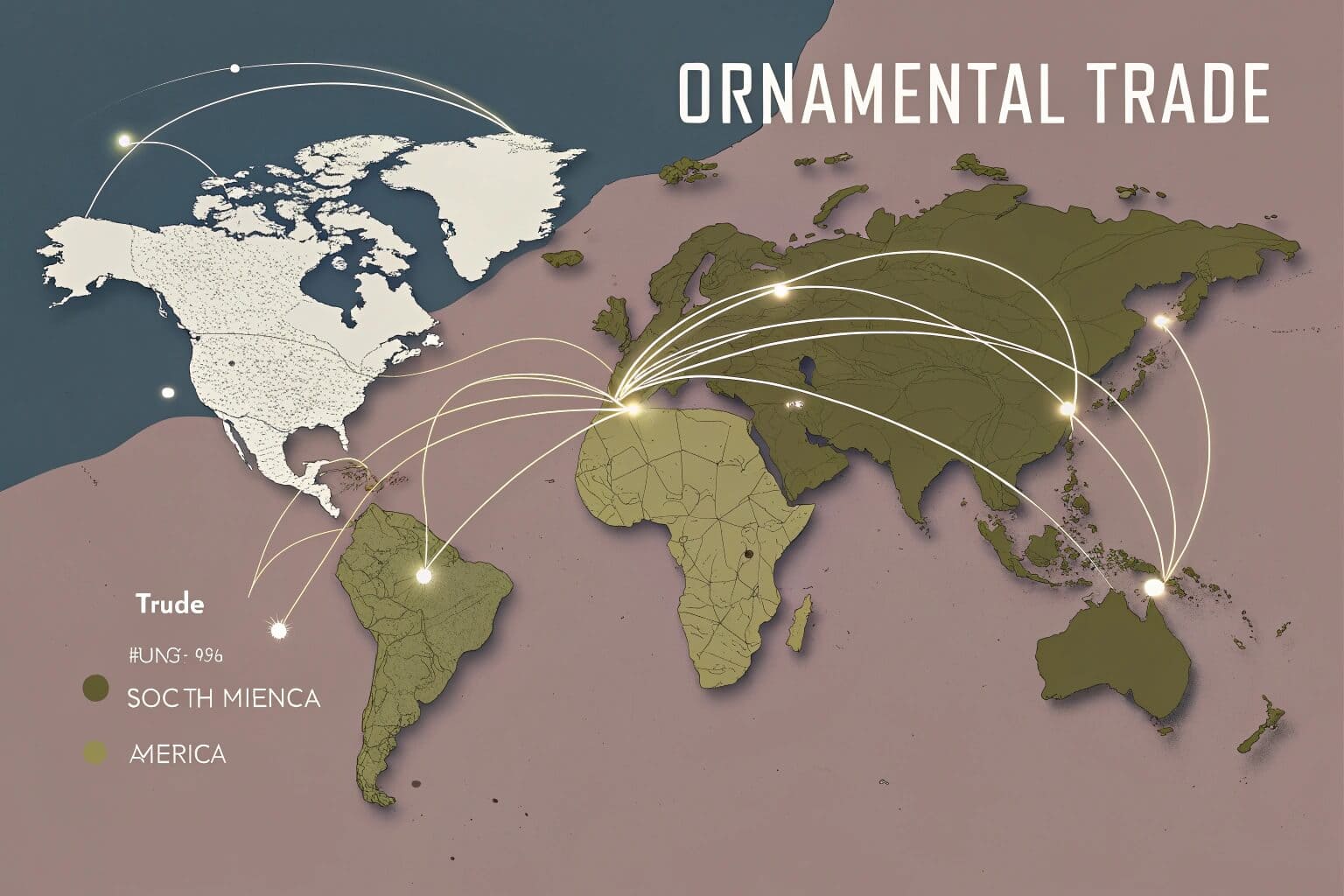
While knowing the biggest buyer is a great start, the global ornamental fish trade is a much bigger story. To really get the picture, we need to look at the other side of the coin: the exporters who supply this massive market. Let’s explore where these beautiful fish actually come from.
Who is the largest exporter of ornamental fish in the world?
Curious about where your aquarium fish originate? The global supply chain is dominated by a few key regions, and understanding them is vital for anyone in the industry.
Asia stands as the dominant force in exporting ornamental fish. Countries like Indonesia, Japan, Thailand, and Singapore lead the pack, leveraging advanced aquaculture techniques and rich biodiversity to supply the majority of fish to international markets, including the top importer, the United States.
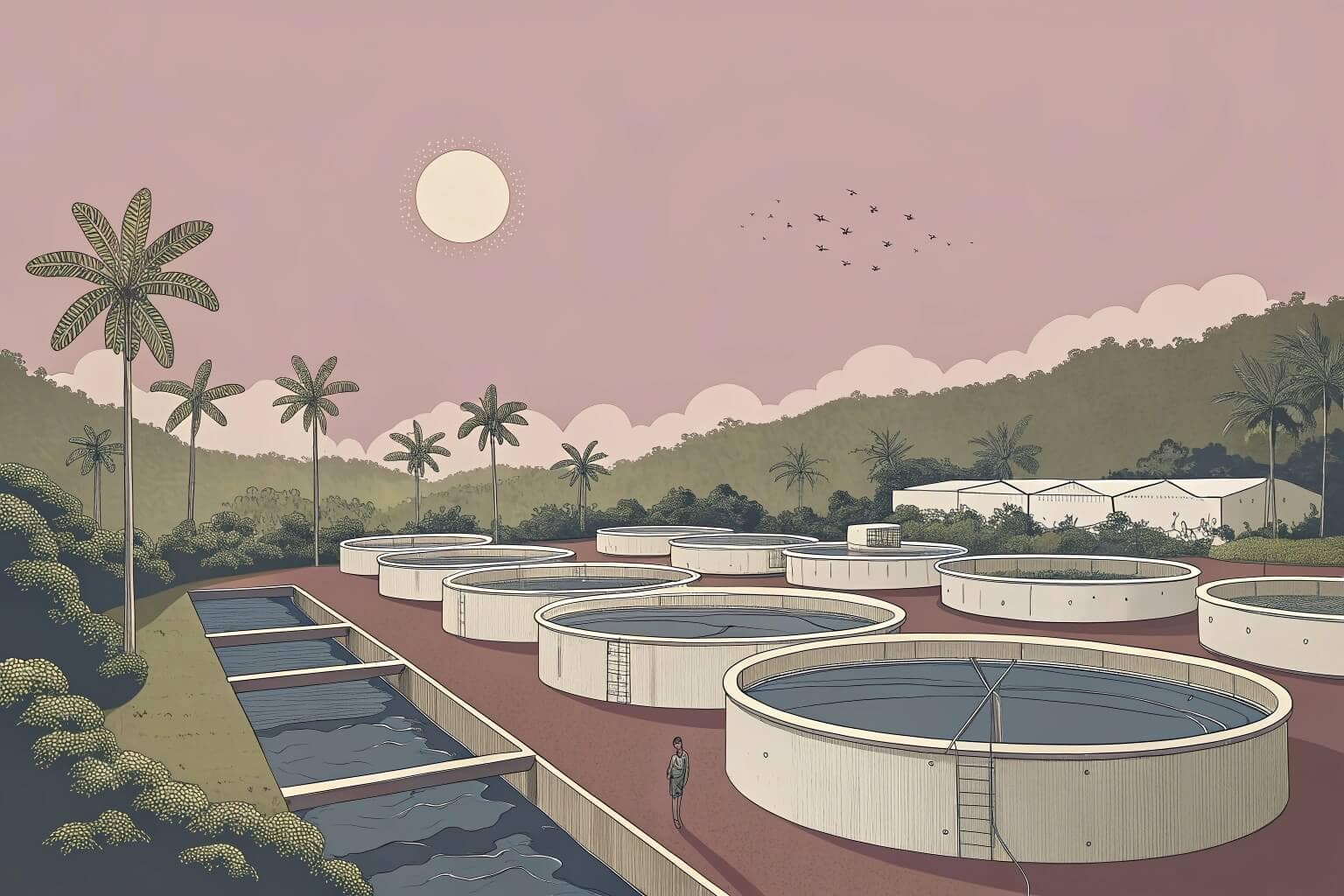
When I look at the global trade map, it’s clear that Asia is the powerhouse of ornamental fish exports1. This isn’t just a coincidence; it’s the result of several key factors coming together.
Why Asia Dominates the Export Market
I believe Asia’s leadership stems from a combination of natural advantages and human innovation. For instance, the region’s tropical climate is perfect for breeding a wide variety of species. Countries in Southeast Asia, like Indonesia and Thailand, have access to incredible biodiversity2, which allows them to supply a vast range of both freshwater and marine fish. On top of that, there has been a significant investment in aquaculture technology3. Japan, for example, is famous for its high-quality Koi carp, a result of centuries of selective breeding and perfected farming methods. This technological edge allows for consistent production, which is crucial for meeting global demand.
The Role of Different Asian Countries
It’s also interesting to see how different countries specialize.
| Country | Specialization | Key Factor |
|---|---|---|
| Indonesia | Marine & Freshwater Species4 | Rich biodiversity and wild-caught supply |
| Japan | High-Value Koi Carp5 | Advanced breeding techniques |
| Thailand | Betta Fish & Goldfish | Large-scale commercial farming |
| Singapore | Transit & Re-export Hub | Excellent logistics and infrastructure |
This specialization creates a robust and diverse supply chain. As an observer, I see this as a smart strategy that makes the entire region resilient. If one country faces challenges, others can often fill the gap, ensuring a steady flow of ornamental fish to the world.
Where do most of the imported ornamental fish come from?
Ever wonder about the journey your fish took to get to the pet store? The answer reveals a complex global network that is both fascinating and facing serious challenges.
The vast majority of imported ornamental fish, especially marine species, are sourced from the wild. I’ve seen estimates that over 90% of saltwater aquarium fish are wild-caught, primarily from the coral reefs of Southeast Asia. This practice raises significant environmental and sustainability questions for the industry.
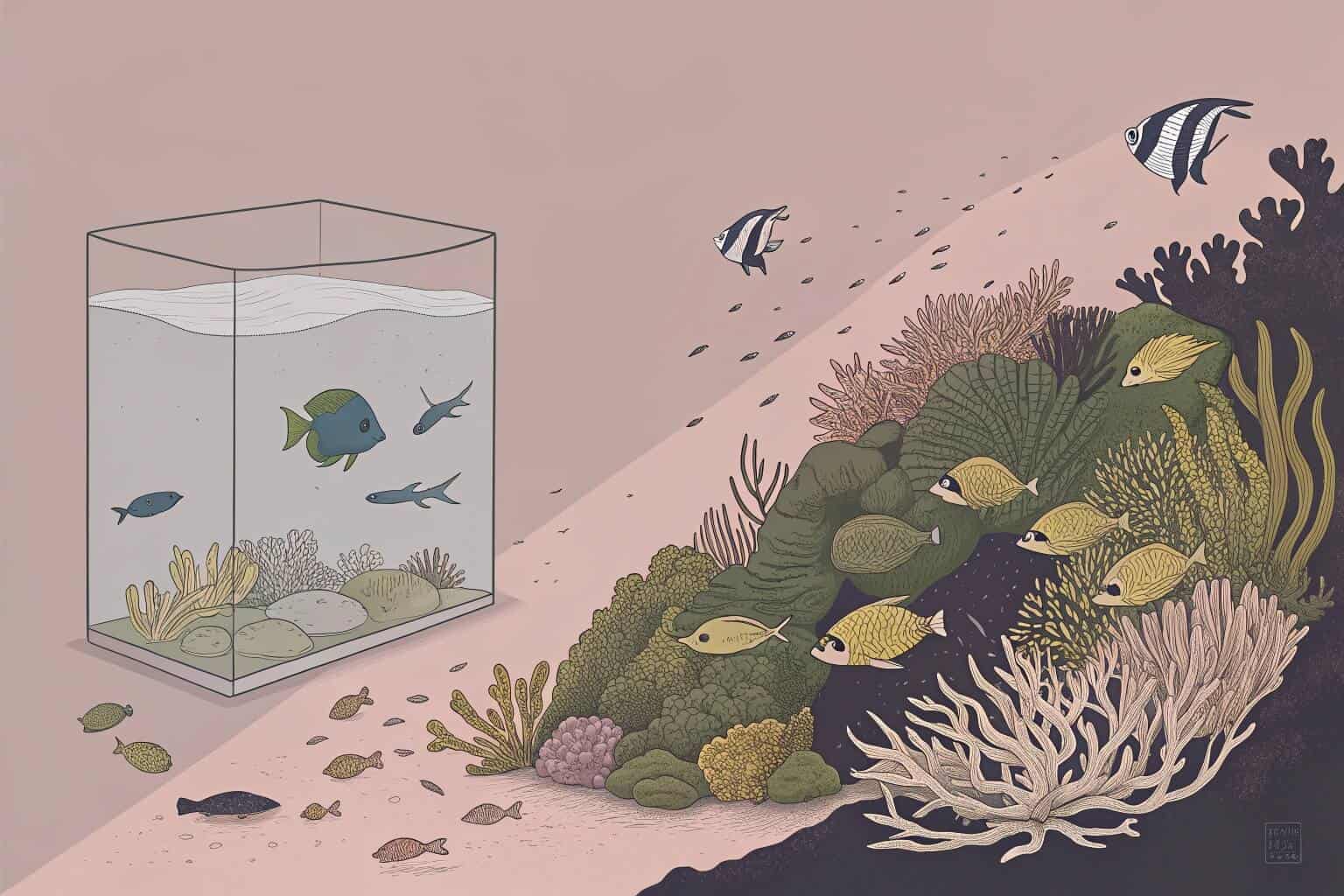
The origin of ornamental fish6 is a topic I’m passionate about because it touches on the core issue of sustainability. While many freshwater fish are now bred in captivity, the saltwater side of the hobby still heavily relies on wild collection.
The Wild-Caught Dilemma
The main reason for this reliance is that breeding many marine species7 in captivity is incredibly difficult. The environmental conditions of a coral reef are hard to replicate, and the larval stages of many fish are delicate and have complex needs. As a result, it’s often cheaper and easier to collect them directly from the ocean. However, this comes at a cost. I worry about the impact of over-collection on fragile ecosystems like coral reefs. Practices like cyanide fishing8, though illegal in many places, still happen and cause widespread damage. This is why international bodies like CITES (the Convention on International Trade in Endangered Species of Wild Fauna and Flora) are increasing their scrutiny.
The Shift Towards Aquaculture
Fortunately, I’m seeing a positive shift in the industry. There’s a growing movement towards aquaculture, or fish farming, for ornamental species. This is where companies like mine, Bancy, can play a role. We provide the essential infrastructure, like our durable and customizable fish tanks9, that makes large-scale breeding possible. By creating controlled environments, breeders can produce healthier fish more sustainably. This transition not only protects wild populations but also creates a more stable and predictable supply chain, free from the uncertainties of wild collection. It’s a win-win for the environment and the economy. Here is a comparison of the two methods:
| Feature | Wild-Caught | Aquaculture |
|---|---|---|
| Sustainability | Can lead to over-collection and ecosystem damage | Sustainable and reduces pressure on wild populations |
| Consistency | Supply can be unpredictable due to weather and regulations | Consistent and reliable supply chain |
| Health | Fish may be stressed or carry diseases | Healthier, disease-free fish in controlled environments |
| Cost | Initially cheaper but with long-term environmental costs | Higher initial investment but more cost-effective long-term |
This table clearly shows the advantages of aquaculture10, and I am proud that Bancy is contributing to this positive change in the industry.
What is the global trade of ornamental fish?
The numbers behind the ornamental fish trade can be surprising. It’s a multi-billion dollar industry, but the value of the fish themselves tells only part of the story.
The direct global trade of ornamental fish was valued at around $350 million in 2023. However, this figure is just the tip of the iceberg. It doesn’t include the wider market for aquariums, equipment, food, and accessories, which pushes the total industry value much higher.
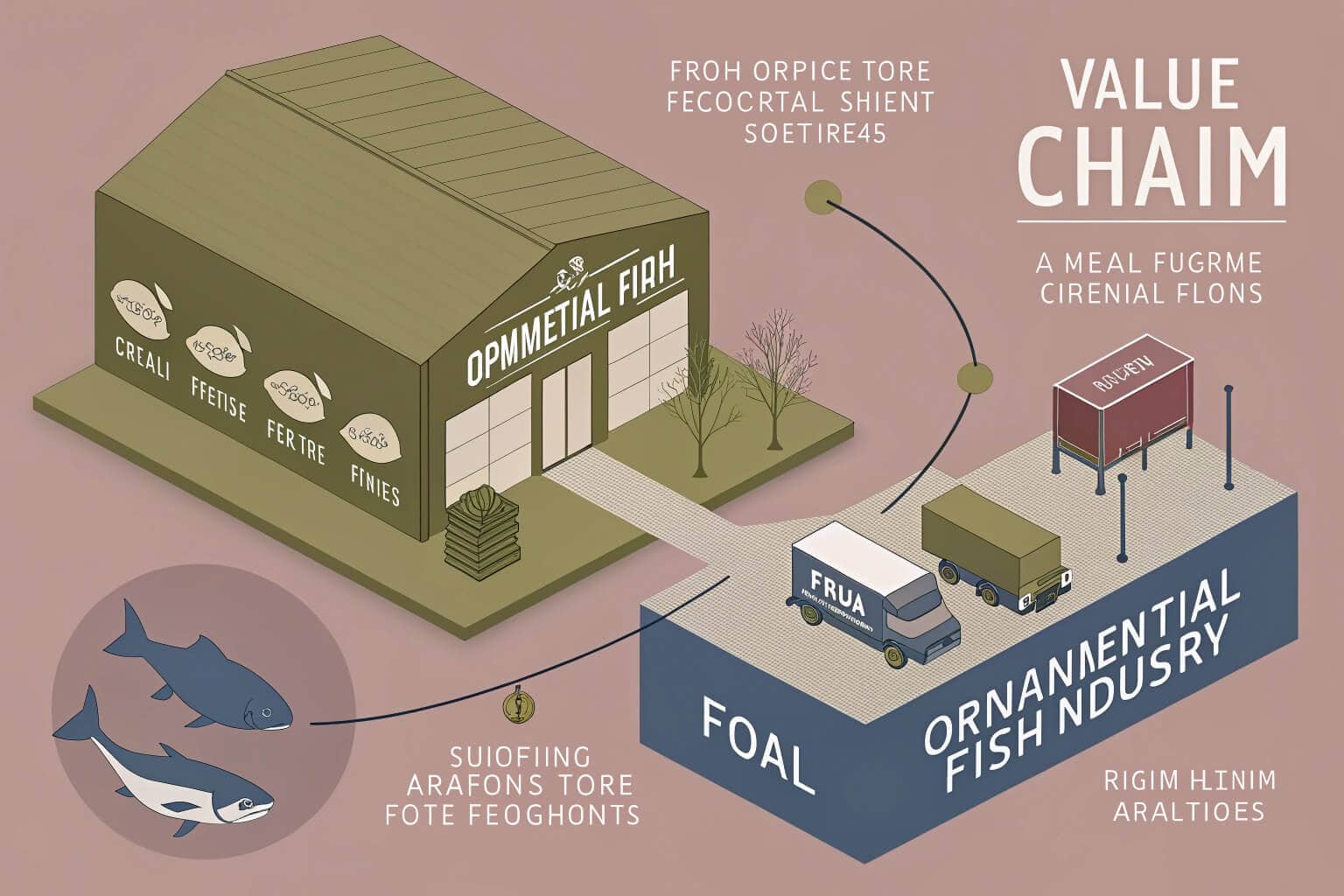
When I analyze the global trade, I find it helpful to distinguish between the trade value of the live animals11 and the total market value of the industry. The $350 million figure represents the export value of the fish themselves. But the real economic impact is much larger.
Beyond the Fish: The Ancillary Market
Think about everything needed to support a home aquarium12. There’s the tank, filters, lighting, heaters, decorations, fish food, and water treatments. This ancillary market is where the bulk of the money is made. My company, Bancy, operates in this space by providing high-quality tanks. The growth in fishkeeping as a hobby13 directly fuels the demand for these products. For every dollar spent on a fish, several more are spent on the equipment to house it. This is why I believe the industry’s total value is estimated to be over $7 billion.
Trade Challenges and Geopolitics
The trade is not without its challenges. Geopolitical events can have a significant impact. For example, the trade tensions between the U.S. and China have led to tariffs of 32-54% on some imported fish and aquarium products. This increases costs for importers and, ultimately, for consumers. Such uncertainty pushes the industry to diversify its supply chains. I’ve noticed that importers are now looking more towards emerging export countries like Vietnam to avoid being too reliant on a single source. This is a smart move that helps mitigate risks from trade disputes or other disruptions like pandemics. Here is a look at some of the key challenges:
| Challenge | Description | Impact on Bancy’s Customers |
|---|---|---|
| Tariffs & Trade Wars14 | Increased taxes on imported goods | Higher operational costs for importers and distributors |
| Logistical Disruptions15 | Delays in shipping due to pandemics or conflicts | Need for reliable, local holding solutions like our tanks |
| Regulatory Changes | Stricter rules on animal transport and sourcing | Demand for compliant and biosecure aquaculture systems |
These challenges highlight the need for a resilient and adaptable supply chain, which is something we at Bancy are committed to supporting.
What is the market for ornamental fish?
Thinking the ornamental fish market is just for hobbyists? The reality is a dynamic, growing ecosystem projected to be worth billions, driven by powerful global trends.
The global market for ornamental fish is projected to exceed $7 billion by 2025 and could reach up to $14 billion by 2033, with a compound annual growth rate of 7-8%. This expansion is fueled by the rising popularity of pet ownership and e-commerce.

I’ve been watching the ornamental fish market for years, and its growth trajectory is impressive. It’s evolving from a niche hobby into a mainstream part of the global pet industry16.
Key Drivers of Market Growth
Several factors are fueling this expansion. The most significant, in my opinion, is the overall trend of humanization of pets17. People are increasingly looking for companionship from animals, and fish offer a quiet, beautiful, and low-maintenance option. The rise of e-commerce18 has also been a game-changer. Online platforms make it easier than ever for hobbyists to buy fish and supplies from all over the world. Furthermore, I see a growing middle class in developing countries as a huge potential market. As disposable income rises, so does spending on leisure activities like fishkeeping.
Future Opportunities and Expansion
I am optimistic about the future. I believe the market will expand beyond just the pet trade. There are growing opportunities in education, scientific research19, and even ecological restoration20 projects. For example, aquariums in schools can be powerful teaching tools. Scientists use certain fish species as models for genetic research. And some conservation projects breed endangered fish in captivity for re-release into the wild. My vision for Bancy is to support all these areas by providing reliable and specialized aquatic systems. The key to success will be staying adaptable and using data to understand and meet the needs of this diversifying market. Here are some of the exciting growth areas I see:
| Opportunity | Description | How Bancy Can Contribute |
|---|---|---|
| Education | Aquariums in schools and public spaces | Providing safe, easy-to-maintain tanks for learning |
| Scientific Research | Using fish as models for genetic and medical studies | Custom-built, sterile environments for controlled experiments |
| Conservation | Breeding endangered species for re-release | Large-scale, specialized habitats for breeding programs |
By tapping into these new markets, the ornamental fish industry can continue to grow and have a positive impact beyond the hobbyist community.
Conclusion
In summary, the ornamental fish trade is a complex, growing global industry. While facing sustainability challenges, the shift towards aquaculture and new technology offers a bright and responsible future for all.
- Understanding these factors can provide insights into the booming market and its global impact. ↩
- Exploring this link will provide insights into how biodiversity supports economies and ecosystems in Southeast Asia. ↩
- This resource will shed light on the advancements in aquaculture technology that enhance fish farming practices in Asia. ↩
- Exploring this link will provide insights into the ecological and economic advantages of these species in aquaculture. ↩
- This resource will help you understand the significance and market dynamics of Koi Carp in the ornamental fish industry. ↩
- Understanding the origins of ornamental fish can help you appreciate their role in sustainability and conservation efforts. ↩
- Understanding the challenges of breeding marine species can help in conservation efforts and sustainable practices. ↩
- Exploring the effects of cyanide fishing will shed light on its environmental impact and the importance of sustainable fishing practices. ↩
- Discover the top fish tanks designed for aquaculture, ensuring healthier fish and optimized breeding environments. ↩
- Explore this link to understand how aquaculture benefits the environment and economy, promoting sustainable fish farming practices. ↩
- Understanding the trade value of live animals can provide insights into the economic significance of this sector. ↩
- Explore this link to understand the key elements needed for a successful home aquarium setup. ↩
- Discover insights into the growing trend of fishkeeping and its appeal to enthusiasts. ↩
- Understanding tariffs and trade wars is crucial for navigating the complexities of global trade and making informed business decisions. ↩
- Exploring the impact of logistical disruptions can help businesses develop strategies to enhance supply chain resilience and efficiency. ↩
- This resource will provide insights into the evolution of the global pet industry, highlighting the role of ornamental fish in this growth. ↩
- Understanding the humanization of pets can provide insights into changing consumer behaviors and market trends. ↩
- Exploring the impact of e-commerce on the pet industry reveals how online shopping is transforming consumer access and choices. ↩
- Explore this link to discover how fish models are revolutionizing scientific research and their implications for various fields. ↩
- Learn about innovative ecological restoration projects that are making a difference in aquatic ecosystems and how they can inspire future efforts. ↩