Starting a fish farm feels overwhelming. You want a profitable venture but don’t know which fish to choose. The wrong choice could lead to losses and wasted effort.
The best fish to farm depends on your goals. For beginners, Tilapia is excellent because it grows fast and is very resilient. For pure profit, species like salmon or shrimp offer higher returns but require more expertise and investment to manage risks effectively.
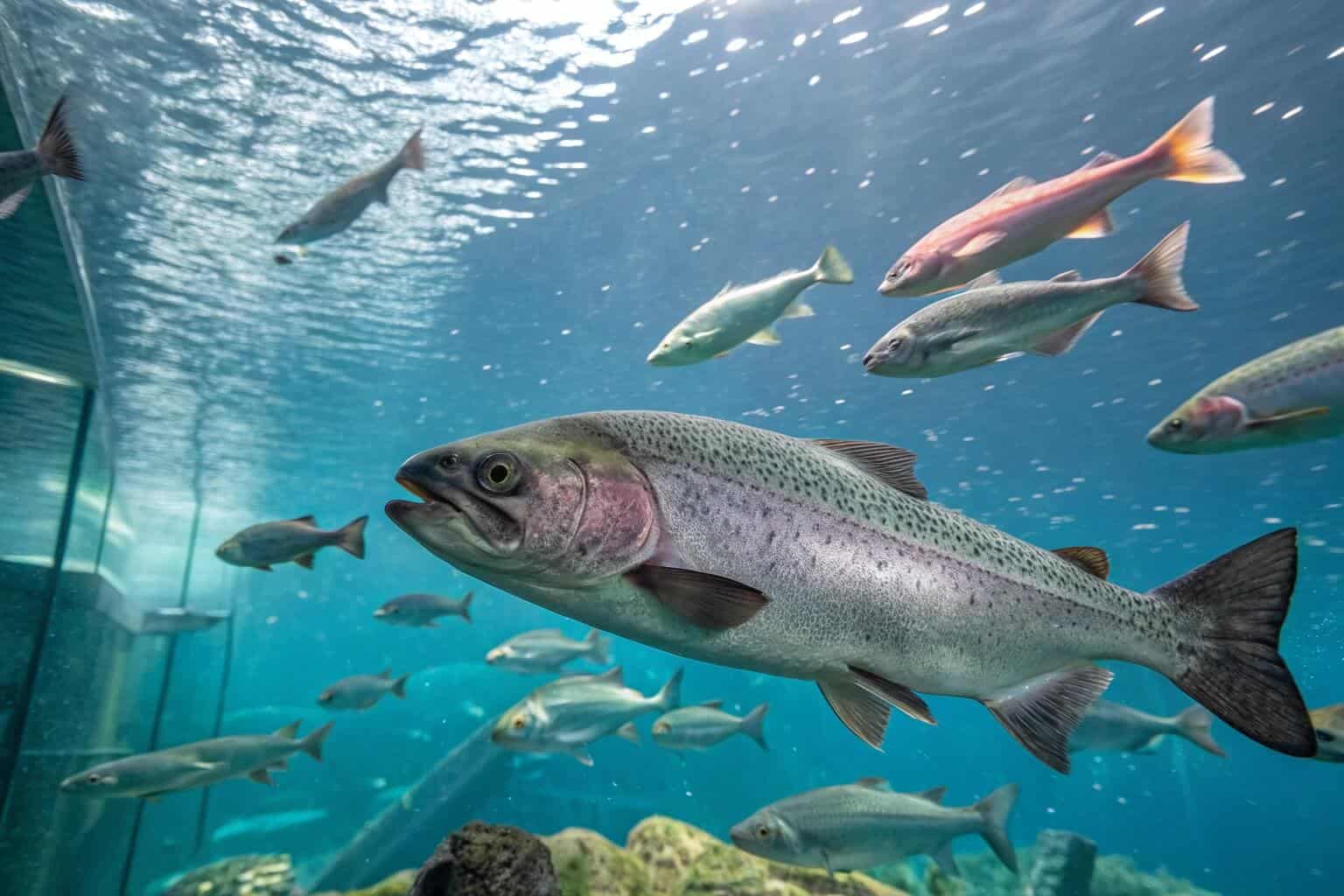
Choosing the right fish is the first step on a long journey. As someone who has watched this industry grow, I’ve seen how this single decision shapes a farm’s future. It’s about finding a balance that works for you. Let’s explore what that means.
What fish is the most profitable to farm?
You want to maximize your farm’s income. But high-value fish often come with high costs and risks. It’s a gamble that can feel intimidating for any farm owner.
From my experience, salmon and shrimp consistently top the list for profitability due to high market demand and premium prices. However, they require significant capital for specialized equipment and strict environmental controls, making them a high-risk, high-reward option for experienced farmers.
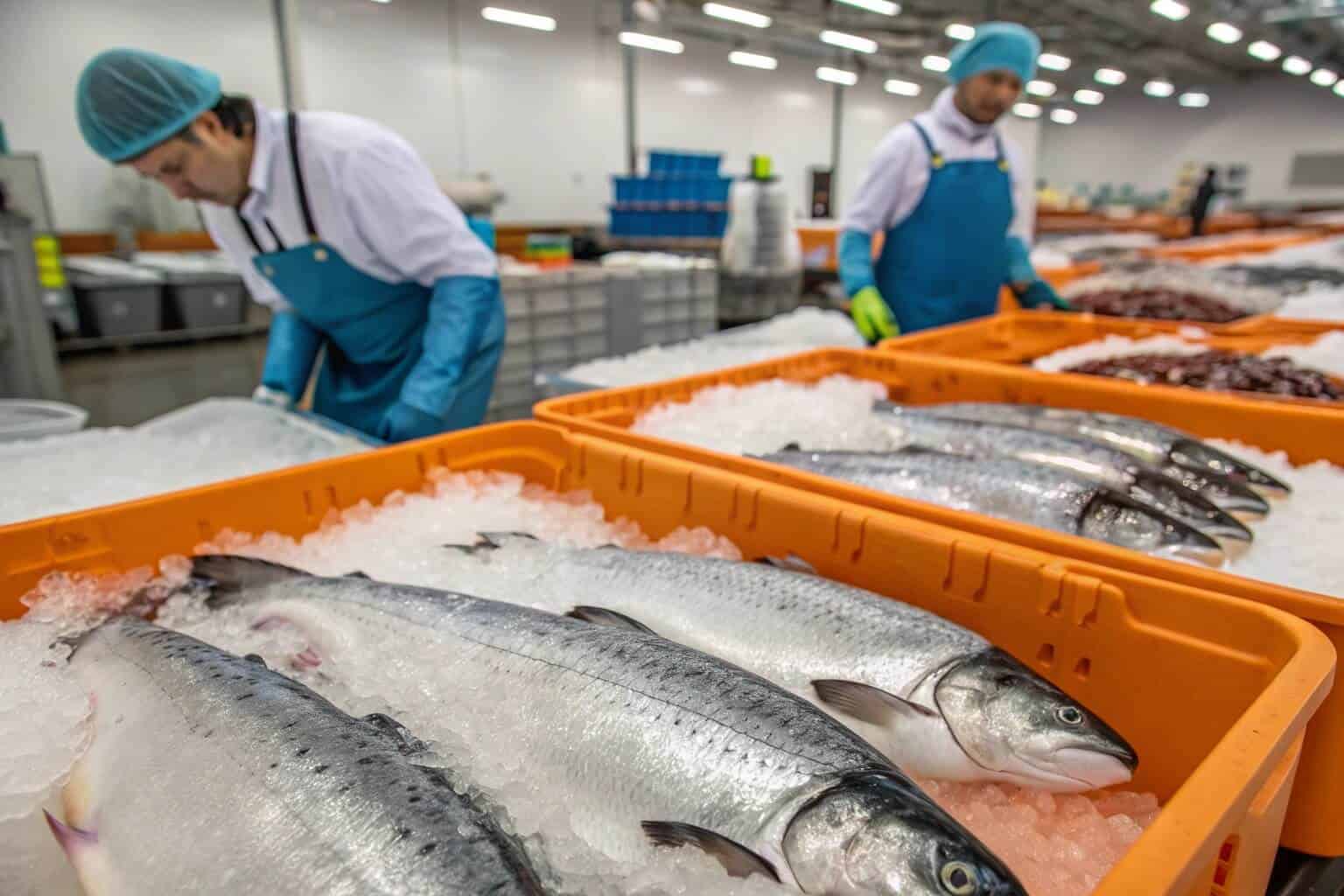
Profitability isn’t just about the final sale price. It’s a complex equation involving your initial investment, daily operating costs1, and how well you can manage challenges. I’ve seen many farmers succeed by focusing on less glamorous but more reliable species. The key is to understand the full financial picture before you dive in.
High-Reward Species
High-profit fish2 like salmon and shrimp command top dollar in the market. Consumers love them, and the demand is always there. However, they are sensitive. They need cold, clean water and are prone to diseases that can wipe out a whole stock. The feed is also expensive. You need a solid plan and deep pockets to get started. I remember visiting a shrimp farm that was struggling with a bacterial outbreak3; it showed me just how quickly profits can disappear without expert management.
Consistent Earners
On the other hand, fish like catfish4 and carp are the workhorses of the aquaculture5 world. They might not fetch a premium price, but they are tough, grow reliably in various conditions, and have lower feed costs. Their market is steady, especially in local communities. This makes them a safer bet, particularly if you are building your business slowly.
| Feature | High-Profit Species (e.g., Salmon) | Consistent Earners (e.g., Catfish) |
|---|---|---|
| Market Price | High | Moderate |
| Initial Investment | Very High | Low to Medium |
| Operating Costs | High (Feed, Energy) | Low (Feed, Maintenance) |
| Risk Level | High (Disease, Environment) | Low (Hardy, Resilient) |
| Required Expertise | Advanced | Beginner to Intermediate |
What is the best fish for fish farming?
Finding the "best" fish feels impossible. Every expert seems to have a different opinion. This confusion makes it hard to decide what’s right for your specific farm and goals.
There is no single "best" fish for everyone. The ideal choice depends entirely on your climate, resources, and target market. A fish that thrives in Southeast Asia may not survive in Europe. The best fish is one that fits your unique farming environment.
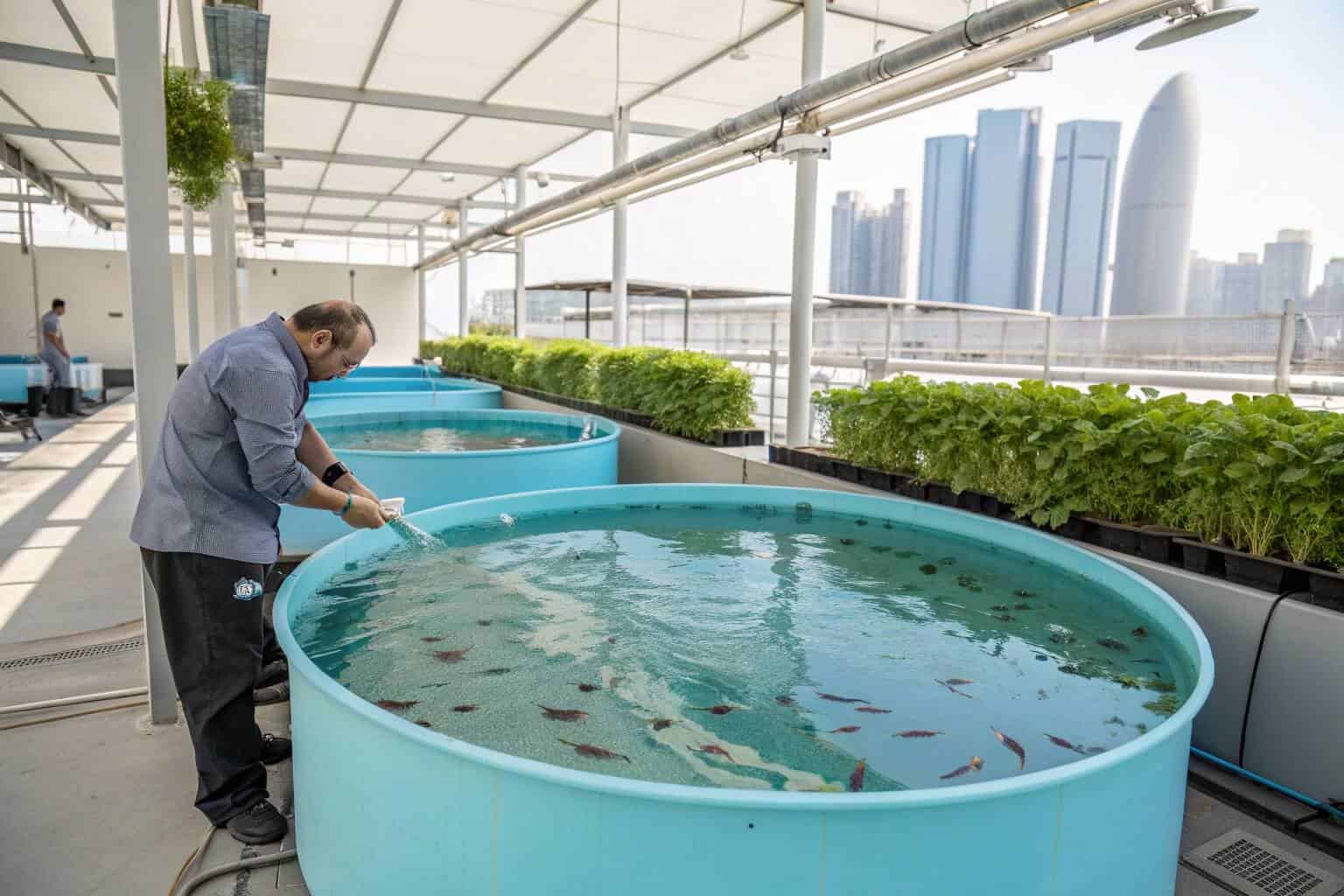
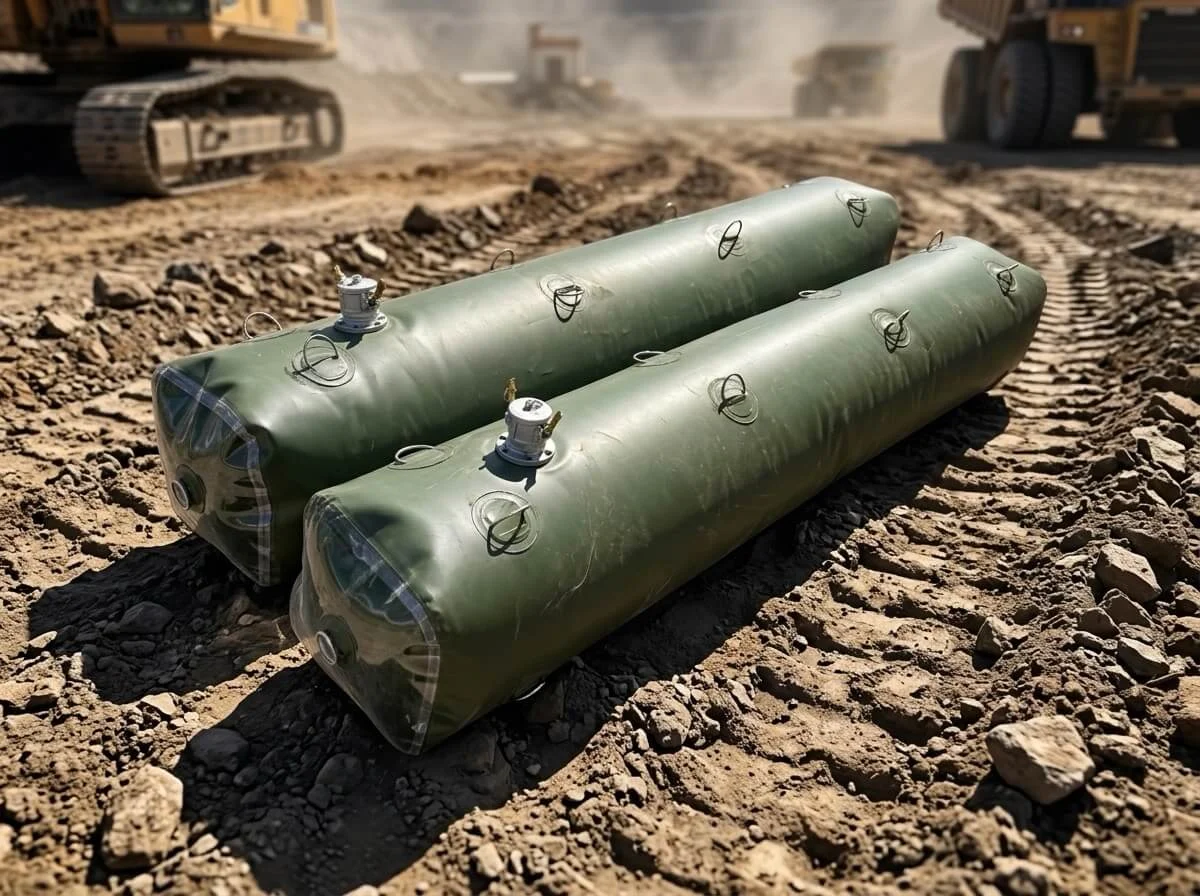
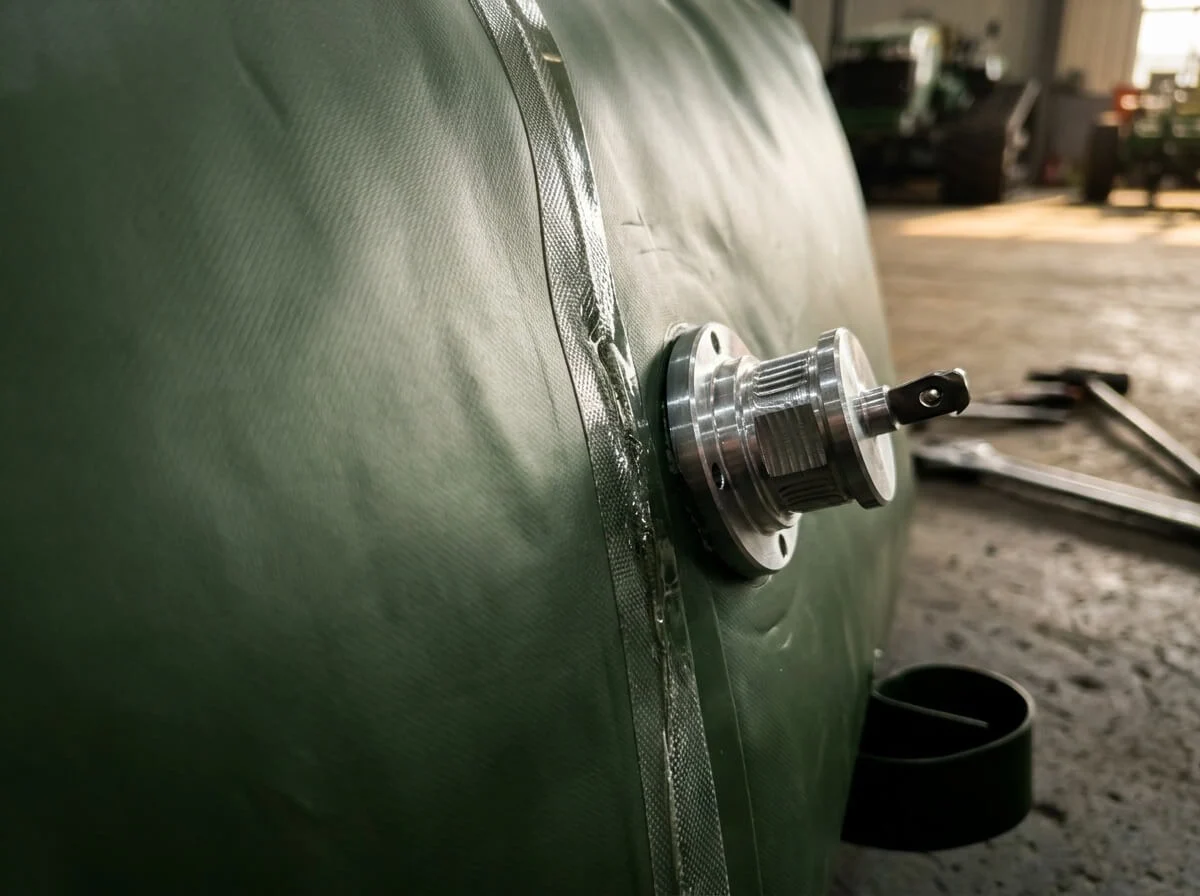
I’ve learned that success comes from matching the fish to the farm, not the other way around. The industry is moving towards flexible solutions. For example, I’ve seen a rise in the use of modern systems like collapsible fish tanks6. They allow farmers to create controlled environments almost anywhere, opening up new possibilities for urban farming or in areas with limited space.
For Traditional Ponds
If you have access to land and a good water source, traditional earthen ponds7 are a great option. In this setting, species like catfish, carp, and tilapia8 do very well. They are adapted to natural environments and can often find supplemental food from the pond’s ecosystem, which helps lower your feed costs. I worked with a small farm that successfully raised carp in a simple pond system, providing a steady source of protein for the local village.
For Modern Systems
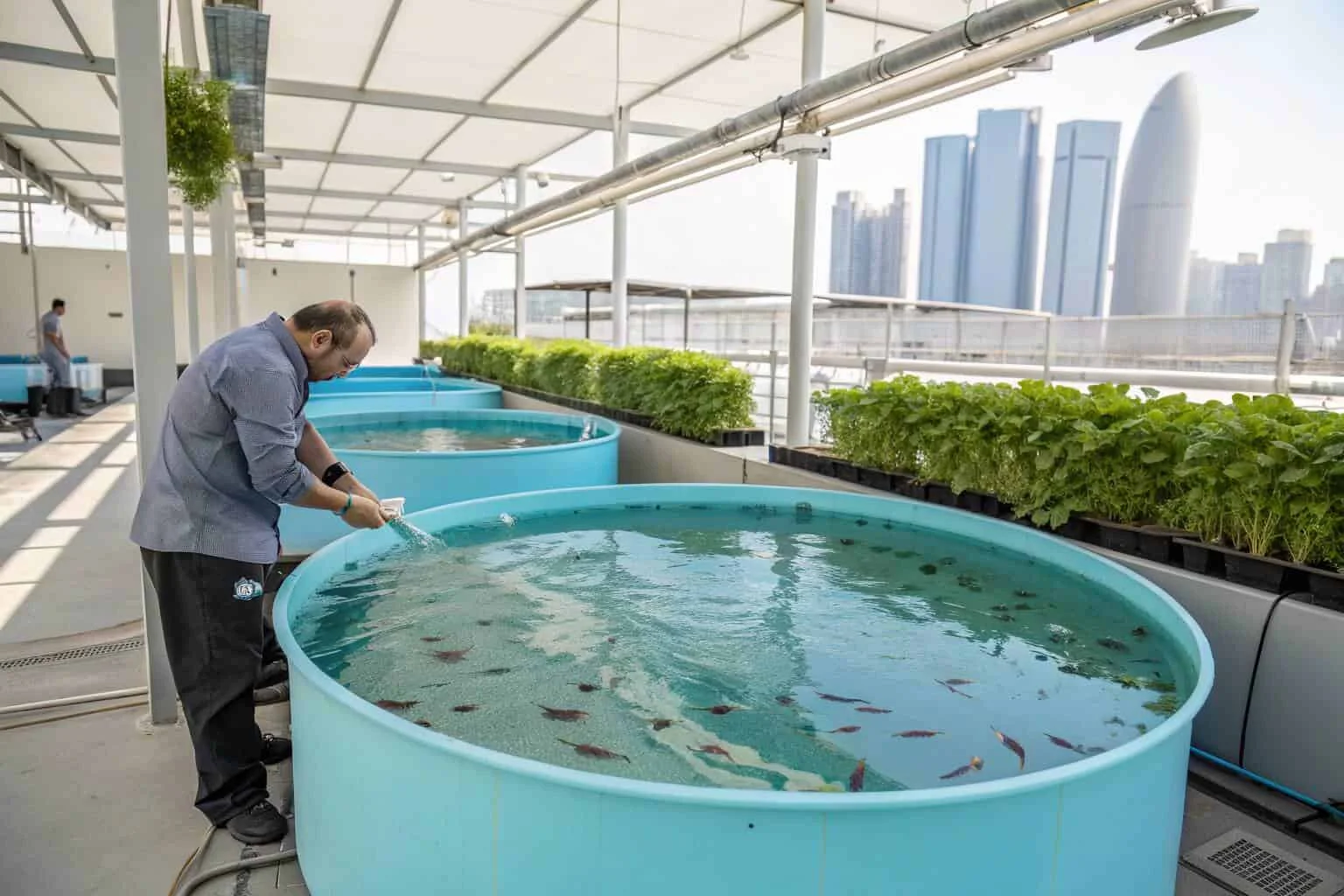
Modern systems, such as our Bancy collapsible fish tanks9, give you more control. These are perfect for raising high-density populations in smaller areas. In these controlled environments, you can farm species that need specific water conditions. This is where you can consider fish like barramundi or even some trout varieties, depending on your cooling capabilities. These systems are efficient and help prevent water pollution, which is becoming a bigger concern for regulators. This level of control also allows for year-round production10, independent of external climate conditions.
| Feature | Barramundi | Trout |
|---|---|---|
| Water Temp | Warm (26-30°C) | Cold (12-18°C) |
| System Type | Recirculating (RAS) | Flow-through or RAS |
| Market Value | High | High |
| Key Benefit | Very fast growth rate | Premium restaurant demand |
Which fish is easiest to farm?
Starting out in fish farming is tough. You need a fish that can handle a few mistakes. Choosing a difficult species can lead to early failure and discouragement.
Based on my observations across countless farms, tilapia is by far the easiest fish to farm. It is incredibly forgiving of water quality fluctuations, eats a wide variety of low-cost feeds, and grows to market size very quickly, making it perfect for beginners.
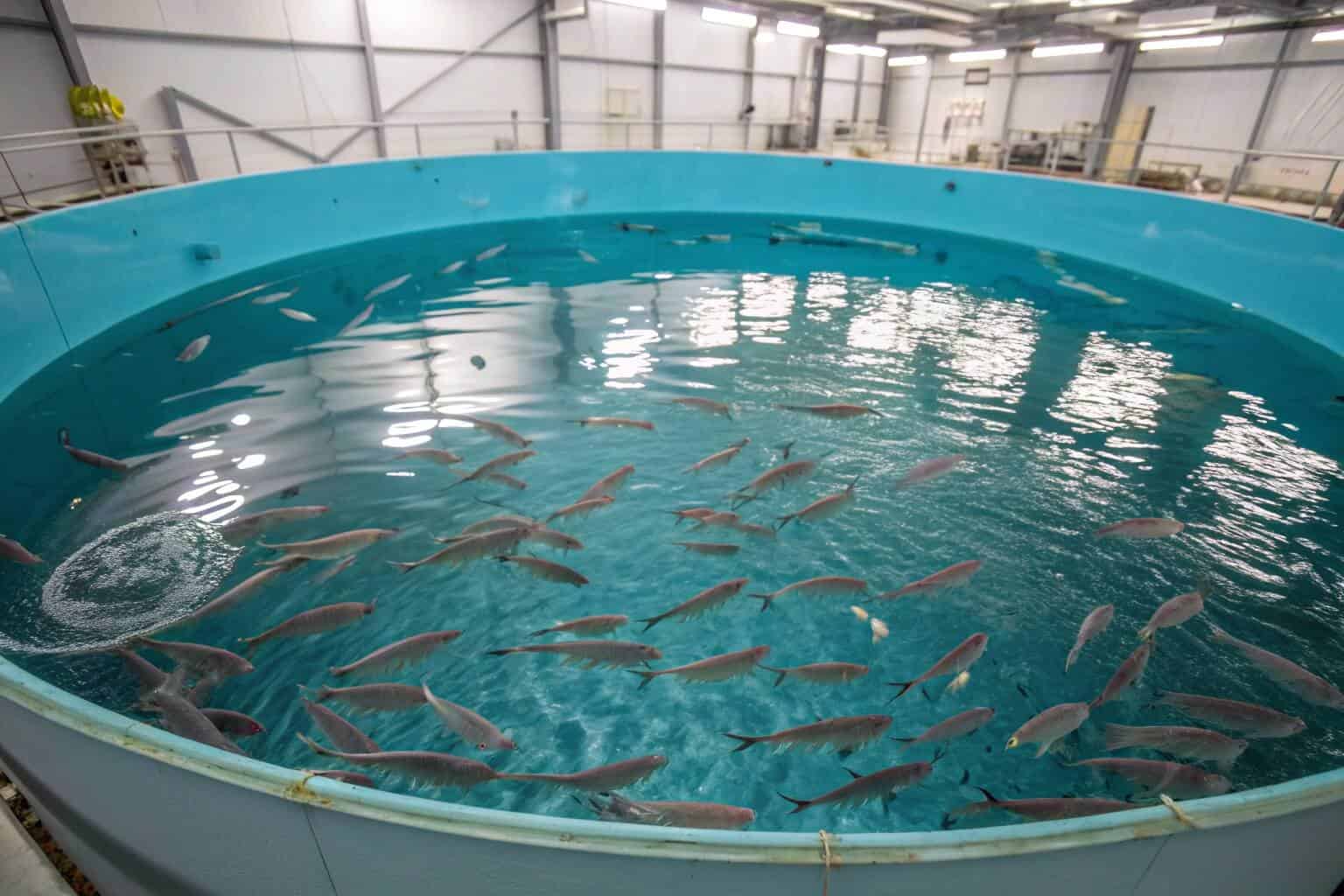
I always recommend tilapia to people new to the industry. Its resilience gives you a buffer to learn and make adjustments without losing your entire stock. Seeing those first fish thrive is a huge confidence booster. It’s the perfect species to help you master the fundamentals of aquaculture11 before moving on to more demanding fish.
Why Tilapia is a Great Starter Fish
Tilapia is often called the "aquatic chicken12" for a reason. It’s a tropical fish that adapts well to different farming systems, from simple ponds to intensive tank cultures. They are omnivores, meaning they can eat plant-based pellets, which are much cheaper than the high-protein feeds required by carnivorous fish. Furthermore, they reproduce easily, so you can even breed your own fingerlings once you get established. Their rapid growth cycle13 means you can get your product to market in just a few months.
Other Easy-to-Farm Options
If tilapia isn’t right for your market, channel catfish is another excellent choice. They are native to North America and are known for their hardiness. Like tilapia, they tolerate a range of water temperatures and are not picky eaters. Catfish have a mild flavor and are very popular in many regions, ensuring a stable market. I’ve seen many small-scale farmers build a successful business around catfish because of their reliability. Their predictable growth and established market make them a cornerstone of aquaculture14 in many parts of the world.
| Feature | Tilapia | Channel Catfish15 |
|---|---|---|
| Hardiness | Very High | High |
| Diet | Omnivore (plant-based) | Omnivore (flexible) |
| Growth Rate | Very Fast (4-6 months) | Fast (12-18 months) |
| Water Temp | Warm water tolerant | Wide range tolerant |
| Best For | Beginners, fast turnover | Stable local markets |
What’s the best fish to breed for profit?
You want to turn breeding into a business. But the market for fish fry and fingerlings is competitive. Choosing the wrong species means no buyers and wasted effort.
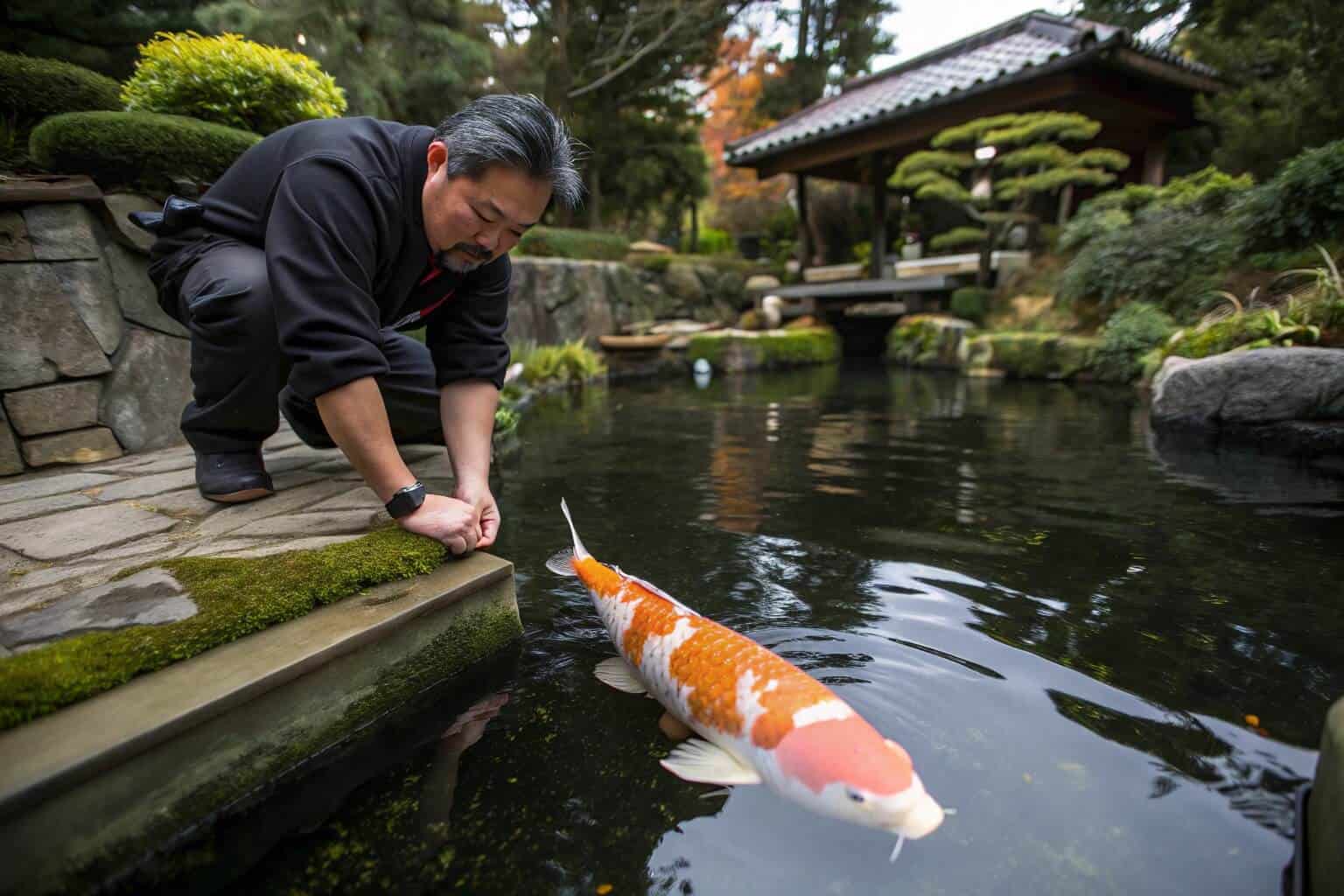
For breeding profits, focus on species with high demand from other farmers or hobbyists. Breeding tilapia or carp is a stable business, as farms always need new stock. For higher profits, breeding ornamental fish like koi can be very lucrative, but requires specialized skills.
Breeding is a different game than raising fish for food. It requires a deeper understanding of genetics, water chemistry, and early-life-stage nutrition16. I’ve seen hatcheries succeed by carving out a niche. They either produce millions of fry for large commercial farms or a few perfect specimens for high-paying collectors. Both paths can be profitable if you have the right knowledge and equipment.
Breeding for the Food Industry
Supplying fingerlings17 to other fish farms is a volume-based business. Your customers are commercial growers who need thousands of healthy, uniform-sized young fish to stock their ponds and tanks. The profit margin per fish is low, so you need to be highly efficient. Success depends on producing large quantities of reliable species like tilapia, catfish, or carp. You need dedicated hatchery facilities18 and a strong logistics network to transport the delicate fry to your customers.
Breeding for the Ornamental Market
The aquarium and decorative pond market is all about quality, not quantity. A single, perfectly patterned koi19 can sell for thousands of dollars. This market requires an artistic eye and a deep knowledge of genetics to produce desirable colors and patterns. The startup costs can be lower since you don’t need massive tanks, but the time investment is significant. It can take years to develop a reputable line of fish that commands high prices.
| Aspect | Food Industry Breeding | Ornamental Breeding |
|---|---|---|
| Business Model | High Volume, Low Margin | Low Volume, High Margin |
| Key Species | Tilapia, Carp, Catfish | Koi, Goldfish, Cichlids |
| Required Skills | Efficiency, Logistics | Genetics, Aesthetics |
| Market | Commercial Fish Farms | Hobbyists, Collectors |
Conclusion
Choosing the right fish is a balance of profit, ease, and market demand. Start with what you can manage, and grow from there. Your success contributes to global food security.
- Exploring daily operating costs helps you identify areas for savings and improve overall profitability. ↩
- Explore this link to understand the lucrative potential and management strategies for high-profit fish like salmon and shrimp. ↩
- This resource will provide essential insights on preventing and managing bacterial outbreaks, crucial for maintaining shrimp farm profitability. ↩
- Explore the advantages of catfish farming, including lower costs and resilience, making it ideal for beginners. ↩
- Learn about aquaculture’s processes and benefits, crucial for understanding sustainable fish farming. ↩
- Explore this link to understand how collapsible fish tanks can revolutionize aquaculture by providing flexibility and efficiency. ↩
- Explore this link to understand how traditional earthen ponds can enhance fish farming efficiency and sustainability. ↩
- Discover why catfish, carp, and tilapia are popular choices in aquaculture and how they thrive in various environments. ↩
- Explore how collapsible fish tanks can optimize space and enhance fish farming efficiency. ↩
- Learn strategies for maintaining consistent fish production regardless of climate changes. ↩
- This resource will help you understand the basics of aquaculture, essential for anyone starting in the industry. ↩
- Discover the fascinating reasons behind tilapia’s nickname and its significance in aquaculture. ↩
- Learn about tilapia’s growth cycle and how it impacts farming efficiency and profitability. ↩
- Discover the significance of aquaculture in sustainable fish farming practices and its impact on global food supply. ↩
- Explore this link to understand why Channel Catfish is a reliable choice for aquaculture, ensuring stable markets and growth. ↩
- Understanding early-life-stage nutrition is crucial for successful fish breeding, ensuring healthy growth and development. ↩
- Explore this link to learn effective strategies for supplying fingerlings, ensuring quality and efficiency in your fish farming business. ↩
- Discover insights on establishing hatchery facilities that enhance production and support your fish farming operations. ↩
- Explore this link to learn essential techniques for breeding koi, ensuring quality and desirable traits in your fish. ↩