Are you thinking about starting a fish farm but don’t know which species to choose? The options can feel overwhelming, making it hard to find the most profitable path.
The most demanded fish in the world are shrimp, salmon, and tuna for their high market value, but tilapia and catfish lead in consumption volume due to their fast growth and efficient farming, making them essential for global food supply and highly profitable for farmers.
Choosing the right fish is a big decision for any aquaculture business. It affects your profits, your daily work, and your place in the market. I’ve seen many farmers succeed by matching their choice of fish to their resources and goals. Let’s explore which fish might be the best fit for you.
What is the most demanded fish?
Struggling to figure out which fish consumers are buying most? This uncertainty can make it risky to invest in a particular species for your farm.
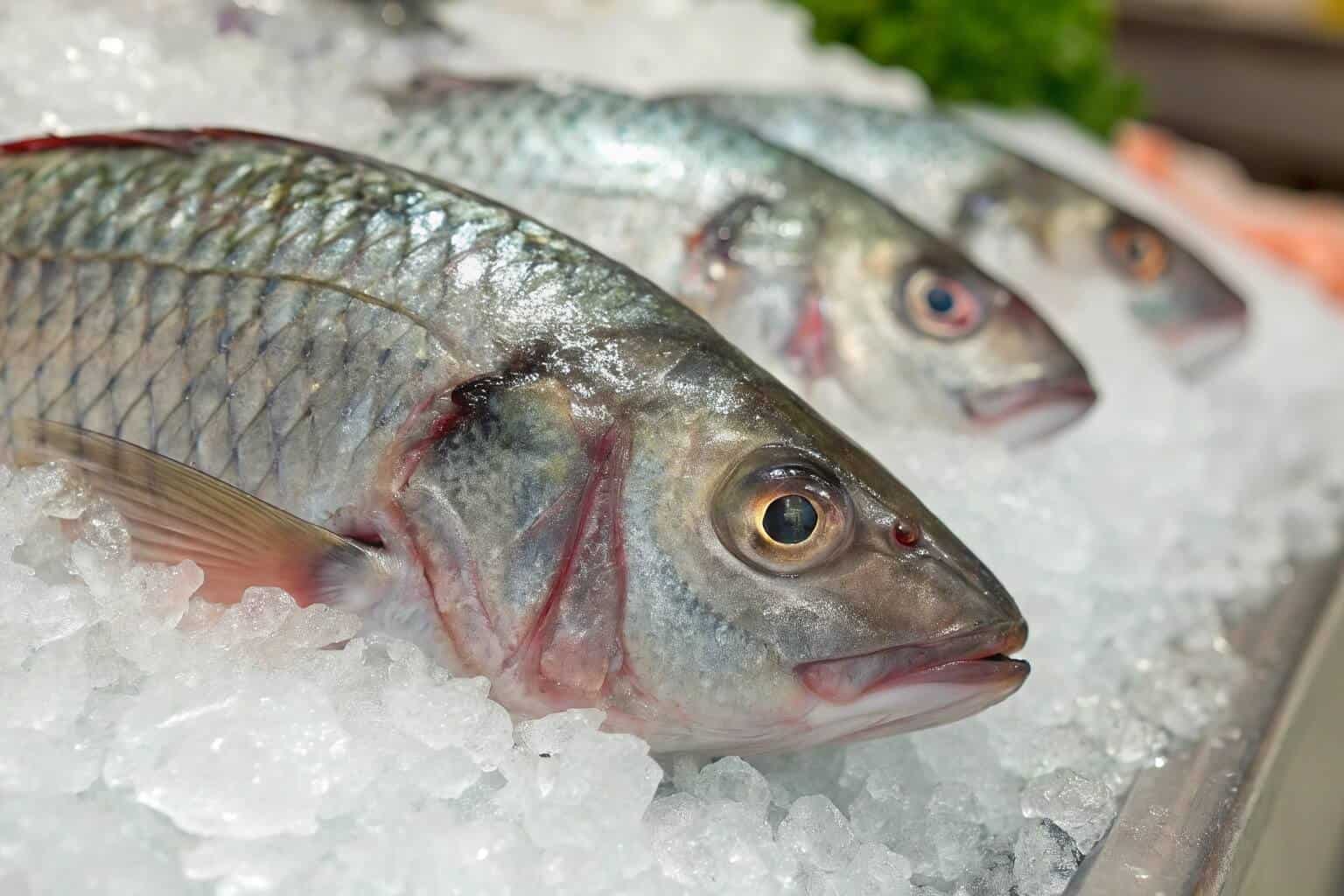
Globally, tuna and salmon are highly demanded for their taste and culinary popularity. However, in terms of sheer volume and accessibility for farming, tilapia has become one of the most demanded fish, especially in developing markets, due to its resilience and rapid growth.
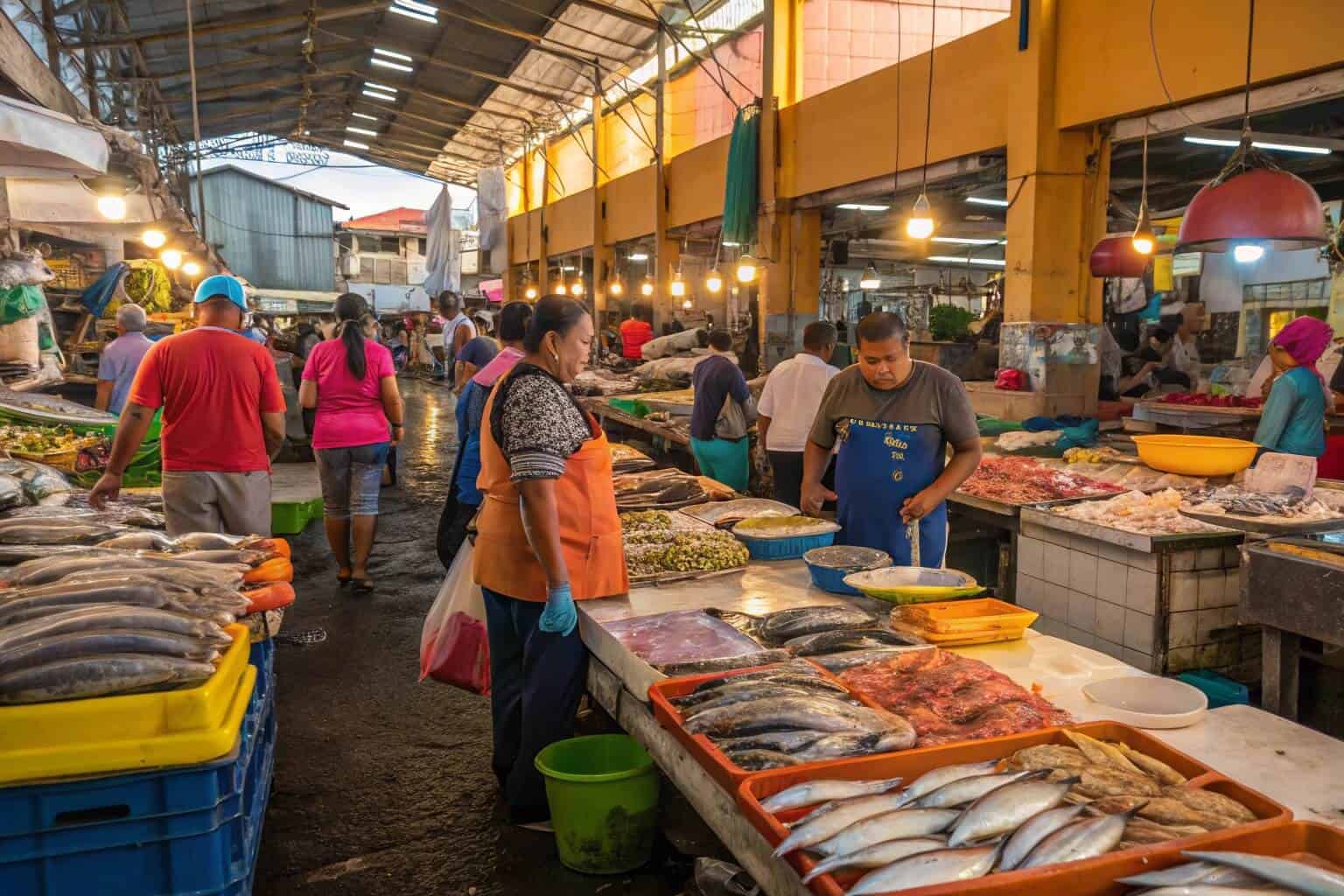
When I look at what "demanded" means, I see it from two angles: what people want to eat and what farmers can realistically produce. High-end restaurants and supermarkets create strong demand for fish like salmon and tuna. They fetch a high price, which is very attractive. But the global population needs affordable, reliable protein1. This is where fish like tilapia and catfish come in. Their demand is driven by accessibility and volume. As an observer in this industry, I’ve noticed that while salmon gets a lot of attention, it’s the steady, high-volume species that form the backbone of global aquaculture. They are easier to farm, grow quickly, and can be raised in various environments, which is why I see so many new farmers starting with them.
The High-Value Demand: Salmon and Tuna
The demand for salmon and tuna is driven by the restaurant industry and health-conscious consumers. These fish are rich in omega-3 fatty acids and have a premium image, which means they can be sold at a much higher price. However, farming them is a challenge. Salmon require cold, clean water and are susceptible to diseases, while tuna farming2 is still a developing field with high costs. This makes them a high-risk, high-reward option.
The Volume Demand: Tilapia and Catfish
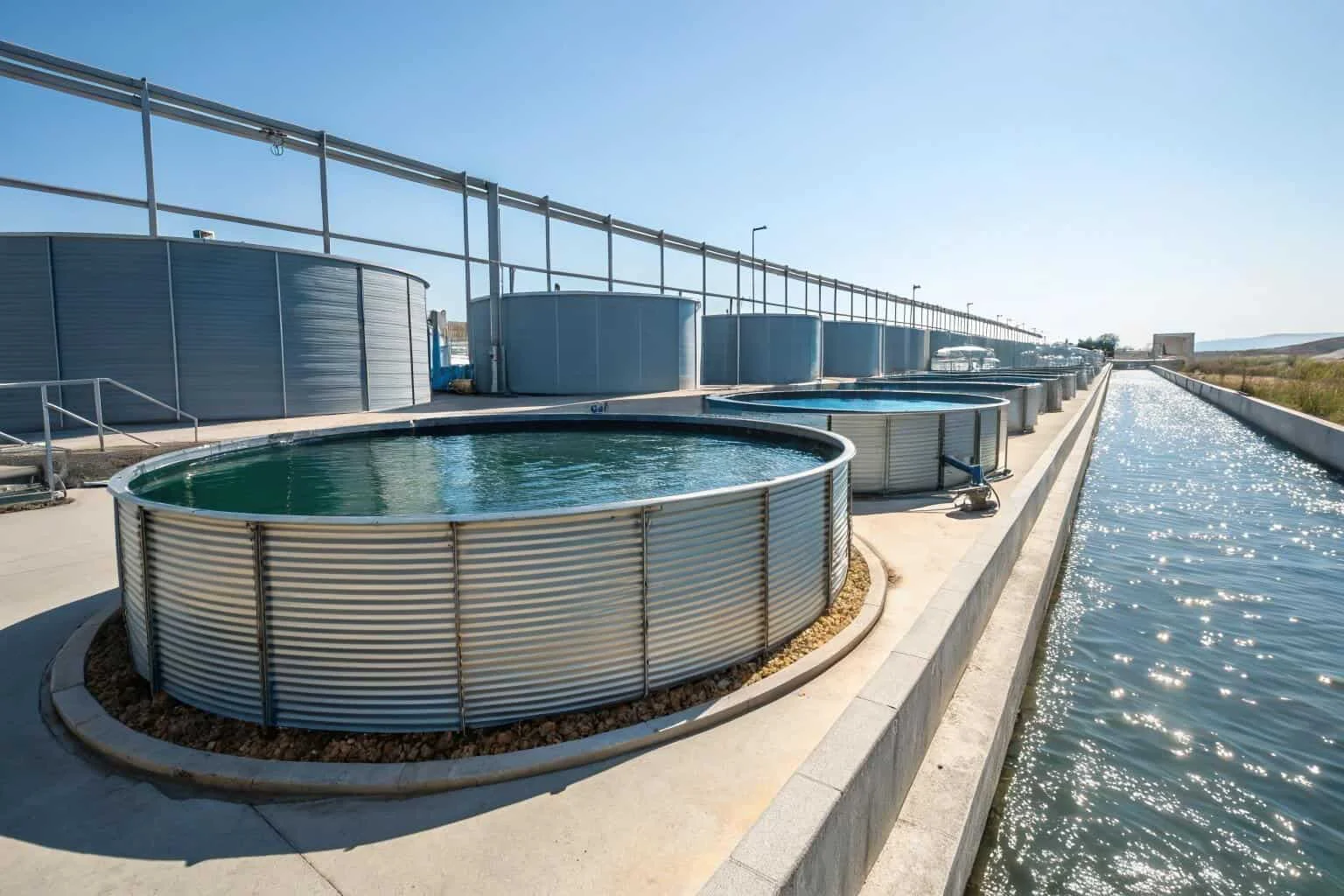
On the other side, we have tilapia and catfish. The demand here is not about luxury, but about necessity. These fish are a crucial source of protein for millions of people. They are hardy, grow fast, and can be farmed in a variety of systems, from simple ponds to advanced Bancy collapsible tanks. This makes them a reliable choice for farmers who need to produce large quantities of fish3 with minimal investment.
Matching Demand to Your Farm
So, which demand should you cater to? Your choice depends entirely on your resources, risk tolerance, and business goals. The table below breaks down the two main paths you can take.
| Feature | High-Value (e.g., Salmon)4 | High-Volume (e.g., Tilapia)5 |
|---|---|---|
| Initial Investment | High (specialized tanks, cooling) | Low (basic ponds, collapsible tanks) |
| Operational Risk | High (disease, water quality sensitivity) | Low (hardy, adaptable species) |
| Profit Margin | High per unit | Low per unit, high overall |
| Ideal Farmer | Experienced, well-capitalized | Beginner, small-to-medium scale |
If you have the capital and expertise, the high-value market offers greater profit potential. However, for most new or smaller-scale farmers, the high-volume model provides a more stable and predictable path to success.
What is the most wanted fish?
You want to raise fish that are guaranteed to sell, but how do you know what buyers are truly looking for? Picking the wrong species can lead to unsold stock.
For consumers, salmon is often the most "wanted" fish due to its flavor, health benefits, and versatility in cooking. For farmers, however, the most wanted fish are often tilapia and catfish because their low production costs and strong market acceptance ensure a reliable return.
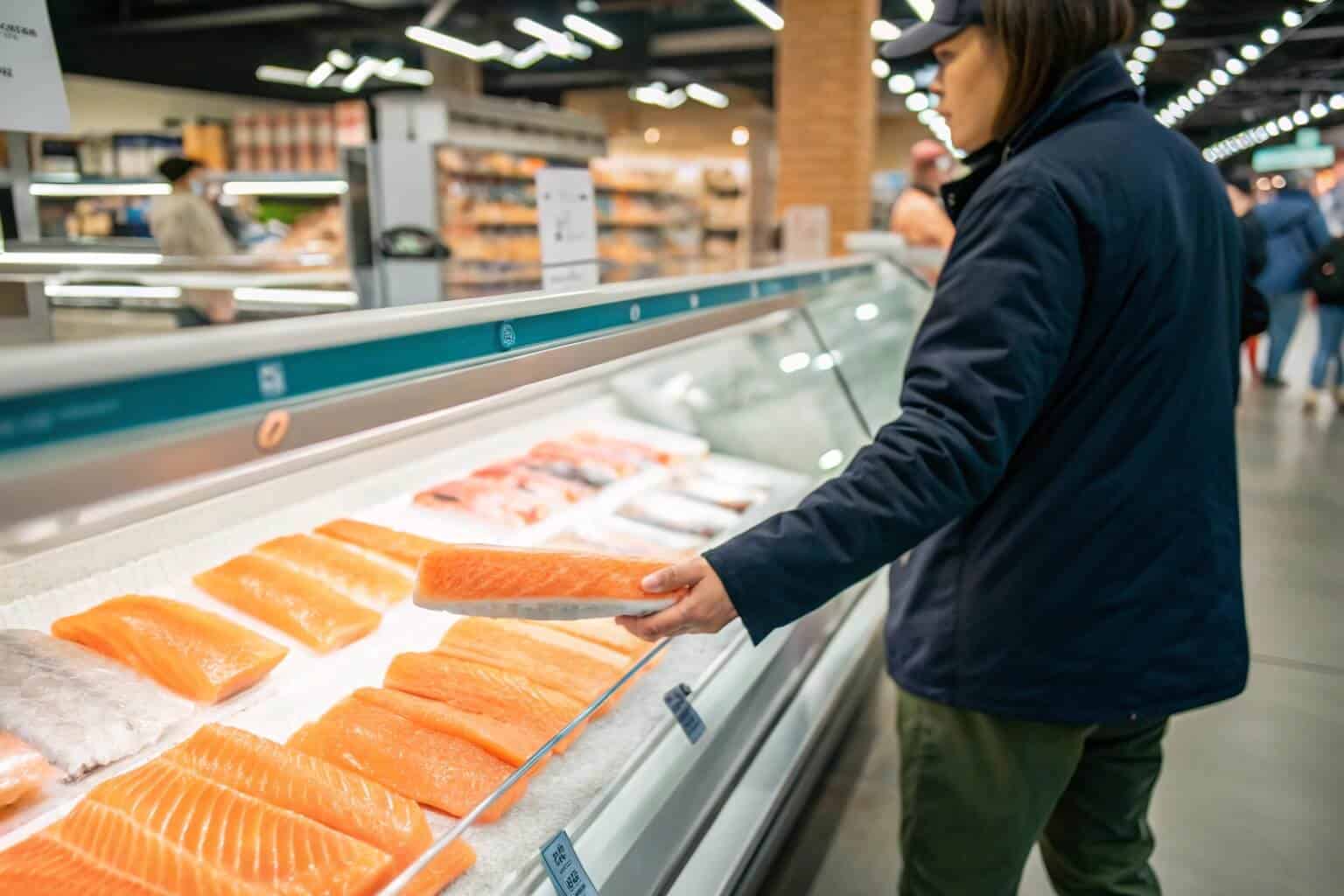
The idea of a "wanted" fish really depends on who you ask. I was talking to a restaurant owner last week, and all he wanted was a steady supply of high-quality salmon. His customers ask for it by name. But then I visited a small-scale farmer who told me he only raises catfish. Why? Because local distributors buy his entire stock every single harvest, without fail. For him, "wanted" means predictable sales6 and low risk. This contrast is something I see everywhere. High-value fish are wanted for their premium status, but practical, everyday fish are wanted for their reliability. When starting out, I always advise people to think about who their customer is. Are you selling to a gourmet market or providing a staple food source? Answering that question will tell you which fish is most wanted for your business.
The Consumer’s Wishlist: Flavor and Health
Consumers today are more informed than ever. They want fish that not only tastes good but also offers health benefits. Salmon, with its high omega-3 content, fits this description perfectly. It’s a fish that people feel good about eating. This is a powerful driver of demand, and it’s why salmon is a staple in many supermarkets7 and restaurants.
The Farmer’s Priority: Reliability and Profit
Farmers, on the other hand, have a different set of priorities. They want a fish that is easy to raise, resistant to disease, and has a ready market. This is where tilapia and catfish shine. They are not as glamorous as salmon, but they are dependable. A farmer knows that if they invest in a batch of tilapia, they will have a marketable product in a few months. This reliability is the foundation of a successful aquaculture business8.
Bridging the Gap: Finding the Sweet Spot
The ultimate goal is to find a fish that is both desirable to consumers and practical for farmers. This can be achieved through several strategies that add value and create a unique market position.
| Strategy | Consumer Appeal | Farmer Effort | Market Potential |
|---|---|---|---|
| Niche Species9 | High (unique flavor, story) | Moderate to High (specialized knowledge) | Niche, but loyal customer base |
| Sustainable Certification10 | High (eco-conscious buyers) | High (strict standards, documentation) | Growing premium market |
| Local / Direct Sales | High (freshness, community connection) | Moderate (marketing, logistics) | Strong local or regional market |
By focusing on a specific strategy, you can create a product that stands out. For example, marketing your fish as sustainably raised in Bancy’s eco-friendly tanks can attract a premium price from informed consumers.
Which fish is the most profitable?
Every fish farmer wants to maximize their return, but the path to profitability isn’t always clear. High-value fish require high investment, creating significant financial risk.
Tilapia and catfish are often the most profitable fish for many farmers, especially those at small to medium scales. Their fast growth, low-cost feed, and high survival rates create a reliable and quick return on investment, even with a lower market price per kilogram.
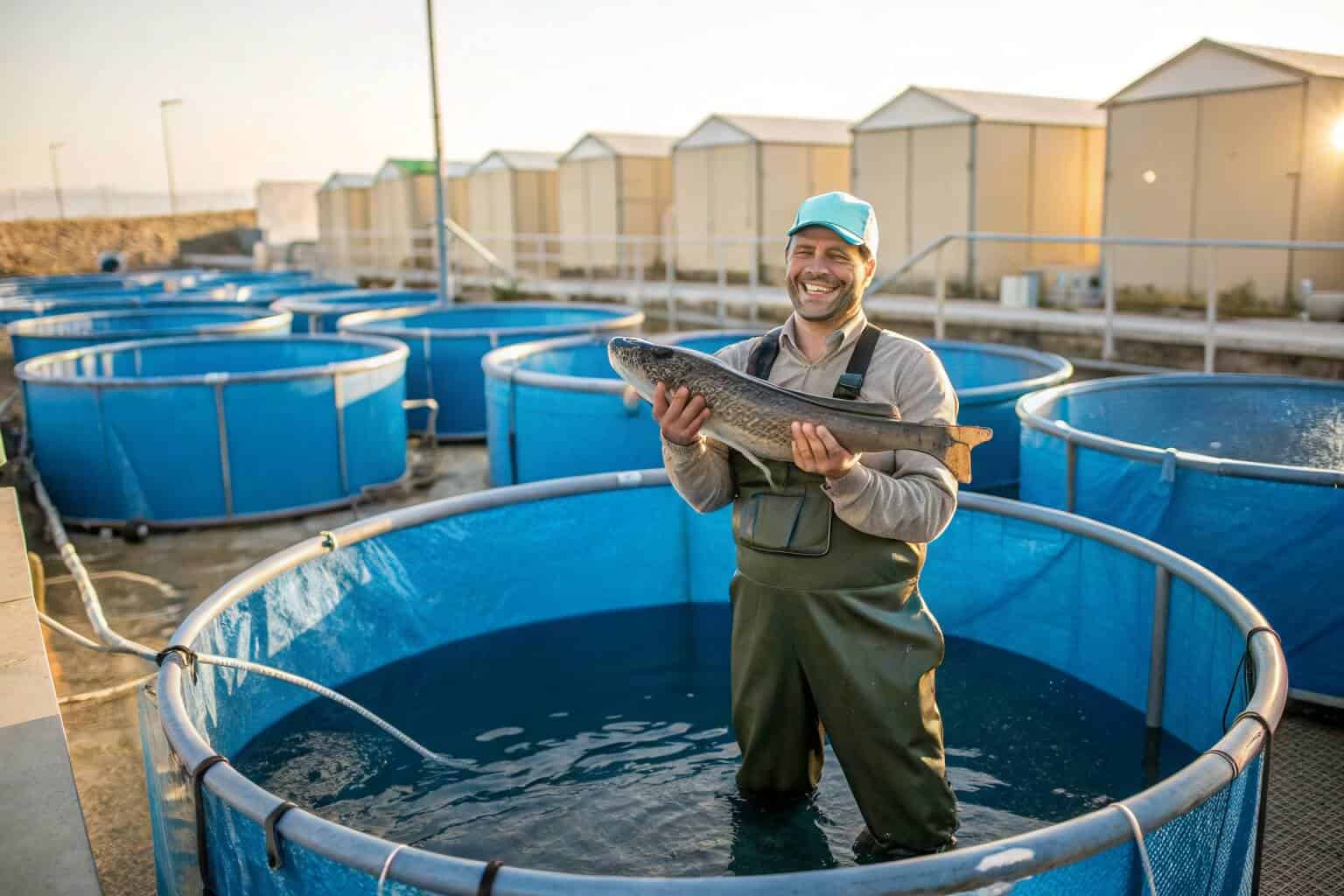
I’ve spent years analyzing what makes a fish farm successful, and profitability11 is a recurring theme. Many people assume that the most expensive fish, like salmon or trout, are the most profitable. They can be, but the story is more complex. These species require significant upfront investment in specialized equipment, like our corrosion-resistant tanks, to manage water quality and temperature. The risk is higher. On the other hand, I’ve seen countless farmers achieve amazing success with tilapia and catfish. I remember one farmer who started with a small, collapsible plastic fish tank. He chose tilapia because he could get multiple harvests in a year. His costs were low, and his profits were steady. Within a few years, he expanded to several larger galvanized pipe tanks. His story shows that profitability isn’t just about the final sale price; it’s about managing costs and turnover.
The High-Volume Profit Engine: Tilapia and Catfish
The profitability of tilapia and catfish12 comes from efficiency. These fish are like a well-oiled machine. They convert feed into body mass at an impressive rate, and they can be farmed in high densities. This means that even though the price per fish is low, the sheer volume of production can lead to significant profits. It’s a model based on scale and efficiency, and it’s one that has proven to be very successful for many farmers.
The High-Risk, High-Reward Game: Salmon and Trout
Farming salmon and trout is a different game altogether. The potential profits are much higher, but so are the risks. These fish are sensitive to water conditions and require a high level of expertise13 to manage. A small mistake can lead to a large loss. However, for those who can master the art of farming these species, the rewards can be substantial. It’s a high-stakes game, but one that can pay off for those who are willing to take the risk.
Your Farm’s Profit Equation
Ultimately, profitability depends on a simple equation: Revenue – Costs = Profit. However, the variables in this equation change dramatically depending on the fish species. Let’s compare a simplified profit equation for tilapia and salmon.
| Profit Factor14 | Tilapia (per 1,000 kg) | Salmon (per 1,000 kg) |
|---|---|---|
| Market Price (Revenue) | ~$2,000 | ~$10,000 |
| Feed Costs | ~$800 | ~$4,000 |
| Labor & Energy Costs | ~$400 | ~$2,500 |
| Estimated Net Profit15 | ~$800 | ~$3,500 |
As you can see, while salmon offers a higher potential profit, the initial costs are significantly greater. Your choice will depend on your budget and how much financial risk you are willing to take on.
Which fish is most consumed worldwide?
Trying to tap into the largest market possible? It can be difficult to know which fish has the broadest appeal across different cultures and economies.
Tilapia is one of the most consumed farmed fish worldwide, rivaling carp and catfish. Its mild flavor, affordable price, and the efficiency with which it can be farmed have made it a global staple, especially as wild fish stocks face increasing pressure.
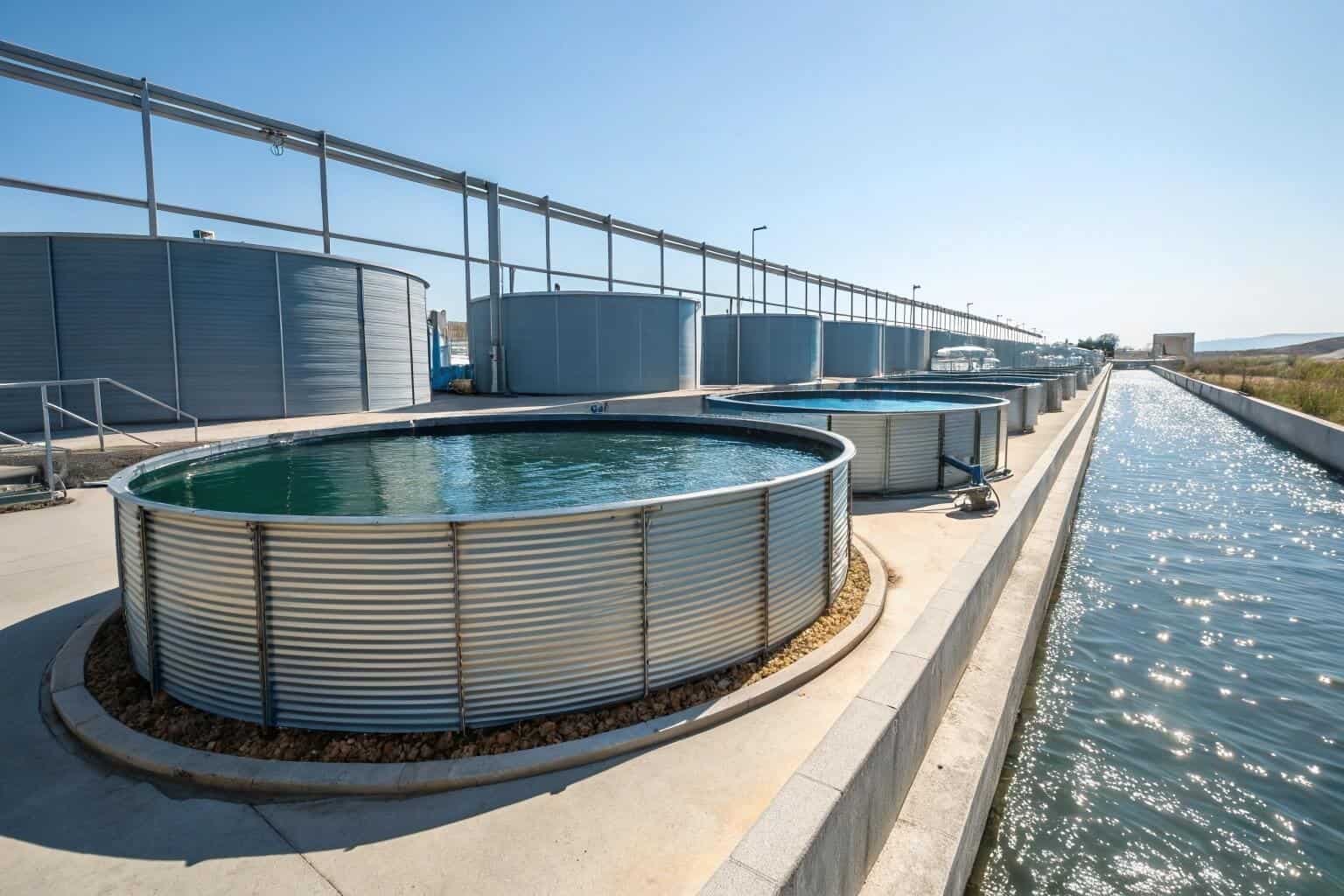
When I travel and talk to people in the aquaculture16 industry, from Southeast Asia to the Americas, one fish comes up constantly: tilapia. The sheer scale of its consumption is incredible. Wild fisheries simply cannot keep up with the world’s growing demand for protein, and aquaculture has stepped in to fill the gap. In countries like China, the consumption is massive, and farmed fish are essential to their food security. I believe the success of tilapia comes down to its adaptability. It can be raised in a simple backyard pond or in a large, industrial-sized galvanized sheet fish tank. This versatility has allowed production to scale up globally, making it an affordable and accessible source of protein for billions. It’s a clear example of how aquaculture is not just a business but a vital part of feeding our planet.
The Rise of a Global Staple
Tilapia’s journey to becoming a global staple is a story of modern aquaculture. Just a few decades ago, it was a relatively unknown fish outside of its native Africa. But thanks to its incredible farming characteristics17, it has spread across the globe. It is now farmed in over 100 countries, and its production continues to grow. This rapid expansion is a testament to the power of aquaculture to meet the world’s growing demand for food.
Factors Driving Tilapia’s Popularity
There are several reasons for tilapia’s popularity. First, it is affordable. This makes it accessible to a wide range of consumers, from those in developing countries to budget-conscious shoppers in the West. Second, it has a mild flavor. This makes it a versatile ingredient that can be used in a variety of dishes. Third, it is easy to farm18. This has allowed production to scale up quickly to meet the growing demand.
The Future of Fish Consumption
The future of seafood is undeniably moving from capture to culture. As the global population grows, aquaculture is becoming essential for food security. Here’s how farmed fish will shape the future compared to traditional wild-caught methods.
| Aspect | Wild-Caught Fisheries | Aquaculture (Farmed Fish)19 |
|---|---|---|
| Sustainability | Declining (overfishing, bycatch) | Improving (sustainable feeds20, RAS) |
| Growth Potential | Limited or Negative | High |
| Supply Reliability | Variable (seasons, regulations) | Consistent and Predictable |
| Role in Food Security | Important, but strained | Critical and growing |
Species like tilapia, which can be farmed efficiently in systems like Bancy’s galvanized tanks, are at the forefront of this shift. They represent a sustainable and scalable solution to feed the world.
Conclusion
Choosing the right fish is a balance of profit, ease, and market demand. Start with what you can manage, and grow from there. Your success contributes to global food security.
- Discover why affordable, reliable protein sources are crucial for feeding the growing global population. ↩
- This resource will shed light on the complexities and innovations in tuna farming, essential for anyone interested in aquaculture. ↩
- This resource will offer strategies and techniques for fish farming, essential for maximizing production and profitability. ↩
- Exploring this link will provide insights into the profitability and market demand for high-value aquaculture. ↩
- This resource will help you understand the advantages of tilapia farming, including lower risks and operational costs. ↩
- Discover strategies for ensuring predictable sales, which can significantly reduce risk and enhance profitability. ↩
- Explore the reasons behind salmon’s popularity in supermarkets, including its taste, health benefits, and consumer demand. ↩
- Learn essential tips and strategies for building a thriving aquaculture business. ↩
- Learn how focusing on Niche Species can create a loyal customer base and increase profitability. ↩
- Explore how Sustainable Certification can enhance market appeal and attract eco-conscious consumers. ↩
- Understanding the factors that drive profitability can help you make informed decisions for your fish farm. ↩
- Understanding the profitability of these fish can help farmers make informed decisions and maximize their earnings. ↩
- Understanding the significance of expertise can help you avoid costly mistakes in fish farming. ↩
- Understanding profit factors in aquaculture can help you make informed decisions about fish farming. ↩
- Learning to calculate estimated net profit is crucial for assessing the viability of your fish farming venture. ↩
- Learn how aquaculture supports food security and meets the growing demand for protein worldwide. ↩
- Discover the unique traits of tilapia farming that make it a preferred choice for aquaculture. ↩
- Learn about the farming practices that contribute to tilapia’s rapid production and availability. ↩
- Exploring this link will provide insights into how aquaculture can enhance food security and sustainability. ↩
- Understanding sustainable feeds is crucial for grasping how aquaculture can be environmentally friendly and efficient. ↩