Are you thinking about starting a fish farm but feel lost? You see the potential for profit but worry about making a costly mistake. Let me guide you.
Based on my years in the industry, Tilapia and Catfish are the most profitable fish to farm. Their fast growth, resilience, and high market demand offer a quick return on investment, making them the top choices for both new and experienced farmers looking for reliable income.
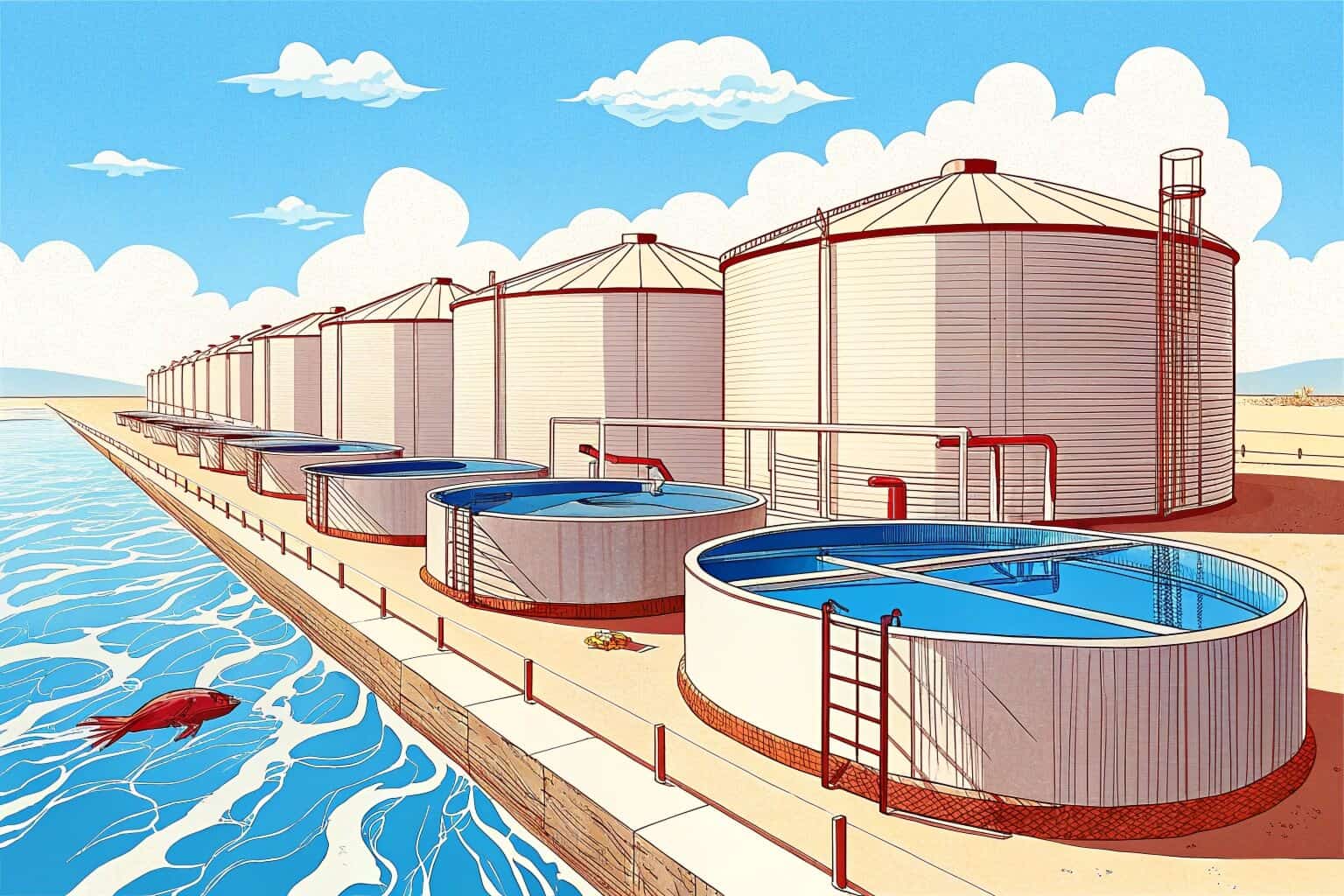
I’ve spent a long time watching the aquaculture world, and it’s a fascinating field full of opportunity. It is more than just a business; it is about feeding a growing world population sustainably. But to succeed, you must make smart choices from the very beginning. The journey from a small startup to a profitable enterprise is challenging, but with the right knowledge, it is completely achievable. Let’s dive into the specifics to help you find the most profitable path for your own fish farming venture.
Which fish is easiest to farm?
Starting a fish farm can feel overwhelming. You worry that one wrong move could lead to failure. The best way to begin is by choosing a fish that is easy to manage.
From my experience, Tilapia and Catfish are the easiest fish to farm. They are incredibly hardy, adapt well to different water conditions, and are not picky eaters. This forgiveness makes them the perfect starting point for anyone new to aquaculture, greatly reducing the risk of early failure.

I have seen many people start their farming journey, and the ones who succeed often start with a species that does not require constant, expert-level attention. Choosing an easy-to-farm fish allows you to learn the basics of water quality management1, feeding schedules, and harvesting without the stress of managing a fragile species. It builds your confidence and sets a solid foundation for future growth. Let’s look closer at why these two fish are such great choices for beginners.
Why Tilapia is a Great Starter Fish
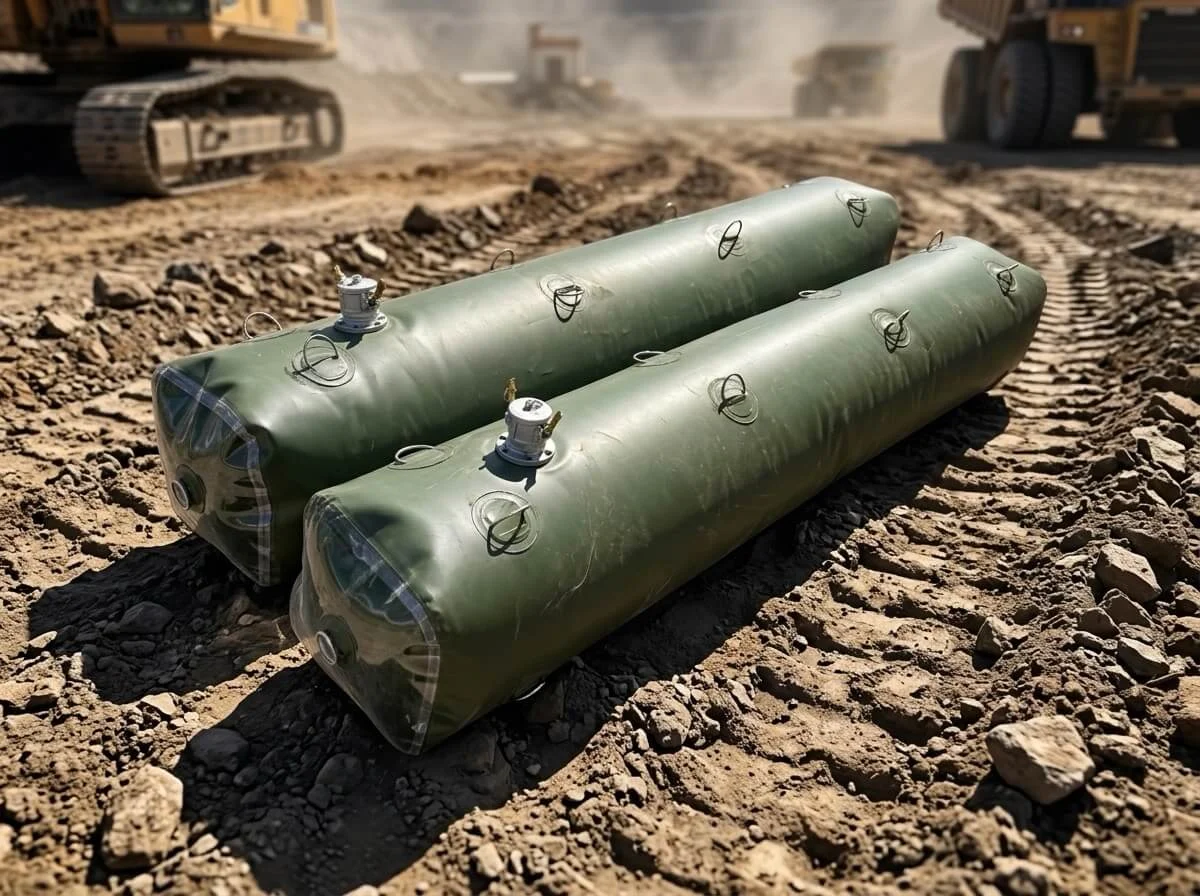
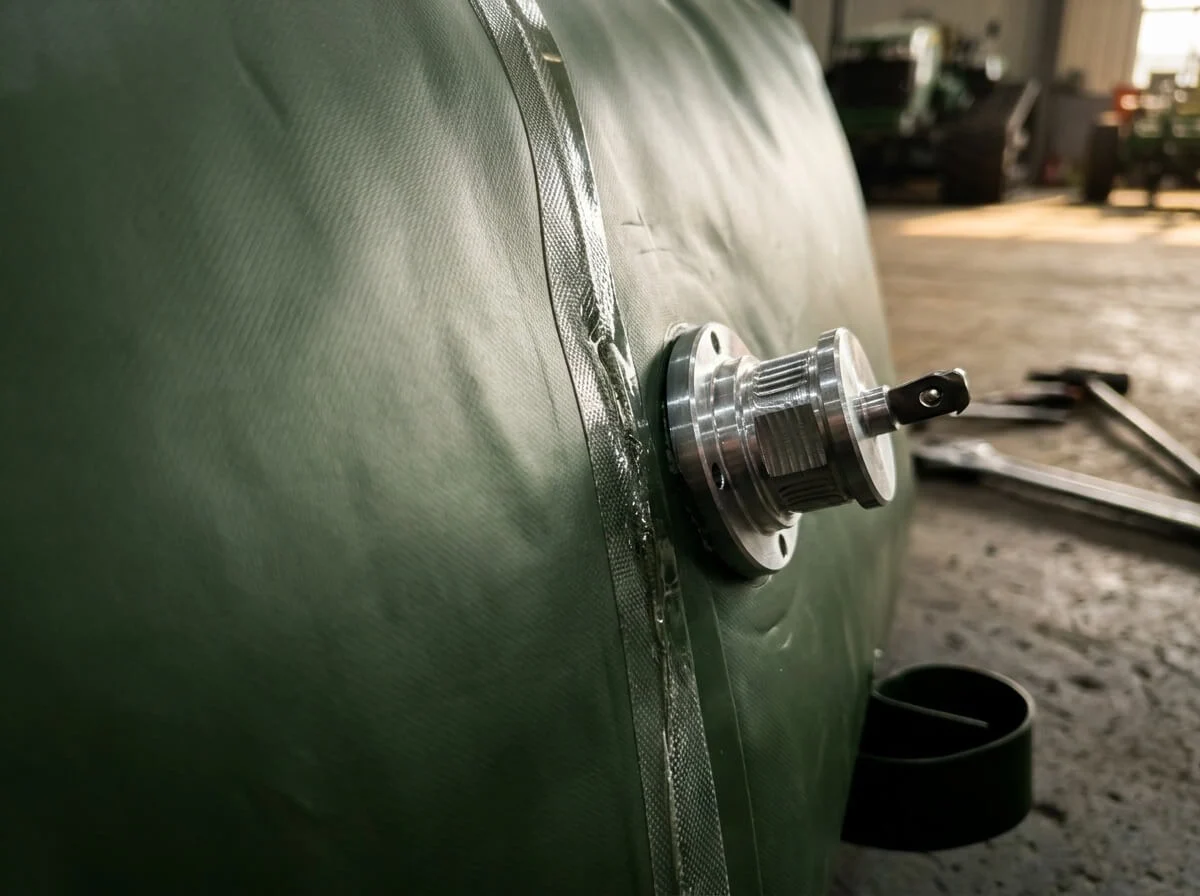
Tilapia2 is always my first recommendation for newcomers. I remember a client who started with just a small backyard setup using one of our collapsible plastic fish tanks3. They were amazed at how quickly they saw results. Tilapia are incredibly resilient. They can tolerate a wide range of water temperatures and quality, which is a huge advantage when you are still learning. They are also omnivores, meaning their diet is flexible and less expensive compared to other fish. Most importantly, they grow fast. You can go from a small fingerling to a harvest-ready fish in just five to six months. This quick turnaround means you see a return on your investment sooner, which is a massive motivator.
The Benefits of Farming Catfish
Catfish are another one of my top recommendations for beginners. They are tough survivors. One of their most incredible traits is their ability to breathe air4, which allows them to survive in water with low oxygen levels—a common issue in new farm setups. This reduces a lot of the technical stress. Like Tilapia, they are efficient at converting feed into body weight, making them cost-effective to raise5. In many regions, especially in the Americas, there is a strong and stable market for catfish, so you know you will have buyers waiting. Their hardiness and simple needs make them a reliable choice for anyone looking to enter the market with confidence.
Which is the best investment fish?
You have the capital and you are ready to invest. But you want to be sure you are putting your money into a fish that will bring the highest returns, not a financial drain.
For a serious investment with high-profit potential, Salmon and Trout are the best choices. While they demand more initial capital for specialized equipment and colder water, their premium price in global markets like Europe and the US promises a much larger return on investment.
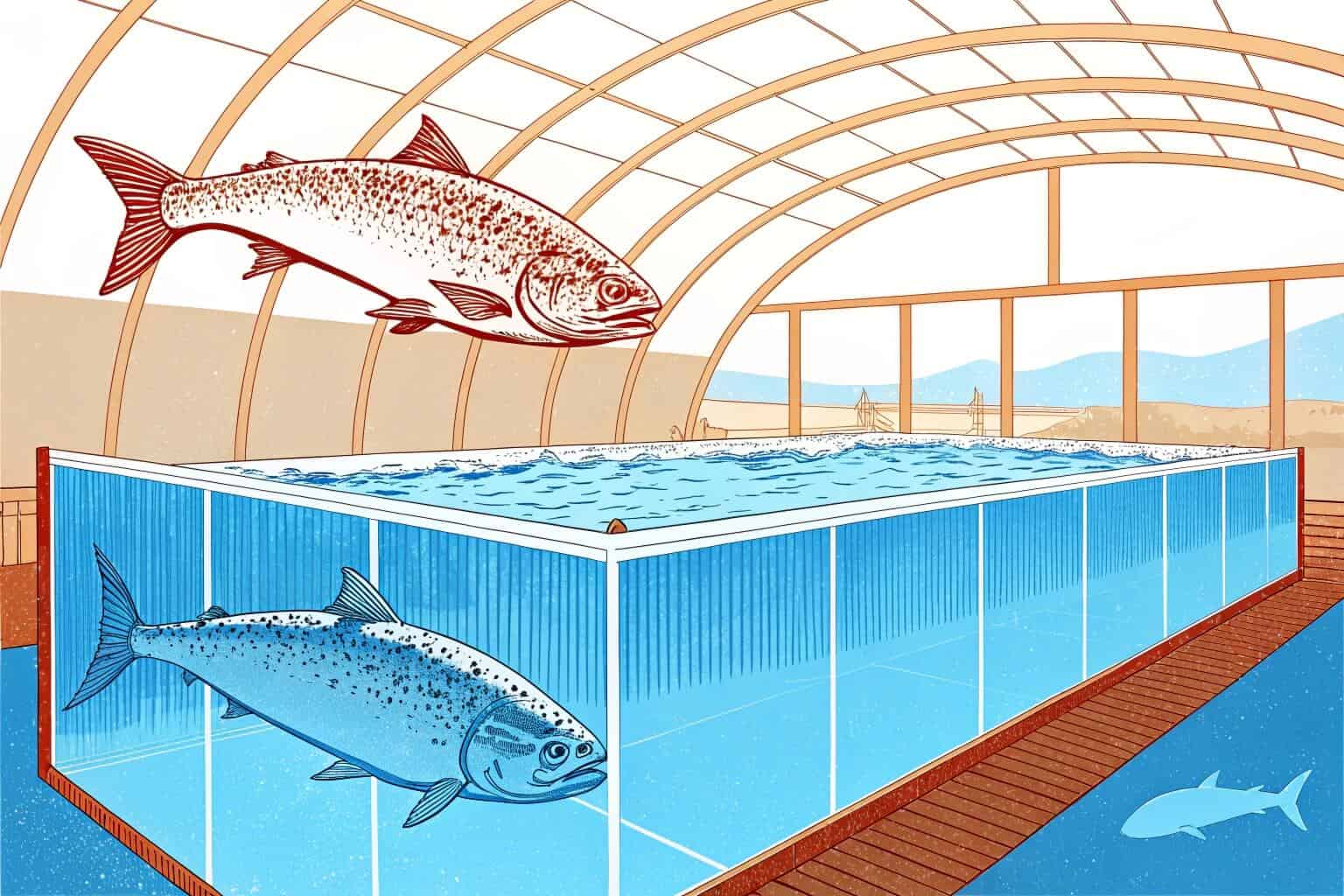
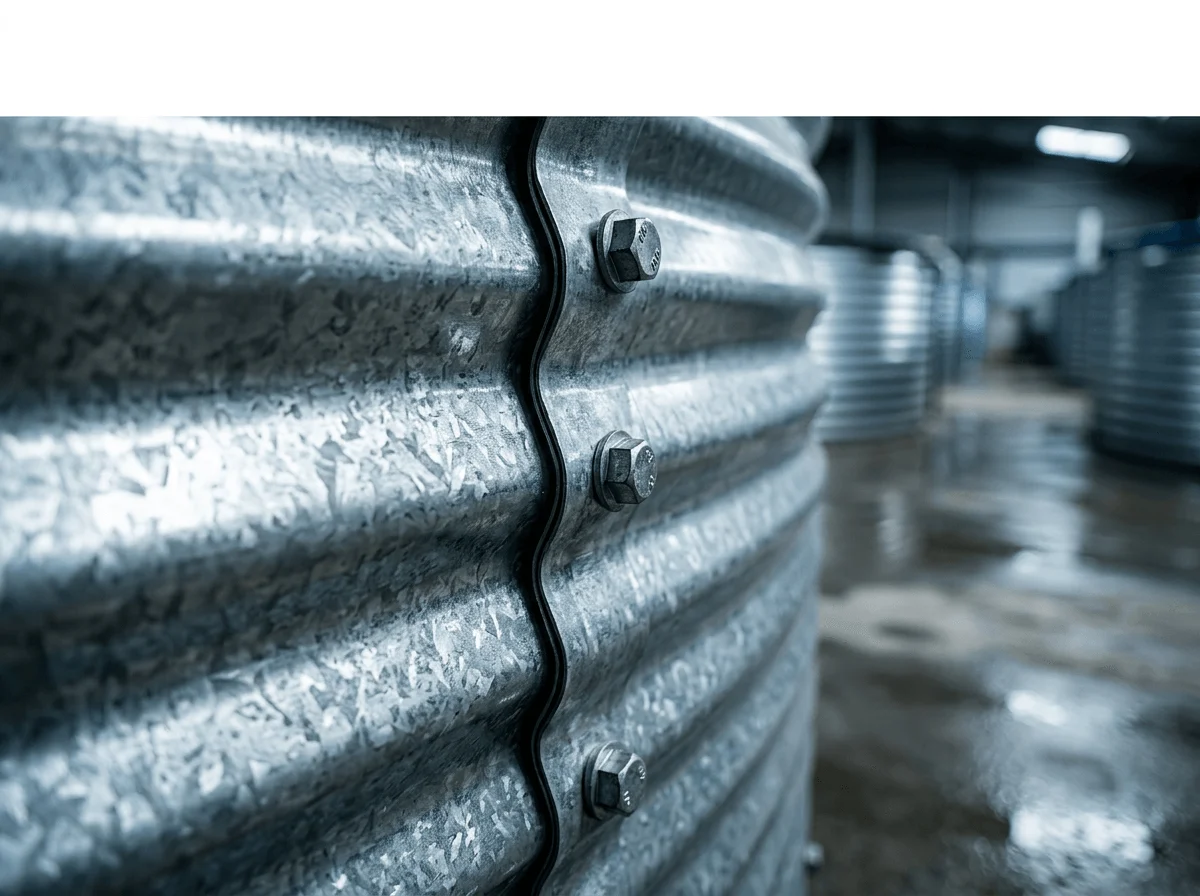
When you move from simple farming to serious investing, the game changes. It is less about ease and more about market value. I have worked with investors who focus exclusively on these high-value species. They understand that a higher initial cost, when managed correctly, can lead to significant profits. These fish are not for beginners, but for those ready to operate at a more professional level, the rewards can be substantial. It requires careful planning and the right infrastructure, like our robust galvanized sheet tanks6 that are built for long-term, intensive use.
The High Reward of Salmon Farming
Salmon is like the blue-chip stock of the fish world. The demand is consistently high, especially for sustainably farmed products7. I have seen operations in cooler climates yield incredible profits by exporting to high-demand markets. However, it is not simple. Salmon require pristine, cold water and a carefully managed environment to thrive. The initial investment in cooling systems and large, durable tanks is significant. But the profit margins can be impressive. A successful salmon farm is not just a farm; it is a high-performing asset8. The key is having the right equipment that can withstand the demands of a commercial operation.
Is Trout Farming a Good Investment?
Trout is another excellent high-value option, particularly popular in the restaurant industry, which creates steady demand. While it also needs cold water, the technical requirements can be slightly less demanding than for salmon, making it a strong alternative. I have advised clients who found a profitable niche supplying fresh trout9 to local high-end restaurants. They used our galvanized pipe tanks10 to create a reliable, multi-tank system that allowed for a continuous harvest cycle. For an investor, Trout offers a balanced portfolio of high value and manageable operations.
| Feature | Trout | Salmon |
|---|---|---|
| Initial Investment | High | Very High |
| Water Requirement | Cold, clean water | Pristine, very cold water |
| Primary Market | High-end restaurants, local markets | Global export, premium retail |
| Technical Difficulty | High | Very High |
| Profit Margin | High | Very High |
What is the most demanded fish?
You are ready to farm, but you need to know your product will sell. There is nothing worse than investing time and money into a harvest that nobody wants to buy.
The most demanded fish on the global market are Tilapia, Tuna, and Cod. These three species are dietary staples across the world, driving massive trade volumes and ensuring that a well-run farm will always have a large and hungry market waiting for its product.
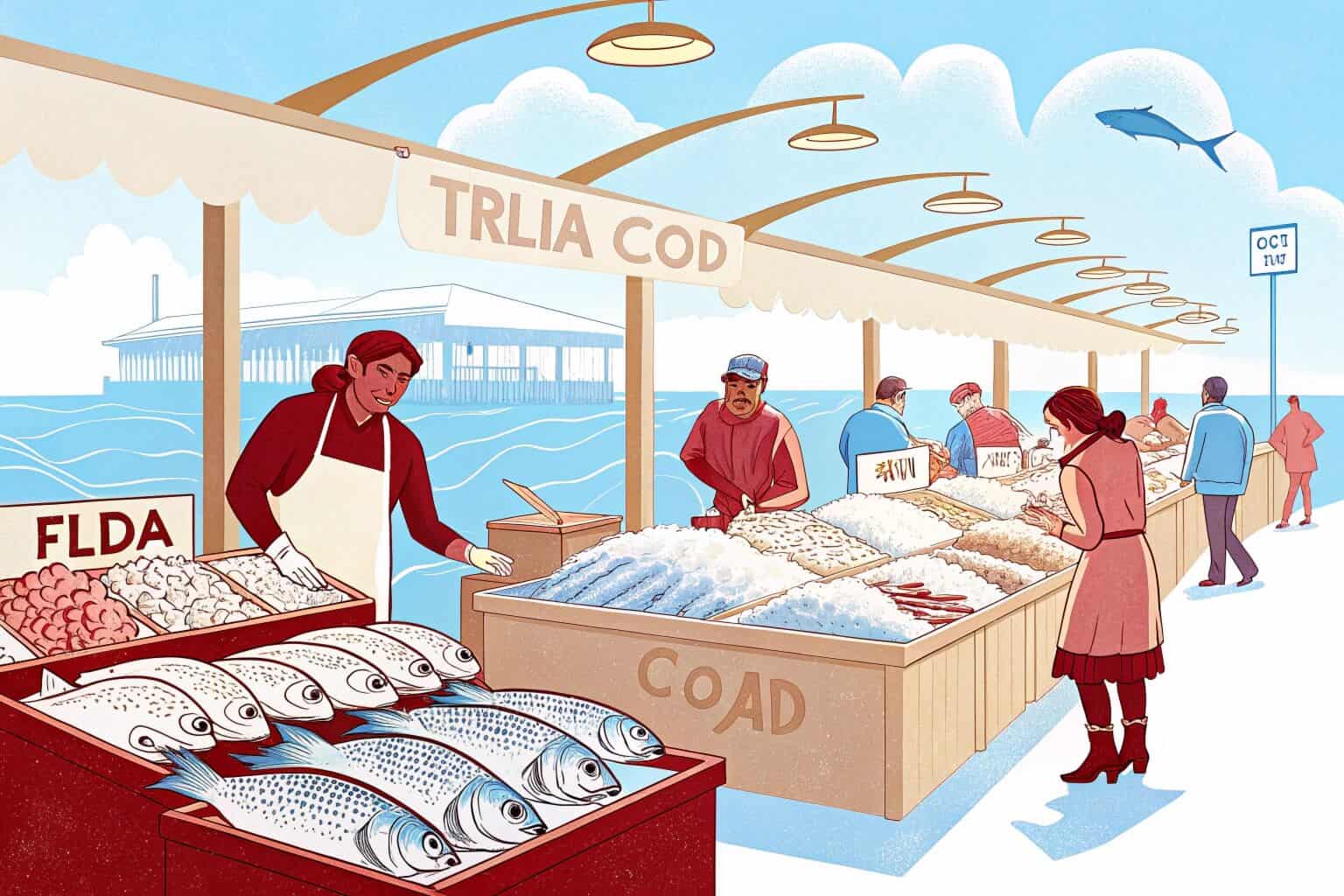
Understanding market demand is everything. I have seen farmers succeed or fail based on this one factor. You can grow the healthiest fish in the world, but if there is no market for it, you have a hobby, not a business. The global appetite for protein11 is soaring, and fish is a primary source. In 2022 alone, production topped 200 million tons. By focusing on a fish that is already a household name, you tap into a pre-existing demand stream. This reduces your marketing burden and lets you focus on what you do best: farming.
Tilapia’s Global Popularity
I keep coming back to Tilapia for a reason. It is a global phenomenon. Its mild flavor, firm texture, and affordable price12 make it a favorite from Asia to America. It is incredibly versatile in the kitchen, which is why it is a staple in both homes and restaurants. For a farmer, this is golden. It means you have a broad customer base. I remember a client who was worried about selling their first harvest. They listed it with a local distributor, and the entire stock was sold in two days. That is the power of farming a high-demand fish13. You are not trying to create a new market; you are simply supplying an existing one.
Matching Your Farm to Market Demand
While global demand for fish like Tuna and Cod is huge, farming them can be very difficult for an independent operator. This is why it is critical to match your ambition with your capabilities. For most farmers I work with, Tilapia remains the sweet spot. It has massive global demand14 and is also perfectly suited for local markets. I once helped a small agricultural co-op set up a series of our collapsible fish tanks15 to supply Tilapia to nearby towns. They could not keep up with the demand and have since doubled their capacity. They succeeded because they chose a fish with proven demand that they could raise effectively.
| Feature | Tilapia | Tuna | Cod |
|---|---|---|---|
| Global Demand | Very High | Very High | High |
| Farming Difficulty | Low | Extremely High | High |
| Suitability for Small Farms | Excellent | Not Feasible | Challenging |
| Market Price | Affordable | Premium | Mid-to-High |
| Primary Consumption | Retail, Food Service | High-end (Sashimi), Canned | Food Service, Processed |
What is the profit of fish farming?
Let’s get to the bottom line: is fish farming truly profitable? You hear success stories, but also tales of failure, and you need to know if the financial reward is worth the risk.
Yes, fish farming is very profitable. Profit margins typically range from 10% to over 30%, depending on the fish species and management efficiency. Even a small backyard farm using a simple setup can generate thousands of dollars in annual profit, making it a scalable business.
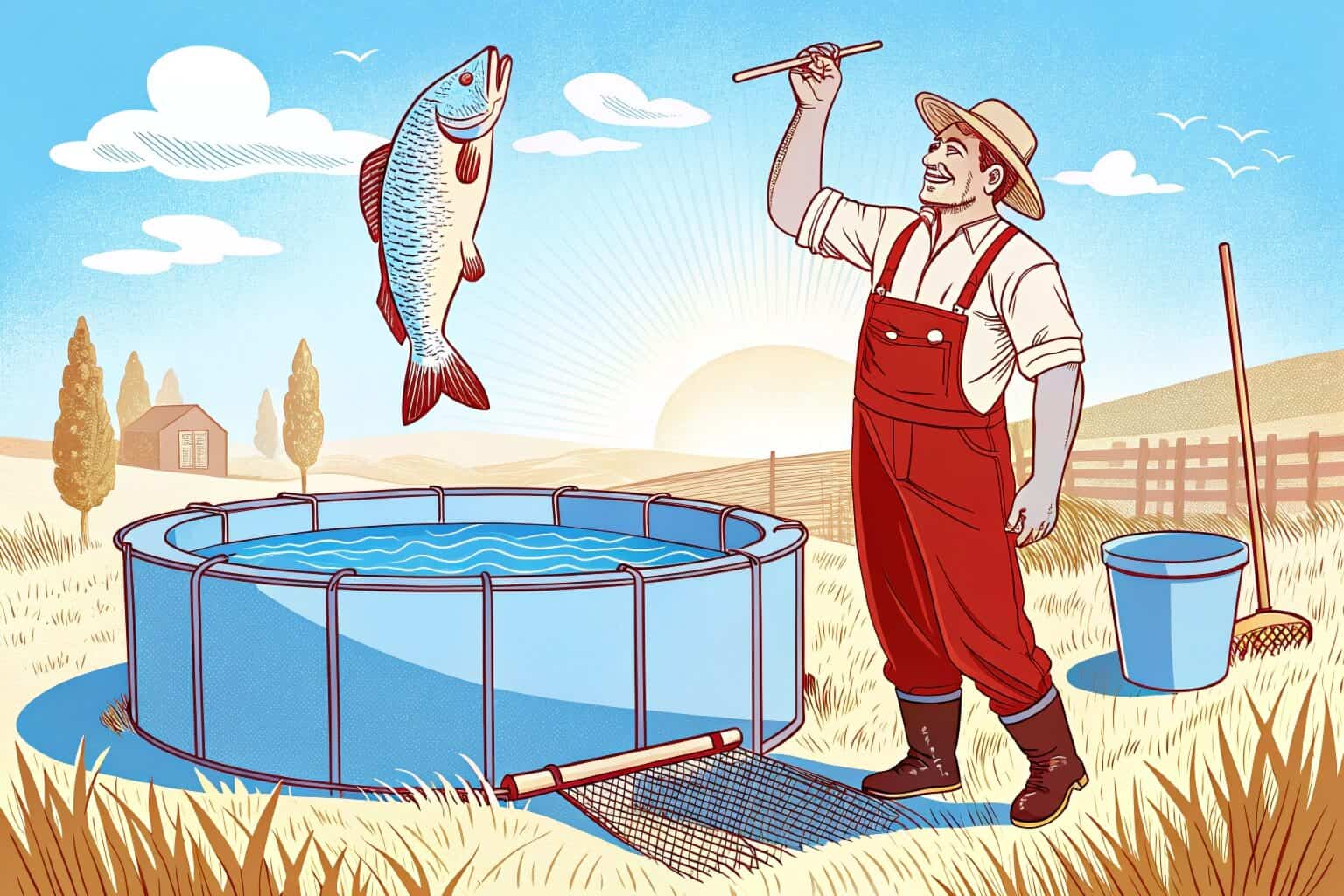
I have seen the numbers firsthand with hundreds of clients. Profit is not a guarantee—it is the result of careful planning and hard work. The beauty of fish farming is its scalability16. You can start small, maybe with a single collapsible tank in your yard, and test the waters. As you learn and your profits grow, you can reinvest in more tanks and expand your operation. This low-risk entry point is what makes it such an attractive business. Let’s break down a simple example to show you what is possible.
Calculating Your Potential Profit
To understand your profit, you first need to understand your costs. The main expenses are the initial equipment, the young fish (fingerlings), and the feed. Feed is usually the largest ongoing cost. For equipment, starting with something like our Bancy collapsible fish tank17 keeps the initial investment low. Let’s imagine you start a small-scale Tilapia farm18. You will have your tank cost, the cost of fingerlings, and about six months of feed. On the other side of the equation is your revenue: the total weight of your harvested fish multiplied by the current market price. The difference between your revenue and your costs is your profit.
A Sample Profit Calculation
Let’s put some real numbers to it. Here is a conservative estimate for a small backyard Tilapia farm using one of our tanks.
| Item | Cost/Revenue |
|---|---|
| Bancy Collapsible Fish Tank | -$500 |
| Tilapia Fingerlings (1,000)19 | -$200 |
| Feed for 6 Months | -$800 |
| Total Costs | -$1,500 |
| Harvested Fish (approx. 500 kg @ $5/kg) | +$2,500 |
| Net Profit (per cycle)20 | +$1,000 |
This simple example shows a net profit of $1,000 from a single tank in just six months. With two harvest cycles a year, that is $2,000 in profit from one tank. I have seen clients start with one or two tanks and quickly scale to ten or more, turning a small side project into their main source of income. The potential is there.
Conclusion
Fish farming is a profitable and rewarding business. By choosing the right fish, starting smart, and understanding your market, you can turn a small seed of an idea into a thriving enterprise.
- Understanding water quality management is crucial for healthy fish farming; explore this link to learn essential techniques. ↩
- Explore the advantages of raising Tilapia, including their resilience and fast growth, to enhance your aquaculture knowledge. ↩
- Discover the top collapsible plastic fish tanks that can optimize your aquaculture setup and improve your fish-raising experience. ↩
- Discover the unique advantages of fish that can breathe air, enhancing your understanding of aquatic survival. ↩
- Learn why catfish are a smart investment for beginners, maximizing profits in aquaculture. ↩
- Discover why galvanized sheet tanks are essential for serious aquaculture operations and how they enhance productivity. ↩
- Exploring this link will provide insights into the advantages of sustainable farming, crucial for understanding market demand. ↩
- This resource will help you understand the characteristics that define high-performing assets, essential for successful investments. ↩
- Explore this link to understand the lucrative opportunities in supplying fresh trout to high-end restaurants. ↩
- Learn how galvanized pipe tanks can enhance aquaculture efficiency and support continuous harvest cycles. ↩
- Exploring this link reveals insights into market trends and opportunities for fish farmers to meet rising protein demands. ↩
- Discover why Tilapia’s affordability makes it a popular choice for consumers and restaurants alike. ↩
- Explore this link to understand the lucrative opportunities in farming high-demand fish like Tilapia. ↩
- Understanding the factors behind global demand can help farmers make informed decisions and optimize their production strategies. ↩
- Learn about collapsible fish tanks and how they can optimize space and efficiency in fish farming. ↩
- Learn how scalability can enhance your business growth and profitability in various industries. ↩
- Discover the advantages of collapsible fish tanks, which can help reduce initial investment costs in aquaculture. ↩
- Explore this link to gain insights on essential factors for a successful Tilapia farming venture. ↩
- Explore this link to find reliable suppliers for Tilapia fingerlings, ensuring a healthy start for your fish farming venture. ↩
- Understanding net profit calculations is crucial for maximizing your earnings in aquaculture; this resource will guide you through it. ↩