Are you wondering where the ornamental fish market is heading? It’s a world shifting from hobbyists to large-scale professional operations, creating unexpected new demands and opportunities for those who can see them. This isn’t your grandpa’s aquarium hobby anymore.
The global ornamental fish market is rapidly professionalizing, moving away from wild-caught fish to large-scale aquaculture. It is expected to surpass $7 billion in 2025, driven by massive production increases in Southeast Asia and a growing demand for high-value, rare species in Western markets.
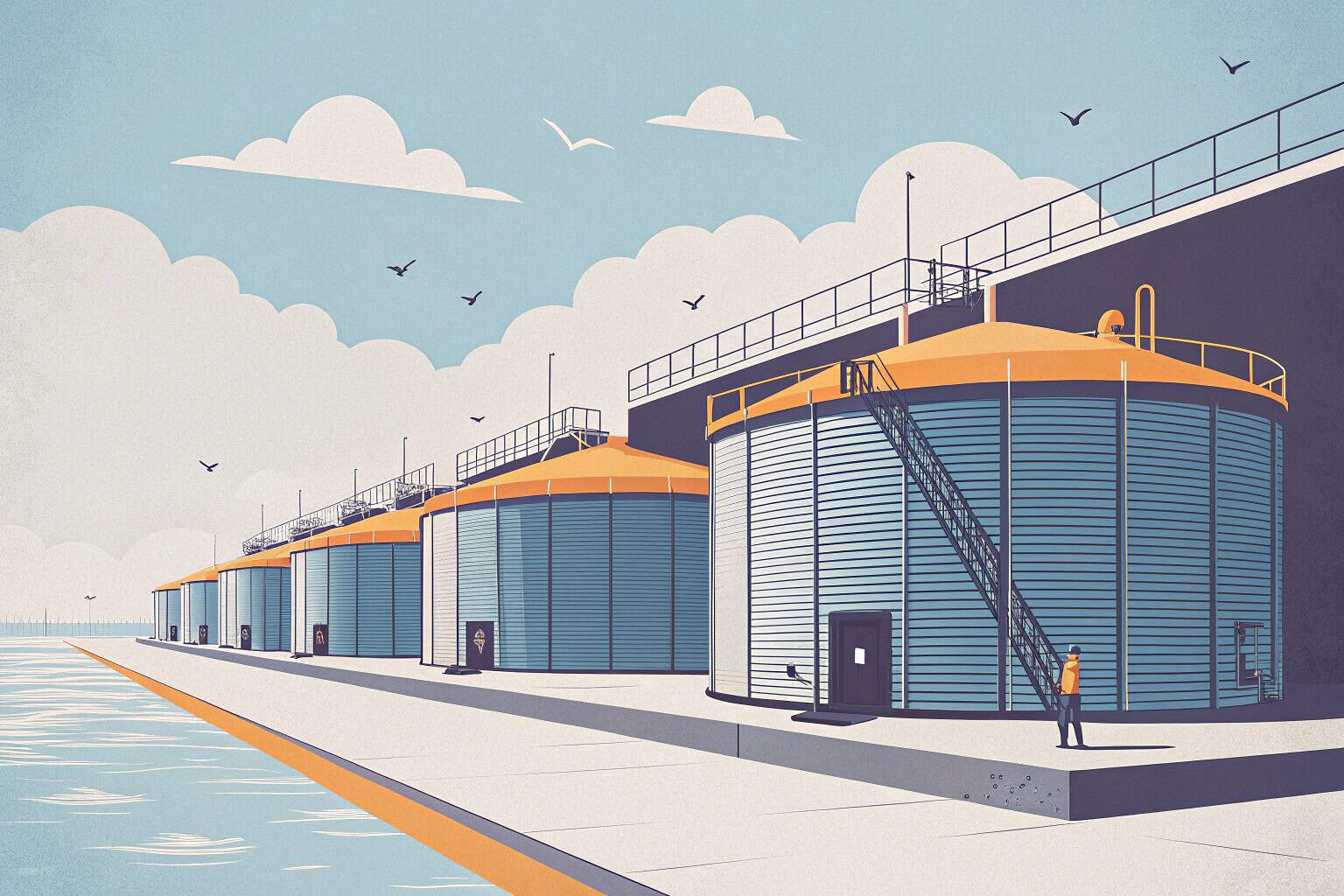
I’ve been in this industry for over a decade, and the changes are stunning. The game isn’t just about beautiful fish anymore; it’s about the technology and infrastructure that supports their growth and gets them to market alive. The real story is hidden in the logistics and equipment. Let’s explore what’s really happening behind the scenes.
What is the demand for ornamental fish?
Struggling to understand who buys ornamental fish? The answer is more complex than just pet owners, with professionals now driving the bulk of the demand and reshaping the entire supply chain from top to bottom.
The demand for ornamental fish is split. High-volume, low-cost fish like tetras and guppies are driven by mass-market suppliers in Southeast Asia. Meanwhile, a strong niche demand for high-value, rare species like discus and arowanas comes from dedicated hobbyists and collectors in Europe and the US.

I’ve seen this shift firsthand. The market is polarizing. On one side, you have the mass producers in Indonesia and Vietnam who are pumping out millions of fish at razor-thin margins. On the other, you have specialized breeders1 catering to a high-end market that values quality above all else. This has created two very different types of customers with distinct needs and purchasing behaviors.
Who are the Real Buyers in 2025?
The true paying customers are not the casual hobbyists browsing pet stores. They are the owners of small to medium-sized ornamental fish farms in Southeast Asia, the managers of export packing centers, and the procurement managers for pet chains in Europe and the US. These are businesses with annual revenues between $500,000 and $5 million2. They aren’t buying fish tanks; they are looking for "fish-holding solutions3." Their goal is simple: increase fish density, lower mortality, improve facility utilization, and accelerate turnover. They need equipment that helps them handle hundreds of thousands of fish, especially for seasonal peaks and pre-export quarantine. Their purchasing decisions are based on cold, hard ROI, not aesthetics.
The Mass Market vs. The High-End Niche
The biggest demand by volume comes from large distributors and pet store chains that need a consistent supply of healthy, affordable fish to stock their shelves. This is where the "ten-dollar fish" like Neon Tetras, Guppies, and Bettas4 dominate. Indonesian farms, for example, can produce up to 80 million fish a year from a single medium-sized facility. Their focus is purely on volume and efficiency. In contrast, the high-end market5 is all about rarity and story. Collectors in Europe and the US will pay top dollar for a unique Discus or a wild-caught-looking Pleco. These buyers are less price-sensitive and more interested in the quality, lineage, and uniqueness of the fish. This is where prices for certain species are actually skyrocketing, creating a lucrative but smaller market for those with the right expertise.
| Market Segment | Key Drivers | Popular Fish | Customer Profile |
|---|---|---|---|
| Mass Market | Low cost, high volume, consistent supply | Neon Tetra, Guppy, Betta, Molly | Large distributors, pet store chains |
| High-End Niche | Rarity, unique colors, story, quality | Discus, Arowana, Rare Plecos, Koi | Specialized collectors, wealthy hobbyists |
How much is the ornamental fish market worth?
Thinking the ornamental fish market is just a small hobby? The numbers tell a much bigger story of a booming global trade that has become a serious agricultural sector with complex needs.
The global ornamental fish market is projected to exceed $7 billion in 2025. This value is not just from the fish themselves but is increasingly driven by the infrastructure, equipment, and technology required for large-scale professional aquaculture.
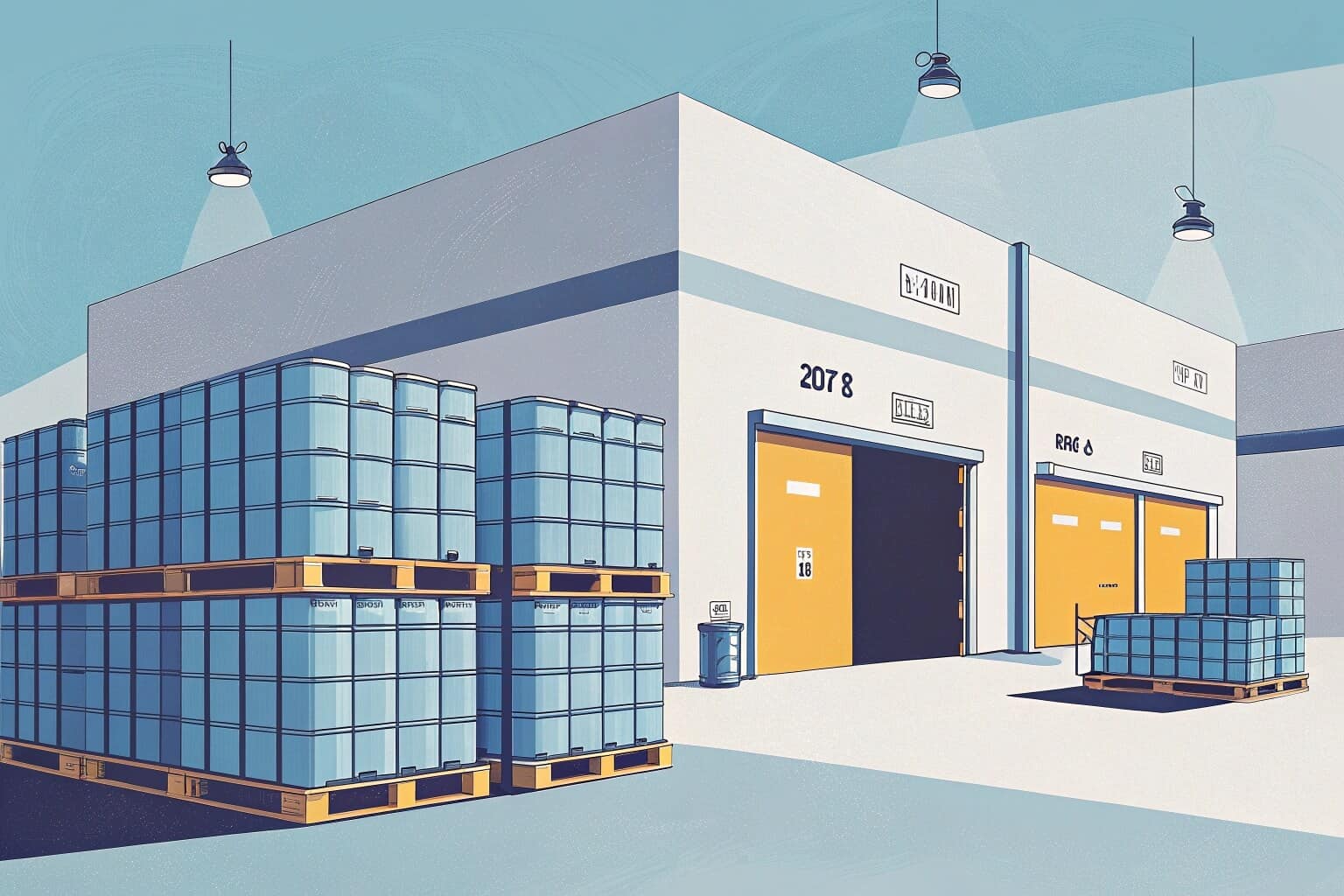
When I look at the numbers, I see a clear trend. While the price of some common fish is dropping due to intense competition, the overall market value is growing. Why? Because the real money is shifting from selling fish to selling the tools that help fish farmers succeed. The investment in professional equipment6 is what’s inflating the market’s total worth, turning it into a significant B2B industry where efficiency is king.
The Real Value is in the Infrastructure
Let’s break down the economics. A farm in Vietnam might sell a Neon Tetra for a few cents, but they produce millions. The profit margin on each fish is tiny. Their biggest challenge, and their biggest cost, is mortality7. If a farm can lower its death rate from 15% to 5%, its profitability explodes. This is where the real spending is happening. Farms are investing heavily in solutions that allow them to increase density, improve survival rates, and boost turnover. This is why we’re seeing a massive demand for professional-grade equipment8. The money isn’t just in the livestock; it’s in the systems that keep the livestock alive and thriving through a complex supply chain.
The ROI of Reducing Mortality Rates
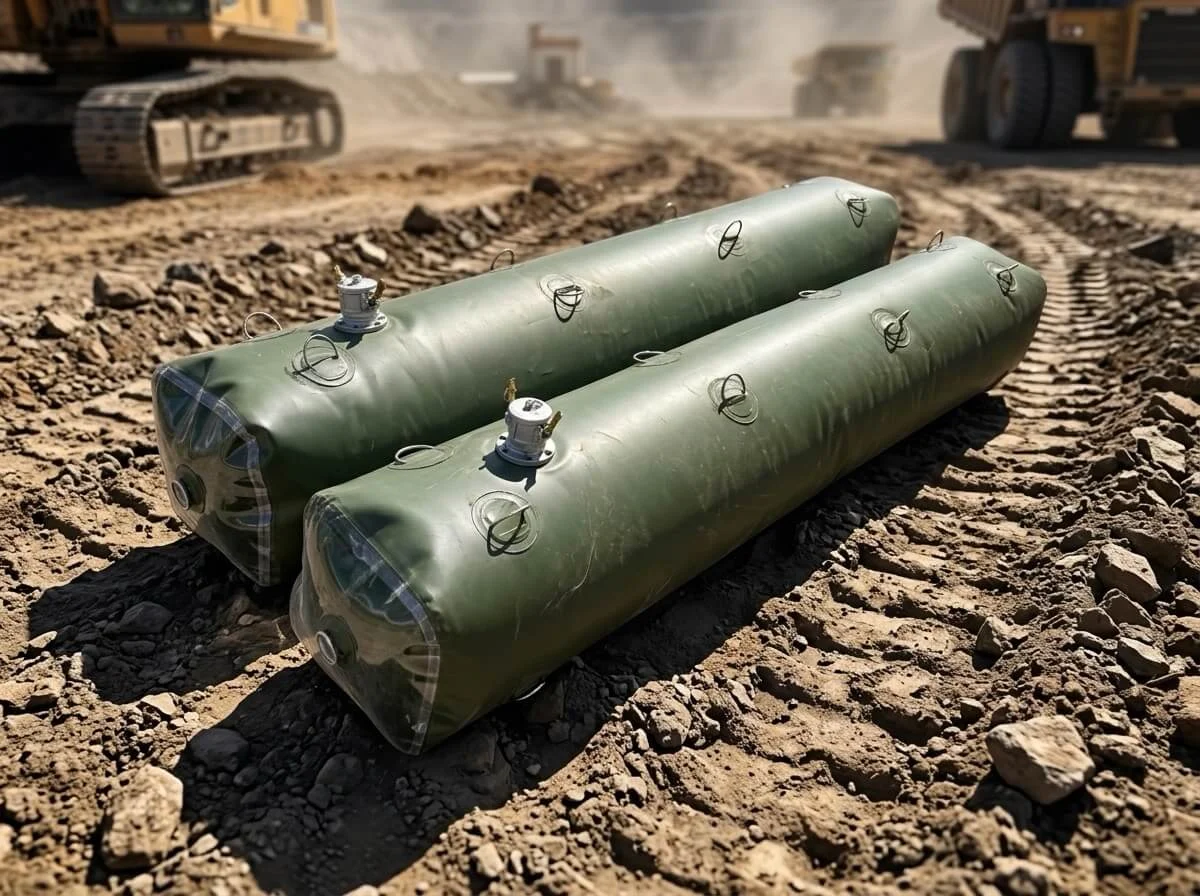
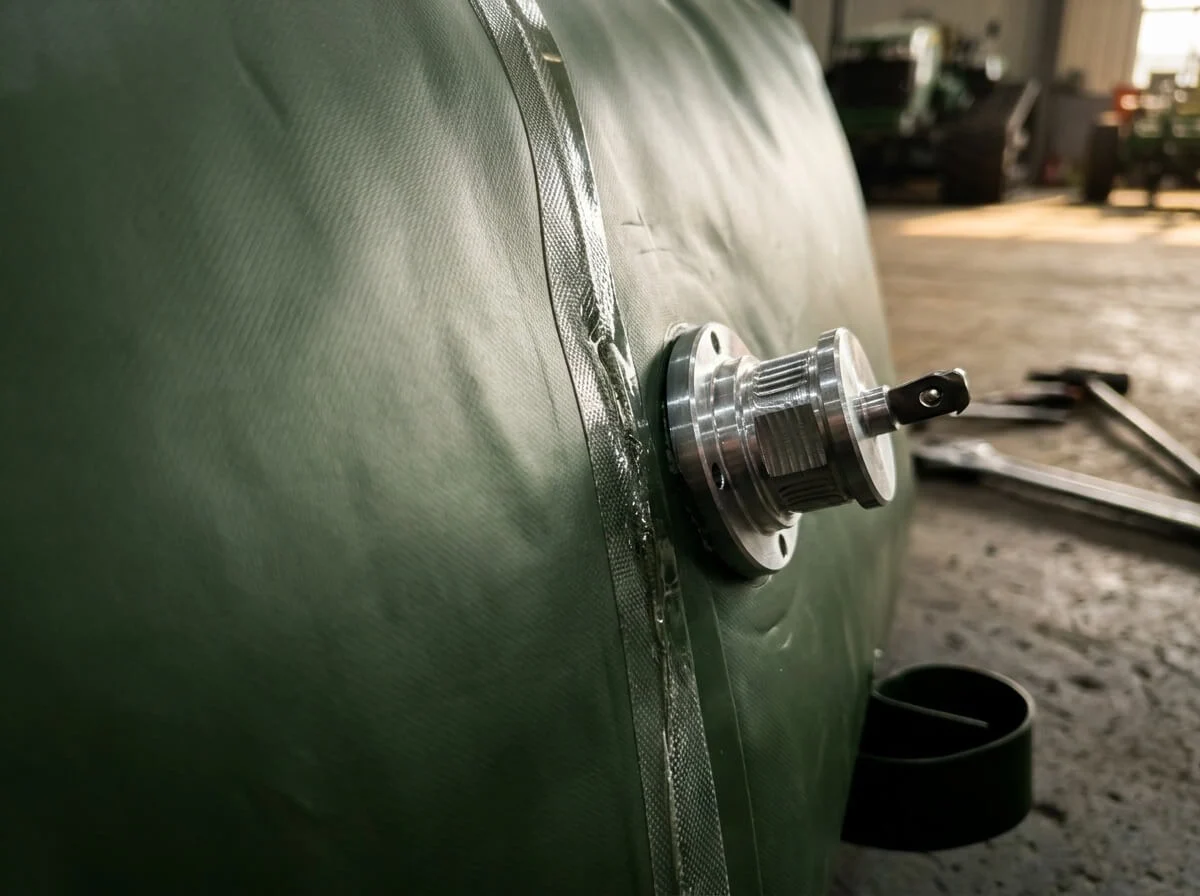
For a farm producing 10 million fish a year, a 10% reduction in mortality means 1 million more fish to sell. This is not a small number; it’s pure profit. This is why farm owners are desperately searching for better holding systems. They are moving away from concrete ponds and glass tanks, which are inflexible, permanent, and hard to manage. They need collapsible tanks9 that can be set up for a sudden large order and then stored away. They need durable materials that prevent leaks and escapes. A high-quality collapsible tank that prevents escapes and is easy to clean is worth far more to a farmer than the fish inside it because it directly impacts their bottom line and operational agility.
| Metric | Scenario A: Standard Tanks | Scenario B: Improved Tanks |
|---|---|---|
| Mortality Rate | 15% | 5% |
| Fish Lost (out of 10M) | 1,500,000 | 500,000 |
| Fish Sold | 8,500,000 | 9,500,000 |
| Additional Revenue | – | +1,000,000 fish |
What is the most popular ornamental fish?
Guessing that a rare, exotic fish is the most popular? The truth is that the market is dominated by affordable, easy-to-breed species that form the foundation of the entire industry. They are the unsung heroes.
The most popular ornamental fish are the "ten-dollar fish" – species like Neon Tetras, Guppies, Mollies, and Bettas. Their popularity is driven by low cost and high-volume production from aquaculture farms in Southeast Asia, making them accessible to everyone.

I’ve handled millions of these fish over the years. While a single Japanese Koi10 can sell for hundreds of thousands of dollars, they are not the backbone of the industry. The real volume comes from the small, colorful, and cheap fish that fill tanks in homes around the world. These are the fish that keep the global trade moving and make the hobby accessible to millions of people, year after year.
Why Volume Beats Value
The ornamental fish trade11 is a game of numbers, and volume is king. The species that can be bred easily, grow quickly, and ship well are the winners. Fish like Guppies and Mollies reproduce quickly with little intervention, making them cheap to produce. Their bright colors and active nature make them a favorite for beginner hobbyists. And because they are small, they can be shipped in high densities, lowering freight costs. While high-value species like Arowanas or show-grade Koi grab headlines, they represent a tiny fraction of the total fish sold. The vast majority of the market, probably over 70%, is composed of these low-cost, high-volume species12 that are the true engine of the industry.
The “Ten-Dollar Fish” That Run the Industry
When we talk about the "ten-dollar fish," we are referring to the workhorses of the industry: Neon Tetras13, Cardinal Tetras, Guppies, Platies, Swordtails, and Bettas. These species are the bread and butter for exporters in Indonesia, Thailand, and Vietnam. Their entire business model is built on producing these fish by the millions. The competition is fierce, which keeps prices low for consumers but puts immense pressure on producers to be as efficient as possible. This efficiency is not just about breeding; it’s about minimizing losses at every stage, from hatching to shipping. That’s why the equipment they use is so critical to their success and profitability.
| Common “Workhorse” Species | Key Characteristics | Primary Exporting Countries |
|---|---|---|
| Neon Tetra | Small, colorful, peaceful, schools well | Indonesia, Vietnam |
| Guppy | Very prolific, many color varieties, hardy | Thailand, Indonesia |
| Betta (Fighting Fish)14 | Vibrant colors, unique fins, can be kept alone | Thailand |
| Platy / Swordtail | Livebearer, easy to breed, peaceful | Indonesia, Vietnam |
| Cardinal Tetra | Bright red stripe, slightly more sensitive | Colombia, Brazil (Farmed) |
What is the global trade of ornamental fish?
Do you think ornamental fish are still caught in the wild? While some are, the global trade has transformed into a sophisticated farming and export business, centered in Southeast Asia and driven by logistics.
The global trade is dominated by aquaculture farms in countries like Indonesia, Thailand, Vietnam, and the Philippines. These countries supply over 70% of the world’s freshwater ornamental fish, focusing on efficient, large-scale breeding and export operations.
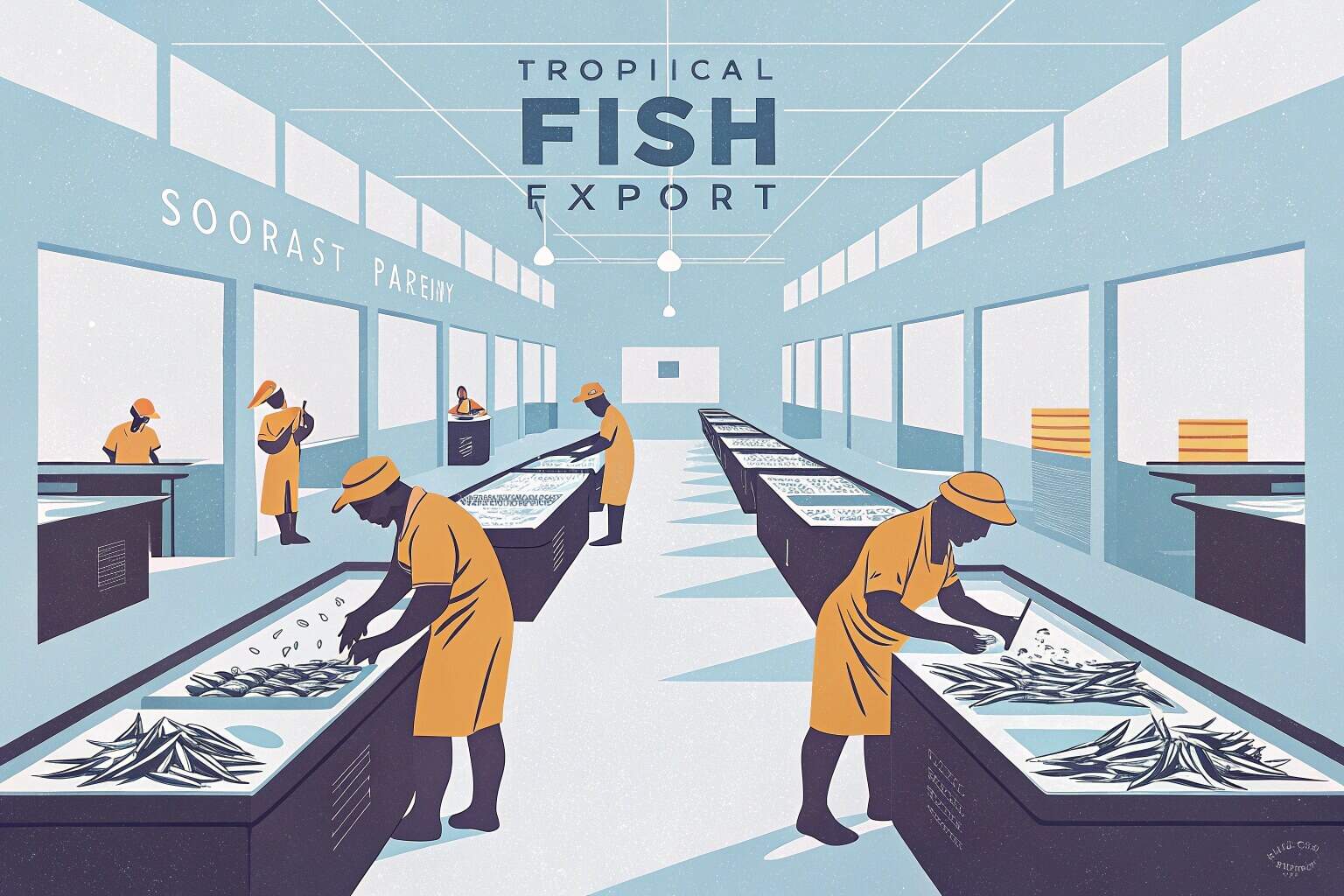
I’ve visited these farms, and it’s a world away from the old image of fishermen on a river. We’re talking about massive, organized facilities designed for one purpose: producing fish for export. The real challenge for these businesses is no longer breeding the fish, but managing them efficiently through a complex global supply chain15. This is where the demand for better, more flexible equipment16 comes in.
Southeast Asia: The World’s Fish Farm
Countries like Indonesia, Thailand, and Vietnam have become the global hub for freshwater tropical fish17. They have the ideal climate, low labor costs, and the expertise to breed fish on an industrial scale. An Indonesian farm can specialize in Tiger Barbs, a Thai farm in Bettas, and a Vietnamese farm in Rasboras, each dominating the global supply for that species. They have created an incredibly efficient supply chain that can get fish from a pond in Asia to a pet store in Ohio in just a few days. This level of coordination and scale is what defines the modern ornamental fish trade18 and its reliance on robust, adaptable infrastructure.
The Challenge of Seasonal Demand and Export
One of the biggest headaches for these exporters is managing fluctuating demand. They might have a massive order from a European distributor that needs to be fulfilled within a short window. This requires holding tens of thousands of fish in quarantine before shipping. You can’t build permanent concrete tanks for this; it’s not flexible enough and it’s a waste of capital. This is the exact problem that modern, collapsible fish tanks19 solve. A farm manager can set up hundreds of 1,000-gallon tanks in a day, prepare the shipment, and then pack the tanks away, freeing up the space for other uses. This flexibility20 is essential for survival and profitability in the fast-paced export market.
| Feature | Traditional Systems (Concrete/Glass) | Modern Collapsible Tanks (PVC/TPU) |
|---|---|---|
| Flexibility | Low (Permanent structures) | High (Can be set up and stored as needed) |
| Scalability | Difficult and expensive to scale | Easy and fast to scale for large orders |
| Space Utilization | Poor (Fixed footprint) | Excellent (Frees up space when not in use) |
| Initial Investment | High (Construction and materials) | Lower (Per unit cost and setup) |
| Use Case | Stable, long-term breeding | Quarantine, seasonal demand, temporary holding |
Conclusion
The ornamental fish market has evolved far beyond a simple hobby into a full-fledged global industry. The real opportunity in 2025 isn’t in selling the fish, but in providing the critical infrastructure that enables large-scale, professional fish farming worldwide.
- Exploring how specialized breeders operate can reveal trends in quality and consumer preferences in the fish industry. ↩
- This resource provides insights into businesses in this revenue range, helping you understand market dynamics and opportunities. ↩
- Explore this link to discover effective fish-holding solutions that can enhance your farm’s efficiency and profitability. ↩
- Explore this link to understand the unique traits and care requirements of these popular fish, enhancing your knowledge for better pet care. ↩
- Discover insights into the high-end fish market, including trends and buyer motivations, to better navigate this lucrative niche. ↩
- Exploring the advantages of professional equipment can help fish farmers enhance productivity and profitability. ↩
- Understanding mortality reduction strategies can significantly enhance fish farming profitability and sustainability. ↩
- Exploring the advantages of professional-grade equipment can help farmers make informed investments to improve their operations. ↩
- Explore how collapsible tanks can enhance fish farming efficiency and profitability. ↩
- Explore this link to understand the market dynamics and pricing of Japanese Koi, a fascinating aspect of fish trading. ↩
- Explore this link to understand the economic significance and trends in the ornamental fish trade. ↩
- Discover why low-cost, high-volume species dominate the market and their importance in the industry. ↩
- Explore expert care tips for Neon Tetras to ensure a thriving aquarium and healthy fish. ↩
- Learn essential care techniques for Betta fish to enhance their well-being and vibrant colors. ↩
- Understanding the global supply chain in fish farming can provide insights into the complexities and innovations in the industry. ↩
- Exploring the benefits of flexible equipment can reveal how it enhances efficiency and productivity in modern fish farming operations. ↩
- Explore this link to understand the advantages and innovations in freshwater tropical fish farming, especially in Southeast Asia. ↩
- Discover insights into the global ornamental fish trade, its dynamics, and the key players shaping the industry. ↩
- Explore how collapsible fish tanks can enhance flexibility and efficiency for exporters, addressing fluctuating demand effectively. ↩
- Understanding the importance of flexibility in fish farming can help optimize operations and improve profitability. ↩