Are you tired of high water bills? It feels wrong to let all that free rainwater just wash away, especially when you could be using it. Rainwater harvesting is a simple, green solution to save money and water. It is a small change that can make a big difference for your wallet and the planet.
The best method really depends on what you need. For most homes, a simple rain barrel works perfectly for the garden. But for larger needs, like a small farm, an underground tank is better. The best choice is the one that fits your specific situation, because a one-size-fits-all approach just does not work here.
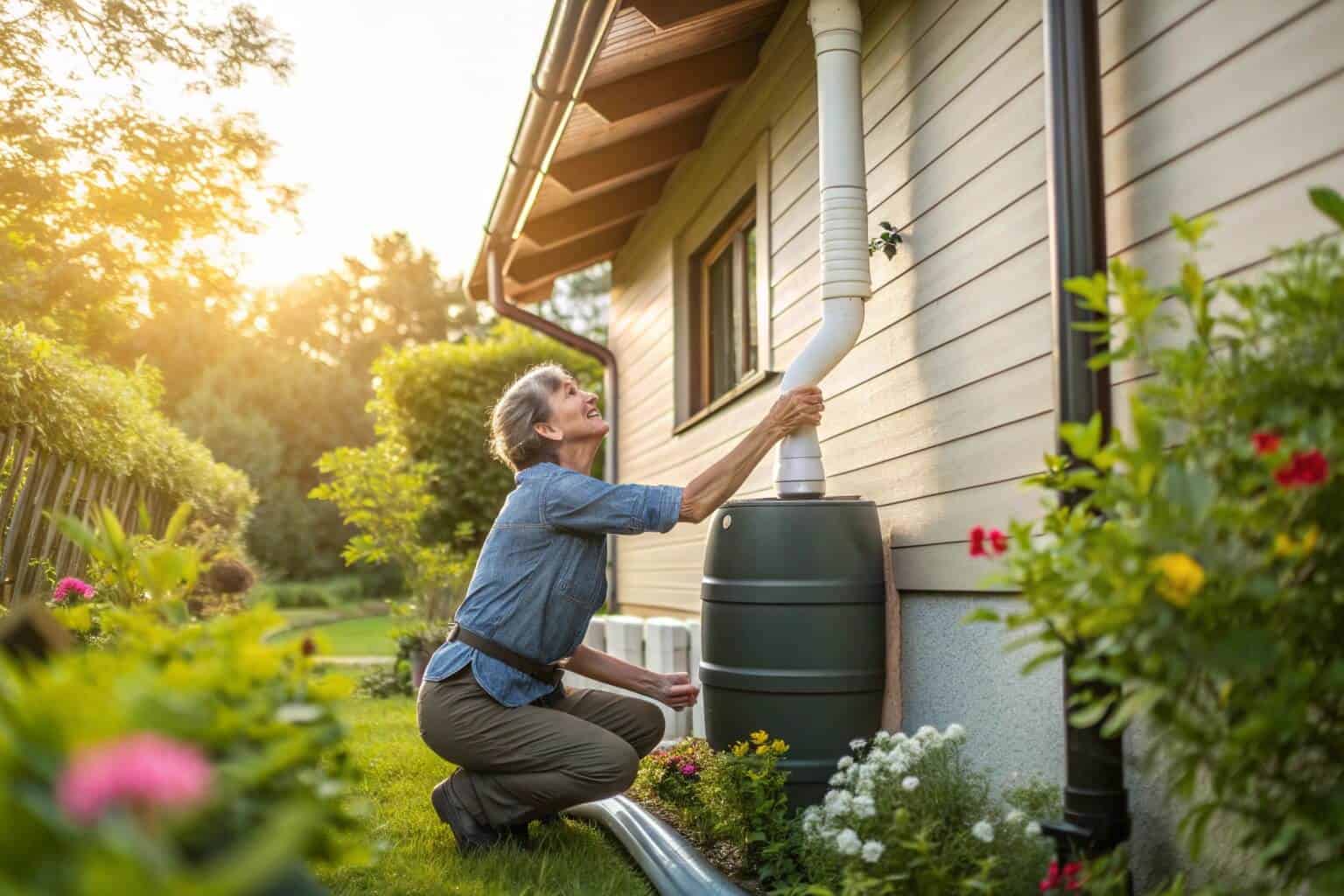
So, you can see there is no single "best" way to collect rainwater. It is all about finding what is best for you and your home. As someone who has been in the liquid packaging and management industry for years, I have seen the market for rainwater collection grow from about $1.6 billion to a projected $2.3 billion by the end of 2024. This incredible growth is fueled by people just like you who are looking for smarter, more sustainable solutions. This shows more and more people are seeing the benefits. Let’s look at the details to help you find the perfect system for your needs.
What is the most efficient way to collect rainwater?
Is your current rain barrel overflowing during heavy rain? It is frustrating to watch all that good water go to waste, knowing your garden will need it later. You can capture much more of it with a more efficient system. A better setup means you will not lose a single drop of that precious resource.
The most efficient way to collect rainwater uses a first-flush diverter and a good filter. This setup gets rid of the initial dirty water from your roof and then saves the cleaner water that follows. This ensures the water you store is higher quality from the very beginning.
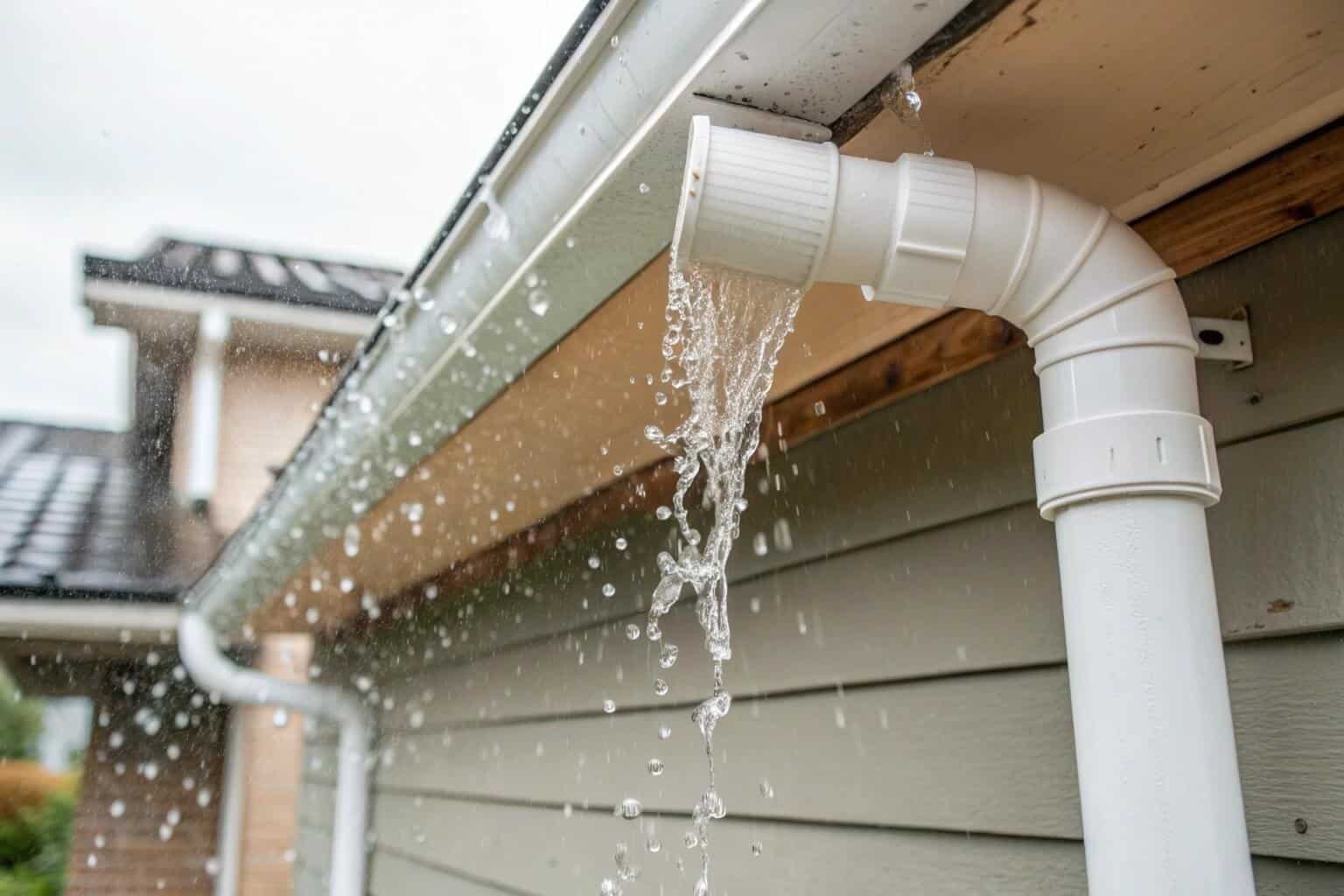
From my experience, efficiency is about both quantity and quality. You want to collect as much water as possible, but you also want it to be clean enough for your intended use. An efficient system is designed to do both. It starts with your roof and ends in your storage tank. Every component plays a part in maximizing how much clean water you can save. This is especially important in areas where rainfall is not always predictable. Getting the most out of every downpour makes a real difference. Investing in efficiency now means you will have more water available during dry spells. Let’s break down the key parts of an efficient system1.
Key Components for Efficiency
A truly efficient system is more than just a barrel under a downspout. It involves a few key upgrades that work together. A first-flush diverter2 is probably the most important. It diverts the first few gallons of rainfall, which washes away most of the dust, bird droppings, and leaves from your roof. After this "first flush," the cleaner water is then directed into your tank. This simple device dramatically improves the quality of your collected water. Another key part is the filter. Simple mesh screens can keep out leaves and insects, but better systems use finer filters to remove smaller particles.
Your Roof and Gutters
The material of your roof also matters. A smooth, non-porous surface like a metal roof3 is more efficient for collecting water than a rough asphalt shingle roof because less water gets trapped or absorbed. The gutters and downspouts should also be large enough to handle heavy rain without overflowing. Make sure they are clear of debris to allow water to flow freely.
Here is a simple table to show how different parts improve efficiency:
| Component | Purpose | Efficiency Boost |
|---|---|---|
| First-Flush Diverter | Removes initial dirty water | High |
| Gutter Guards | Keeps leaves and debris out | Medium |
| Smooth Roof Surface | Increases water flow | High |
| Large Downspouts | Prevents overflow during heavy rain | Medium |
What is the most common method of rainwater harvesting?
Do you want to start harvesting rainwater but feel lost? The different options can seem complicated, and it is easy to feel overwhelmed. The good news is that most people start with a very simple and common method. You do not need to be an expert to get started.
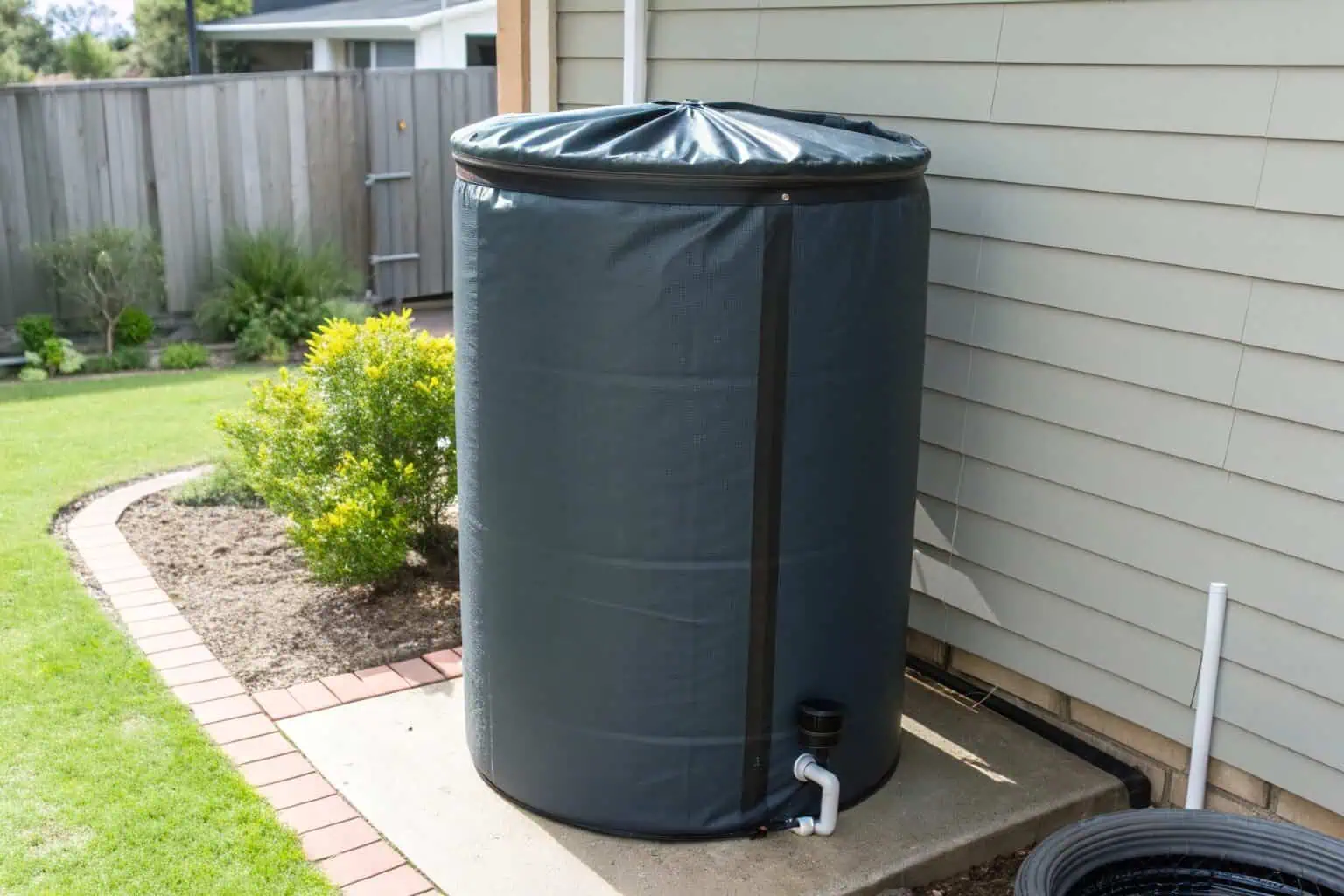
The most common method is using a rain barrel or a tank to catch water from a roof downspout. It is cheap, easy to set up, and great for home gardeners and beginners. Almost anyone can install one in an afternoon.
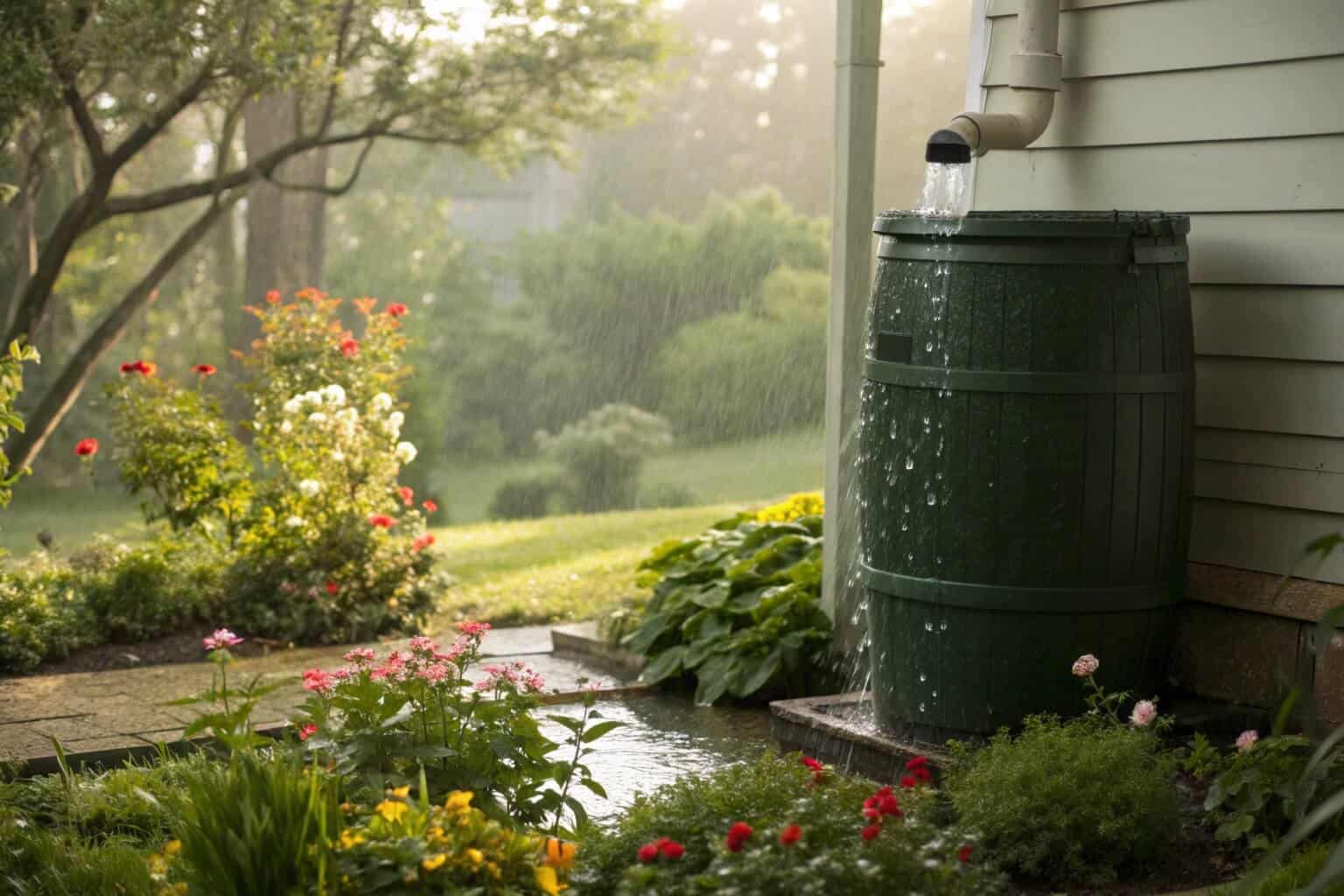
When people first get into rainwater harvesting4, they usually don’t need a complex system. They just want an easy way to get some extra water for their garden or for washing the car. That is why the simple rain barrel5 is so popular. It is a gateway to understanding the benefits of saving water. I have seen thousands of customers start this way. They connect a barrel to a downspout and are amazed at how quickly it fills up. It is a practical first step that makes a visible impact on water usage and bills. It is a satisfying project that delivers immediate results.
Simple Barrels and Tanks
The most basic setup is a single barrel, usually between 50 and 100 gallons (about 200 to 400 liters). You can find them at most garden stores. You just place it under a downspout, and you are ready to collect water6. It is that simple. For people with larger gardens or bigger properties, above-ground tanks7 that hold several hundred gallons are also common. They work on the same principle but just store more water, giving you a larger reserve for dry periods.
The Rise of Collapsible Barrels
In my line of work, I have seen a big increase in the popularity of collapsible rain barrels8. They are a fantastic innovation. For instance, the models from BANCY use high-quality, UV-resistant PVC9 and advanced dual-layer welding to ensure they are durable and do not leak. The main advantage is storage. You can easily fold them up and put them away during the dry season or if you move. They are also lightweight and easy to set up, offering the capacity of a rigid barrel with much more flexibility.
Can I drink harvested rainwater?
Are you wondering if the rainwater you collect is safe to drink? It is a natural question, but the answer is not as simple as you might think. Drinking contaminated water can cause serious health issues. You can drink rainwater, but you must treat it correctly first. Your safety should always be the top priority.
You should never drink untreated rainwater. It can have bacteria, chemicals, and dirt from your roof. To make it safe, you have to purify it by boiling it, using a UV sterilizer, or a special filter. Without proper treatment, it is best to only use it for things like watering plants.
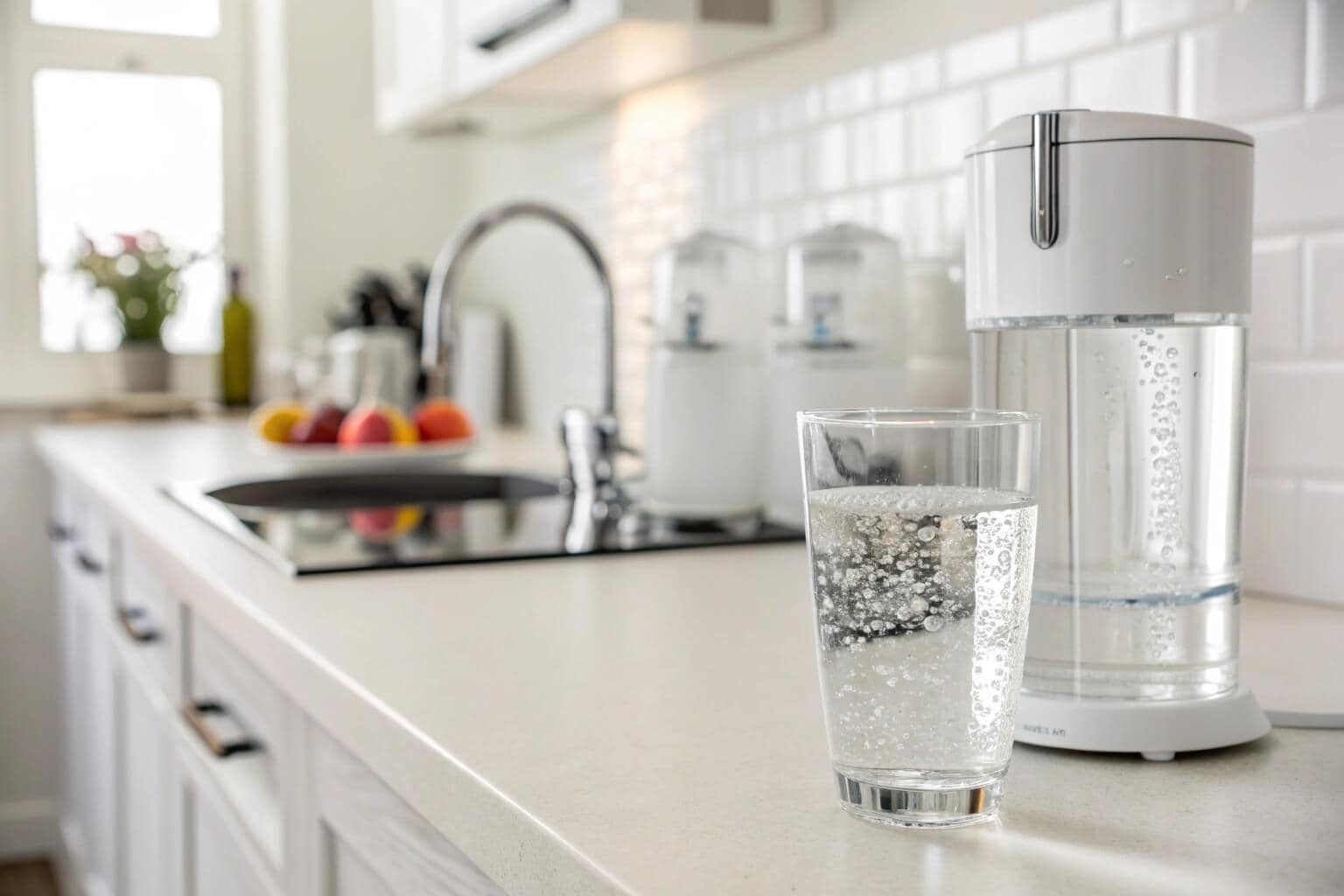
This is a question I get all the time, and I always give the same advice: be very careful. Rainwater10 seems pure, but it washes over your roof before it gets to your tank. Your roof is not a clean surface. It collects dust, pollution from the air, and droppings from birds and other animals. All of that can end up in your water. While it is perfectly fine for watering plants, it is not safe for drinking without purification11. Your health is not worth the risk. I always tell people to err on the side of caution. So, unless you are prepared to properly treat the water, you should only use it for non-drinking purposes.
Risks of Drinking Untreated Rainwater
The main risks come from microorganisms like bacteria and viruses12, which can cause stomach illnesses. You cannot see them, but they can be there. There is also the risk of chemical contamination13 from your roofing materials or from air pollution, especially in cities. Over time, these contaminants can build up in your storage tank.
How to Make Rainwater Safe to Drink
If you want to drink rainwater, you must have a reliable purification system14. There are several methods you can use, and some are more effective than others. Investing in a good system is essential if drinking is your goal.
| Treatment Method | How It Works | Best For |
|---|---|---|
| Boiling | Kills most bacteria, viruses, and parasites. | Small amounts of water in an emergency. |
| UV Sterilization | Uses ultraviolet light to kill microorganisms. | Automated systems that treat water as you use it. |
| Multi-Stage Filtration15 | Uses several filters to remove particles, chemicals, and germs. | Whole-house systems for a reliable supply. |
I always tell my clients to think of rainwater as a resource. It is a valuable resource for your garden, for cleaning, and for emergencies. But it is not automatically drinking water. Treat it with respect, and it will serve you well.
How long can harvested rainwater be stored?
Are you worried that your stored rainwater will go bad? It is a valid concern. Stagnant, open water can become a home for algae and mosquitoes. But with the right container, you can store water for months. The solution is simpler than you might think.
You can store harvested rainwater for several weeks or even a few months. The trick is to use a dark, sealed container that blocks sunlight and keeps bugs out. This stops algae from growing and keeps the water clean and usable for longer.
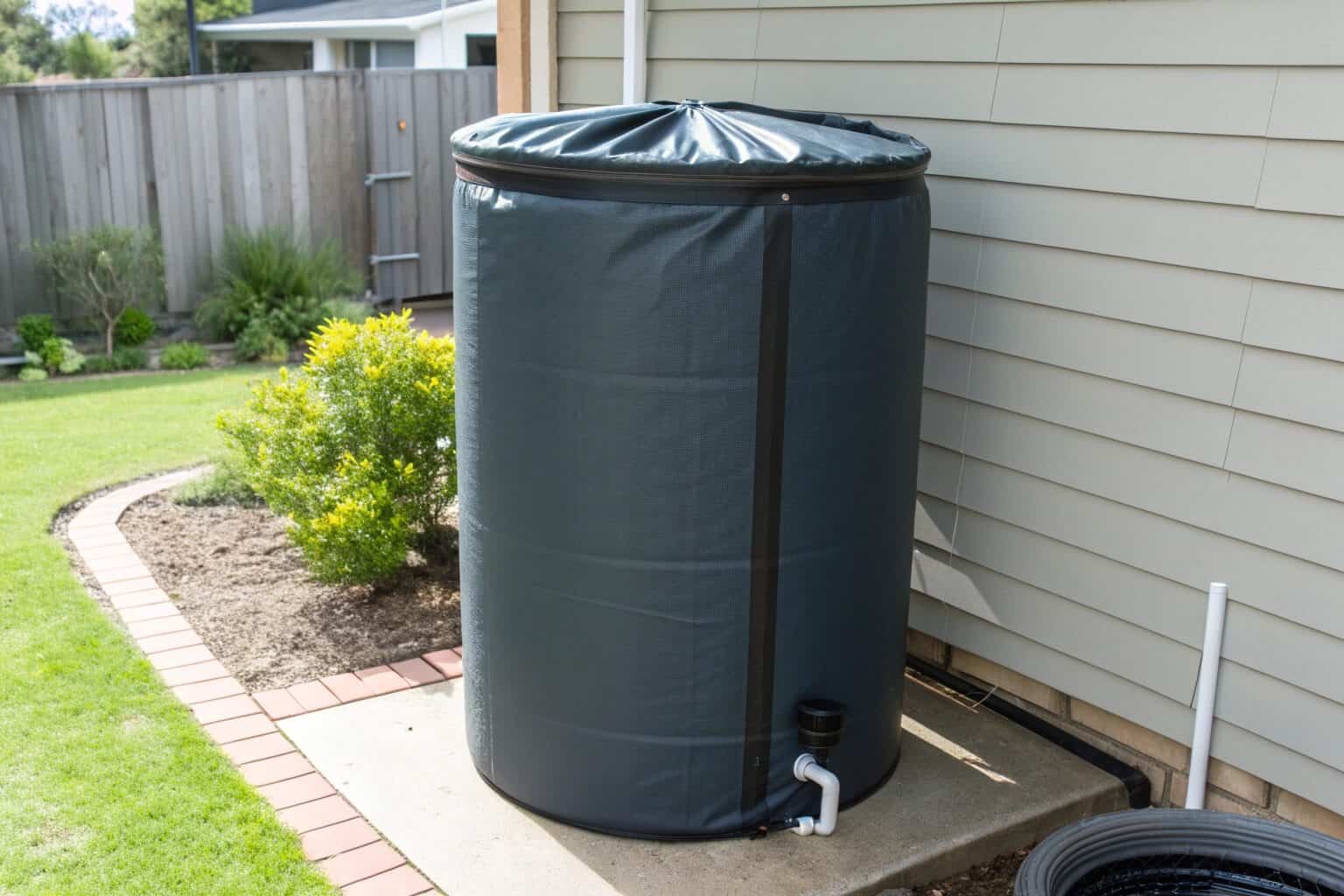
The storage life of rainwater depends entirely on how you store it. If you just leave it in an open bucket, it will not last long. Sunlight will cause algae to grow, and it will quickly become a breeding ground for mosquitoes. But if you do it right, you can keep water fresh for a long time. I have worked with materials for liquid storage16 for years, and the technology is very good now. A proper tank is designed to protect the water inside. It acts as a barrier against contamination. It is an investment that pays off by giving you access to clean water when you need it most, like during a dry spell.
The Importance of the Right Container
The container is the most important factor for long-term storage17. It must be opaque, meaning light cannot get through. This is the single best way to prevent algae. The material should also be food-grade and UV-resistant, so the sun does not break it down over time. That is why modern collapsible barrels often use high-strength, UV-resistant PVC18. The container must also be sealed with a tight-fitting lid to keep out insects, animals, and debris. A good seal is non-negotiable for clean water.
Keeping the Water Clean
Here are a few key factors for successful long-term storage:
| Factor | Impact on Storage | Recommendation |
|---|---|---|
| Sunlight19 | Causes algae to grow, turning water green. | Use an opaque tank made of dark plastic or other solid material. |
| Debris20 | Contaminates the water and can cause bad odors. | Filter the water before it enters the tank and keep the lid sealed. |
| Insects | Mosquitoes can lay eggs in standing water. | Make sure all openings, including overflows, are covered with a fine mesh screen. |
With the right setup, you can be confident that your stored water will be clean and ready to use whenever you need it. Regular, simple maintenance is all it takes to ensure a reliable supply.
Conclusion
The best way to harvest rainwater is the one that fits your home and your needs. Start simple, keep your system clean, and you will have a great source of free water. It is an easy step toward a more sustainable and self-sufficient lifestyle.
- Understanding the components of an efficient system can help you optimize your water collection and storage. ↩
- Understanding how a first-flush diverter functions can significantly enhance your rainwater harvesting system. ↩
- Explore the advantages of metal roofs for efficient water collection and their long-term benefits. ↩
- Learn about rainwater harvesting systems and their impact on water conservation and sustainability. ↩
- Explore the advantages of rain barrels for sustainable water use and how they can help reduce your water bills. ↩
- Discover effective methods and tips for collecting water to ensure your garden thrives, especially during dry spells. ↩
- Explore this link to understand how above-ground tanks can enhance your water collection efficiency and storage capacity. ↩
- Discover the advantages of collapsible rain barrels, including their space-saving design and ease of use, perfect for eco-friendly gardening. ↩
- Learn about the significance of UV-resistant PVC in outdoor products, ensuring durability and longevity against harsh weather conditions. ↩
- Understanding the health risks associated with rainwater can help you make informed decisions about its use. ↩
- Learning effective purification methods ensures that rainwater can be safely consumed, protecting your health. ↩
- Understanding the health risks posed by these microorganisms can help you take preventive measures. ↩
- Exploring the effects of chemical contamination on water quality is crucial for ensuring safe drinking water. ↩
- Explore this link to discover top-rated purification systems that ensure safe drinking water from rain. ↩
- Learn about Multi-Stage Filtration to understand its effectiveness in providing clean, safe water for your home. ↩
- Explore this link to learn effective methods for liquid storage that maintain water quality and prevent contamination. ↩
- Explore this link to learn essential tips and techniques for effective long-term storage, ensuring your supplies remain safe and usable. ↩
- Discover the advantages of UV-resistant PVC, including durability and protection against sunlight, making it ideal for storage solutions. ↩
- Understanding the impact of sunlight on water storage can help you choose the right tank materials. ↩
- Learn about the importance of filtering water to prevent contamination and odors in your storage. ↩