Starting a fish farm seems complex. You worry about what you truly need to succeed. The right equipment and knowledge are essential for survival and profit.
A successful fish farm needs a controlled environment. This includes essential equipment like tanks and water filters, proper fish feed, and a solid understanding of water quality management. These elements are the foundation for healthy fish and a profitable business.
I’ve seen many farms struggle because they missed one of these key areas. It is not just about having water and fish; it is about creating a complete ecosystem. Let’s look closer at what this involves, based on my experience in the industry.
What are the equipment needed for fish farming?
Your fish need a safe home, but what equipment is truly necessary? Choosing the wrong gear can waste money and harm your fish, a problem I have seen too often.
Essential equipment includes fish tanks, aeration systems to provide oxygen, and filtration systems to keep water clean. These tools work together to create a healthy environment, which is critical for preventing disease and ensuring your fish grow well.
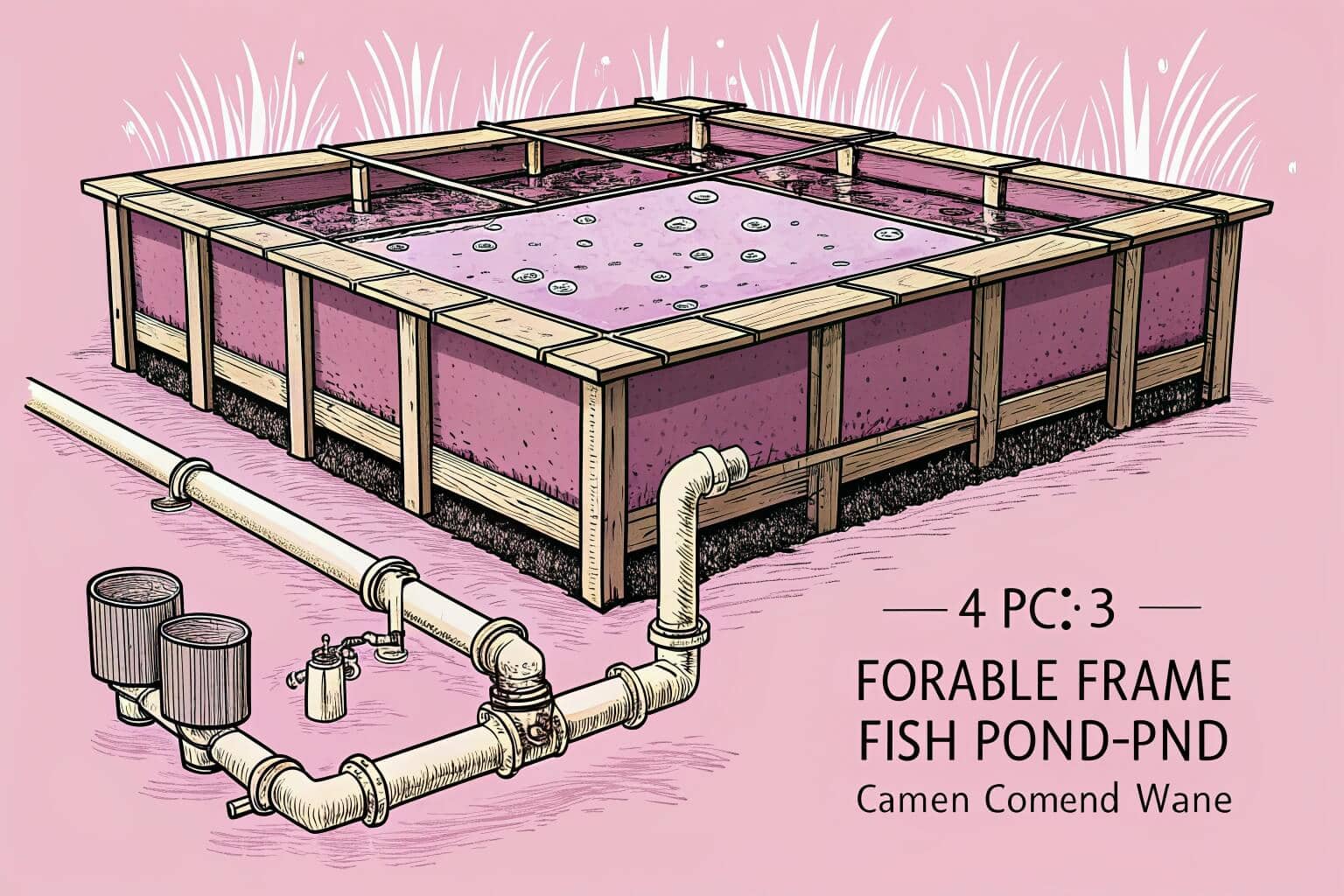
In my view, investing in the right infrastructure from the start is the most important decision a farm owner can make. The equipment is not just a cost; it is the life support system for your entire operation. For instance, a reliable aeration pump1 can be the difference between a healthy, active stock and a mass die-off during a hot night when oxygen levels naturally drop. Similarly, good filtration prevents the buildup of toxic ammonia from fish waste. I always advise new farmers to think about their equipment in three main categories.
Fish Containment Solutions
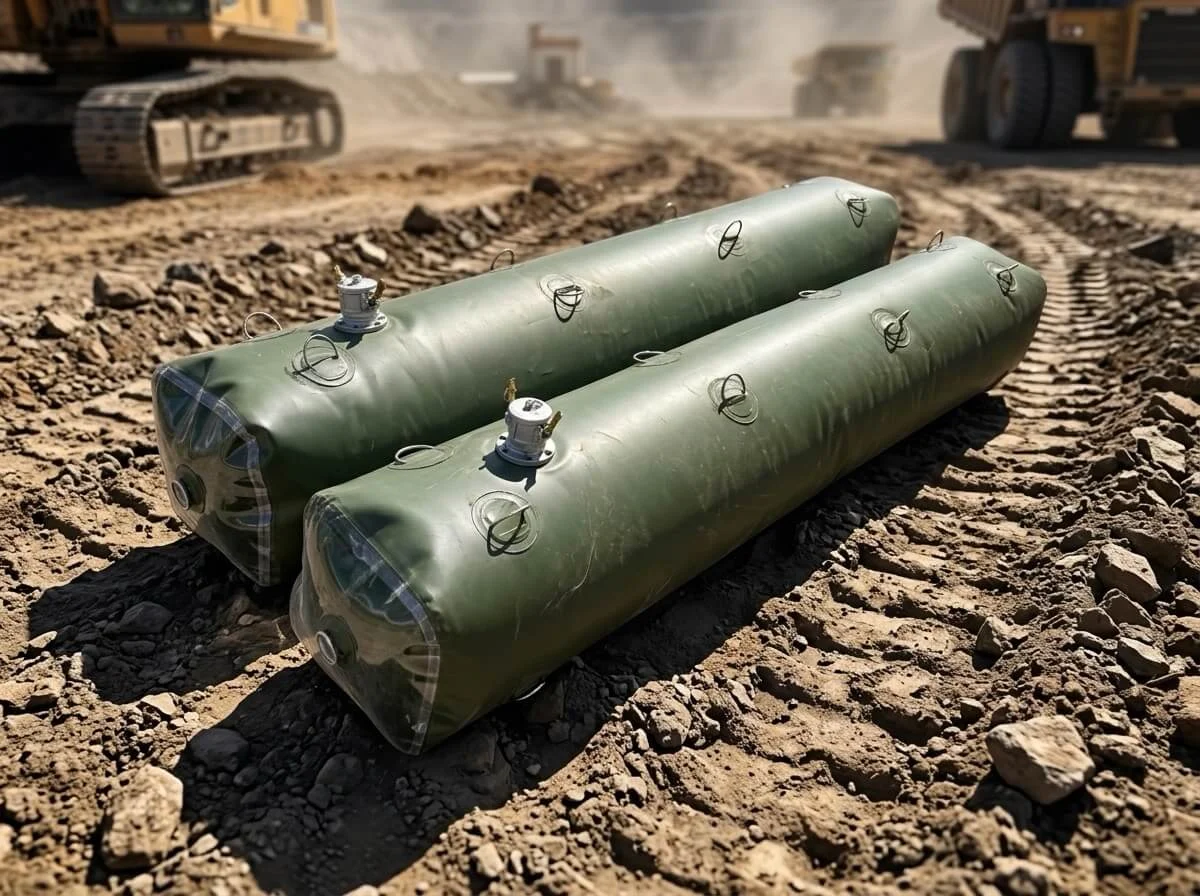
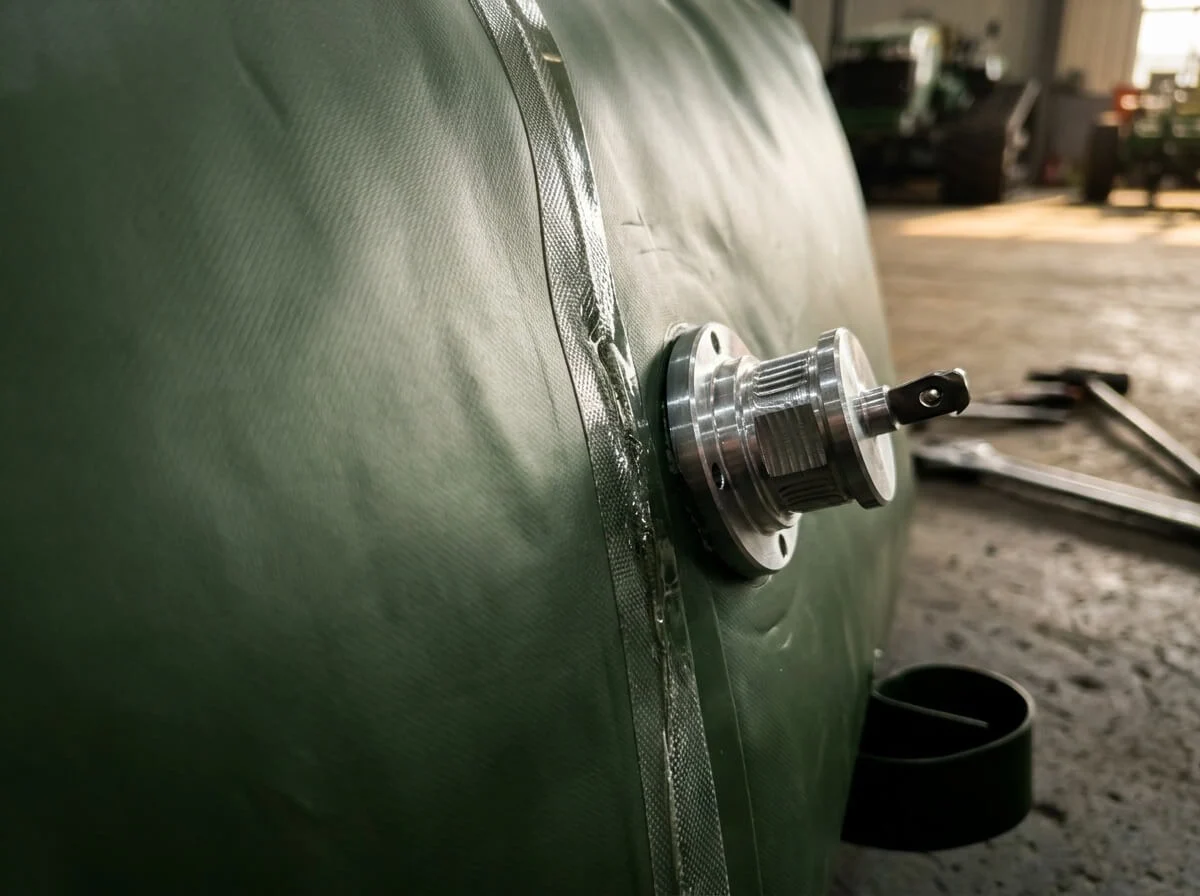
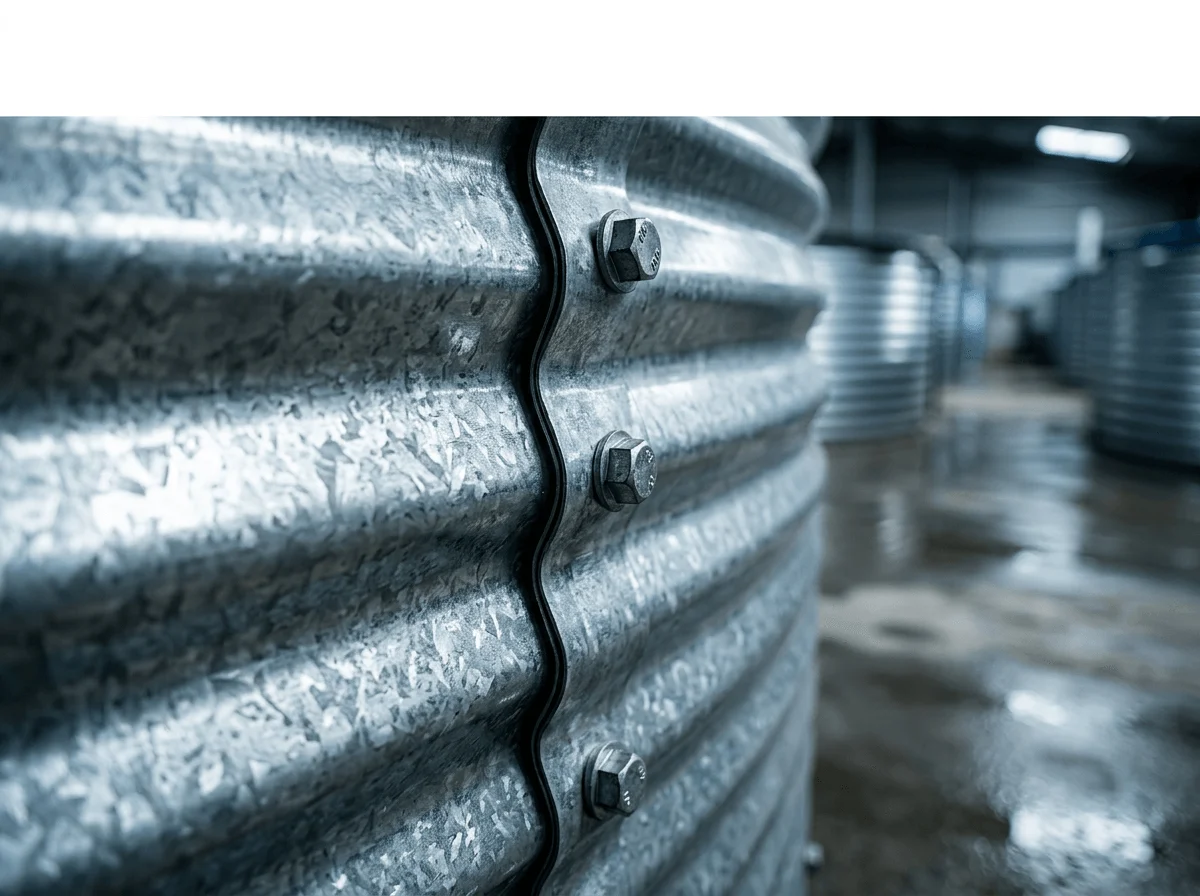
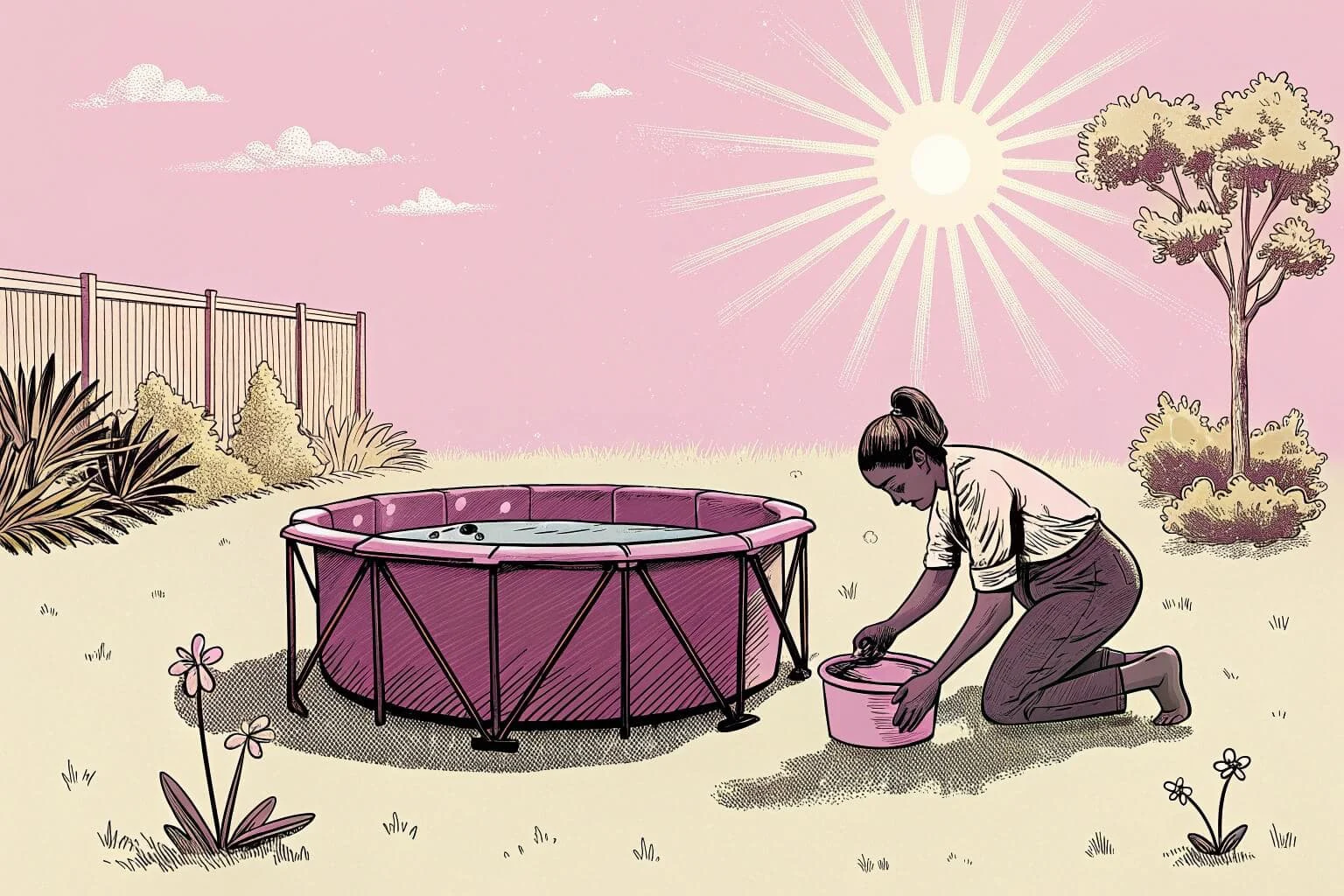
This is the physical home for your fish. Your choice will depend on your space, budget, and the type of fish you are raising. Collapsible plastic tanks2 are great for beginners or for temporary setups because they are easy to install. For more permanent operations, galvanized pipe or sheet tanks offer more durability and are resistant to corrosion, which is a huge benefit for long-term use.
Water Quality Management
This includes the machinery that keeps the water healthy. Aerators3 pump oxygen into the water, which fish need to breathe. Water pumps circulate the water through filters, which remove waste and uneaten food. Without these, the water would quickly become toxic.
Monitoring and Automation
These are the tools that help you keep track of the environment. Simple tools like thermometers and pH testing kits are a must. More advanced farms might use automated sensors4 that monitor oxygen levels and temperature in real time, sending alerts if conditions go outside the ideal range.
| Equipment Category | Purpose | Key Feature to Look For |
|---|---|---|
| Containment | To house the fish securely | Durability and non-toxic material |
| Water Quality | To maintain a healthy environment | Reliability and energy efficiency |
| Monitoring | To track water parameters5 | Accuracy and ease of use |
What are the basic requirements for the survival of fish?
Your fish are dying and you do not know why. The water looks clean, but something is wrong. Ignoring the basic survival needs of fish is a common and costly mistake.
Fish need stable water conditions to live. The most critical factors are water temperature, dissolved oxygen, and a balanced pH level. I have found that keeping the temperature between 20-30°C, oxygen above 5 mg/L, and pH from 6.5-8.5 is non-negotiable.
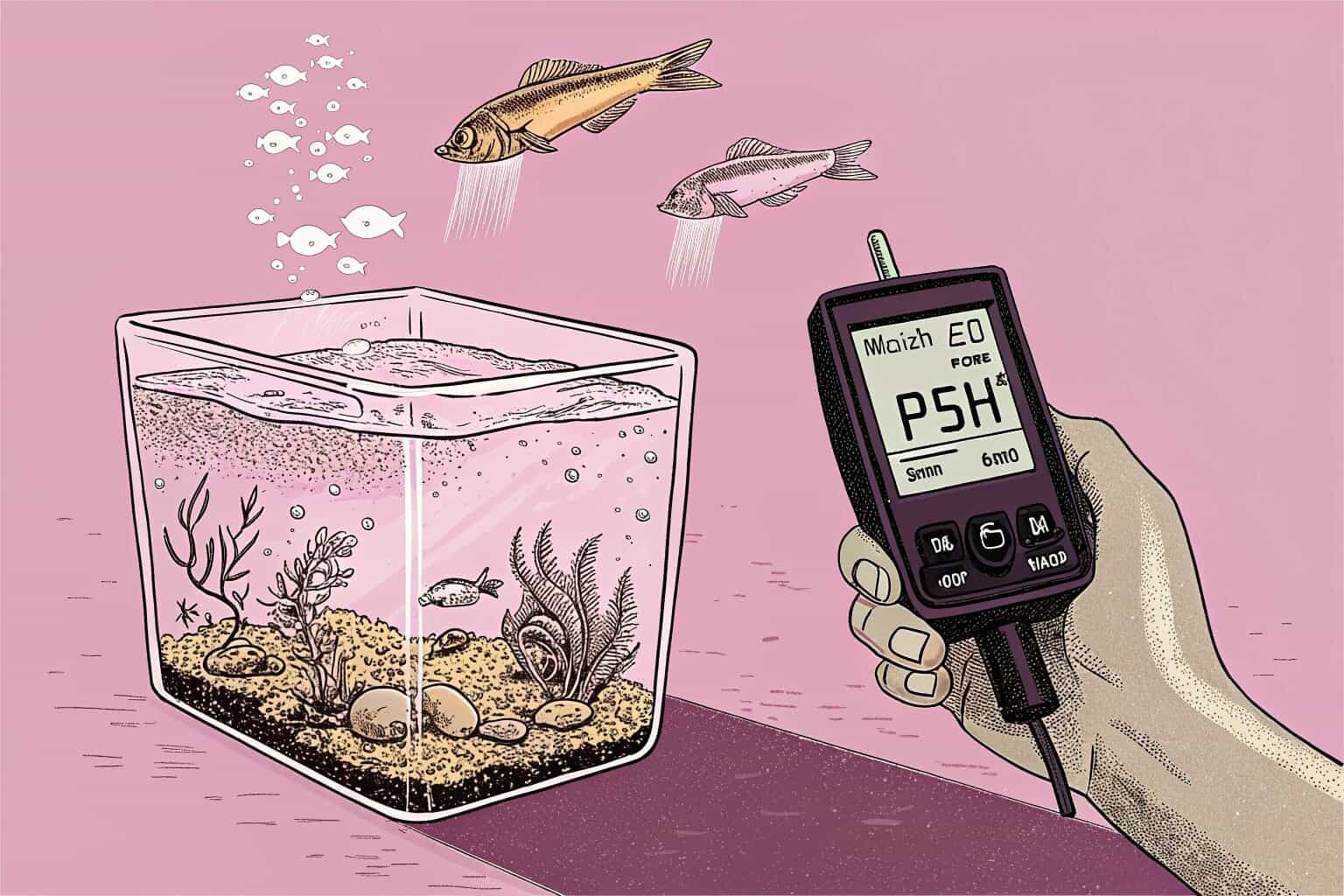
From my experience, fish do not just die for no reason. There is always a cause, and it almost always comes back to water quality6. Think of the water as the air your fish breathe, the home they live in, and the medium that carries their food and waste. If it is not right, nothing else matters. I have visited farms where owners invested thousands in high-quality feed, only to lose their stock because they failed to monitor the pH level. It is a hard lesson to learn.
The Importance of Water Temperature
Fish are cold-blooded7, so their body temperature matches the water around them. Temperature controls their metabolism—how fast they digest food and grow. If it is too cold, they will not eat or grow. If it is too hot, it stresses them out and can reduce the amount of oxygen the water can hold. For many popular species like tilapia, keeping the water in that 20-30°C sweet spot is key.
Why Oxygen is Life
Just like us, fish need oxygen to live. They breathe it directly from the water through their gills. Low oxygen levels are a top cause of fish death. Hot weather, overstocking, and algae blooms can all cause oxygen to drop to deadly levels, which is why aeration equipment8 is not a luxury; it is a necessity.
Maintaining pH Balance
The pH level measures how acidic or alkaline the water is. If the pH swings too far in either direction, it can directly harm the fish’s skin and gills. It also affects how other chemicals behave in the water. For example, at a high pH, harmless ammonia can turn into a much more toxic form, poisoning your fish.
| Parameter | Ideal Range | Impact if Ignored |
|---|---|---|
| Temperature | 20-30°C | Slow growth, stress, death |
| Oxygen | >5 mg/L | Suffocation, disease, death |
| pH Level9 | 6.5-8.5 | Chemical toxicity10, stress, death |
What are the main 3 ingredients in commercial fish feed?
Feeding your fish is a major ongoing expense. Are you using the right ingredients to get the best growth? Using poor-quality feed with the wrong nutritional balance leads to slow growth and wasted money.
Most commercial fish feeds are built on three core ingredients. These are fishmeal for high-quality protein, soybean meal as a plant-based protein source, and grains like corn to provide necessary energy from carbohydrates. This combination ensures a balanced diet.
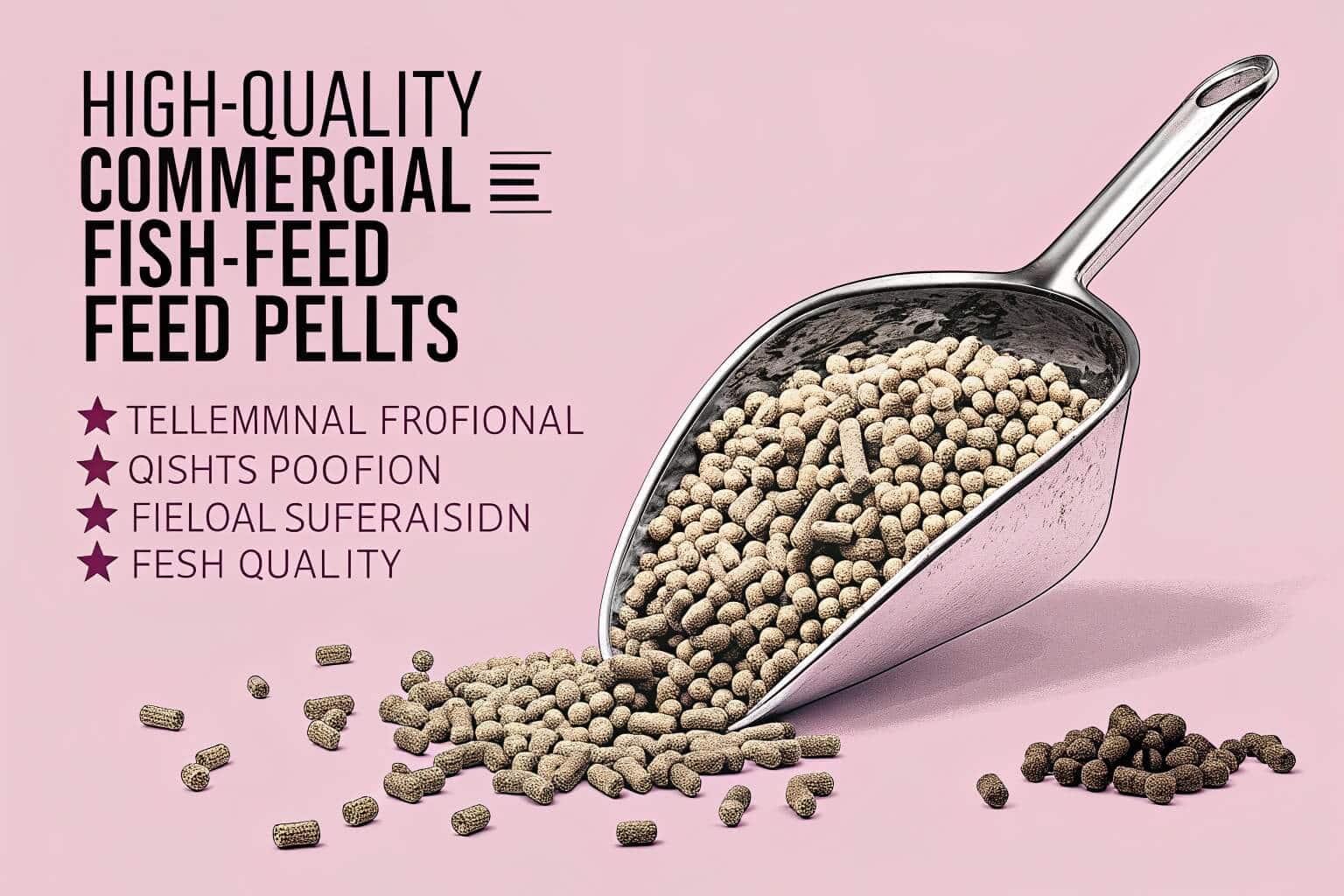
I always tell farmers that feed is an investment, not just a cost. The goal is to convert feed into fish weight as efficiently as possible. To do that, you need a balanced diet that provides all the essential nutrients11. While there are many ingredients used in modern aquaculture feeds, I have found that the industry still relies heavily on a few key components that provide the best results for the cost. Understanding these ingredients helps you choose the right feed for your farm and your budget.
Protein Sources: The Building Blocks
Protein is the most important and most expensive part of fish feed. It is what fish use to build muscle. Fishmeal, which is made from dried and ground fish, is the traditional gold standard because it provides a perfect protein profile for most carnivorous fish. However, it is expensive. That is why soybean meal12 has become so popular. It offers a high-protein, plant-based alternative that helps keep costs down while still supporting healthy growth.
Carbohydrates for Energy
Fish need energy to swim and live, and carbohydrates13 are the cheapest source of that energy. Grains like corn, wheat, and rice are common ingredients. They provide the fuel that powers the fish’s daily activities, allowing the more expensive protein to be used for growth instead of just being burned for energy.
The Goal of Balanced Nutrition
The secret to a good feed is not just the ingredients themselves, but the balance between them. A well-formulated feed14 provides the right ratio of protein, fat, and carbohydrates to maximize growth and minimize waste. This ensures the fish stay healthy and the farm stays profitable.
| Ingredient | Nutritional Role | Benefit for Fish |
|---|---|---|
| Fishmeal | High-quality animal protein | Fast growth and muscle development |
| Soybean Meal | Plant-based protein | Cost-effective growth support |
| Grains (Corn) | Carbohydrates | Provides daily energy |
How do I start my own fish farm?
You dream of starting a fish farm but feel overwhelmed by all the information. Where do you even begin? Without a clear, step-by-step plan, your investment and your dream could be at risk.
To start your own fish farm, I recommend beginning with market research to choose a profitable fish species. Then, you must secure the necessary permits, land, and a reliable water source. The initial investment will cover infrastructure, fish stock, and feed.
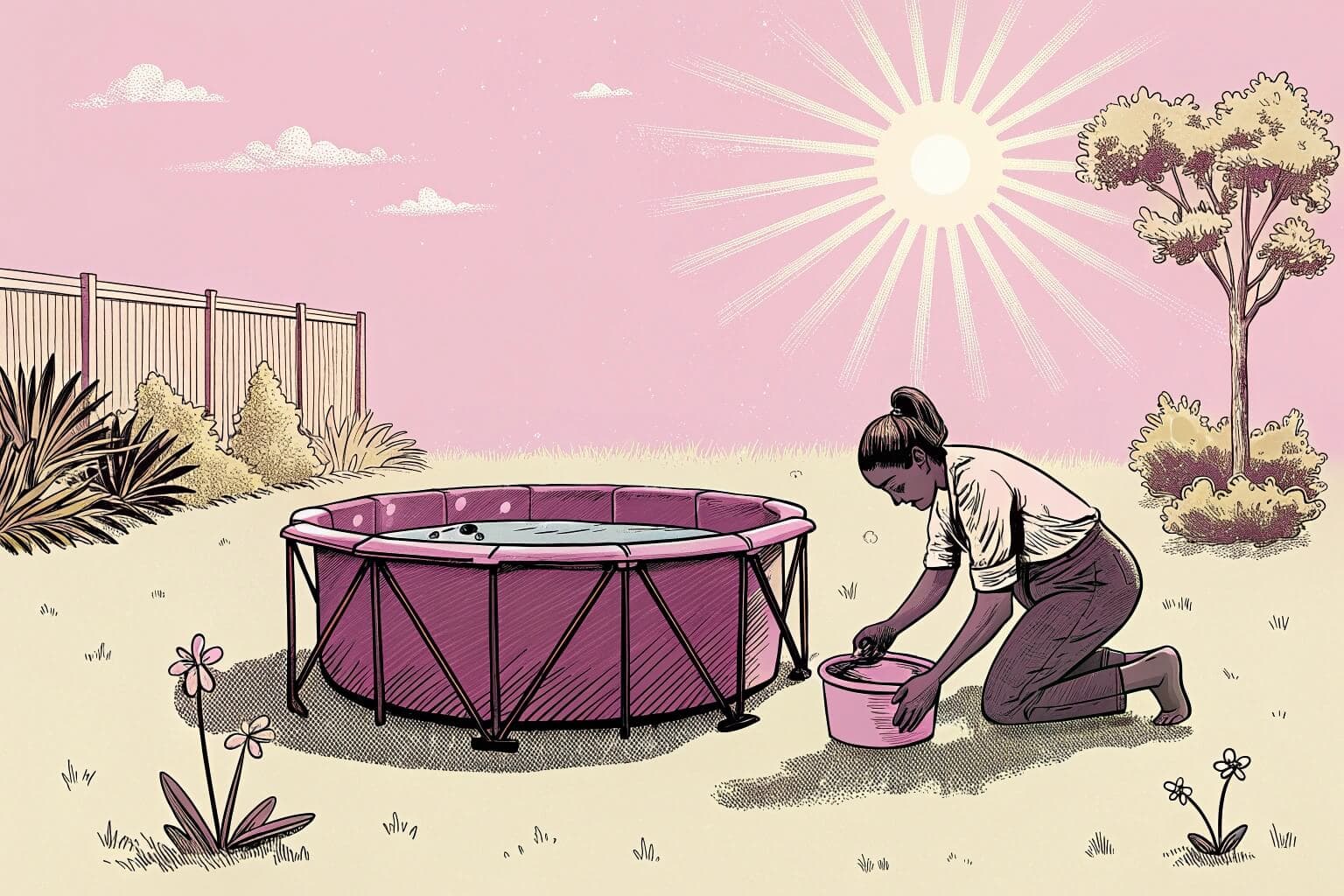
I have helped many people get started in this business, and the ones who succeed are always the ones who plan carefully. It is easy to get excited and buy fish and tanks, but that is not the first step. The first step is to think like a business owner. A fish farm15 is a business, and it needs a solid foundation to succeed. I break the startup process16 down into three main phases to make it more manageable.
Phase 1: Planning and Research
Before you spend any money, you need a business plan. Who will you sell your fish to? What fish are in demand in your area? I suggest choosing a hardy and popular species like tilapia or carp to start. Research the local regulations17 and what permits you will need. This phase is all about doing your homework to make sure your idea is viable.
Phase 2: Setup and Legal
Once you have a plan, it is time to build. This means getting your business registered and securing any necessary permits. You will need land with access to a good water source. Then, you can purchase and install your equipment. This is where working with a good supplier is important. Companies that offer customizable tanks18, for example, can help you get a system that fits your space and budget perfectly, which is a big help for beginners.
Phase 3: Operation
This is the exciting part. You can now buy your first batch of young fish, known as fingerlings19. The daily work begins: feeding the fish, monitoring water quality20, and managing the health of your stock. It takes time and attention to detail, but seeing your fish grow is incredibly rewarding.
| Startup Step | Key Action | My Tip for Success |
|---|---|---|
| Planning | Write a business plan and research your market | Talk to other local farmers |
| Setup | Get permits and install equipment | Choose flexible equipment that can grow with you |
| Operation | Buy fish and manage daily tasks | Be consistent with water testing |
Conclusion
In my experience, a successful fish farm balances technology, biology, and business. With the right equipment, stable water, and a solid plan, anyone can build a thriving operation.
- Understanding the role of an aeration pump can help farmers ensure a healthy environment for their stock. ↩
- Explore the advantages of collapsible plastic tanks, especially for beginners or temporary setups, to make an informed choice. ↩
- Explore how aerators enhance water quality and support aquatic life, ensuring a healthy environment for fish. ↩
- Explore how automated sensors can enhance farm efficiency and environmental monitoring. ↩
- Learn about the best practices for monitoring water parameters to ensure a healthy aquatic environment. ↩
- Understanding water quality is crucial for fish health; explore this link to learn effective management practices. ↩
- Understanding cold-bloodedness in fish is crucial for their care and habitat management. ↩
- Explore how aeration equipment can prevent fish deaths and ensure a thriving ecosystem. ↩
- Understanding pH levels is crucial for maintaining a healthy aquatic ecosystem and preventing fish toxicity. ↩
- Exploring chemical toxicity can help you learn about the dangers fish face and how to mitigate them. ↩
- This resource will provide insights into the vital nutrients that enhance fish health and growth. ↩
- Learn about the advantages of using soybean meal in fish farming and its impact on sustainability and cost. ↩
- Understanding the role of carbohydrates can help optimize fish diets for better health and growth. ↩
- Understanding well-formulated feed can enhance fish health and farm profitability. ↩
- Explore this link to understand the essential elements that contribute to a thriving fish farm business. ↩
- This resource will provide insights into the structured phases of starting a fish farm, ensuring a solid foundation for success. ↩
- Exploring local regulations ensures compliance and helps avoid legal issues in your fish business. ↩
- Explore this link to understand how customizable tanks can optimize your business setup and meet specific needs. ↩
- Understanding fingerlings is crucial for successful fish farming, as they are the young fish you’ll start with. ↩
- Maintaining water quality is vital for fish health; explore this link to learn effective monitoring techniques. ↩