Finding truly high-quality fish can be a challenge. You worry about where it came from, how clean it is, and if it’s actually good for you. Navigating the seafood counter feels like a high-stakes game.
There isn’t one single country with the highest quality fish. Top contenders like Norway and Japan lead due to strict standards and advanced aquaculture. The "best" country depends on the type of fish and the quality metrics you value most, from purity and sustainability to flavor and texture.
The idea of "quality" is more than just a label on a package. As someone who has watched the aquaculture industry for years, I’ve seen how it’s driven by a global need for sustainable protein. The search for high-quality fish is at the heart of this transformation, moving us away from unpredictable wild catches toward controlled, reliable farming. But the country of origin is only one piece of the puzzle. To really understand what makes a fish great, we need to look deeper at the journey from water to plate and the technologies that make excellence possible.
Which country has the best fish?
You want the absolute best fish on your plate. But "best" can mean different things to different people. Are you looking for the richest flavor, the most delicate texture, or the highest nutritional content? The answer is rarely simple.
Japan is often celebrated for the best-tasting fish, especially for raw dishes like sushi, due to its meticulous handling methods. However, for certain species like salmon, Norway is a strong competitor, known for its rich flavor and consistently high-quality farming practices that set global standards.
From my perspective, the debate over the "best" fish often comes down to culture, technique, and environment. In Japan, the entire process, from catching the fish to serving it, is an art form refined over centuries. They have perfected methods to preserve ultimate freshness and enhance natural flavor. On the other hand, countries like Norway have leveraged technology and their pristine natural environment1 to perfect the farming of specific species. This allows them to produce a consistently high-quality product that is loved worldwide. It’s a fascinating contrast between tradition and innovation, both aiming for the pinnacle of quality.
The Japanese Art of Freshness
The Japanese have a deep cultural respect for seafood, which is evident in their handling techniques. Methods like Ikejime2 involve dispatching the fish with a swift spike to the brain and bleeding it completely. This prevents the buildup of lactic acid and preserves the meat’s texture and flavor. This level of care is why Japanese fish, especially species like Bluefin tuna (hon-maguro) and sea bream (madai), are considered the gold standard for raw consumption. It’s a craft built on a profound understanding of fish biology.
Norway’s Salmon Supremacy
Norway’s success with Atlantic salmon comes from a combination of natural advantages and smart, stringent regulations. The country’s cold, clear fjords provide the perfect, low-stress environment for salmon to thrive. The government also imposes strict rules on feed composition, fish density in pens, and environmental impact, including mandatory fallowing periods for farm sites. This focus on sustainable and healthy farming3 results in salmon that is not only delicious and rich in Omega-3s but also consistently safe and nutritious.
A Matter of Taste and Technique
Ultimately, what one person considers the "best" fish, another might not. It depends on personal preference and how you plan to prepare it. A fish prized for its raw texture might not be the best choice for grilling.
| Feature | Japan’s Focus | Norway’s Focus |
|---|---|---|
| Primary Species | Tuna, Sea Bream, Mackerel, Eel | Atlantic Salmon, Cod, Halibut |
| Key Quality Factor | Ultimate Freshness & Umami Flavor4 | Purity, Rich Fat Content & Consistency |
| Dominant Method | Wild Catch & Specialized Handling | Advanced & Regulated Aquaculture5 |
| Best For | Raw dishes (sushi, sashimi) | Grilling, Smoking, Baking, Curing |
Which country has the cleanest fish?
Are you worried about contaminants like mercury, microplastics, or antibiotics in your seafood? These concerns are valid and can make it hard to enjoy fish with peace of mind. You deserve to know that your food is not only delicious but also safe.
Countries with cold, deep waters and strong environmental laws, like Iceland and Norway, are known for producing some of the cleanest fish. Their remote locations and commitment to sustainable aquaculture help minimize exposure to industrial pollutants, ensuring a purer product from a healthier ecosystem.
I’ve seen firsthand how a clean environment6 directly translates to a higher quality product. The cleanest fish come from waters that are naturally low in pollutants. But it’s not just about a pristine location. Strict government oversight and responsible farming practices are just as important. These nations invest heavily in monitoring their waters, controlling feed ingredients, and ensuring that their aquaculture operations have a minimal environmental footprint. This commitment to transparency and sustainability is what gives consumers confidence in the safety and purity of their fish.
Cold Waters and Strict Rules
Cold-water environments, like those in the North Atlantic, are often cleaner because their low temperatures and distance from major industrial centers slow the accumulation of contaminants. Countries like Iceland and Norway benefit from this natural advantage. But they don’t stop there. They have implemented some of the world’s most stringent regulations for aquaculture7. These rules cover everything from the quality of the feed (banning GMOs and requiring traceability) to the minimal use of antibiotics, ensuring the fish are raised in a healthy, controlled environment.
The Future is Controlled Environments
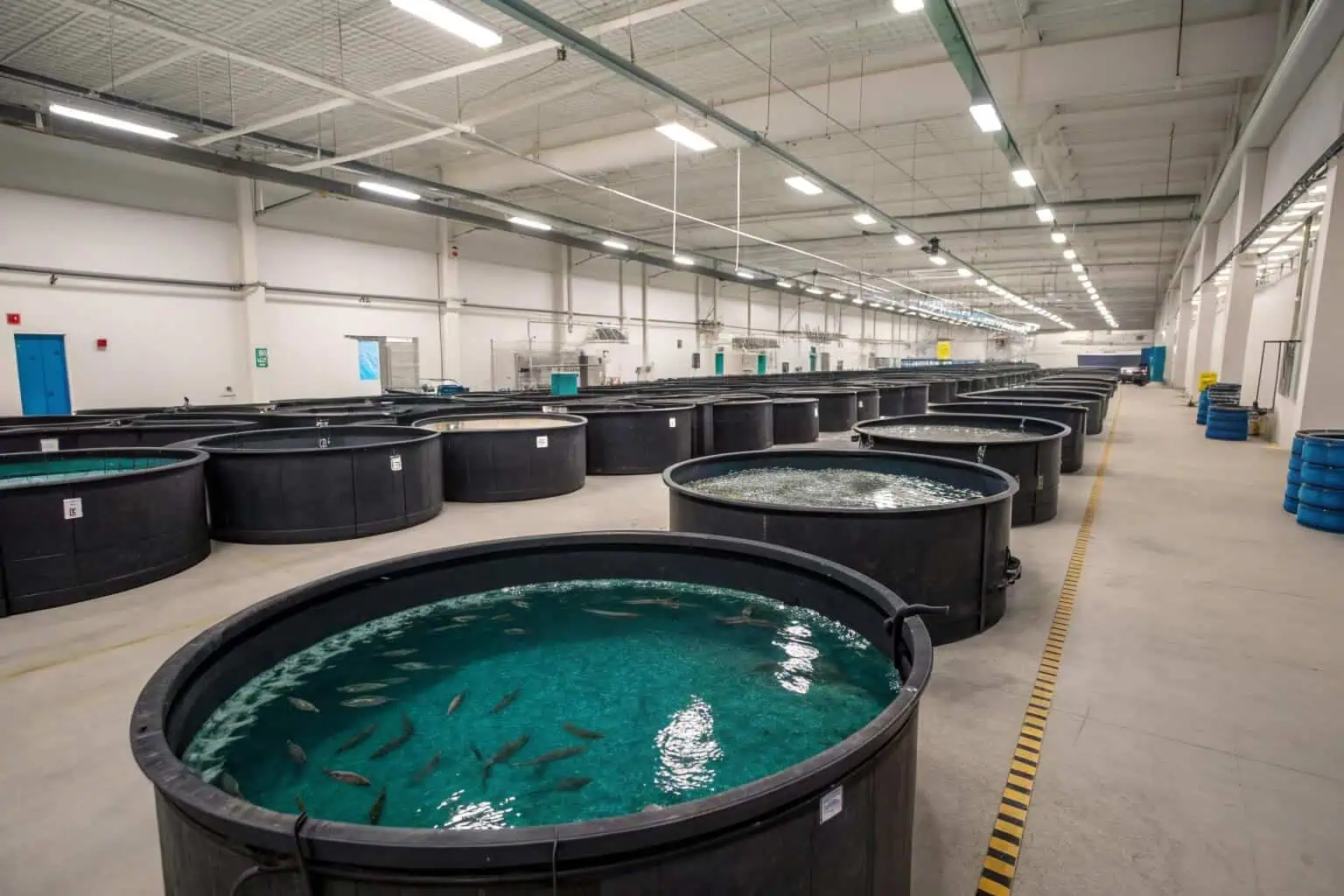
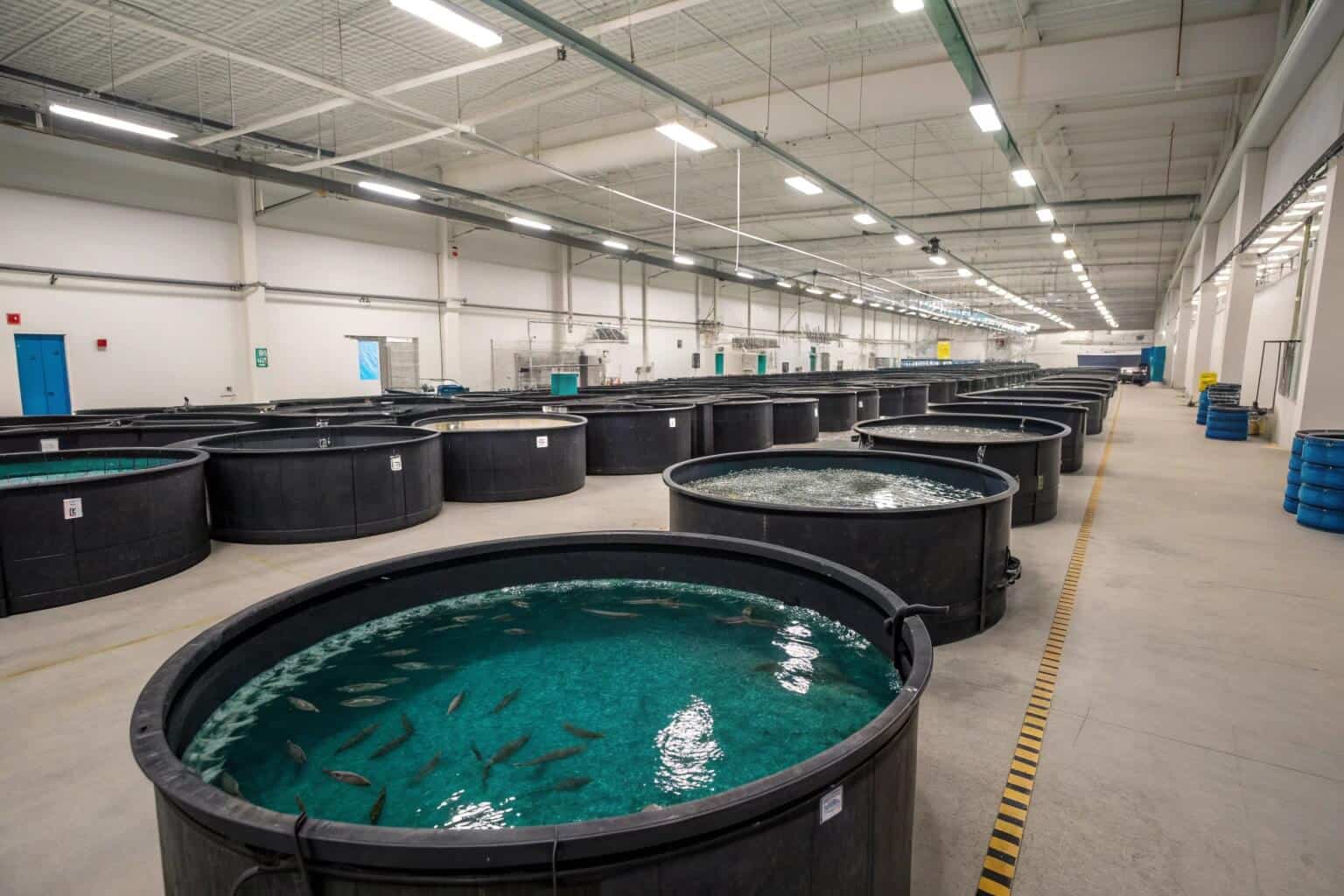
Even in the cleanest parts of the world, ocean pollution is a growing concern. This is why I believe the future of clean fish lies in advanced, land-based aquaculture systems8. Closed-containment facilities give producers complete control over water quality, filtering out impurities and eliminating interaction with external pollutants. This is where technology becomes critical. Products like Bancy’s durable, non-toxic fish tanks, made from high-quality PVC liners with robust galvanized steel supports, allow farmers to create a perfect, clean, and biosecure environment for their fish, anywhere in the world. This approach directly addresses consumer concerns about purity.
What to Look For
As a consumer, you can take steps to ensure you are buying clean fish. Look for certifications from reputable organizations like the Aquaculture Stewardship Council (ASC)9 or the Marine Stewardship Council (MSC)10. These labels indicate that the fish comes from a farm or fishery that meets high standards for environmental and social responsibility. Don’t be afraid to ask your fishmonger about the fish’s origin and how it was raised or caught.
What is the highest quality of fish?
The term "high quality" gets thrown around a lot, but what does it actually mean when it comes to fish? It’s easy to get confused by marketing claims and fancy labels that don’t tell the whole story.
The highest quality fish combines exceptional freshness, high nutritional value, a clean, sustainable origin, and impeccable handling. It’s not just about the species, but the entire system that brings it from the water to your plate. Quality is a measure of the care and control invested at every step.
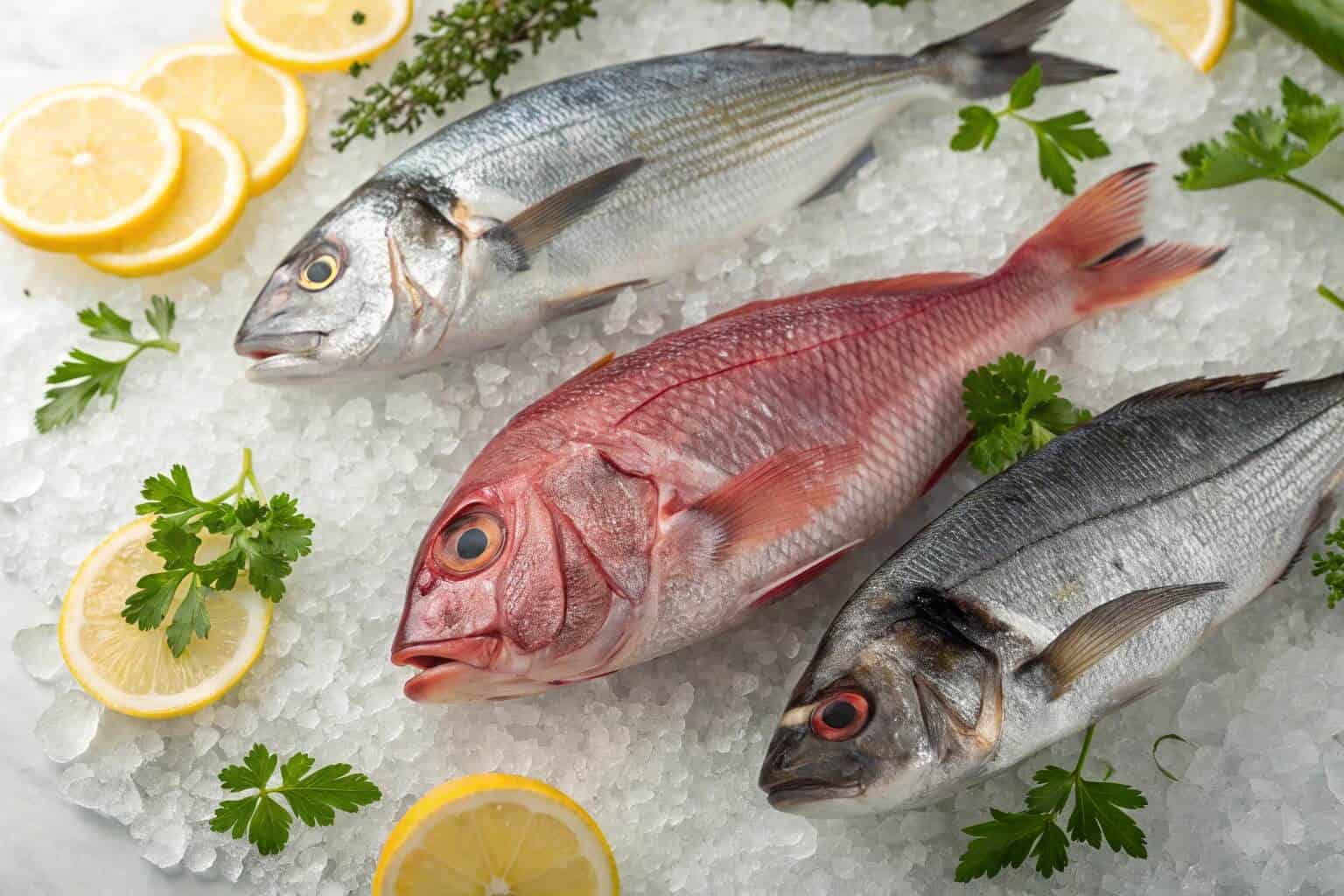
In my experience observing the industry, true quality is a result of a well-managed supply chain. It starts with the environment the fish lives in—whether a wild habitat or a farm—and continues with how it’s handled every step of the way. A high-quality fish will have firm, resilient flesh, clear (not cloudy) eyes, and a mild, fresh scent of the sea, not a "fishy" odor. It will be rich in nutrients like Omega-3 fatty acids11. And importantly, it will come from a source that respects the environment and prioritizes the health and welfare of the fish.
The Farm-Raised Revolution
There’s a long-standing debate about whether wild-caught or farm-raised fish is better. Wild-caught fish can have a wonderful, natural flavor, but many species are threatened by overfishing and supply can be inconsistent. Modern aquaculture, when done right, offers a sustainable and reliable alternative. The key to quality in aquaculture is creating a farming environment that mimics the fish’s natural habitat while protecting it from disease, predators, and contamination. This is where the quality of the infrastructure becomes paramount.
The Role of Technology in Quality
This is where innovation in [aquaculture equipment12 makes a huge difference. Modern fish tanks, such as the collapsible and galvanized models we focus on at Bancy, are a game-changer for producers. They allow for better [water circulation13, oxygenation, and waste management, which are critical for reducing stress and preventing disease. The use of durable, non-toxic materials ensures that no harmful chemicals leach into the water, protecting both the fish and the end consumer. This level of environmental control helps farmers produce healthier, more robust fish with a superior taste and texture.
A Quality Checklist
| Quality Aspect | What It Means | Why It Matters |
|---|---|---|
| Freshness14 | Firm flesh, bright gills, clear eyes, mild scent. | Ensures better taste, texture, and safety. A “fishy” smell indicates decay. |
| Origin15 | A clean, well-managed, sustainable source. | Reduces risk of contaminants and supports healthy ecosystems. |
| Handling | A proper and unbroken cold chain from catch to kitchen. | Prevents bacterial growth and preserves the integrity of the flesh. |
| Feed (Farmed) | High-quality, nutritious, and sustainable ingredients. | Directly impacts the fish’s health, flavor profile, and nutritional value to you. |
| Welfare | Low-stress environment with adequate space. | Stress releases hormones that can negatively affect meat quality. |
What is the world’s tastiest fish?
You’re on the hunt for an unforgettable seafood dinner. But with so many options available, choosing the most delicious fish can feel like a shot in the dark. What one person loves, another might find overpowering.
While taste is highly subjective, many chefs and food lovers prize fish like wild-caught King Salmon for its rich, buttery flavor or Bluefin Tuna for its deep, complex texture. The tastiest fish often come from pristine environments, have a diet rich in natural nutrients, and are handled with exceptional care to preserve their peak flavor.
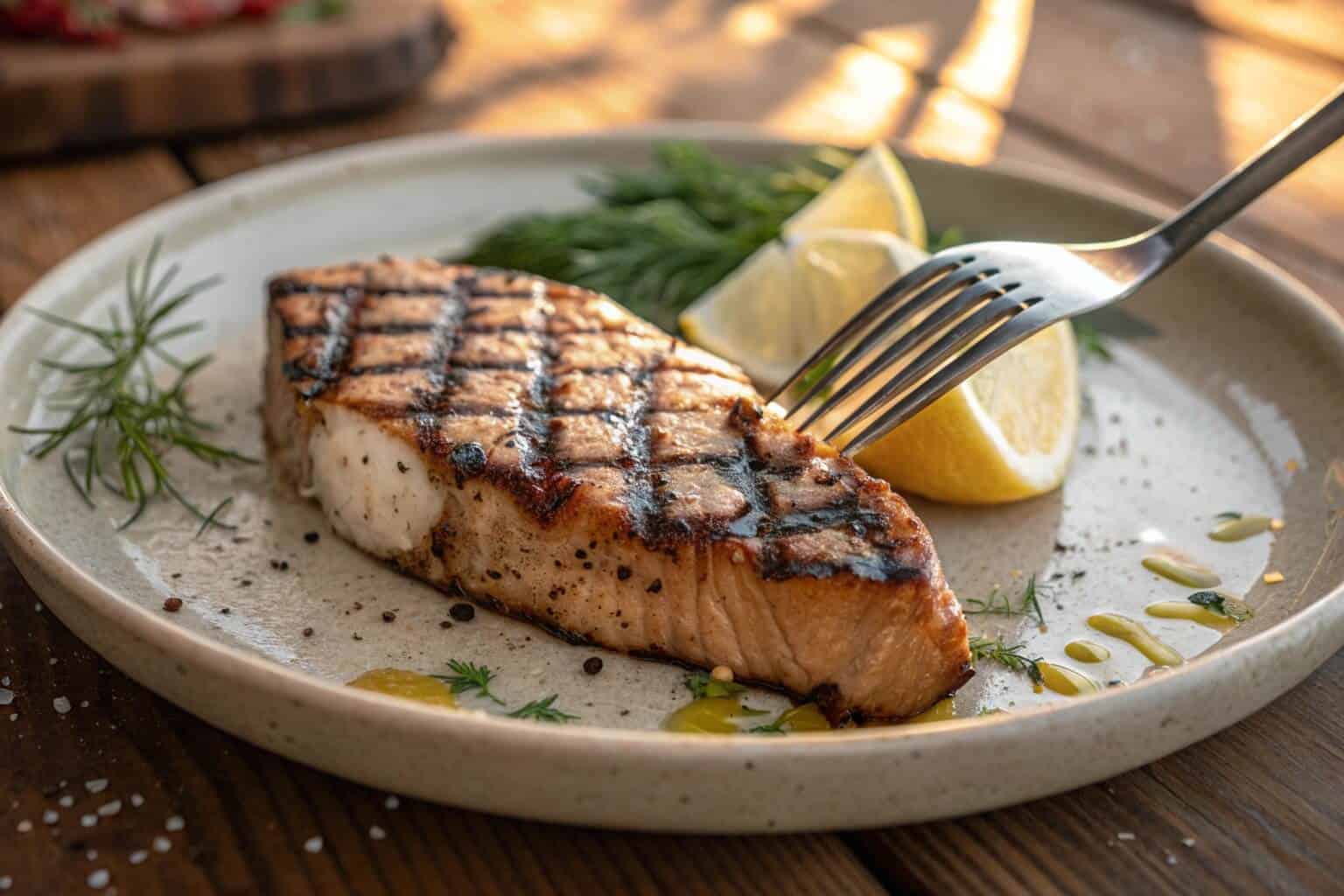
I’ve always believed that the "tastiest" fish is one that tastes clean, fresh, and true to its species. The flavor of a fish is heavily influenced by its diet and its environment—what is known as merroir16, similar to the terroir of wine. A fish that lived a healthy life in clean, nutrient-rich water will simply taste better. Whether you prefer a rich, oily fish or a mild, flaky one, the best flavor always starts with a high-quality product. From there, the right cooking method can elevate it to something truly special.
The Richness of Oily Fish
Oily fish like salmon, mackerel, and sablefish (also known as black cod) are prized for their rich, decadent flavor. This comes from their high content of Omega-3 fatty acids, which not only makes them healthy but also gives them a buttery, forgiving texture that melts in your mouth. The environment where these fish are raised plays a big role in their fat content and, as a result, their overall flavor profile. A well-managed farm that ensures a proper diet and low-stress conditions can produce an oily fish17 that rivals the best wild-caught specimens.
The Delicate Flavors of Lean Fish
On the other end of the spectrum are lean fish like cod, halibut, and sea bass. These fish have a milder, more delicate flavor and a firm, flaky texture. Their subtlety makes them incredibly versatile in the kitchen. They are perfect for recipes where you want other ingredients to shine, as they readily absorb the flavors of sauces, herbs, and spices. The quality of a lean fish18 is often judged by its firmness and the clean, sweet taste of its flesh.
The Ultimate Taste Test
| Fish | Flavor Profile19 | Common Cooking Method20 |
|---|---|---|
| King Salmon | Rich, buttery, high in healthy fats. | Grilling, Roasting, Pan-Searing |
| Bluefin Tuna | Meaty, complex, deeply savory. | Best served raw (sushi) or lightly seared. |
| Chilean Sea Bass | Mild, buttery, with large, tender flakes. | Pan-searing, Baking, Broiling |
| Dover Sole | Mild, slightly sweet, with a firm, fine texture. | Sautéing (especially Meunière style). |
| Sablefish (Black Cod) | Extremely rich, velvety, with a sweet finish. | Miso-marinating, Smoking, Grilling |
Conclusion
The best fish doesn’t come from just one country; it comes from a commitment to excellence. It’s born from producers who prioritize quality, sustainability, and technology. Choosing fish from these dedicated sources makes all the difference on your plate.
- Learn how clean environments contribute to superior fish farming, impacting taste and sustainability. ↩
- Discover the Ikejime method to understand how it enhances seafood quality and flavor, reflecting Japan’s culinary excellence. ↩
- Learn about the importance of sustainable farming practices and their role in producing high-quality seafood. ↩
- Understanding this concept can enhance your culinary skills and appreciation for high-quality fish dishes. ↩
- Exploring this topic reveals sustainable practices that ensure fish quality and environmental responsibility. ↩
- Understanding the link between a clean environment and product quality can enhance your knowledge of sustainability. ↩
- Explore this link to understand how these regulations ensure sustainable and healthy fish farming practices. ↩
- Explore this link to understand how land-based aquaculture can revolutionize fish farming and ensure cleaner production. ↩
- Explore this link to understand how ASC certifications ensure sustainable fish farming practices. ↩
- Learn about MSC’s role in promoting sustainable fishing and how it impacts the seafood industry. ↩
- Exploring the benefits of Omega-3 can help you appreciate the nutritional value of high-quality fish. ↩
- Explore this link to discover cutting-edge technologies that enhance fish farming efficiency and sustainability. ↩
- Learn about the significance of water circulation in aquaculture to ensure healthy fish and optimal farming conditions. ↩
- Understanding freshness helps you choose the best fish for taste and safety. ↩
- Exploring fish origin can enhance your knowledge of sustainable practices and health benefits. ↩
- Understanding merroir can enhance your appreciation for fish flavors and their unique qualities. ↩
- Learn why oily fish are crucial for a balanced diet, providing essential nutrients and promoting heart health. ↩
- Discover the numerous health benefits of lean fish, including their low fat content and high protein, making them a great choice for a healthy diet. ↩
- Understanding flavor profiles helps in selecting the right fish for your dishes, enhancing your culinary skills. ↩
- Exploring various cooking methods can elevate your fish dishes, making them more delicious and appealing.]: Learn about the importance of water circulation in aquaculture and its impact on fish health and growth. ↩