Fish farming looks like a simple way to get food, but it is actually very hard. Many farmers face big problems that can cost them everything. As the world’s population grows, so does the demand for protein, putting more pressure on fish farmers to produce more while navigating these difficulties. If you know the challenges, you can prepare for them and succeed.
The biggest challenges in fish farming are managing diseases, keeping water clean, high feed costs, and dealing with climate change. These problems can cause many fish to die and lead to big financial losses if you don’t handle them correctly. Each of these issues requires constant attention and can quickly spiral out of control, turning a promising venture into a financial nightmare.
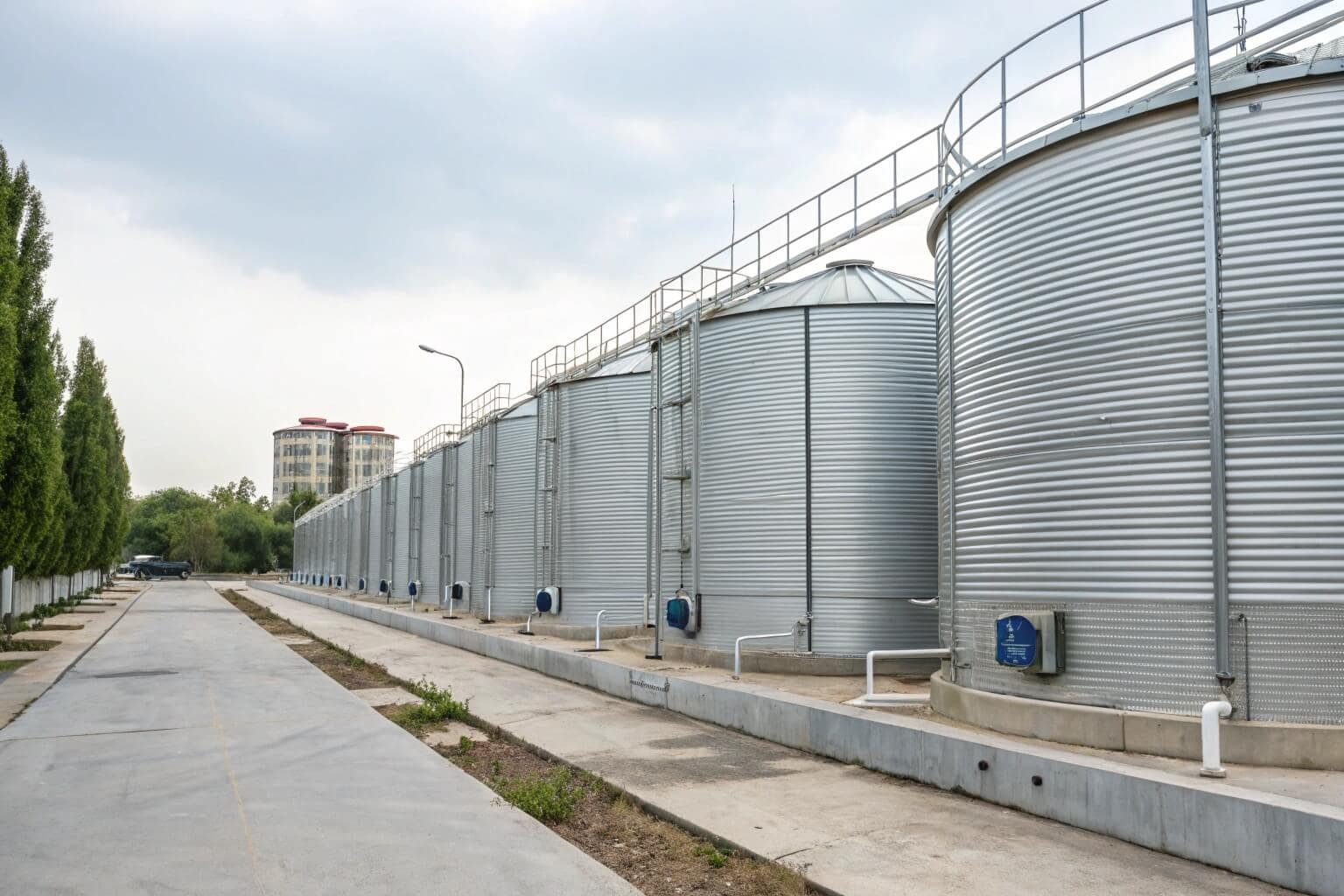
Now we know the main issues. But to really understand them, we need to look closer. Let’s dive into the details to see what fish farmers are up against every day. This will help us see the full picture, because understanding these problems in detail is the first step toward finding effective and lasting solutions.
What are the problems with fish farming?
You might want to start a fish farm, but you hear stories about things going wrong. Issues like pollution and disease can turn your dream into a disaster, costing you a lot of time and money. It’s a business with high stakes, where a single mistake can have cascading effects on your entire operation. Let’s look at the most common problems so you can be ready.
The main problems are pollution from fish waste, the fast spread of diseases in crowded tanks, and the heavy use of antibiotics. These issues not only harm the fish but can also create risks for the environment and public health. Addressing these core problems is not just about good farming; it’s about being a responsible producer in a world that is increasingly watching.
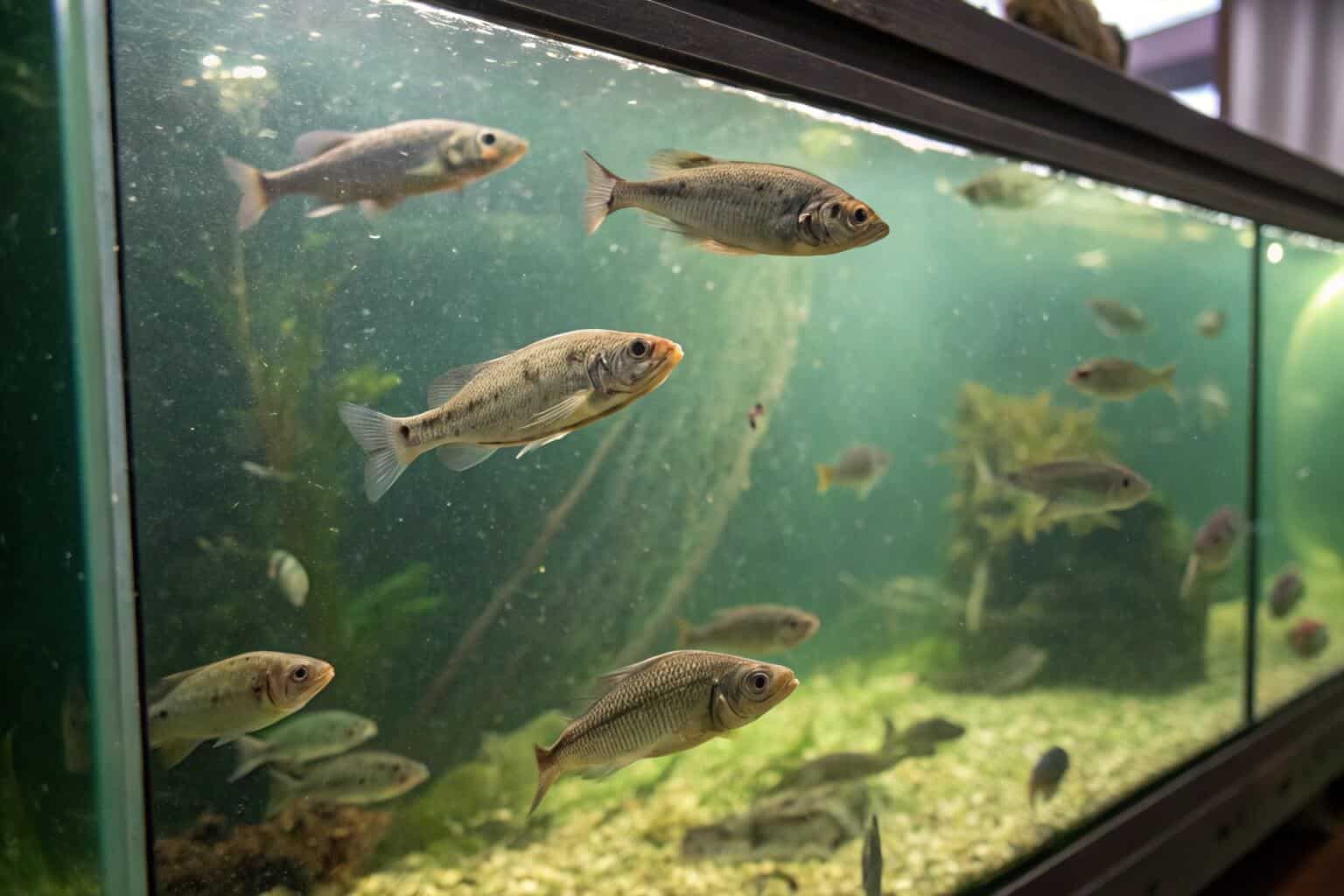
As someone who has watched this industry for years, I’ve seen how tough these problems can be. It’s not just about raising fish; it’s about managing a whole ecosystem1. Every decision, from feed choice to tank density, impacts this delicate balance and determines the success of the farm.
The Constant Threat of Disease
Fish get sick easily. In a farm, many fish live close together, so diseases from parasites or bacteria can spread like wildfire. I remember talking to a farmer who lost half of his stock in a week because of a bacterial infection2. This is a constant fear for farmers. A single outbreak can wipe out months of hard work and investment. The financial loss from such an event is devastating, but the emotional toll on the farmer is just as significant. That is why preventing disease is more important than treating it.
Maintaining Perfect Water Quality
Fish need clean water to live, just like we need clean air. You have to check the water all the time. This means monitoring the oxygen levels, the pH balance, and the temperature. If the water isn’t right, the fish get stressed, and stressed fish get sick more easily. Keeping the water perfect often requires expensive equipment. This constant vigilance is non-negotiable because poor water quality3 not only leads to disease but also affects the growth rate and final taste of the fish. It’s a full-time job and a big expense for any fish farm.
Environmental Impact
What happens to all the fish waste? It has to go somewhere. Often, it’s released into nearby rivers or lakes. This wastewater is full of nutrients that can cause algae to grow out of control, a process called eutrophication4. This harms the local ecosystem by using up oxygen that wild fish need. This environmental footprint is a major point of criticism for the industry and puts pressure on farmers to adopt cleaner technologies. Because of this, governments are putting more rules on fish farms, which adds another layer of complexity for farmers.
| Environmental Problem | Description | Impact on Farmers |
|---|---|---|
| Wastewater Discharge5 | Fish waste and uneaten feed pollute water. | Increased regulatory pressure and potential fines. |
| Eutrophication | Nutrient-rich waste causes algal blooms, depleting oxygen. | Damage to local reputation and stricter monitoring. |
| Habitat Disruption | Farm construction and operation can alter local ecosystems. | Legal challenges and need for environmental assessments. |
What are the challenges of fish production?
Your goal is to grow fish from small eggs to a size you can sell. But many things can stop you from reaching that goal. High feed costs can take away your profits, and bad weather can destroy your farm in one night. Successfully navigating the journey from hatchery to market requires overcoming significant operational and financial hurdles. Let’s look at these production challenges so you can protect your farm.
The biggest production challenges are high feed costs, which can be more than half of all expenses, and unpredictable weather from climate change. Storms or heatwaves can easily destroy open-pond systems and kill the fish. These external factors are largely outside a farmer’s control, making risk management and adaptation critical for survival.
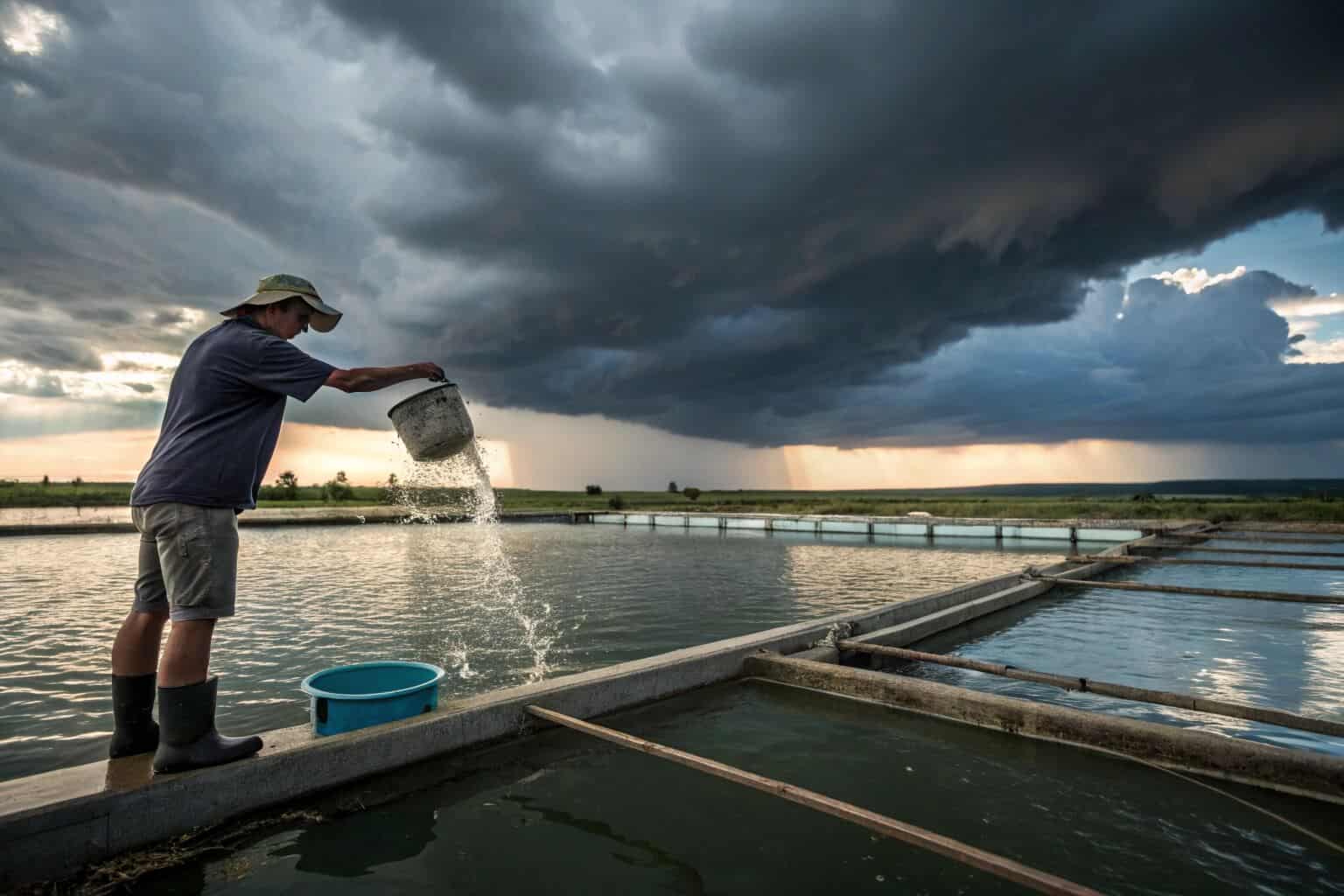
From my experience, the economics of fish production6 are tight. You have to watch every penny. The price of feed can change quickly, and you have no control over it. This volatility means that long-term financial planning is incredibly difficult, and farmers must be both resourceful and resilient to stay afloat.
The High Cost of Feed
Feed is the single biggest expense in fish farming7. It can be more than 50% of the total cost. The price of ingredients like fishmeal and soy can go up and down. When feed prices go up, your profit margin goes down. I’ve seen farmers struggle to make ends meet when feed costs suddenly spike. This economic pressure is driving a lot of innovation in feed formulation, with researchers looking for cheaper, more sustainable protein sources. This makes it very hard to plan for the future and run a stable business.
The Unpredictability of Climate Change
Climate change is making weather more extreme. A big storm can flood your ponds, or a long heatwave can raise water temperatures to deadly levels. I visited a farm that was completely wiped out by a hurricane. The owner had to start from scratch. This isn’t just about surviving a single event; it’s about rethinking the entire infrastructure of fish farming to build resilience for a future with more frequent and intense weather patterns. This uncertainty makes open-pond farming8 very risky, forcing many farmers to think about moving their operations indoors.
The Need for Sustainable Systems
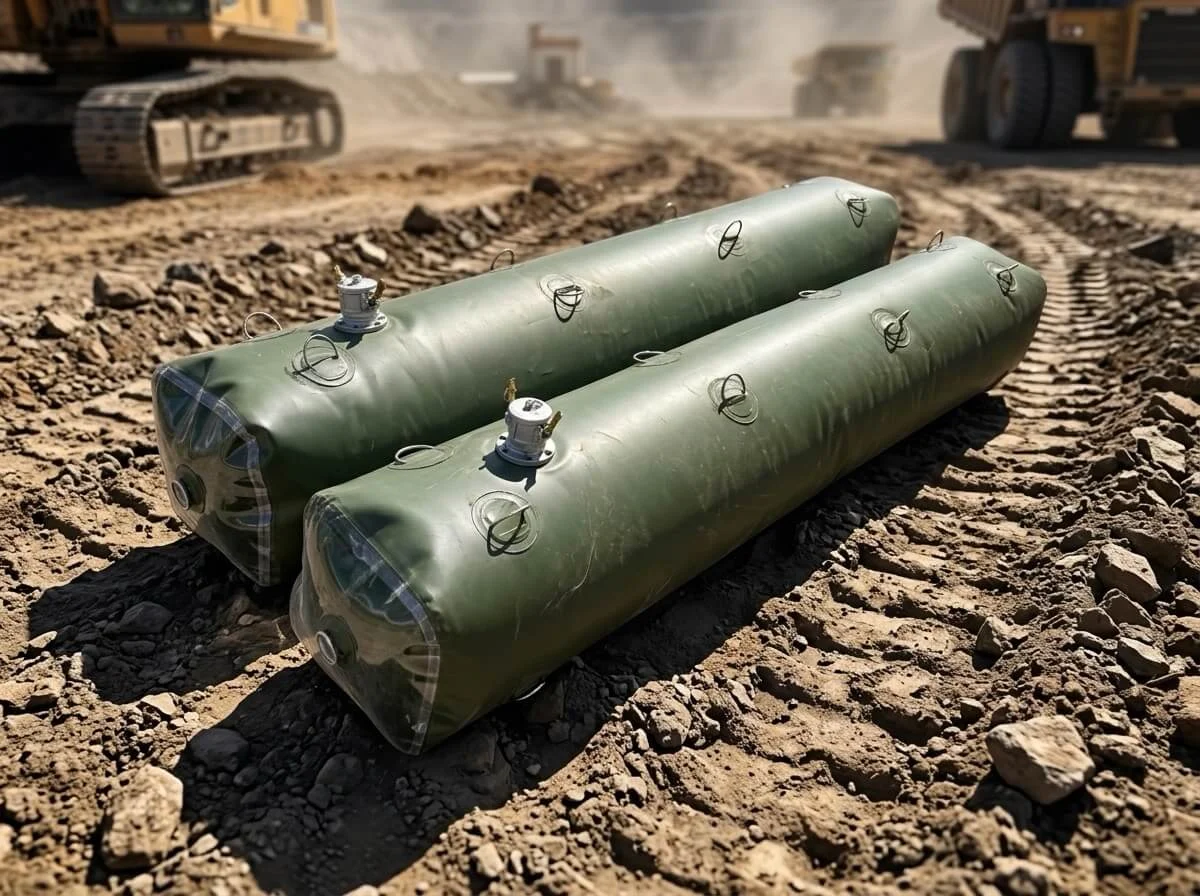
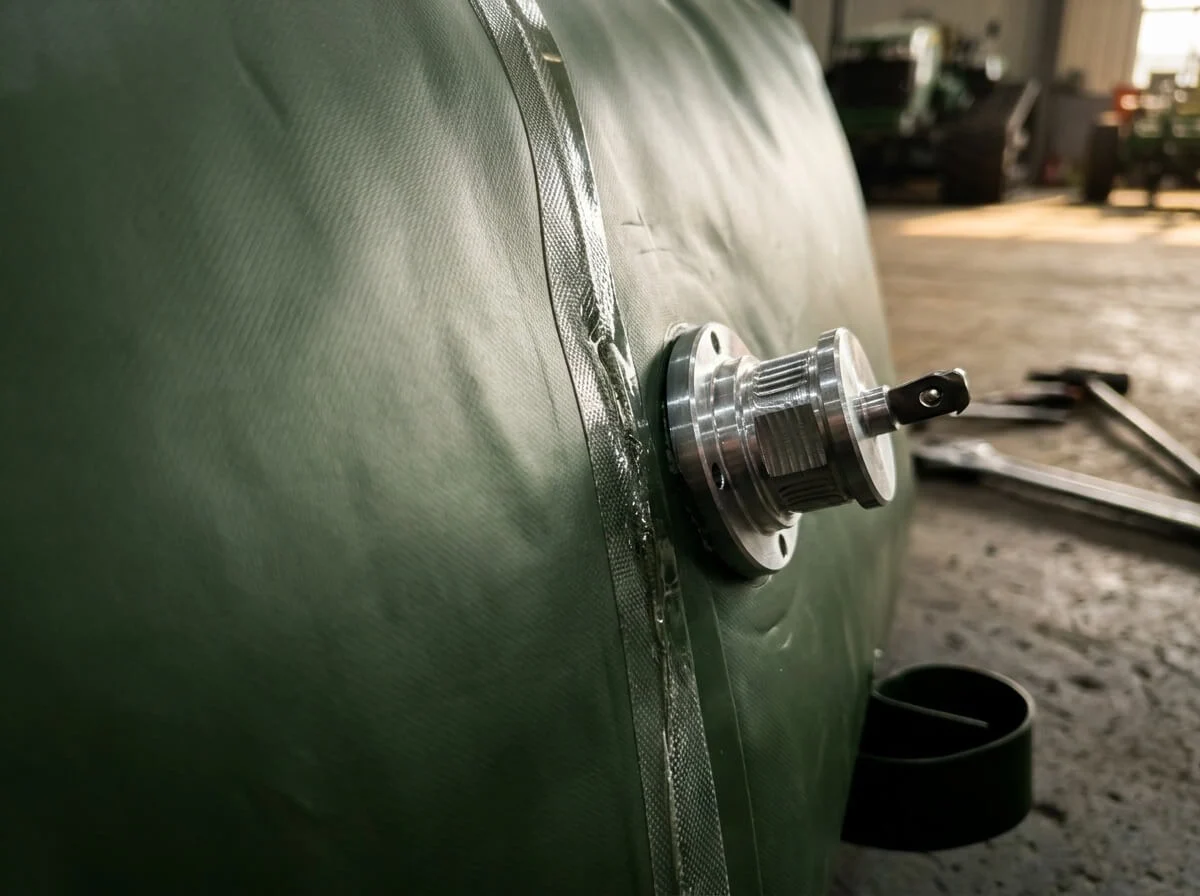
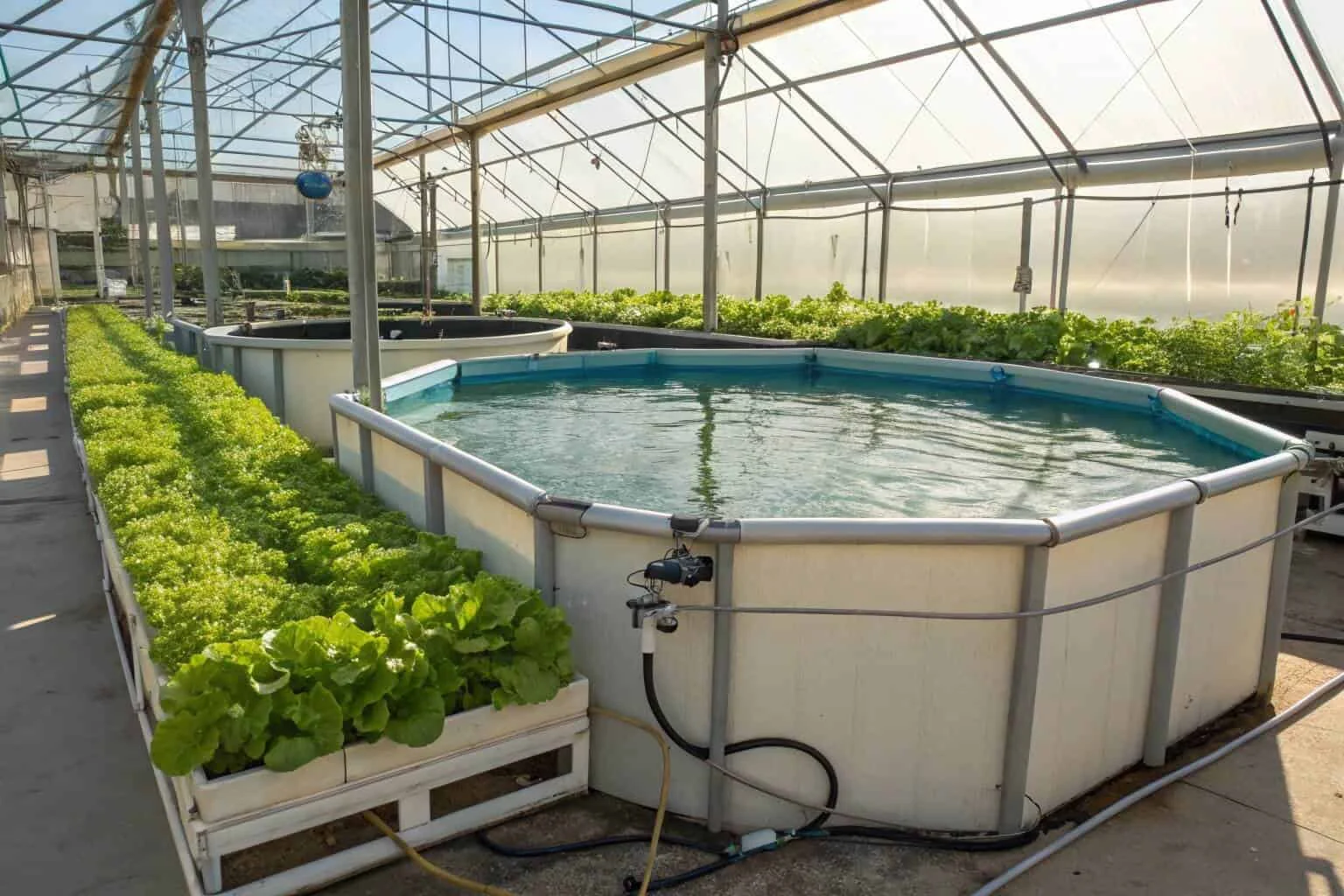
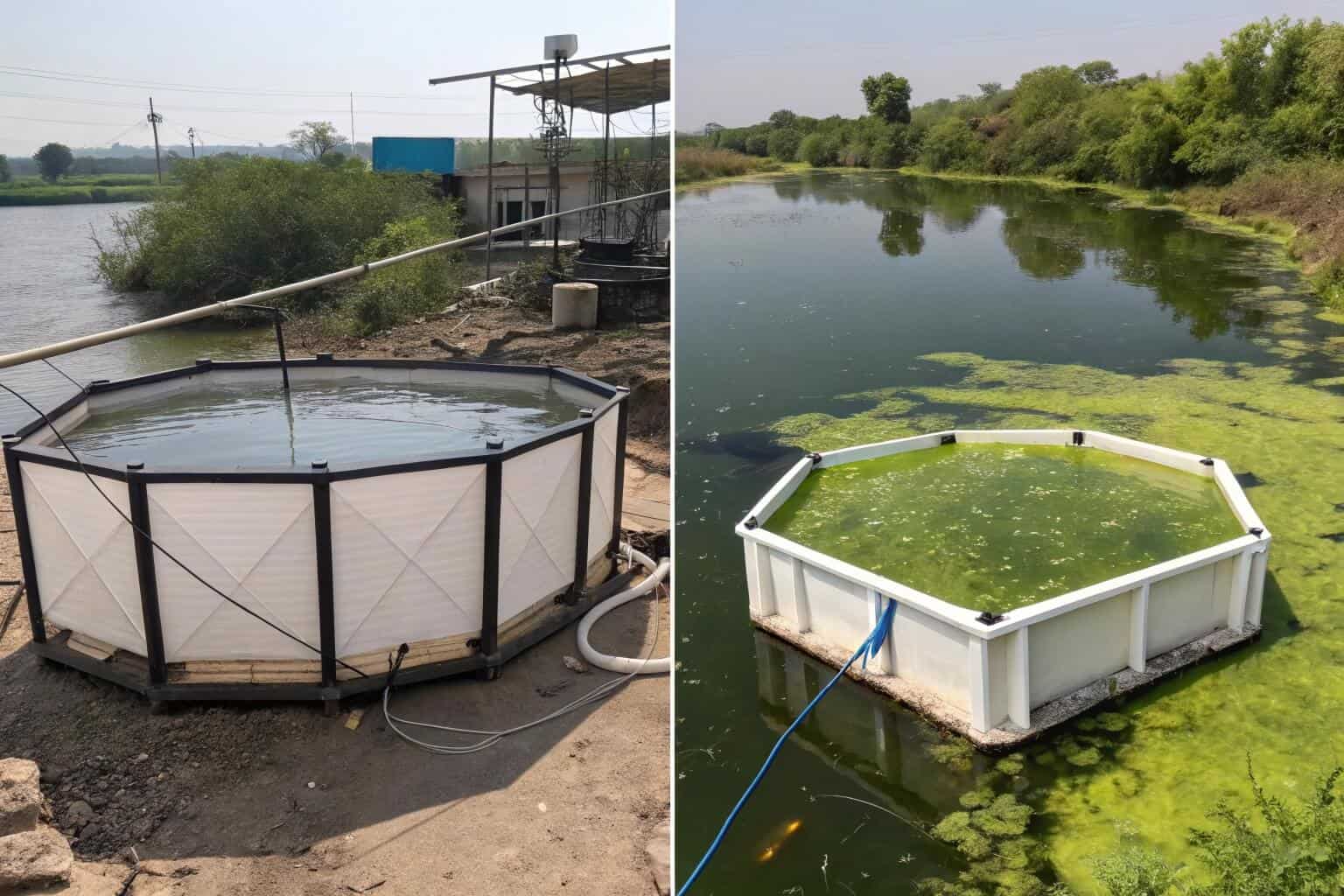
Because of these challenges, many farmers are looking for better ways to grow fish. Closed systems, like recirculating aquaculture systems (RAS), give you more control. They use less water and are protected from the weather. However, they are very expensive to set up. The choice of system involves a critical trade-off between control, cost, and scalability. This is where I see a need for new ideas. Tools like collapsible fish tanks9 can offer a middle ground, giving farmers more options to adapt.
| System Type | Key Feature | Main Challenge |
|---|---|---|
| Open-Pond Systems | Low initial cost, simple setup. | Vulnerable to weather, high water use, poor control. |
| Recirculating Systems (RAS)10 | High control, low water use, protected. | Very high initial investment, complex operation. |
| Collapsible Fish Tanks | Flexible, affordable, better control than ponds. | Less durable than permanent structures, size limits. |
What are the pros and cons of fish farming?
You might be thinking about whether fish farming is a good business for you. It can be very efficient, but it also has big risks like pollution and health issues. Every potential farmer needs to weigh these competing factors carefully, as success depends on maximizing the advantages while actively managing the significant drawbacks. Let’s look at the good and the bad to help you decide.
The pros of fish farming are that it is efficient, scalable, and provides a steady supply of protein. The cons are that it can pollute the environment with waste and create health risks if antibiotics are overused. Ultimately, the industry’s challenge is to harness its productive power without compromising environmental integrity or public trust.
I believe it’s important to be realistic. Fish farming has amazing potential, but you have to be aware of the downsides. It’s a balance between production and responsibility. Ignoring either side of this equation is a recipe for failure, either through financial loss11 or public backlash.
The Advantages of Controlled Farming
One of the biggest pros is efficiency. You can grow a lot of fish in a small space. This makes it scalable, meaning you can start small and grow your business over time. It also provides a much more stable supply of protein than fishing in the wild, which is becoming less reliable. This level of control and predictability is exactly why aquaculture12 is seen as a vital solution to feeding a growing global population sustainably. New technologies are making it even better, for example, by recycling water to reduce consumption.
The Disadvantages and Risks
On the other hand, the disadvantages are serious. As I mentioned, fish waste can pollute natural water bodies. There is also the issue of antibiotics. To prevent diseases in crowded farms, some farmers use a lot of antibiotics. This can lead to antibiotic-resistant bacteria13, which is a major public health concern. These are not just operational hurdles; they are ethical and ecological dilemmas that the industry must confront head-on. Finally, the cost to start a truly sustainable farm14 can be very high, which is a big barrier for many people.
| Pros | Cons |
|---|---|
| Efficient and scalable production | Environmental pollution from wastewater |
| Stable protein supply | Risk of antibiotic overuse |
| Reduced water use with new tech | High initial investment costs |
| Less pressure on wild fish stocks | Potential for disease outbreaks |
What is the main problem in farming?
With so many challenges, it’s hard to know what to focus on. If you spend your time on small issues, a bigger one could sink your entire business. Identifying this central issue allows farmers and the industry as a whole to develop strategies that address the root cause, rather than just treating the symptoms. We need to find the single biggest problem to direct our energy in the right place.
The main problem in fish farming today is the lack of sustainability. This covers everything from environmental damage and high resource use to whether a farm can even stay in business. Sustainability isn’t just an environmental buzzword; it’s a business model that ensures long-term viability. The industry must become greener and more profitable to survive.
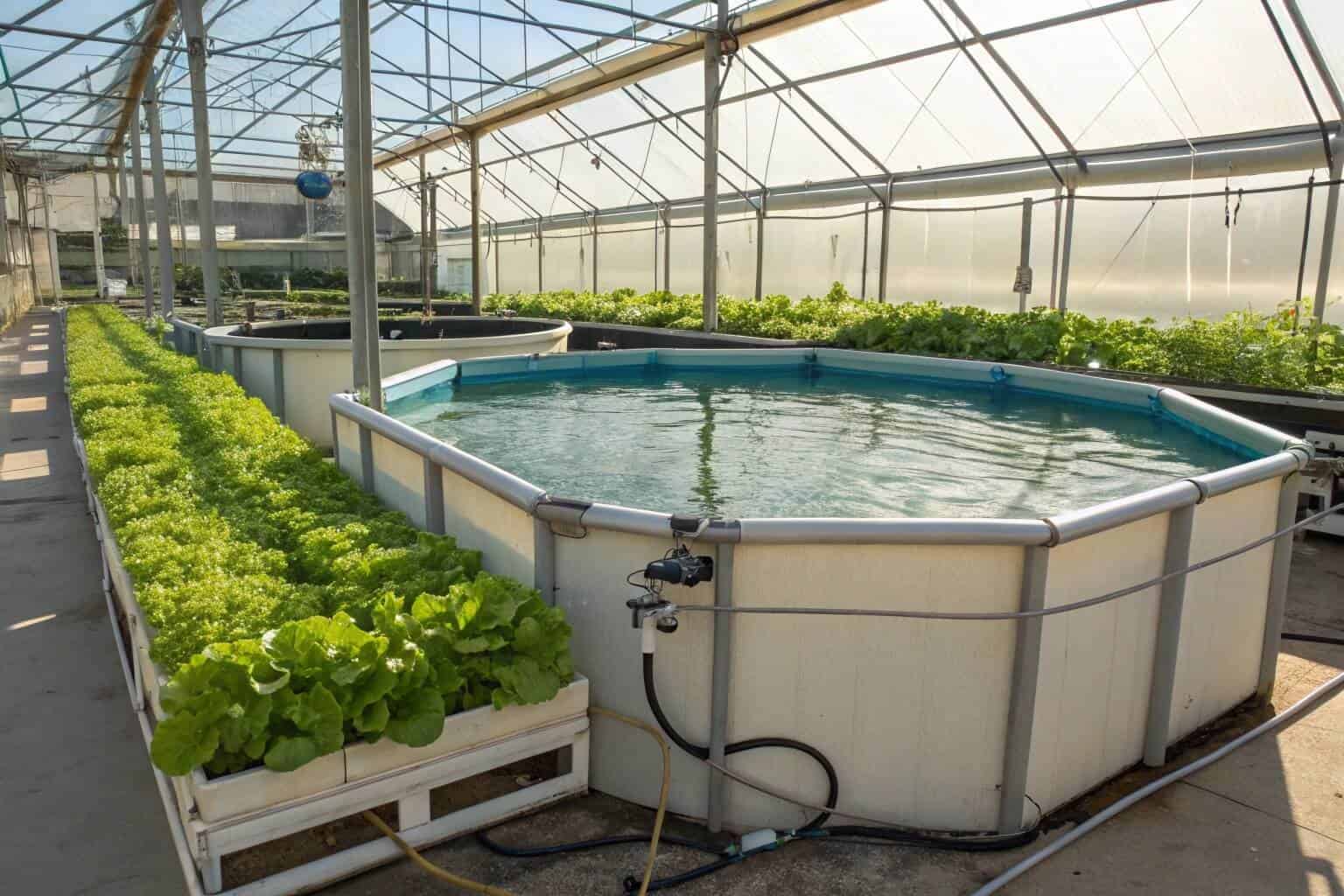
In all my conversations with farmers, experts, and business owners, one word keeps coming up: sustainability15. It’s the key to the future of this industry. It’s the thread that connects every challenge we’ve discussed, from disease management16 to market acceptance.
The Economic Side of Sustainability
For a farm to be sustainable, it first has to be profitable. I’ve seen many small farmers who want to use green technology17 but simply can’t afford the high initial cost. They are stuck in a cycle of using older, less efficient methods. This creates a difficult gap where the desire to be sustainable is high, but the financial means are low. At the same time, large companies face pressure from the public and government to be more environmentally friendly, or they risk losing their customers and facing fines.
The Environmental Side of Sustainability
The industry cannot continue to pollute. Consumers are smarter now. They want to know where their food comes from and how it was produced. A farm that is known for polluting will lose business. This shift in consumer awareness is creating a powerful market incentive for sustainability18. The future is in systems that recycle waste and use resources responsibly. This is not just about being good to the planet; it’s about good business.
The Path Forward with Innovation
So how do we solve this? I believe the answer is innovation. New technologies are making sustainable farming more possible. For example, IoT sensors can monitor water quality in real-time, and biotechnology is creating better, more sustainable fish feed. Innovation doesn’t have to be complex or expensive to be effective. This is also where I see tools like our collapsible fish tanks making a real difference. They are a flexible, affordable way for farmers to create more controlled environments, helping push the whole industry toward a better future.
| Innovation | Application in Fish Farming | Benefit for Sustainability |
|---|---|---|
| IoT Sensors19 | Real-time monitoring of water quality. | Prevents fish stress and disease, optimizes resources. |
| Biotechnology | Developing sustainable fish feed from alternative proteins. | Reduces reliance on wild fish, lowers costs. |
| Collapsible Tanks20 | Providing flexible, controlled environments. | Lowers entry barrier for sustainable practices. |
Conclusion
Fish farming is full of challenges like disease, high costs, and sustainability. However, with new technology and better practices, the industry can overcome these problems and build a bright, profitable future. The path is not easy, but for those who are willing to adapt and innovate, the rewards of feeding the world responsibly are immense.
- Understanding ecosystem management is crucial for sustainable aquaculture. Explore this link to learn effective strategies. ↩
- Understanding bacterial infections can help farmers implement effective prevention strategies, safeguarding their fish stock. ↩
- Exploring this topic will provide insights into maintaining optimal conditions for fish farming. ↩
- Understanding eutrophication is crucial for grasping its impact on water quality and fish populations. ↩
- Exploring the effects of wastewater discharge can reveal its significant impact on local ecosystems and fish health. ↩
- Understanding the economics of fish production can help farmers make informed decisions and improve profitability. ↩
- Exploring this link will provide insights into the latest innovations and challenges in the fish farming industry. ↩
- This resource provides insights into the risks of open-pond farming and potential solutions for farmers. ↩
- Discover how collapsible fish tanks can provide flexibility and affordability for farmers looking to optimize their operations. ↩
- Explore the advantages of RAS to understand how it can enhance fish farming efficiency and sustainability. ↩
- This resource provides insights on strategies to mitigate financial risks in fish farming, ensuring sustainable practices. ↩
- Exploring this link will provide insights into how aquaculture can sustainably feed the growing global population. ↩
- Understanding the impact of antibiotic-resistant bacteria is crucial for public health and sustainable farming practices. ↩
- Exploring resources on sustainable farming can help overcome initial investment barriers and promote eco-friendly practices. ↩
- Exploring this link will provide insights into effective sustainability practices that can benefit the agricultural industry. ↩
- This resource will help you understand the critical role of disease management in achieving sustainable agricultural practices. ↩
- Exploring this link will provide insights into how green technology can enhance farm sustainability and profitability. ↩
- Exploring this link will reveal how sustainability can enhance business performance and attract eco-conscious consumers. ↩
- Explore how IoT sensors enhance water quality monitoring, leading to healthier fish and more efficient farming practices. ↩
- Discover the advantages of collapsible tanks in creating controlled environments for fish farming, making sustainability accessible. ↩