Are you tired of high water bills? Collecting rainwater is a great way to save money and help the environment. It’s easier than you think to get started.
The cheapest way to collect rainwater is by using a simple barrel or a DIY system. These options are affordable and easy to set up for anyone.
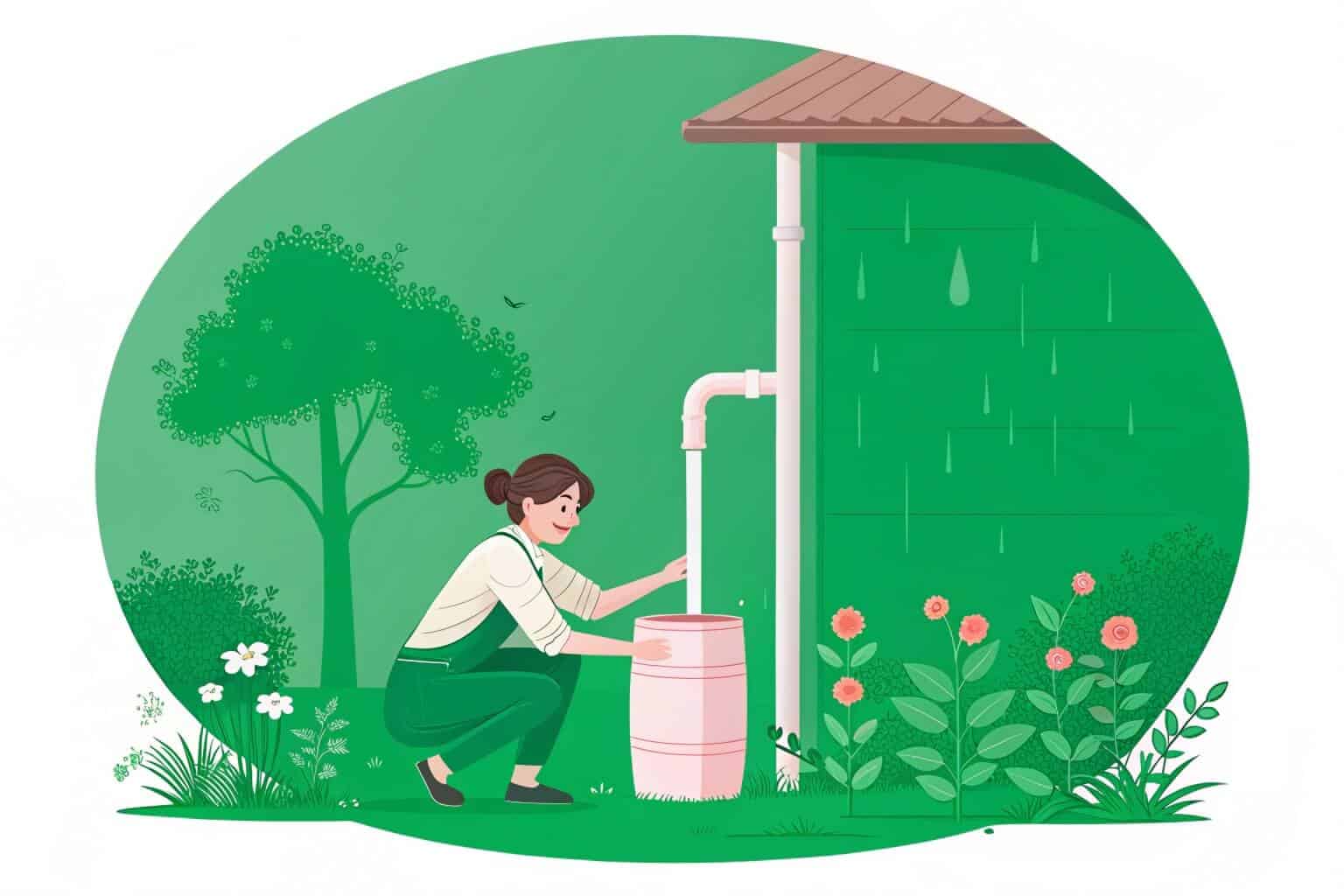
As a professional in the liquid packaging industry, I’ve seen how simple solutions can make a big impact. Rainwater collection is one of those things. It’s a practical step toward a more sustainable lifestyle. Let’s explore some of the most common questions people have about it.
What is the cheapest way to collect rainwater?
Worried about the cost of saving water? Many people think collecting rainwater is expensive. But you can start with a very small budget.
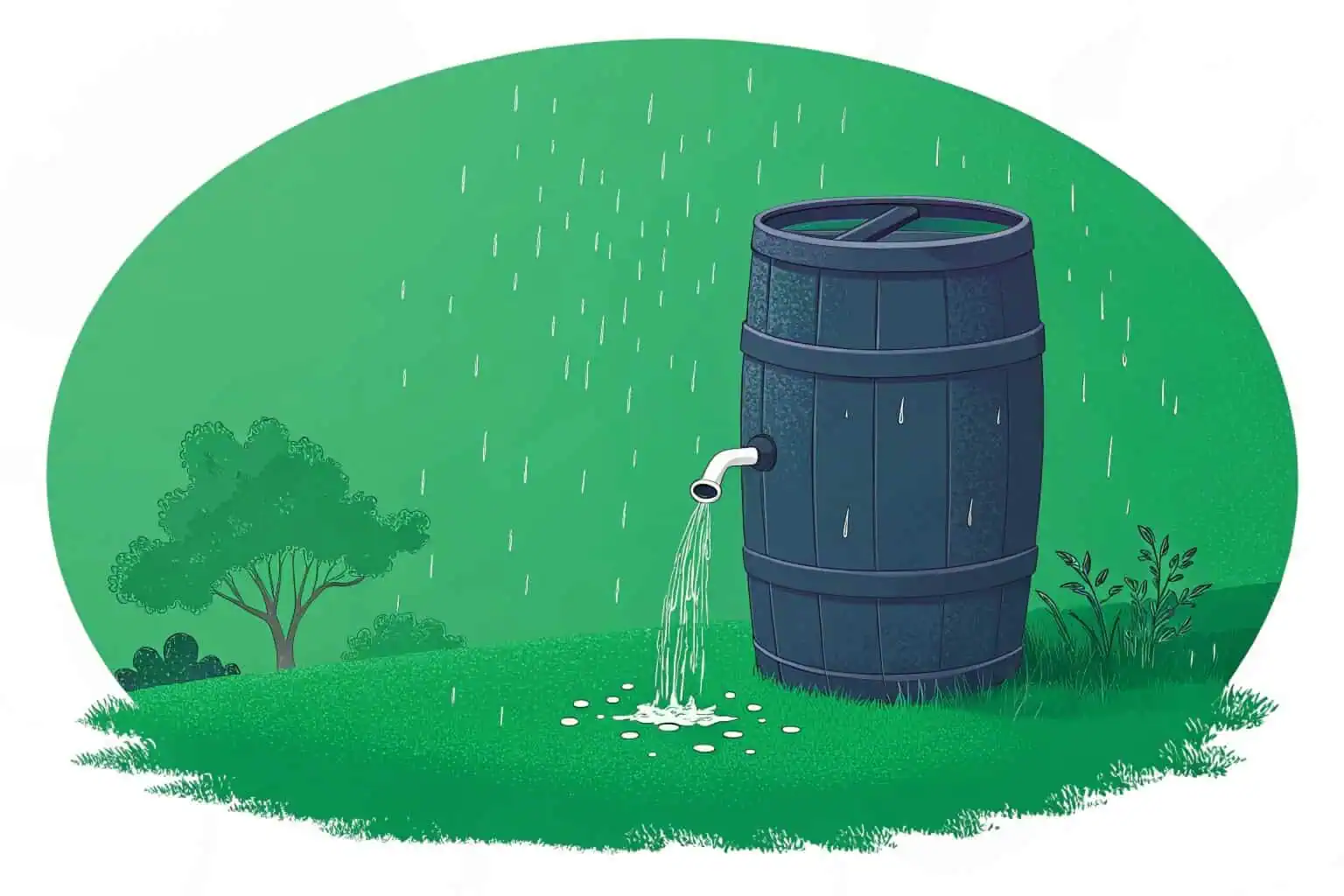
The most affordable method is a basic rain barrel connected to your downspout. You can also create a DIY system using simple materials for even greater savings.
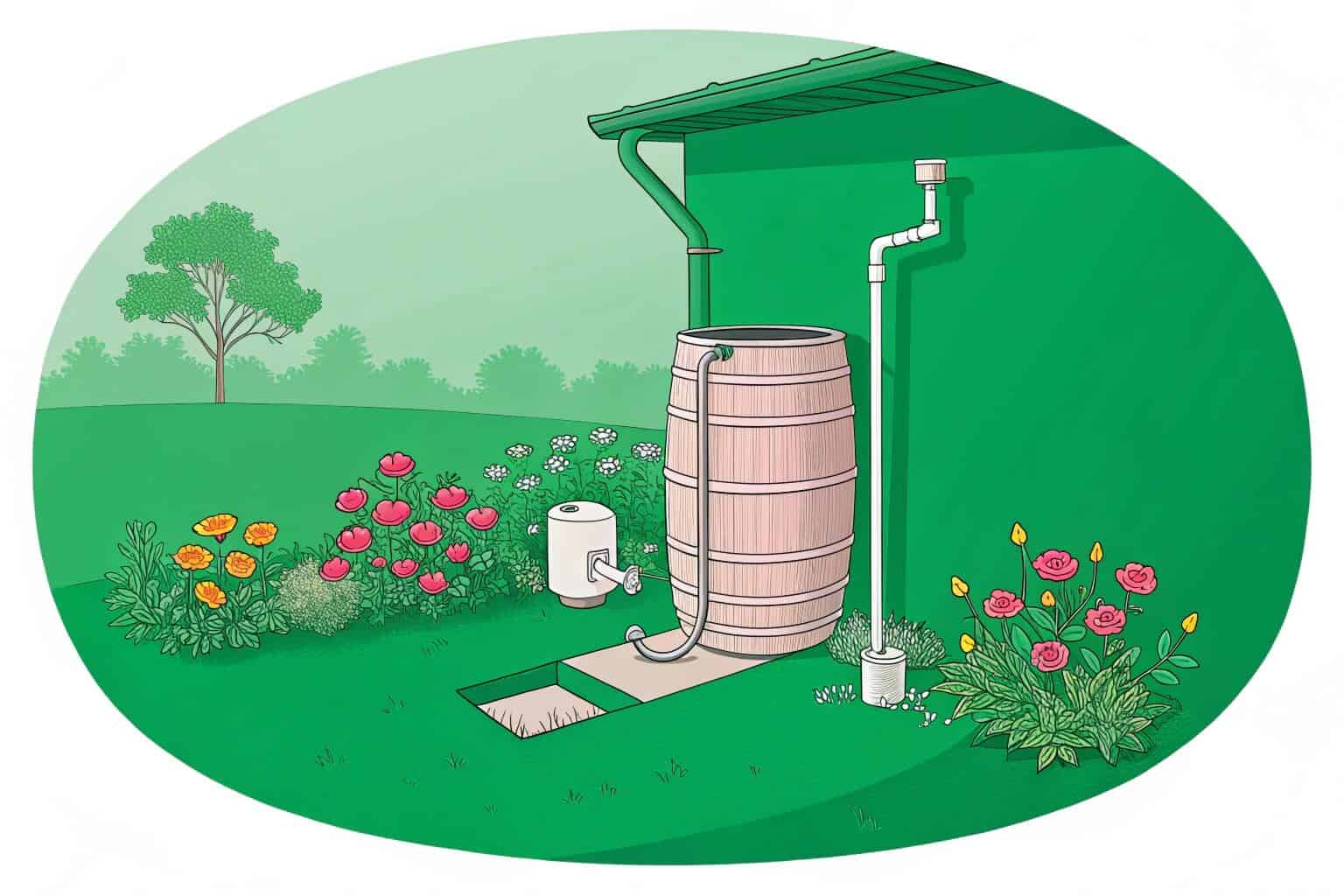
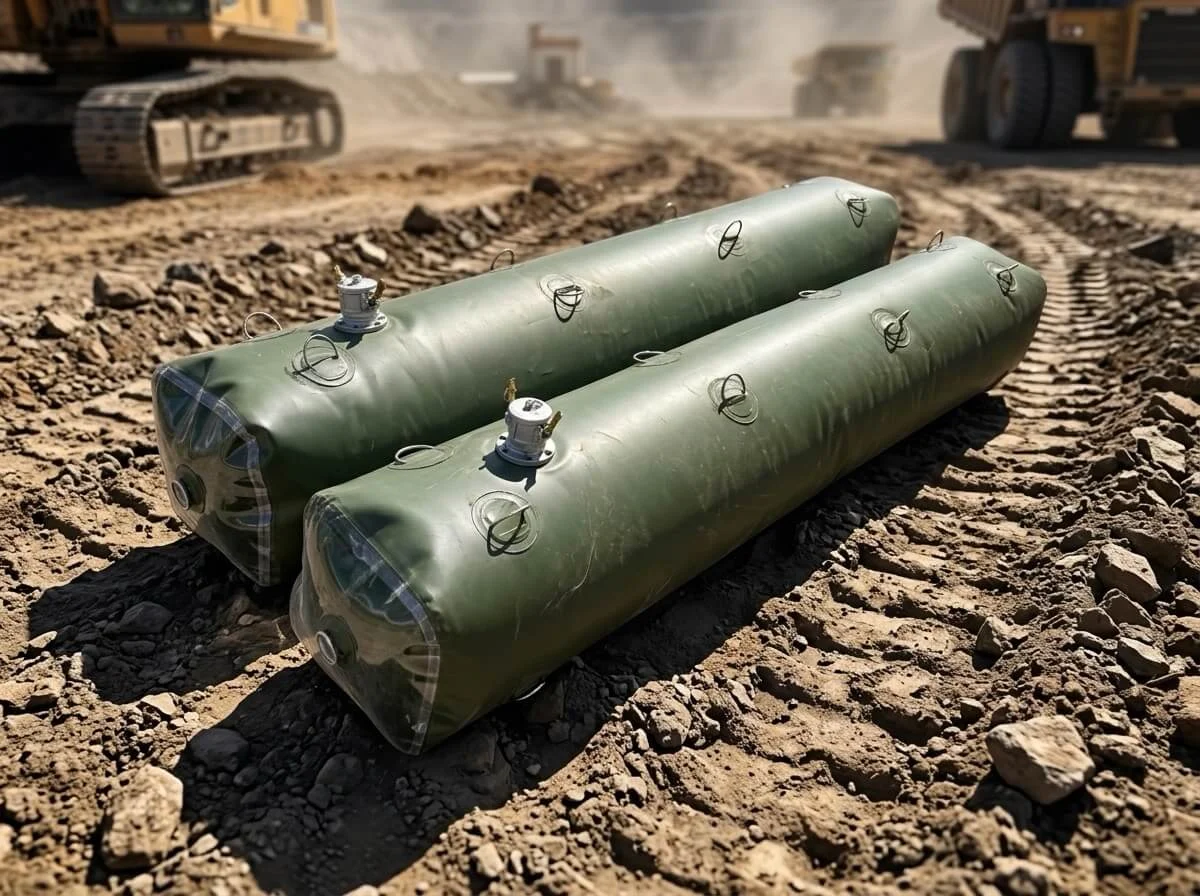
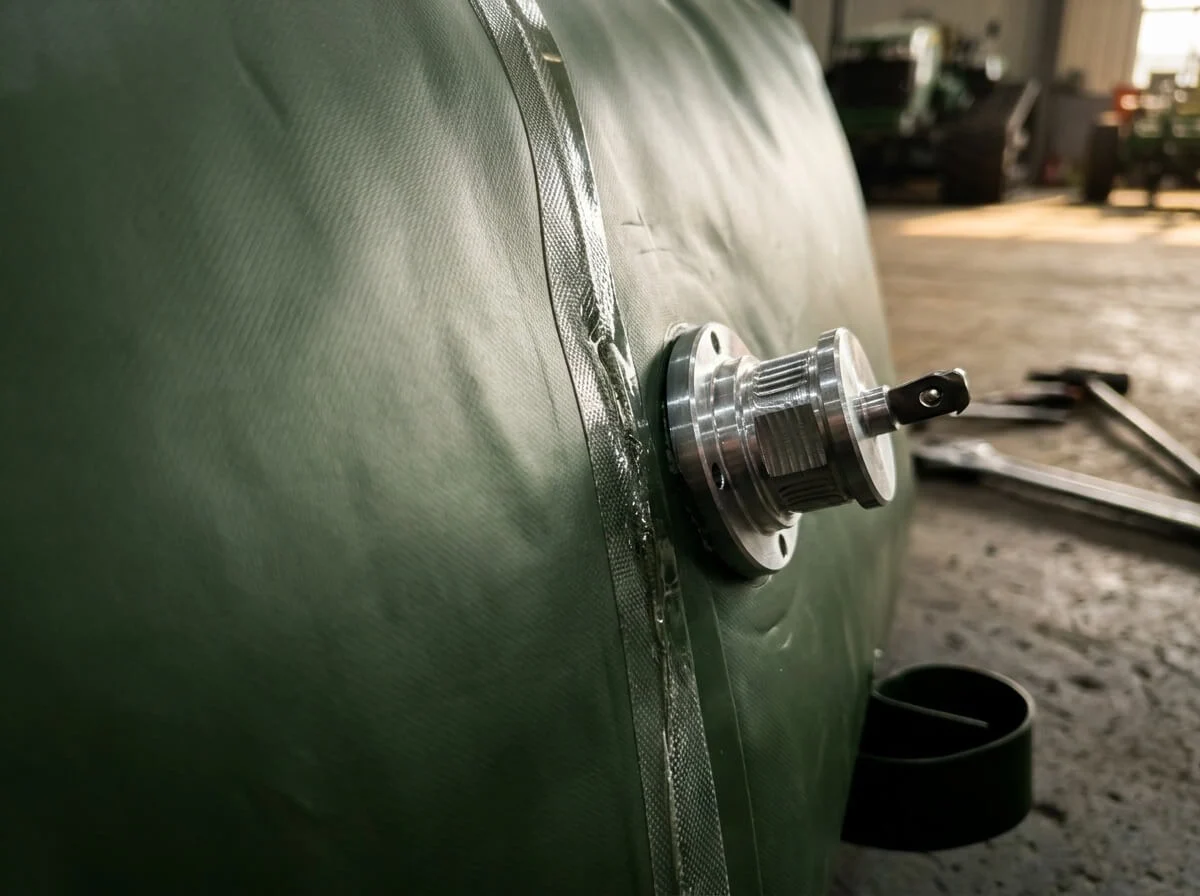
I’ve worked with many clients who started with simple setups, and the entry points are more accessible than most people think. A basic rain barrel1 is a great starting point because it requires minimal investment and is incredibly easy to install. You can often find them for a low price at a local hardware store, or even get them for free through community conservation programs that encourage water-saving practices. If you enjoy hands-on projects, a DIY system is a fantastic and rewarding option. You can repurpose a large, clean trash can or a food-grade barrel, which are often available for little to no cost. The key is to ensure the container is thoroughly cleaned and has a secure lid to keep out debris, leaves, and mosquitoes. For those looking for a more durable and convenient option without a hefty price tag, a foldable PVC rain barrel is an excellent choice. For instance, our Bancy collapsible rain barrels are crafted from high-strength, UV-resistant PVC and feature advanced dual-layer welding to ensure a long, leak-free service life, offering a significant upgrade in quality and convenience.
Basic Rain Barrel
A standard rain barrel is the most common choice for beginners, and for good reason. It’s a simple, effective way to start collecting rainwater without a significant upfront cost. You just place it under a downspout, and it passively fills up whenever it rains. Many models come with a spigot at the bottom, making it easy to access the water for your garden. This simplicity makes it an ideal first step into the world of rainwater harvesting2.
DIY Systems
For those who enjoy a hands-on project, a DIY system can be very rewarding and cost-effective. You can customize it to fit your specific space and needs, which is a major advantage over pre-made solutions. The most important considerations are using a clean, food-grade container3 to avoid contamination and installing a good filter or screen over the inlet to keep leaves, twigs, and other debris out of your water. This not only keeps the water cleaner but also prevents clogs in your system.
Foldable PVC Barrels
If you want something more durable, flexible, and easy to store, a foldable PVC barrel4 is an excellent choice. These are lightweight, so they are easy to move and set up, and they can be folded down to a compact size during the dry season. This is a huge benefit for people with limited space. They are designed for long-term outdoor use, with UV-resistant fabric5 and strong, welded seams, and come in a wide range of sizes to suit various needs.
| Feature | Benefit |
|---|---|
| Portability | Easy to move and set up wherever you need it. |
| Compact Storage | Folds down to a small size, saving space when not in use. |
| Durability | Made from high-strength, UV-resistant materials for long life. |
| Variety | Available in a wide range of capacities, from 50 to 1000 liters. |
How fast will a 50 gallon rain barrel fill up?
Is a 50-gallon barrel big enough? It’s a common question for people new to rainwater collection, and the answer often surprises them. The speed at which it fills depends on a few key factors.
A 50-gallon rain barrel can fill up in just a few hours during a moderate rainstorm. The exact time depends on your roof size and the intensity of the rainfall.
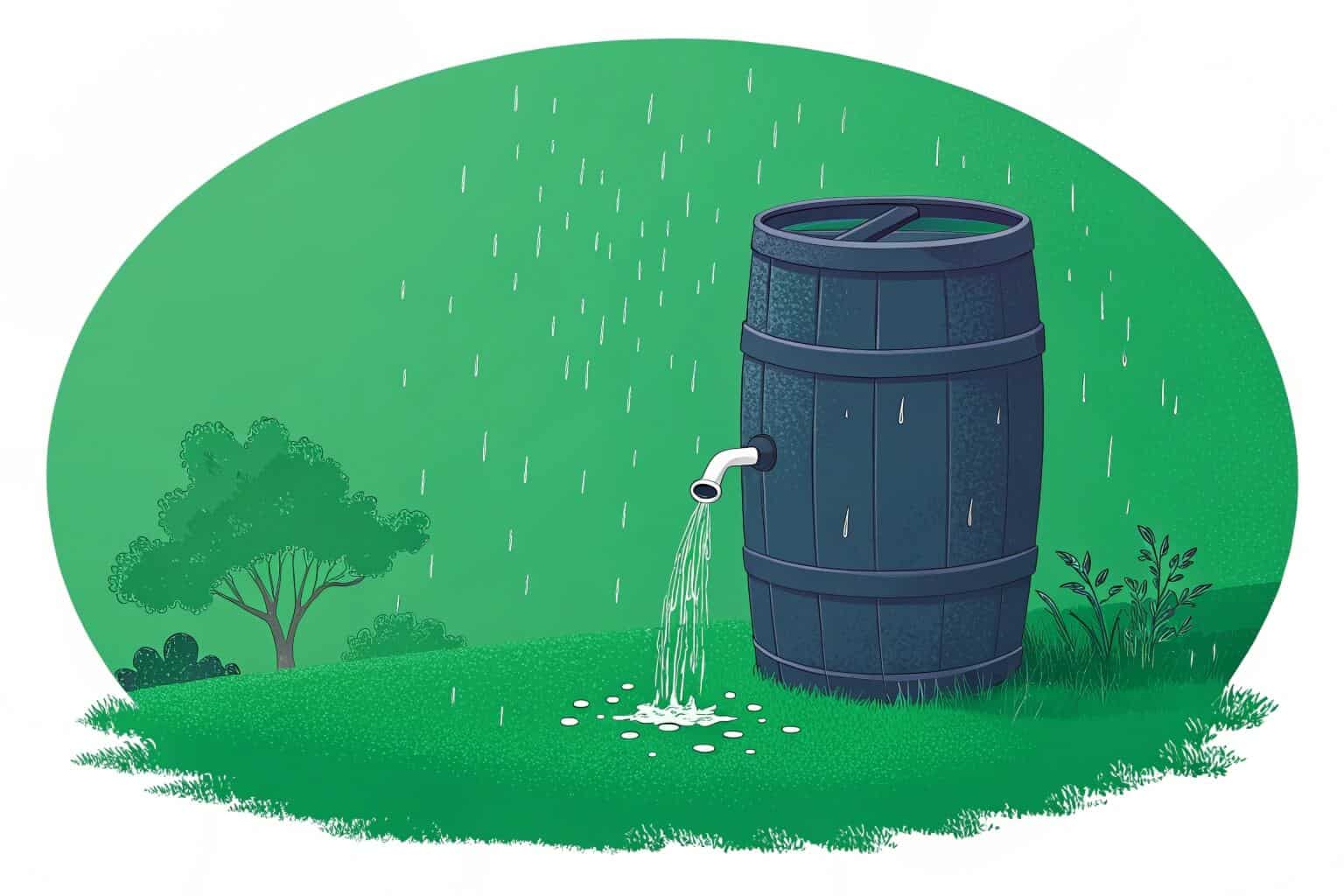
In my experience, people are often shocked by how quickly their barrels fill up, which highlights the efficiency of rainwater collection6. It’s a practical matter that helps you plan how to use the water you collect. To give you a better idea, let’s look at the numbers. A good rule of thumb is that for every inch of rain that falls on a 1,000-square-foot roof, you can collect approximately 600 gallons of water. This means that even with a smaller roof area and a steady, moderate rain, your 50-gallon barrel will be full in no time. This is why it’s crucial to have a plan for using the collected water7 or for safely diverting the overflow. It’s important to choose the right size barrel for your needs, whether it’s a small barrel for a home garden or a larger tank for agricultural use, to ensure you can manage your water resources effectively.
| Roof Area (sq ft) | Rainfall (inches) | Collected Water (gallons) |
|---|---|---|
| 500 | 0.5 | 150 |
| 1000 | 1 | 600 |
| 1500 | 0.25 | 225 |
Roof Size
The larger your roof, the more water you can collect. It acts as a giant funnel, directing all the rain that falls on it toward your gutters and downspouts. A small shed might only fill a barrel over several rainfalls, but the roof of an average-sized house can capture a substantial amount of water from a single storm. This is a simple but critical factor to consider when planning your system.
Rainfall Intensity
A heavy downpour will fill your barrel much faster than a light, steady drizzle. It’s a good idea to keep an eye on the weather forecast8 to get an idea of how much rain to expect. This will help you anticipate how quickly your barrel will fill and plan your water usage accordingly. In regions with infrequent but heavy rainfall, a larger storage capacity might be more beneficial.
Overflow Management
Once your barrel is full, you need a way to handle the excess water. Simply letting it spill over the top can cause water to pool around your foundation, which can lead to damage over time. A proper overflow system9, such as a hose that directs the water to another part of your garden, a second barrel, or a storm drain, is essential for managing heavy rainfall10 and protecting your home.
What states legally allow you to collect rainwater?
Are you allowed to collect rainwater where you live? This is a critical question, as the laws can vary significantly from one state to another. It’s important to know the rules in your area before you invest in a system.
Most states, like California and Florida, encourage rainwater collection. However, some states, such as Colorado, have had strict regulations in the past and may still require a permit.
As a supplier, I always advise my clients to check their local regulations, because assuming it’s okay can sometimes lead to problems. The legal landscape for rainwater harvesting has been changing rapidly and positively. Many states now see it as a key part of their water conservation strategy, especially in drought-prone areas. In places like Texas and Ohio, you can even get tax credits for installing rainwater harvesting systems11, which is a great incentive. However, in some western states with complex water rights laws, there have been historical restrictions based on the idea that all water is already allocated to downstream users. The good news is that many of these restrictions are being eased as the benefits of rainwater collection become more widely recognized. The trend is clearly toward more freedom to collect rainwater, which is a positive development for both individuals and the environment. It’s always best to do a quick search for your state and local rules before you start your project.
States with Favorable Laws
Many states have passed laws to protect and encourage the right to collect rainwater. These states often provide resources, workshops, and financial incentives to help residents get started. They recognize that rainwater harvesting12 reduces demand on municipal water supplies and helps control stormwater runoff, which benefits the entire community.
States with Restrictions
A few states, particularly in the arid West, have more complex rules. This is often due to long-standing water rights agreements13 that date back over a century. In these areas, you may need to get a permit, limit the volume of water you collect, or use it only for specific, non-potable purposes. The rules are often designed to balance individual water collection with the needs of downstream water users.
Local Ordinances
Even in states where rainwater collection14 is legal and encouraged, there may be local rules to follow. Your city, county, or homeowners’ association may have its own ordinances regarding the placement, appearance, and maintenance of rain barrels15. It’s always a good idea to check with these local authorities to ensure your system is fully compliant with all regulations.
| Regulation Type | Common Examples | Why It Matters |
|---|---|---|
| Placement | Setbacks from property lines, distance from foundation. | Ensures safety and prevents water damage to your home or your neighbor’s property. |
| Appearance | Color, screening from public view. | Maintains neighborhood aesthetics, often required by HOAs. |
| Maintenance | Mosquito-proof lids, regular cleaning. | Prevents public health issues and ensures the quality of your collected water. |
How long do you have to boil rainwater to make it drinkable?
Can you drink the water you collect? This is a common and very important safety concern. While rainwater is naturally pure when it falls from the sky, it can pick up contaminants from your roof, gutters, and storage container.
You should boil rainwater for at least one to five minutes to kill most bacteria and viruses. However, boiling does not remove chemical pollutants, so a filter is also recommended for drinking.
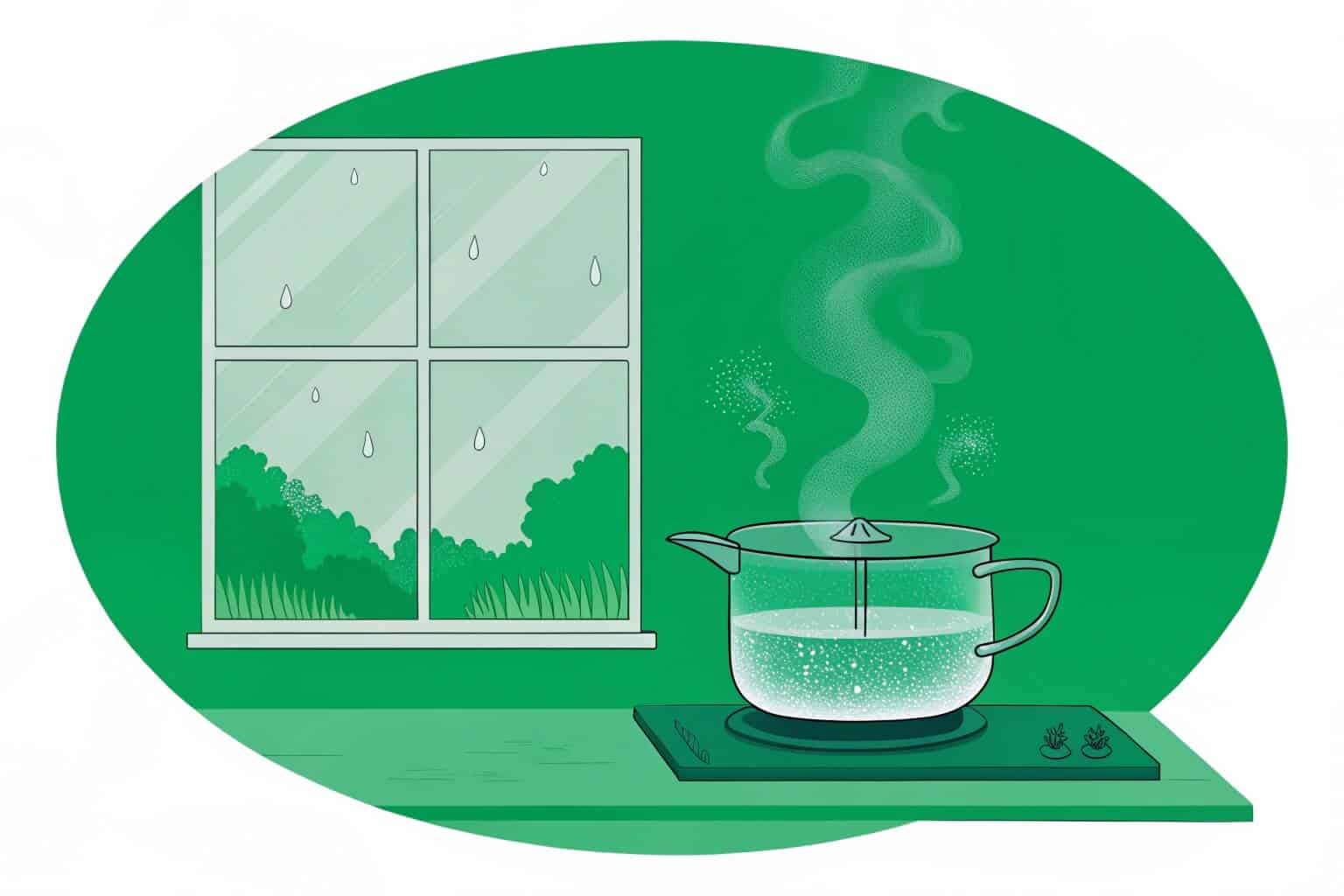
I’ve seen many people underestimate the importance of treating rainwater before drinking it, and it’s a critical step that should never be skipped. Boiling is a simple and effective way to disinfect water, making it safe from biological contaminants. The World Health Organization recommends bringing the water to a rolling boil for at least one minute. If you live at a higher altitude (above 6,500 feet), you should boil it for three minutes to ensure all pathogens are killed. But boiling is only part of the solution. It won’t remove chemical pollutants like pesticides, heavy metals from roofing materials, or other dissolved solids. For the safest drinking water, you should use a multi-stage filtration system16. This typically includes a sediment filter to remove particles, a carbon filter to remove chemicals and improve taste, and for the highest level of safety, a UV sterilizer to kill any remaining microorganisms. It’s crucial to invest in the right purification setup if you intend to use rainwater for potable purposes.
Boiling
Boiling is the most basic and reliable method of water purification. It is highly effective against bacteria, viruses, and protozoa that can cause illness. It’s a crucial first step if you plan to use rainwater for cooking, drinking, or personal hygiene. The key is to maintain a rolling boil17 for the recommended amount of time to ensure complete disinfection.
Filtration
A good filtration system can remove a wide range of impurities that boiling leaves behind, including sediment, chemicals, and heavy metals. There are many types of filters available, from simple pitcher filters for small amounts of water to more advanced multi-stage systems18 that can be integrated directly into your plumbing. The type of filter you need will depend on the quality of your rainwater and how you plan to use it.
UV Sterilization
For the highest level of safety and peace of mind, a UV sterilizer19 is a great addition to your purification process. It uses ultraviolet light to disrupt the DNA of microorganisms, rendering them harmless. This technology is very effective and adds an extra layer of protection, ensuring your water is as safe as possible to drink. It’s often used as the final step in a comprehensive water treatment system20.
| Feature | How It Works | Effectiveness |
|---|---|---|
| Mechanism | Uses UV-C light to damage the DNA of microorganisms. | Kills 99.9% of bacteria, viruses, and protozoa. |
| Chemicals | No chemicals are added to the water. | Preserves the taste and mineral content of the water. |
| Maintenance | Requires periodic lamp replacement (usually annually). | Simple to maintain and operate. |
Conclusion
Collecting rainwater is a simple, affordable way to save money and live more sustainably. With a little planning, you can easily set up a system that works for you.
- Explore the benefits of rain barrels for conserving water and reducing utility bills, making them a smart choice for eco-friendly living. ↩
- Learn about rainwater harvesting to discover its environmental benefits and how it can be a sustainable water source. ↩
- This resource will explain the significance of using food-grade containers, ensuring safety and quality in your DIY endeavors. ↩
- Explore the advantages of foldable PVC barrels for durability and space-saving solutions. ↩
- Learn how UV-resistant fabric enhances the longevity of outdoor items, making them a smart investment. ↩
- Explore the advantages of rainwater collection to understand its impact on sustainability and resource management. ↩
- Learn effective methods for utilizing collected water to maximize its benefits for gardening and household use. ↩
- Understanding the weather forecast helps you plan for rain, ensuring efficient water collection and usage. ↩
- Explore this link to learn about various overflow systems that can protect your home from water damage. ↩
- Discover strategies for managing heavy rainfall to prevent flooding and protect your garden. ↩
- Discover the financial incentives available for rainwater harvesting systems, which can significantly reduce installation costs. ↩
- Explore the benefits of rainwater harvesting to understand its impact on water conservation and community health. ↩
- Understanding water rights agreements is crucial for navigating water usage laws, especially in arid regions. ↩
- Understanding local regulations on rainwater collection can help you comply and maximize your water conservation efforts. ↩
- Proper maintenance of rain barrels is crucial for health and efficiency; explore best practices to ensure safe water collection. ↩
- Understanding multi-stage filtration systems can help you choose the best setup for safe drinking water. ↩
- Learn the optimal boiling times to ensure your water is safe for consumption. ↩
- Learn about the advantages of multi-stage systems, which provide comprehensive filtration for better water quality. ↩
- Explore this link to understand the technology behind UV sterilizers and their benefits for water purification. ↩
- Learn about the various components of water treatment systems to enhance your knowledge of safe drinking water solutions. ↩