Struggling to find clear costs for starting a fish farm in Nigeria? The conflicting information is frustrating. I’ll break down the real expenses for you.
Starting a fish farm in Nigeria can cost anywhere from a few thousand dollars for a small-scale setup to over $50,000 for a larger commercial operation. Key costs include land, pond construction, fingerlings, feed, and equipment. My company, Bancy, offers affordable solutions like collapsible fish ponds to help.
Getting the numbers right is just the first step. You also need to know if this venture will actually make you money. Let’s explore the profitability and what it really takes to succeed in the Nigerian fish farming industry.
What are the detailed costs for starting a fish farm in Nigeria?
Worried about hidden costs when starting your fish farm? It’s easy to overlook expenses beyond the basics. I’ll give you a detailed breakdown so you can budget accurately.
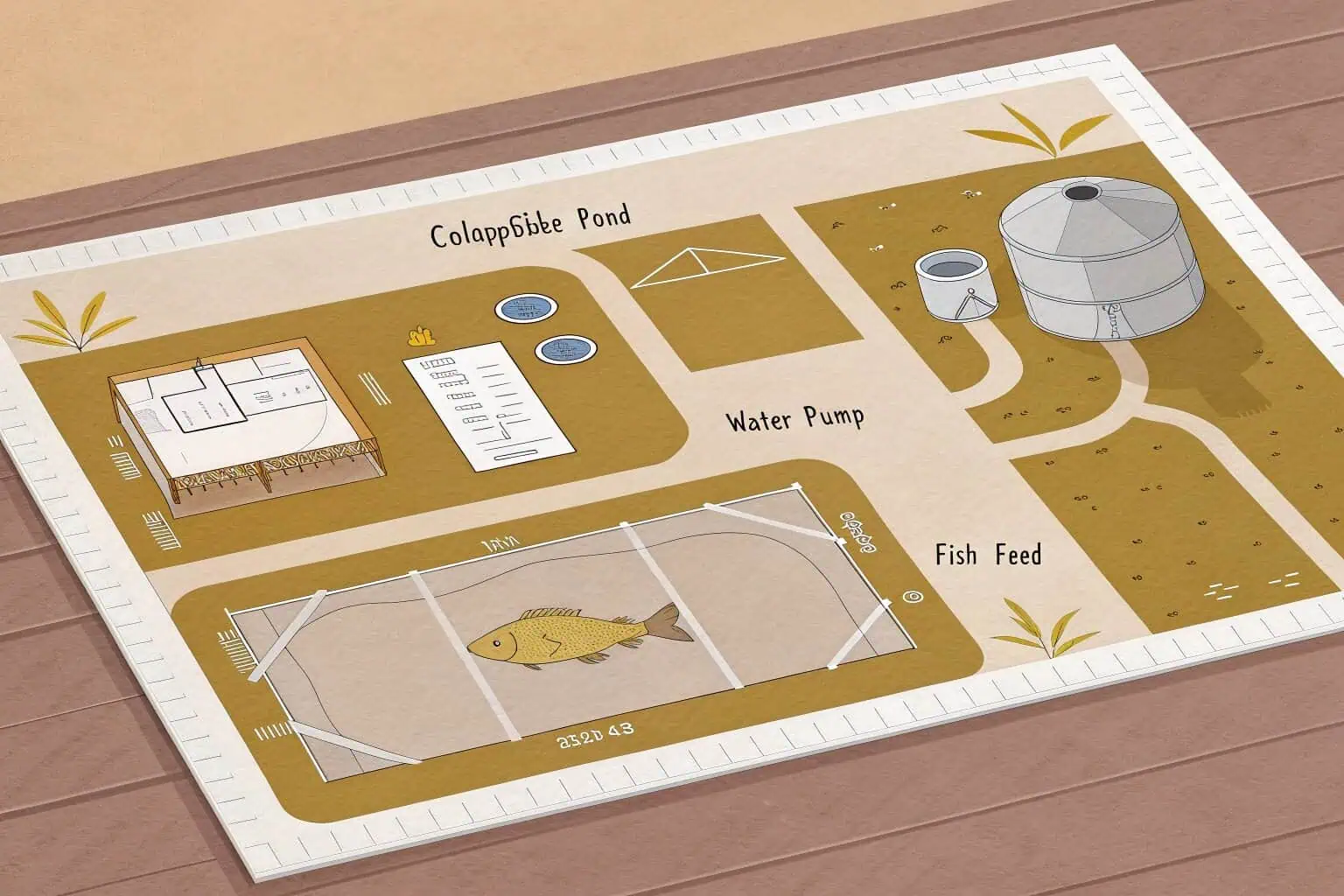
A detailed budget for a Nigerian fish farm includes land acquisition or lease, pond construction (concrete, earthen, or collapsible), a reliable water source like a borehole, high-quality fingerlings, and a consistent feed supply. Don’t forget operational costs like labor and security.
Let’s break down the costs more. When I first started my journey in this industry, I underestimated some of these. You need to think about everything to create a realistic budget.
Initial Capital Costs (One-Time)
This is the money you need to get everything set up before you even buy your first fish.
- Land: The price varies a lot depending on the location. Buying land near a city is expensive. Leasing can be a cheaper way to start and test your business model.
- Pond Construction1: This is a major expense. You have several options:
- Concrete Ponds: They are very durable but also very expensive to build. They require skilled labor.
- Earthen Ponds: These are cheaper to dig but need the right type of clay soil to hold water. They also require more maintenance.
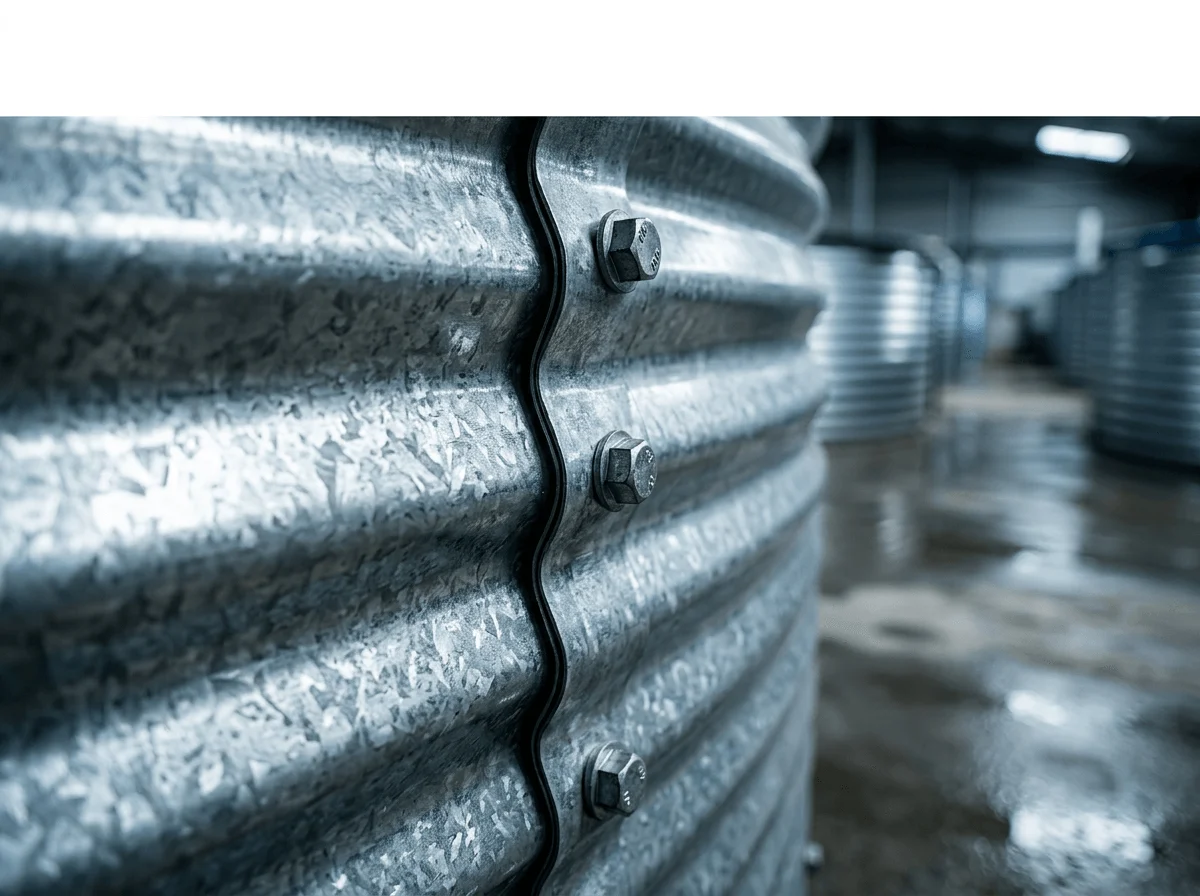
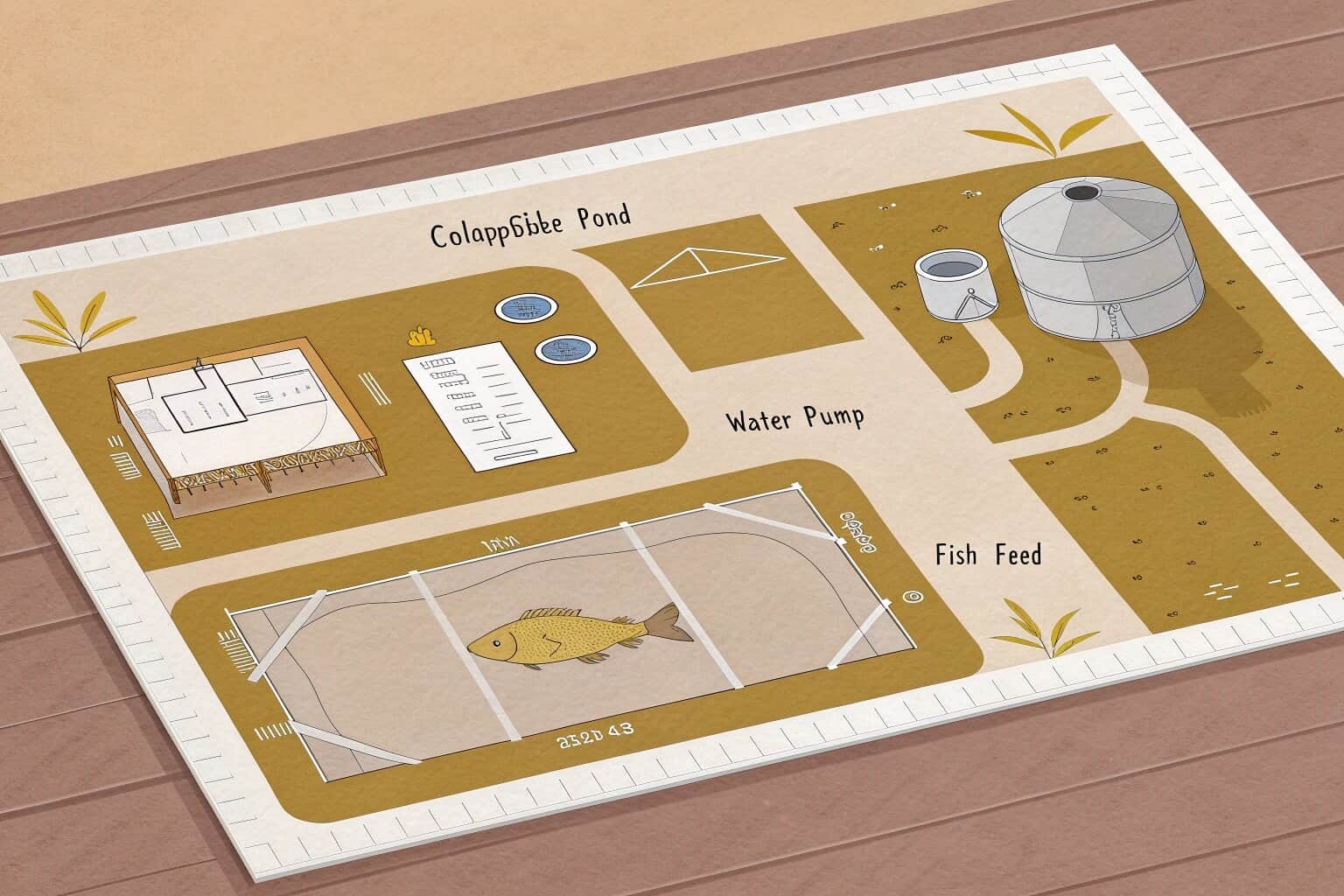
- Collapsible Ponds: This is where my company, Bancy, offers a great solution. Our galvanized pipe or sheet tanks are durable, easy to set up, and much more affordable than concrete ponds. This can save you a lot of money upfront.
- Water Supply2: You need a constant source of clean water. A borehole with a submersible pump is often the best solution. This can be a significant one-time cost.
- Housing and Storage: You need a small, secure building for storing feed and equipment. Feed must be kept dry and safe from pests.