Dreaming of a fish farm in Kenya but worried about costs? Starting can seem complex. I’ll guide you through the financial side.
Starting a fish farm in Kenya involves costs for ponds, fingerlings, feed, and licenses. Initial investment can range from KES 50,000 for small ponds to over KES 500,000 for larger commercial setups, depending on scale and technology.
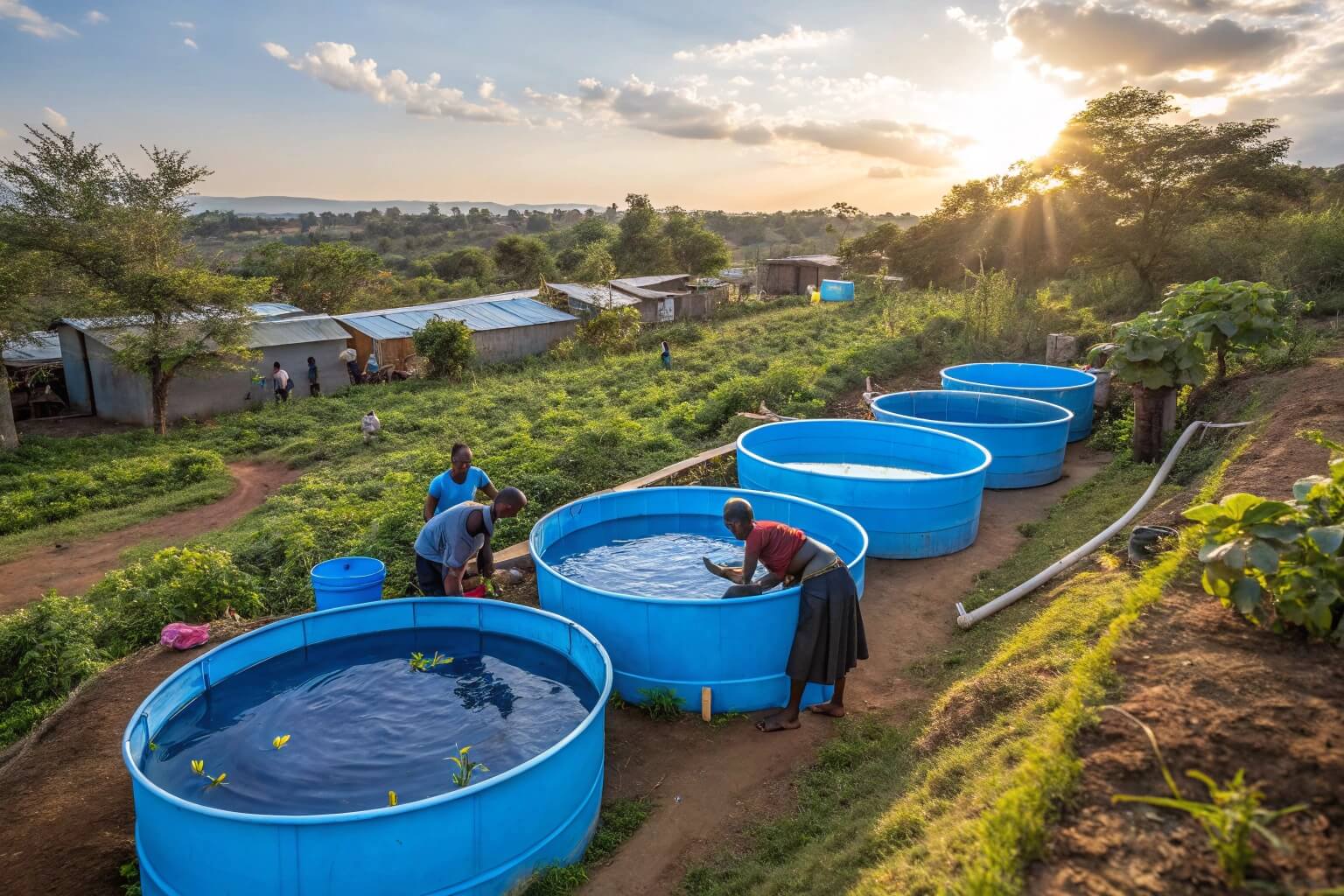
Understanding the initial outlay is just the first step. Let’s break down these costs further and explore what you truly need to get started and succeed in this promising venture. As someone who has navigated these waters, I believe that with the right information, anyone can make an informed decision.
How much do I need to start fish farming in Kenya?
Wondering about the exact capital for your Kenyan fish farm? It varies greatly. Let’s explore the key factors influencing your startup budget.
To start fish farming in Kenya, you’ll need funds for pond construction, quality fingerlings, feed, water management, and permits. A small-scale pond might start from KES 50,000, while larger ventures require significantly more.
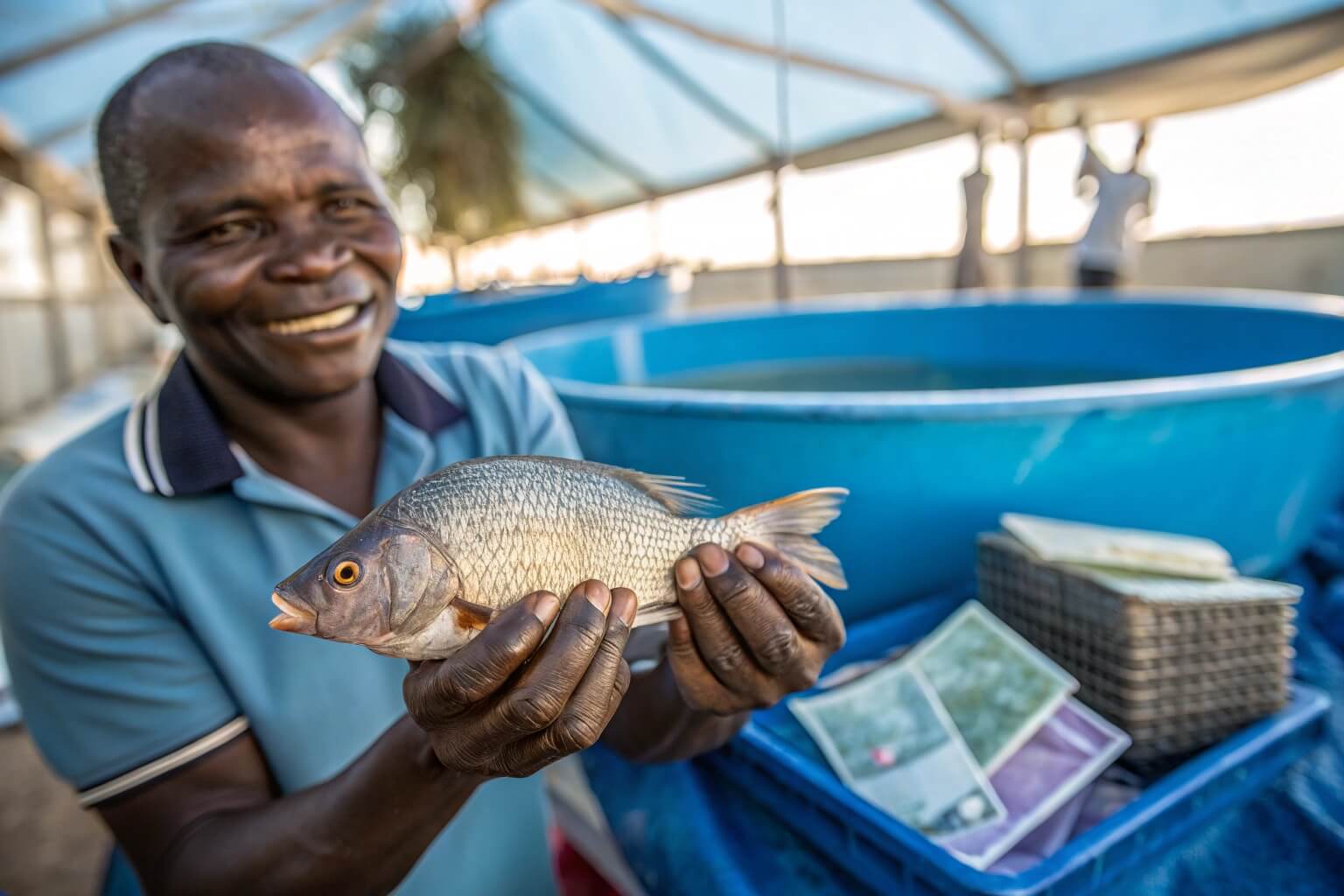
Starting a fish farm in Kenya1 is an exciting prospect, and I’ve seen many aspiring farmers, much like myself a few years ago, take this leap. The initial investment really depends on your ambition and resources. It’s not just about digging a hole and filling it with water; it’s about creating a productive ecosystem. Let’s look at the core components that will shape your budget.
Pond Construction Costs
The type and size of your pond are major cost drivers. I remember when I was planning my first pond, the choices seemed overwhelming, but breaking it down helped.
- Earthen Ponds2: These are common and relatively cheaper to construct, especially if you have suitable land with good clay content. Excavation costs can range from KES 10,000 to KES 50,000 for a small to medium pond (e.g., 100-300 sqm). This was my starting point, and it taught me a lot about working with the land.
- Liner Ponds3: Using PVC or dam liners increases durability and significantly reduces water seepage, which is crucial in many parts of Kenya. Liners can cost KES 200-500 per square meter. For a 100 sqm pond, this adds KES 20,000-50,000 to the excavation cost.
- Concrete Tanks/Raceways4: These are more expensive, often costing KES 100,000 upwards, but they offer better control over the environment, easier cleaning, and longevity. These are often seen in more intensive or commercial systems.
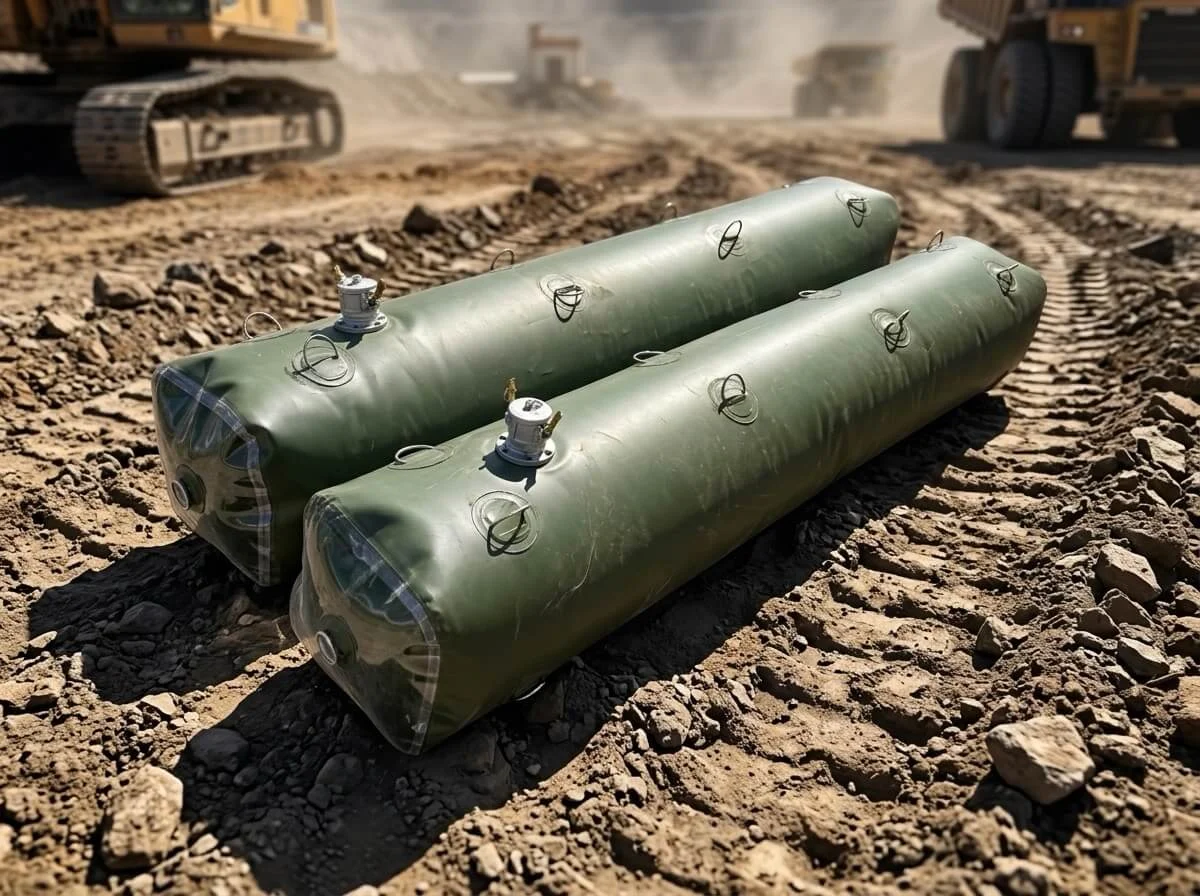
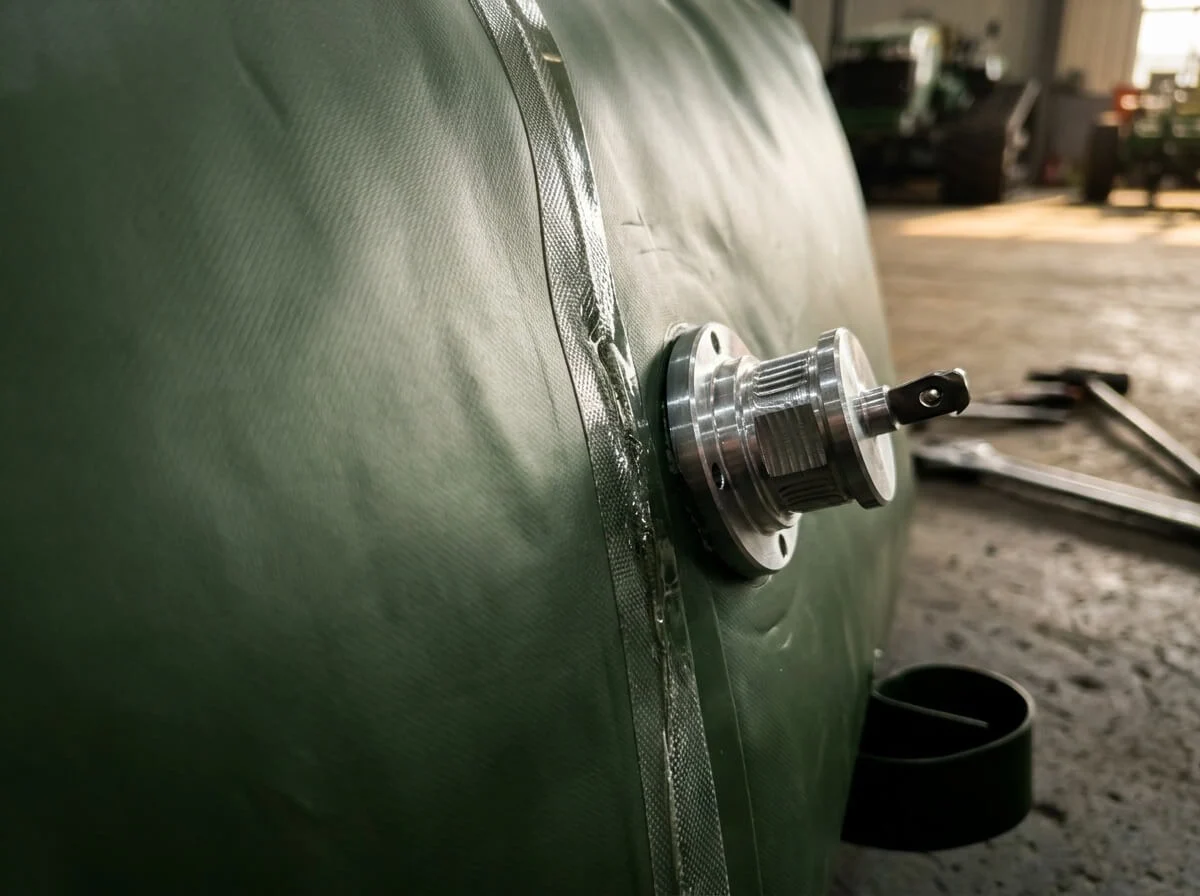
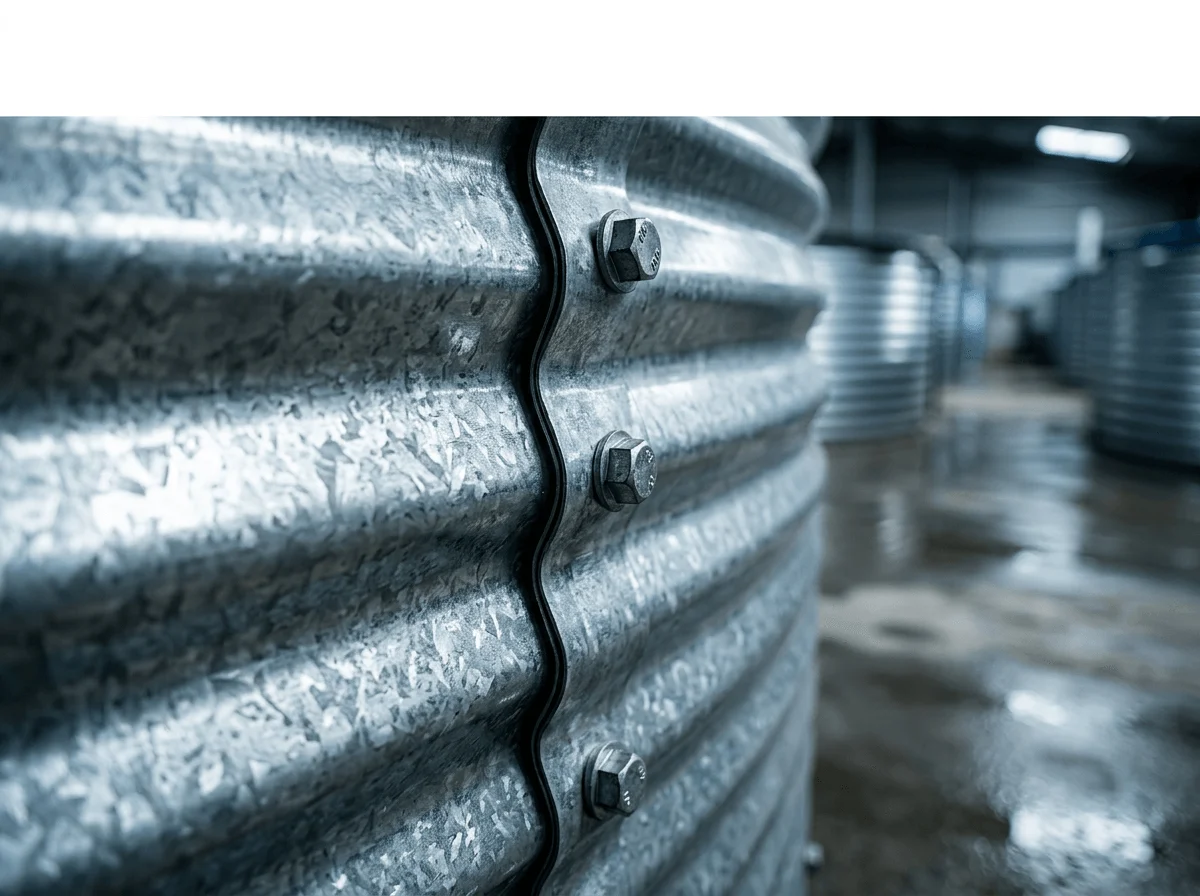
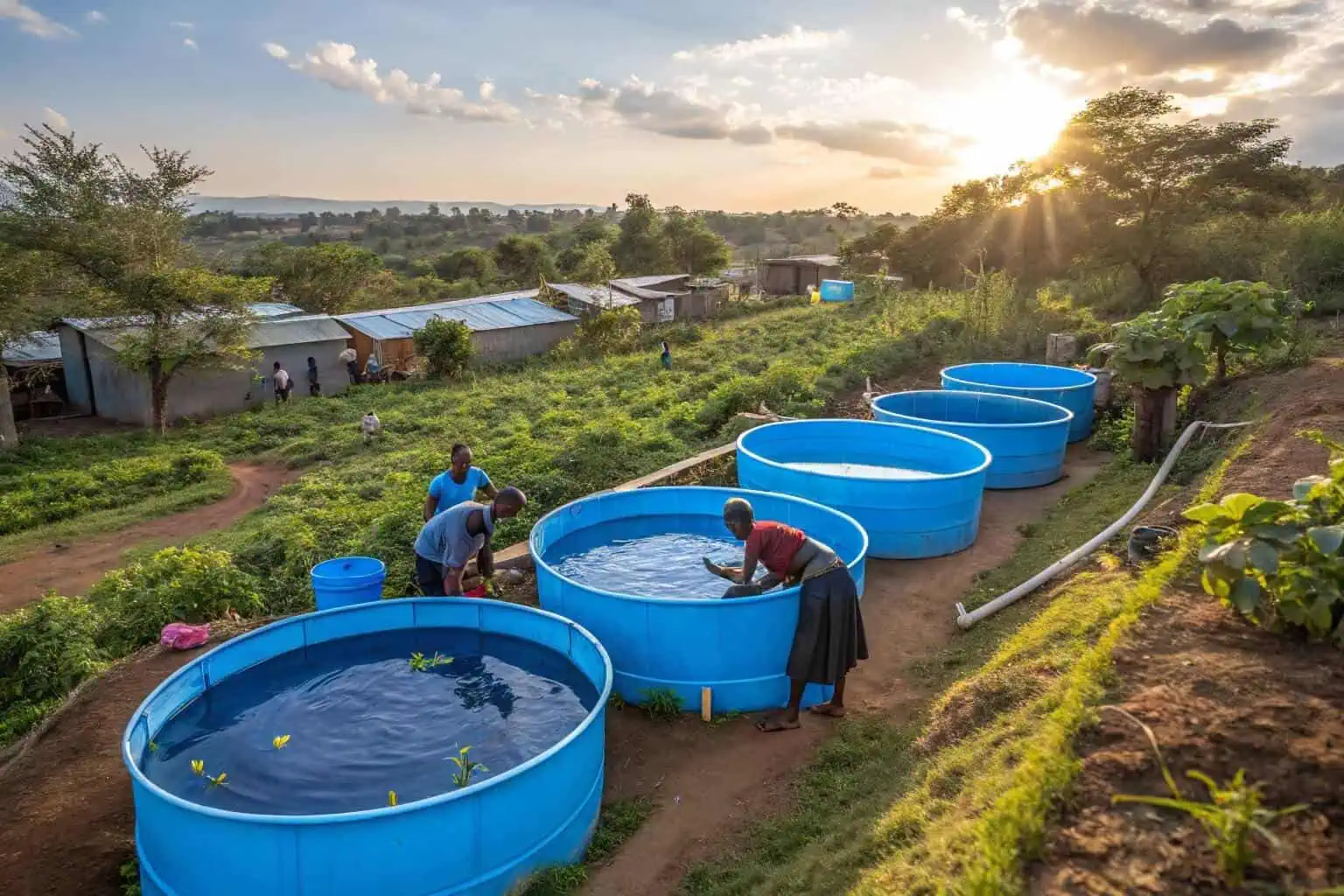
- Collapsible/Tank Systems: Companies like Bancy, where I now contribute, offer various tanks such as galvanized steel or PVC tanks. These can be a good mid-range option, offering flexibility and easier setup. For example, a or a could range from KES 30,000 to KES 150,000 depending on its size and material specifications.
Fingerlings and Feed
These are your living investments and ongoing operational costs.
- Fingerlings: Quality fingerlings (usually tilapia or catfish) cost approximately KES 5-15 each. For a pond stocking 1000 fish, this translates to KES 5,000-15,000. Sourcing from reputable hatcheries is absolutely key to avoid stunted growth or diseases – a lesson I learned early on.
- Feed: This is often the biggest recurring cost in fish farming, potentially accounting for 60-70% of total operational expenses. An initial stock of feed5 might be KES 10,000-30,000, depending on the number of fish and type of feed.
Other Initial Costs
Don’t forget these essentials:
- Water Source6: Access to a reliable water source is non-negotiable. This could be a borehole, a nearby river (with permits), or rainwater harvesting systems. If a new borehole is needed, costs can be substantial, often KES 100,000 or more.
- Permits and Licenses7: Budget around KES 5,000-10,000 for necessary county and fisheries department permits.
- Basic Equipment: Items like nets, buckets, weighing scales, and water testing kits can add up to KES 5,000-15,000.
Here’s a simplified table for a small-scale setup (e.g., a 100-200 sqm earthen pond):
| Item | Estimated Cost (KES) | Notes |
|---|---|---|
| Pond Excavation | 15,000 – 30,000 | Varies with size, soil type, and labor method |
| Pond Liner (optional) | 20,000 – 40,000 | For a 100-200 sqm pond, improves water retention |
| Fingerlings (1000) | 7,000 – 10,000 | For Tilapia or Catfish species |
| Initial Feed Supply | 10,000 – 20,000 | Sufficient for the first few months of growth |
| Water Pump (basic) | 5,000 – 15,000 | If required for filling or water exchange |
| Permits & Licenses | 5,000 – 10,000 | County and fisheries department fees |
| Basic Equipment8 | 5,000 – 10,000 | Includes nets, containers, testing kits |
| Total (Earthen) | 47,000 – 95,000 | Estimate for a basic earthen pond setup |
| Total (Lined) | 67,000 – 135,000 | Estimate for a lined pond setup |
This illustrates that even a modest start requires careful financial planning. My experience tells me that underestimating these initial costs is a common pitfall for many enthusiastic newcomers.
How much does it cost to open a fish farm?
Opening a fish farm involves more than just digging a pond. Hidden costs can surprise you. Let’s uncover the full financial picture.
Opening a fish farm costs vary based on scale. A small backyard setup might be KES 50,000-150,000. A medium commercial farm could be KES 500,000-2,000,000, covering land, advanced systems, staffing, and operational capital.
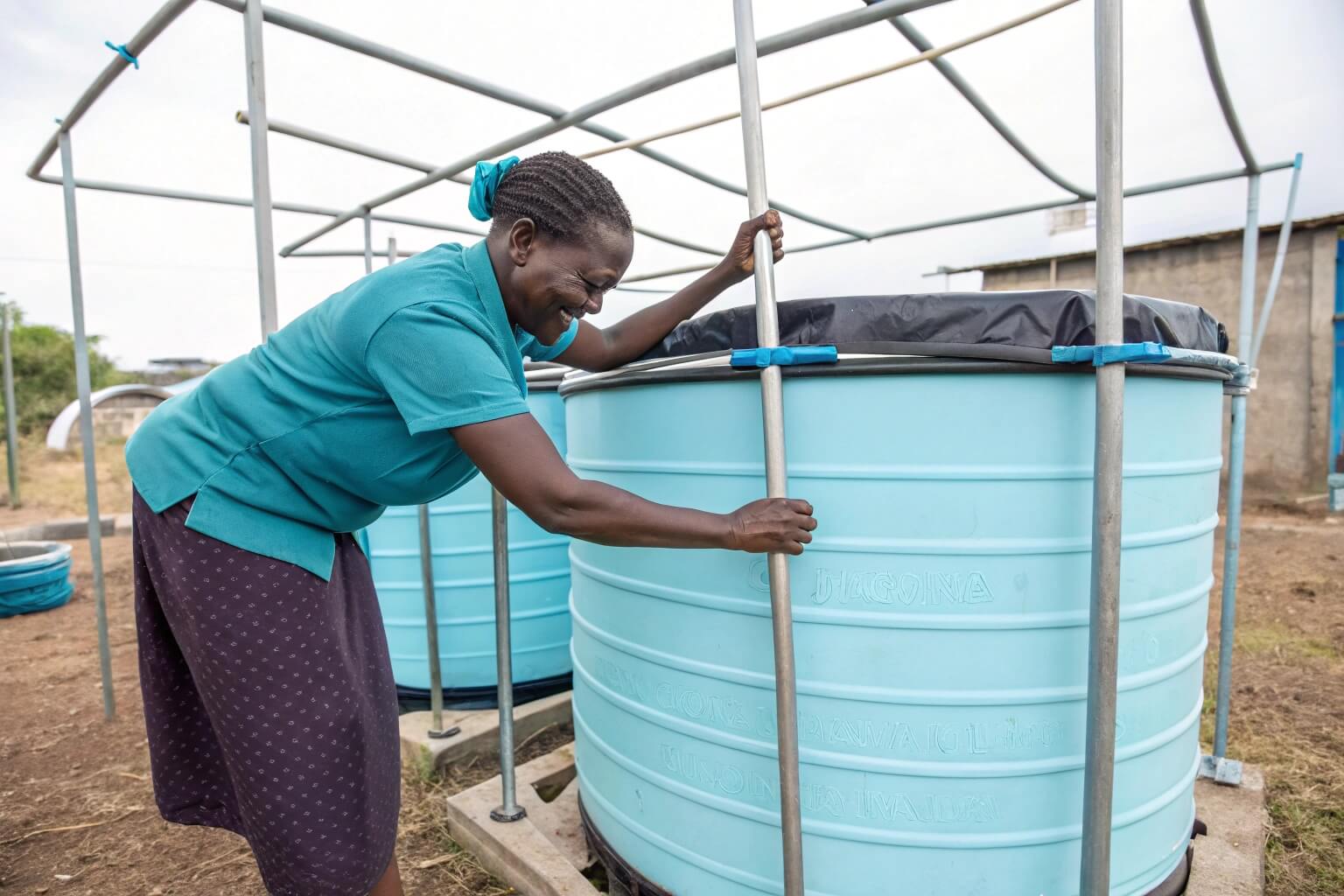
When we talk about "opening" a fish farm, it’s a broader scope than just the initial setup of ponds. It encompasses getting the entire business operational and sustainable. I’ve seen many ventures succeed by looking at the complete picture from day one, treating it as a serious business, not just a hobby.
Land Acquisition or Lease
This is a significant factor, especially for larger farms aiming for commercial production.
- Buying Land9: Prices vary wildly depending on location, accessibility, and proximity to markets. Rural agricultural land might be KES 200,000 per acre or more, while peri-urban areas will command much higher prices.
- Leasing Land10: This is a more accessible option for many starting out. Lease costs can range from KES 10,000-50,000 per acre annually. It’s vital to ensure the lease terms are favorable for long-term fish farming activities and allow for necessary infrastructure development.
Infrastructure Development
Beyond the ponds themselves, consider these essential structures:
- Security11: Fencing is crucial to protect your investment from theft and predators. This could cost KES 50,000-200,000 depending on the farm’s size and the type of fencing used (e.g., chain-link, barbed wire). A security guard might also be necessary for larger operations.
- Storage12: A simple, secure store for feed and equipment is vital. This could range from KES 20,000 for a basic structure to KES 100,000 for a more permanent building.
- Office (Optional)13: For larger farms managing records and sales, a small site office might be needed.
- Water Systems: This includes not just the source (borehole, river intake), but also pipes, pumps, and potentially filtration or aeration systems for more intensive farming. A good quality water pump might cost between KES 20,000-100,000. Advanced systems like Recirculating Aquaculture Systems (RAS), mentioned in Bancy’s , have higher infrastructure costs but offer better control and water efficiency.
Operational Working Capital
You need sufficient funds to run the farm until your first harvest and sale, which can typically take 6-9 months.
- Ongoing Feed Costs14: This is a continuous and significant expense.
- Labor: If you hire staff, budget for their salaries. Even one reliable farmhand could cost KES 10,000-15,000 per month.
- Maintenance: Ponds, pumps, nets, and other equipment will require regular upkeep and occasional repairs.
- Contingency Fund15: Always have a financial buffer (ideally 10-20% of your total startup costs) for unexpected issues like disease outbreaks, equipment failure, or market fluctuations. I’ve learned this the hard way; unforeseen challenges are part of farming.
Here’s a rough breakdown for a medium-scale commercial fish farm (e.g., 1-2 acres, multiple ponds or tank systems):
| Item Category | Estimated Cost (KES) | Notes |
|---|---|---|
| Land (Lease 1yr) | 20,000 – 100,000 | Assuming leasing of land, purchase costs would be much higher |
| Pond/Tank System | 200,000 – 1,000,000 | Multiple units, possibly lined, concrete, or specialized tank systems |
| Water System | 50,000 – 200,000 | Includes pumps, piping, and basic filtration/aeration if needed |
| Infrastructure | 100,000 – 300,000 | Fencing, secure storage, possibly a small site office |
| Initial Stock & Feed16 | 50,000 – 150,000 | For larger scale stocking and initial feed supply |
| Permits & Consultancy | 20,000 – 50,000 | May require expert advice for farm design and licensing |
| Working Capital (3mo) | 100,000 – 300,000 | Covers ongoing feed, labor, utilities, and minor maintenance |
| Total Estimate | 540,000 – 2,100,000 | This is a broad range; detailed business planning is crucial. |
As you can see, "opening a fish farm" is a significant undertaking that requires thorough planning and financial commitment. It’s not just about the fish; it’s about building a sustainable and profitable agricultural business.
How much does it cost to build a fish pond in Kenya?
Just want to build a fish pond? The cost can be surprisingly affordable or quite high. Let’s dig into the specifics of pond construction.
Building a fish pond in Kenya can cost from KES 10,000 for a small, simple earthen pond to over KES 300,000 for larger, lined, or concrete ponds. Factors include size, materials, labor, and location.
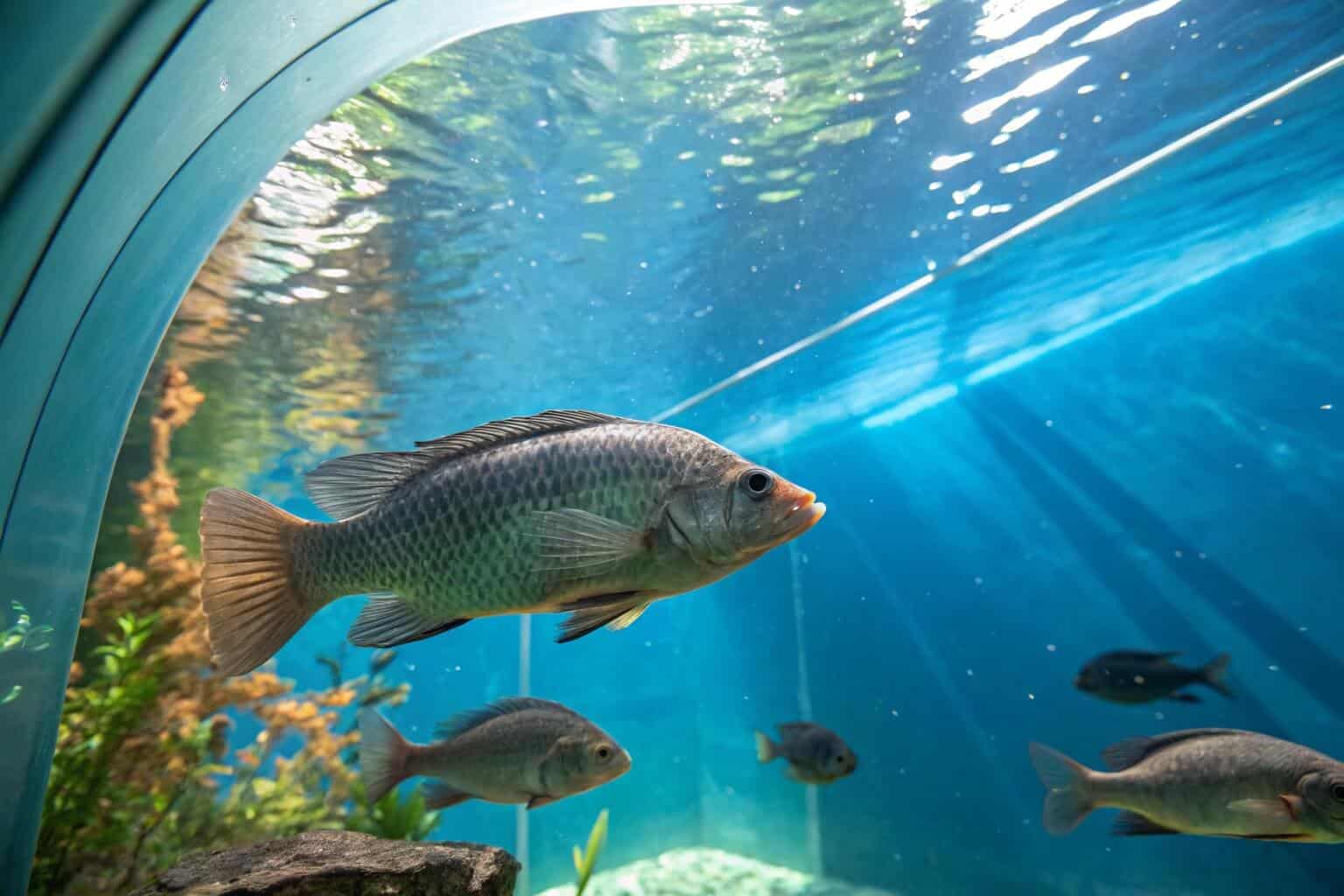
Focusing solely on building the pond itself, the costs are more contained but still highly variable. I’ve overseen the construction of many ponds, from simple, hand-dug earthen ones in my early days to more complex, engineered systems later on. Each type has its place and its price tag.
Factors Influencing Pond Construction Cost
- Size and Depth: Naturally, larger and deeper ponds cost more due to increased excavation volume and, if applicable, more materials for lining or construction. A typical smallholder pond might be 10m x 10m (100 sqm) to 20m x 15m (300 sqm), with a functional depth of 1-1.5 meters.
- Type of Pond:
- Earthen Ponds17: These are the cheapest to construct if your soil has good clay content for water retention. The main cost is excavation, which can be done manually or with machinery. Manual labor: KES 500-1000 per day per person. Machine excavation (e.g., backhoe): KES 3,000-7,000 per hour. A small pond might take a machine a few hours or several person-days for manual labor.
- Lined Ponds18: These involve excavation plus the cost of a durable liner. Liners (commonly PVC or HDPE) cost approximately KES 200-500 per square meter. Installation might add a small labor cost but is often straightforward. This was a game-changer for me on soil that wasn’t ideal.
- Concrete Ponds/Tanks19: These are the most expensive to build due to material costs (cement, sand, ballast, rebar) and the need for skilled labor for construction. Costs can easily exceed KES 1,500-3,000 per square meter of pond surface area.
- Tank Systems: My current work with Bancy involves products like , , and . These are often prefabricated or easy-to-assemble, reducing on-site construction complexity. Costs vary by size and material; for instance, a 10,000-liter plastic tank might be KES 50,000-80,000, while a larger galvanized steel tank could range from KES 100,000-300,000.