
Worried about the ethics of your aquarium? I’ve spent years in this field and have seen how the global trade in these beautiful fish has a complex story. It’s a delicate dance between breathtaking beauty, significant environmental challenges, and powerful economic impacts.
The ornamental fish trade is a global industry, valued at an estimated $15-30 billion, focused on breeding and trading fish for aquariums, not for food. It involves over 125 countries, and I’ve seen a clear and necessary trend towards sustainable farming to protect wild populations while meeting the high demand from hobbyists worldwide.
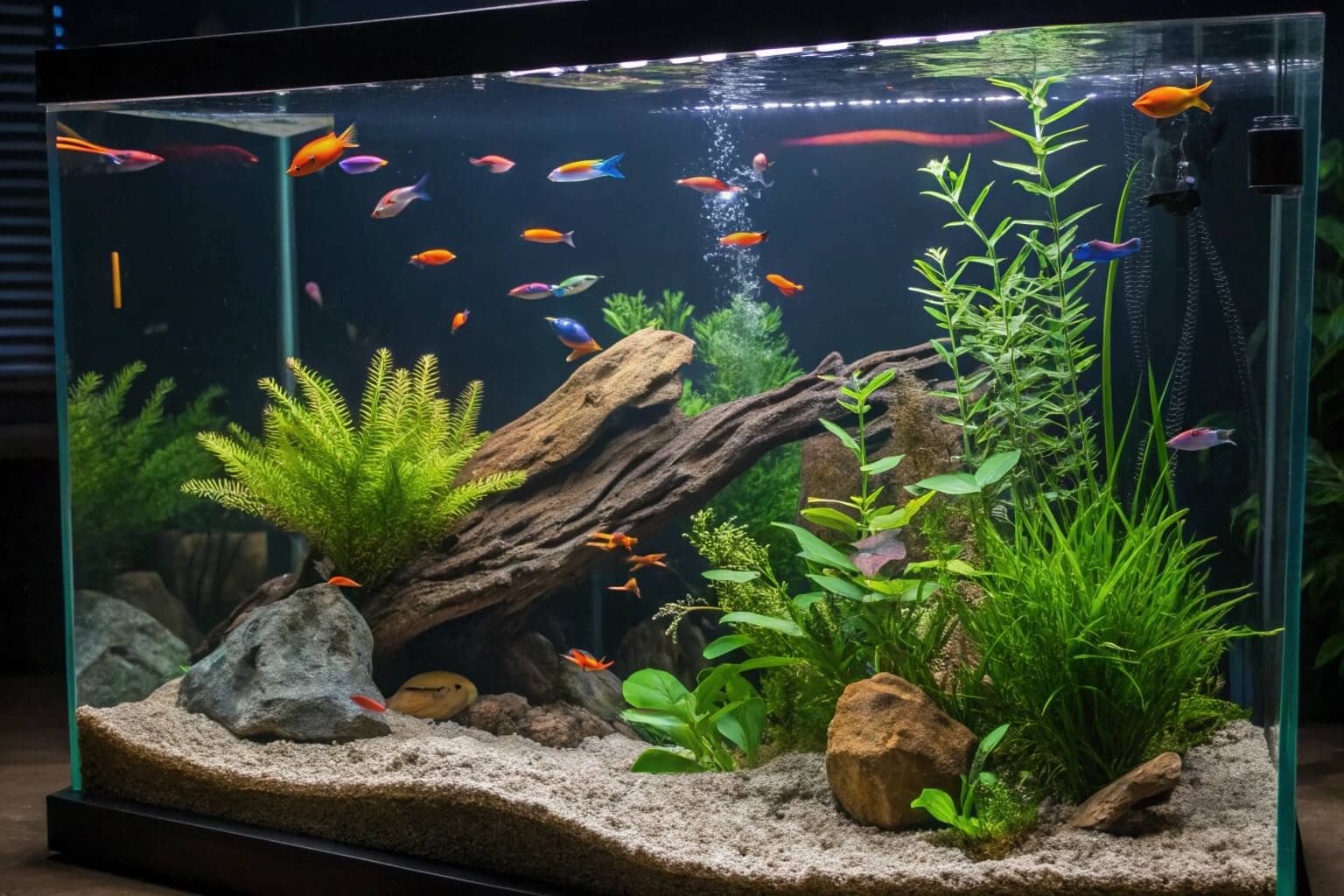
This trade is far more than just walking into a store and buying a pet fish; it’s a massive, intricate global network with many moving parts that I’ve navigated throughout my career. To truly understand it, we need to look closer at what makes this industry tick, the key players involved, and the challenges it faces. Let’s dive deeper into this fascinating world.
What is the ornamental fish trade, really?
Ever wonder where your aquarium fish come from? It’s a fascinating journey that I’ve witnessed countless times. It’s a journey through a huge global industry that connects tiny, remote rural farms to living rooms all over the world, often ending right in your home.
From my experience, it’s a dynamic $15-30 billion global ecosystem. It’s all about supplying beautiful freshwater and marine fish for aquariums. These fish are either farmed or caught in the wild, but the industry is moving more and more towards farming to be sustainable. I believe this is the only way forward.
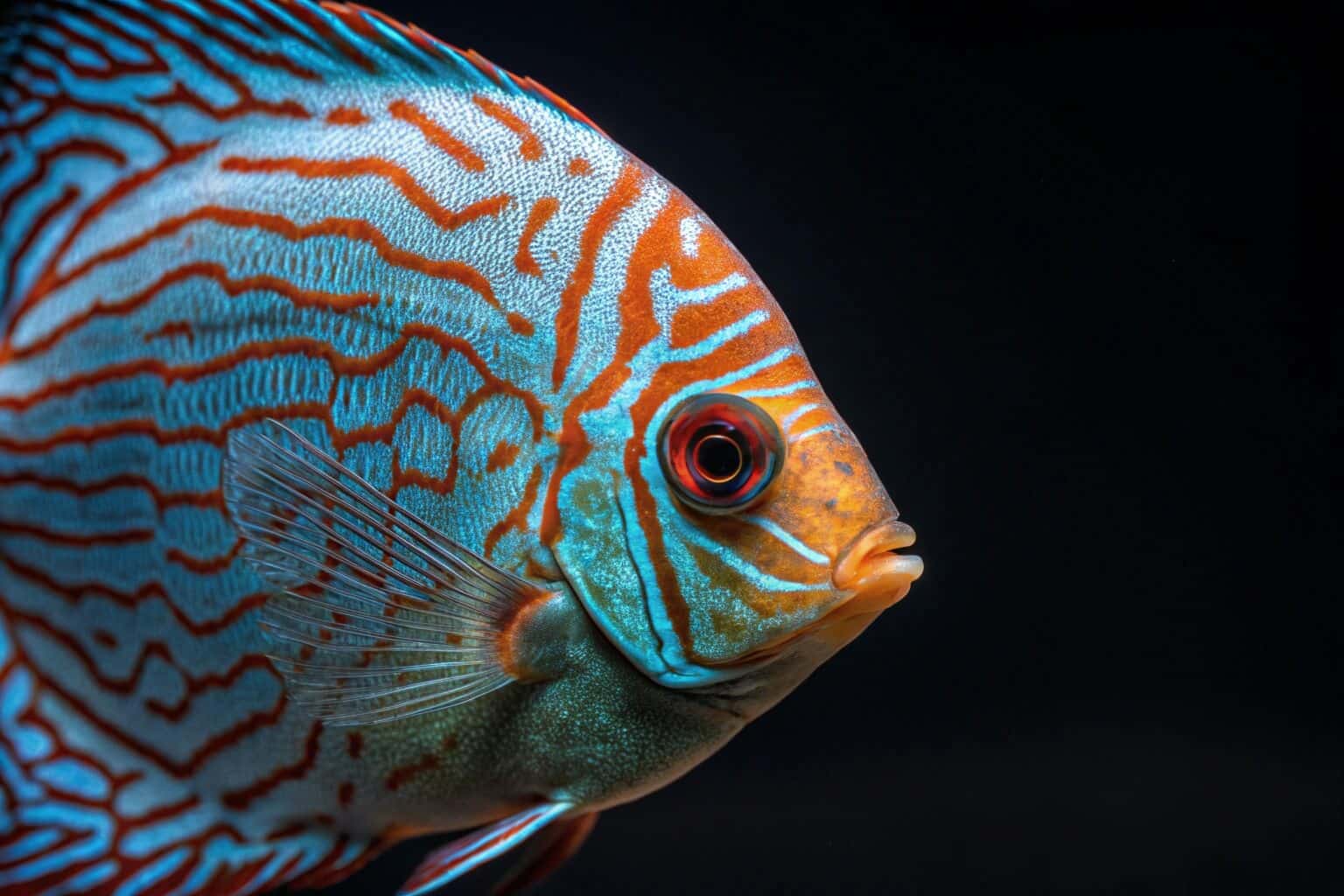
In my view, this trade is not about food; it’s about living art. People want a slice of nature, a dynamic design element1 for their homes and offices. This demand fuels a complex supply chain that I’ve seen start in the warm waters of Southeast Asia and South America and end in pet stores across Europe and North America. The entire business is built on aesthetics—vibrant colors, unique shapes, and fascinating behaviors. A huge part of my work involves understanding the two main sources of these fish and their distinct supply chains.
Freshwater vs. Marine
| Category | Key Characteristics | My Observation |
|---|---|---|
| Freshwater Fish2 | Easier and cheaper to breed in large numbers, more durable for shipping, and make up over 90% of the trade volume. Common examples are guppies, goldfish, tetras, and cichlids. | I’ve noticed these are the gateway for most hobbyists. Their hardiness and lower cost make the business more predictable and accessible. They are the backbone of the industry. |
| Marine Fish3 | Often more strikingly colorful and exotic, but much harder to breed in captivity. A significant portion is still wild-caught, which brings up serious sustainability questions that we in the industry must address. | This is the high-risk, high-reward sector. Success here requires advanced aquaculture technology and a strong commitment to ethical sourcing. The “Nemo” effect (clownfish) after the movie showed how demand can spike, putting pressure on wild stocks. |
The Supply Chain: From Farm to Tank
The journey of a fish is something I find incredible. It starts at a breeding farm4 in Asia or a collection station in the Amazon. The fish are carefully sorted, graded, and placed in bags with just enough water and pure oxygen. From there, they are rushed to an airport and flown in climate-controlled cargo holds to an importing country. Once they land, they go to a quarantine facility where they are acclimated and checked for diseases. Only then are they sent to distributors, then to local pet stores, and finally, to a hobbyist’s tank. Every step is a race against time and a battle against stress for the fish.
The Economic Impact
For many developing countries, this trade is an economic lifeline. It provides essential jobs for local communities in breeding, catching, packing, and exporting fish. I’ve personally seen how it supports families and entire villages, especially in rural parts of Asia and South America. It transforms a local natural resource into a valuable global commodity, making it much more than just a hobby for the people on the other side of the world. This income often incentivizes communities to protect the very ecosystems that provide the fish, creating a powerful link between commerce and conservation5.
Who leads the global ornamental fish market?
Curious about which countries dominate the fish trade? The answer might surprise you. As someone who follows market trends closely, I’ve seen leadership shift recently, highlighting just how dynamic this global market is.
In my observation, Asia is the undisputed powerhouse of the ornamental fish trade. Recently, Indonesia has surged to become the world’s largest exporter, with its annual exports exceeding $40 million. Japan and Thailand are also major players, shipping popular varieties like high-grade koi and vibrant bettas worldwide.

I’ve watched Indonesia’s strategic growth with great interest. Their success isn’t an accident. It’s a powerful combination of incredible natural biodiversity and a strong government push to support and regulate aquaculture. They have the perfect tropical climate for breeding many popular species year-round. More importantly, they’ve invested in building efficient supply chains6 to get healthy, high-quality fish to key markets in Europe, North America, and across Asia. But it’s not just one country’s story. The market is a complex network of specialized exporters, each with its own strengths.
The Key Players
| Country | Specialization | My Take |
|---|---|---|
| Indonesia | A huge diversity of tropical freshwater and marine fish7. | Their sheer variety is their biggest strength. They can act as a one-stop-shop for importers looking for a wide range of species. |
| Japan | World-renowned for high-quality, selectively bred Koi and goldfish8. | They own the premium, high-value market. I’ve seen single Koi carp sell for prices you’d associate with a luxury car. It’s about prestige and lineage. |
| Thailand | Masters of breeding Bettas (Siamese fighting fish) and other colorful tropicals like guppies. | They have perfected the art of mass-producing specific, high-demand species with consistent quality and color. |
| Brazil | The primary source for unique wild-caught species from the Amazon River basin, like discus and certain catfish. | This is a vital niche, but one that carries immense conservation responsibilities. The trade here must be managed carefully to be sustainable. |
Why Asia Dominates
From my perspective, Asia’s dominance comes down to a few key factors: low labor costs9, ideal tropical climates for breeding, and generations of accumulated experience. They have successfully scaled a traditional practice into a formidable global business. This has created a fiercely competitive landscape where I’ve seen that only those who prioritize efficiency, quality control, and reliability can stay on top. Government support in the form of subsidies and infrastructure development has also played a massive role in cementing their leadership position.
The Role of Importing Nations
The trade wouldn’t exist without the demand side. The United States, the European Union, and Japan are the largest importers of ornamental fish10. These markets drive the trends. For example, the rise of nano-tanks in Europe created a huge demand for smaller species like shrimp and microrasboras. As an exporter, I have to pay close attention to what hobbyists in these regions want. Their regulations also shape the industry; strict import health checks and rules against invasive species force exporters like me to maintain very high standards.
What makes a fish “ornamental”?
Is any fish you put in a tank an "ornamental" fish? The term is actually more specific than you might think. It defines a fish’s entire purpose and value within a global trade that I’ve been a part of for years.
An ornamental fish is one kept for its decorative value in an aquarium or pond, rather than for consumption. I see them as living art. Their worth is tied directly to their beauty—their vibrant colors, unique patterns, and graceful movements. They are pets, yes, but they are also design elements that bring a piece of living, breathing nature indoors.
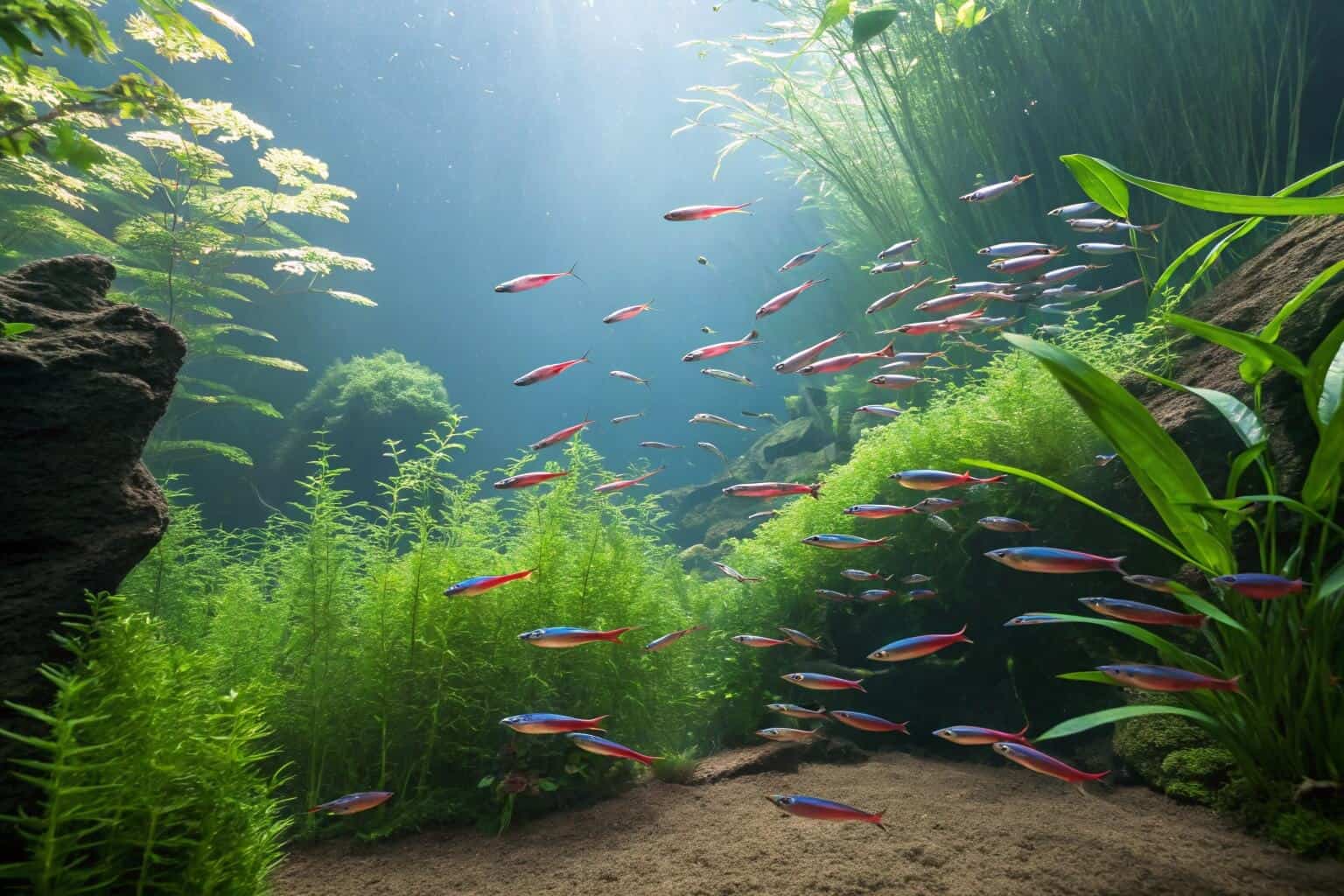
I think calling them just "pets" is too simple. They are the centerpiece of a carefully crafted underwater landscape11. An aquarium is a hobbyist’s canvas, and the fish are the dynamic, colorful brushstrokes. Their entire purpose is to be seen and admired. This is why specific physical and behavioral traits are so important, and why breeders, including myself, work tirelessly to enhance these features. The price of an ornamental fish is determined by a mix of factors that I deal with daily in my business.
The Value Factors
| Factor | Description | My Insight |
|---|---|---|
| Rarity12 | How difficult is it to find the fish in the wild or, more commonly, to breed it in captivity? | I’ve seen it time and again: basic supply and demand rules this market. A fish that is difficult to breed or has a low survival rate for its fry will always be more expensive. |
| Coloration | How intense, vibrant, and unique are its colors and patterns? | This is where the real artistry lies. I’ve seen breeders spend years, even decades, selectively breeding to perfect a specific color strain. A “super red” is more valuable than a standard red. |
| Size & Shape | Does it have a unique body shape, finnage, or grow to an impressive size? | Think of the long, flowing fins of a show-quality betta or the massive, powerful body of a mature arowana. These unique physical traits are highly prized. |
| Lineage13 | Is it from a famous breeder or a prize-winning bloodline? | In the world of high-end Koi and discus, lineage is everything. I’ve seen buyers pay a premium for a fish with a documented, champion ancestry, much like with purebred dogs or horses. |
The Science of Selective Breeding
This is where art meets science. I’ve worked with breeders who are masters of genetics14. They carefully select parent fish with desirable traits—brighter colors, longer fins, or a calmer temperament. Over many generations, they can create entirely new varieties that are stunning to look at. Think of the dozens of types of guppies or the "balloon" mollies. This process requires patience, a deep understanding of genetics, and a keen eye for beauty. It’s this innovation that keeps the hobby exciting and drives the market forward.
The Human Connection
Ultimately, a fish becomes ornamental when a person decides to value it for its beauty rather than its utility as food. It’s a human choice, a connection that I believe fuels the entire industry. This connection links the dedicated breeder in a small village in Thailand to the passionate hobbyist maintaining a complex reef tank in their home in Chicago. It’s about the joy of creating and maintaining a small piece of a vibrant, living world15.
Can the ornamental fish trade and conservation coexist?
The stunning beauty of aquarium fish often hides a serious and uncomfortable problem. The trade that brings these creatures into our homes can, if managed poorly, cause significant harm to the very ecosystems they come from. This creates a difficult ethical challenge that I and everyone else in this industry have had to navigate.
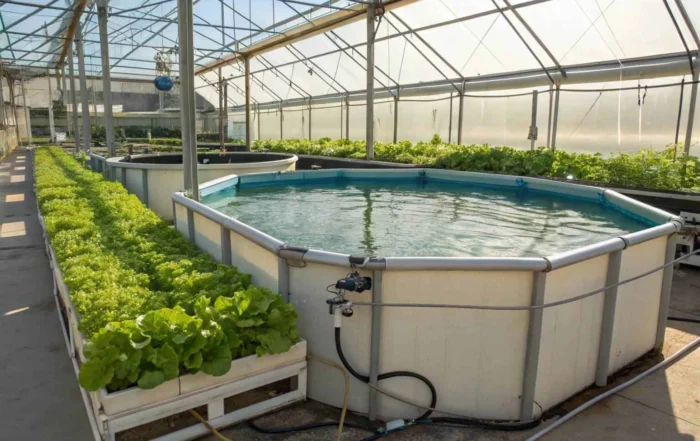
From my viewpoint, balancing commerce and conservation is the single greatest test for our industry. While destructive wild-capture methods can damage coral reefs and deplete natural populations, the trade is undergoing a vital transformation. I’ve seen firsthand that over 90% of freshwater fish are now captive-bred, which dramatically reduces environmental pressure and promotes a more sustainable, ethical, and ultimately healthier industry.
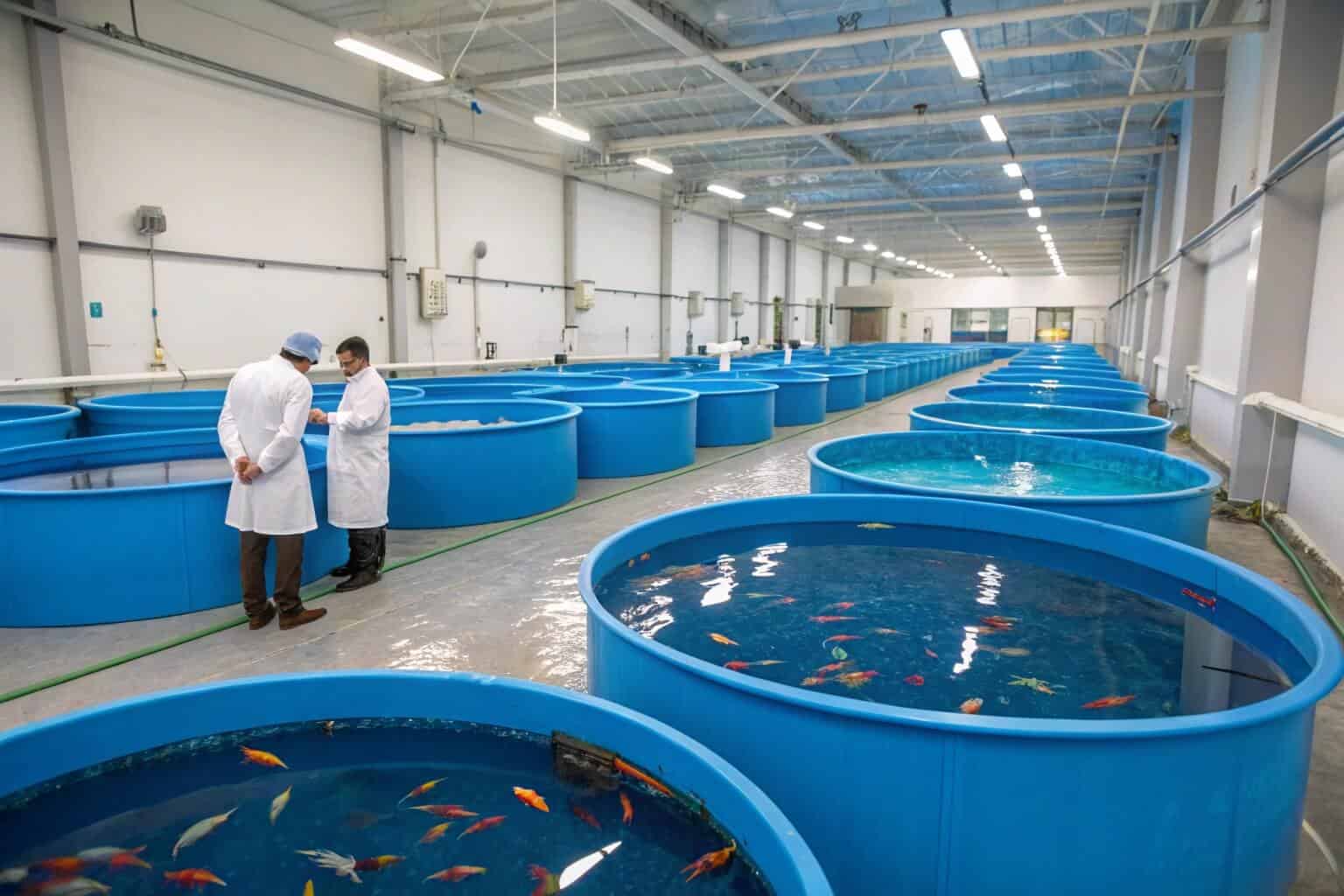
I can’t and won’t ignore the dark side. The history of wild collection16, especially for marine fish, is filled with destructive practices. The use of cyanide to stun fish for easy capture is a nightmare—it can kill the target fish days or weeks later and poisons the surrounding coral, killing the reef itself. Over-collection of popular species can throw entire ecosystems out of balance. These are not just abstract risks; they are real damages that have forced the industry to evolve. The good news is, it is evolving. The shift towards aquaculture is the most important change I’ve witnessed in my career.
The Shift to Sustainability
| Practice | Impact on Conservation | My Observation |
|---|---|---|
| Captive Breeding17 | Directly reduces pressure on wild populations and completely avoids habitat destruction from collection. | This is the future, without a doubt. It’s more ethical, produces healthier and more disease-resistant fish, and allows for the creation of stunning new color morphs that don’t exist in the wild. |
| Certifications | Programs like the Marine Aquarium Council18 (MAC) and Friend of the Sea certify that fish are sourced sustainably. | This empowers consumers to vote with their wallets. I’ve seen how these labels push suppliers to adopt better practices, as they become a mark of quality and responsibility. |
| Regulation (CITES) | The Convention on International Trade in Endangered Species of Wild Fauna and Flora strictly regulates or bans the trade of protected species. | This is a crucial legal backstop. It ensures that species at high risk of extinction, like the Asian Arowana, are not traded into oblivion. |
The Challenges That Remain
Despite progress, we still face major hurdles. The biggest, in my opinion, is breeding marine fish19. While we’ve had success with clownfish and some gobies, the vast majority of saltwater species are still wild-caught because their larval stages are incredibly difficult to raise. Another persistent issue is the risk of invasive species. When hobbyists release unwanted pets into local waterways, it can cause devastating ecological damage. Educating consumers about responsible pet ownership is a battle we are constantly fighting.
Conservation Through Commerce
It might sound strange, but the trade can actually help conservation. It gives local communities a financial reason to protect their natural resources20. When a reef or river becomes a source of income, people are more likely to take care of it. I’ve seen this model work wonders in places like the Philippines, where former cyanide fishermen are now trained as net-collectors for the aquarium trade, actively protecting the reefs they once damaged. It creates a powerful incentive for stewardship.
Conclusion
The ornamental fish trade is a complex, beautiful, and challenging world where commerce and conservation must learn to walk hand-in-hand. From my years of experience, its future success and legitimacy depend entirely on embracing sustainable farming and responsible, ethical practices for long-term growth.
- Explore this link to understand how dynamic design elements can enhance your living spaces with creativity and style. ↩
- Explore this link to understand why Freshwater Fish are essential for hobbyists and the industry, highlighting their advantages. ↩
- Discover the complexities of Marine Fish breeding and the importance of ethical sourcing in aquaculture. ↩
- Explore this link to understand the significance of breeding farms in fish cultivation and their role in the aquarium trade. ↩
- Exploring the relationship between commerce and conservation can highlight innovative ways to protect ecosystems while supporting local economies. ↩
- Exploring efficient supply chains reveals how they enhance fish quality and market access, vital for industry growth. ↩
- Explore the benefits of diverse tropical fish species, which can enhance aquaculture and aquarium trade. ↩
- Discover the reasons behind the high value of Koi and goldfish, including their breeding, prestige, and market demand. ↩
- Understanding the effects of low labor costs can provide insights into competitive advantages in various industries. ↩
- Explore this link to understand the latest trends and demands in the ornamental fish market, crucial for exporters. ↩
- Explore tips and techniques for designing a beautiful underwater landscape that enhances your aquarium’s aesthetic. ↩
- Understanding rarity can help you make informed decisions when purchasing fish, ensuring you invest wisely. ↩
- Exploring lineage can reveal why certain fish command higher prices, guiding you in selecting quality specimens. ↩
- Explore this link to gain insights from experts on genetic breeding techniques that can enhance your understanding. ↩
- Explore techniques and tips to create a thriving aquarium that mimics a vibrant ecosystem. ↩
- Understanding the effects of wild collection can help promote sustainable practices and protect marine biodiversity. ↩
- Explore how captive breeding can enhance conservation efforts and protect endangered species. ↩
- Learn about the Marine Aquarium Council’s role in promoting sustainable practices and protecting marine life. ↩
- Understanding the challenges in breeding marine fish can help improve conservation efforts and responsible pet ownership. ↩
- Understanding the financial incentives can help communities prioritize conservation efforts effectively. ↩