Struggling with high water bills and a desire to be more eco-friendly? Collecting rainwater is a great solution, but choosing the right barrel can be confusing and frustrating, especially with so many options on the market.
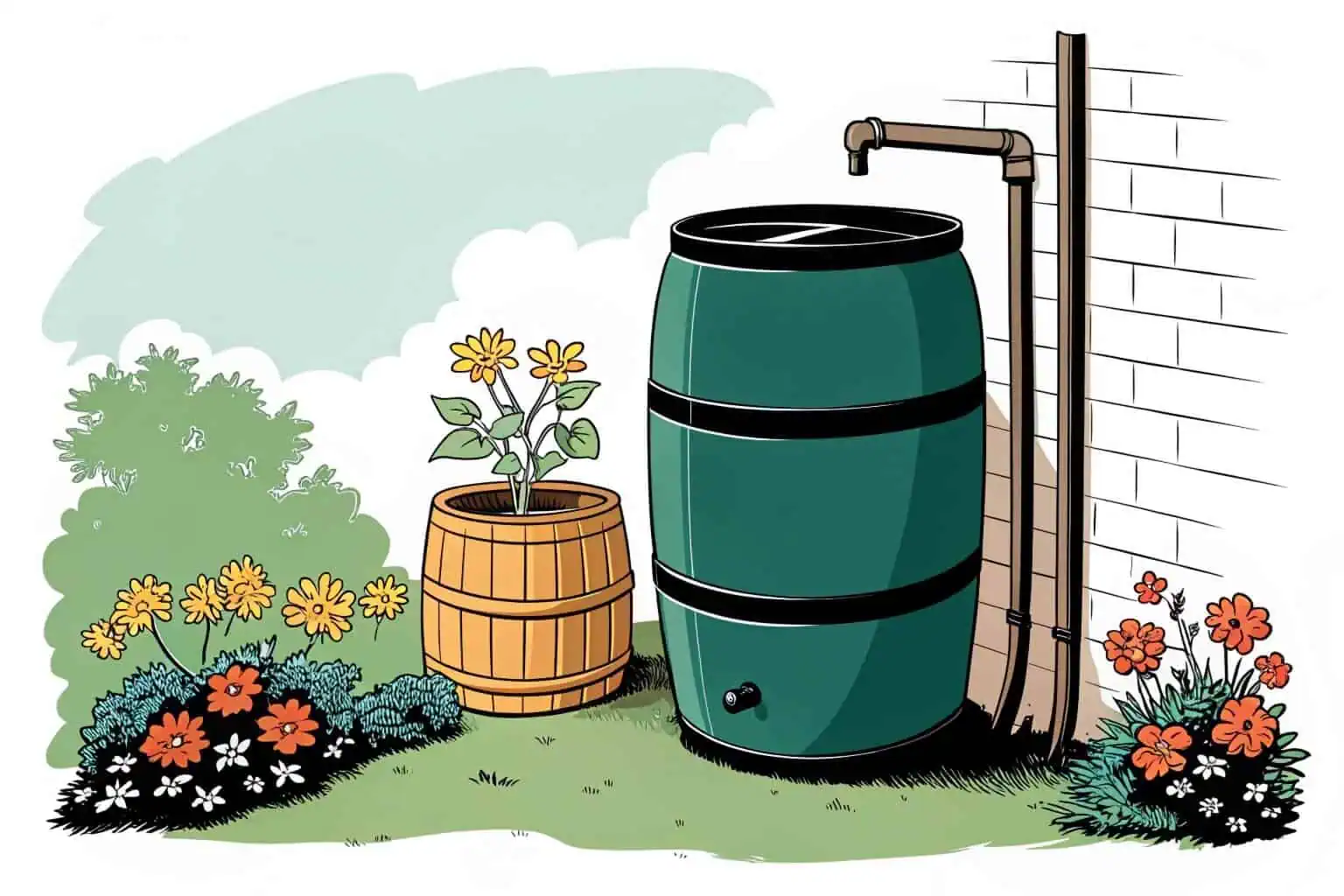
A high-quality plastic rain barrel, like the one from Bancy, is generally better than wood. It offers superior durability and weather resistance, and requires less maintenance, making it a more practical and long-lasting choice for your home.
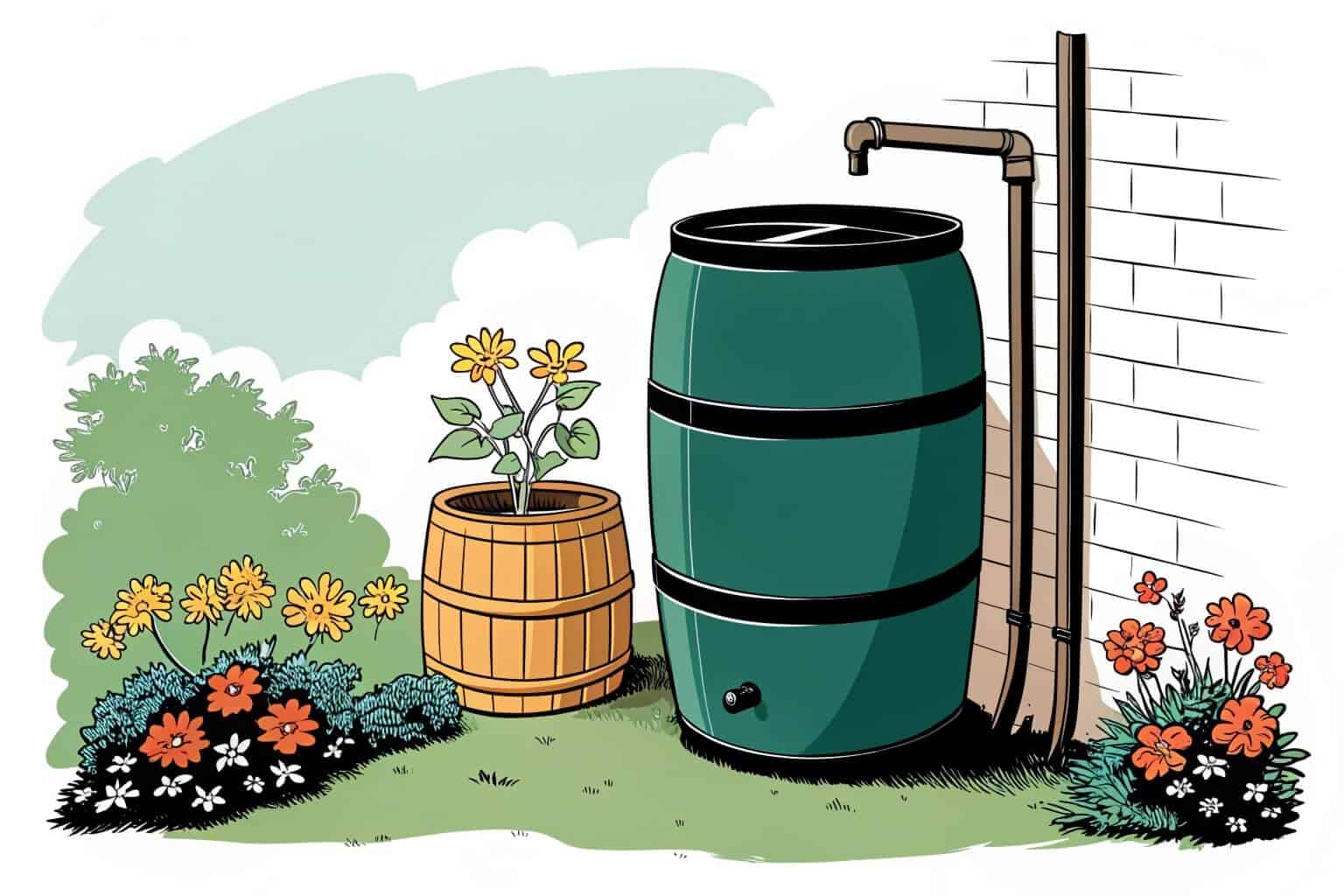
Choosing between wood and plastic is just the first step. To make the best decision, you need to understand how a well-designed barrel can prevent common issues. Let’s explore what makes a collapsible plastic rain barrel the superior choice.
What is the best rain barrel to buy?
Want to find the perfect rain barrel but overwhelmed by all the options? Choosing the wrong one can lead to leaks, difficult storage, and wasted money. You need a product you can trust.
The best rain barrel to buy is a collapsible one made from high-quality PVC. Look for features like dual-welded seams to prevent leaks, a range of capacity options, and easy setup. This ensures you get a durable, versatile, and reliable water storage solution.
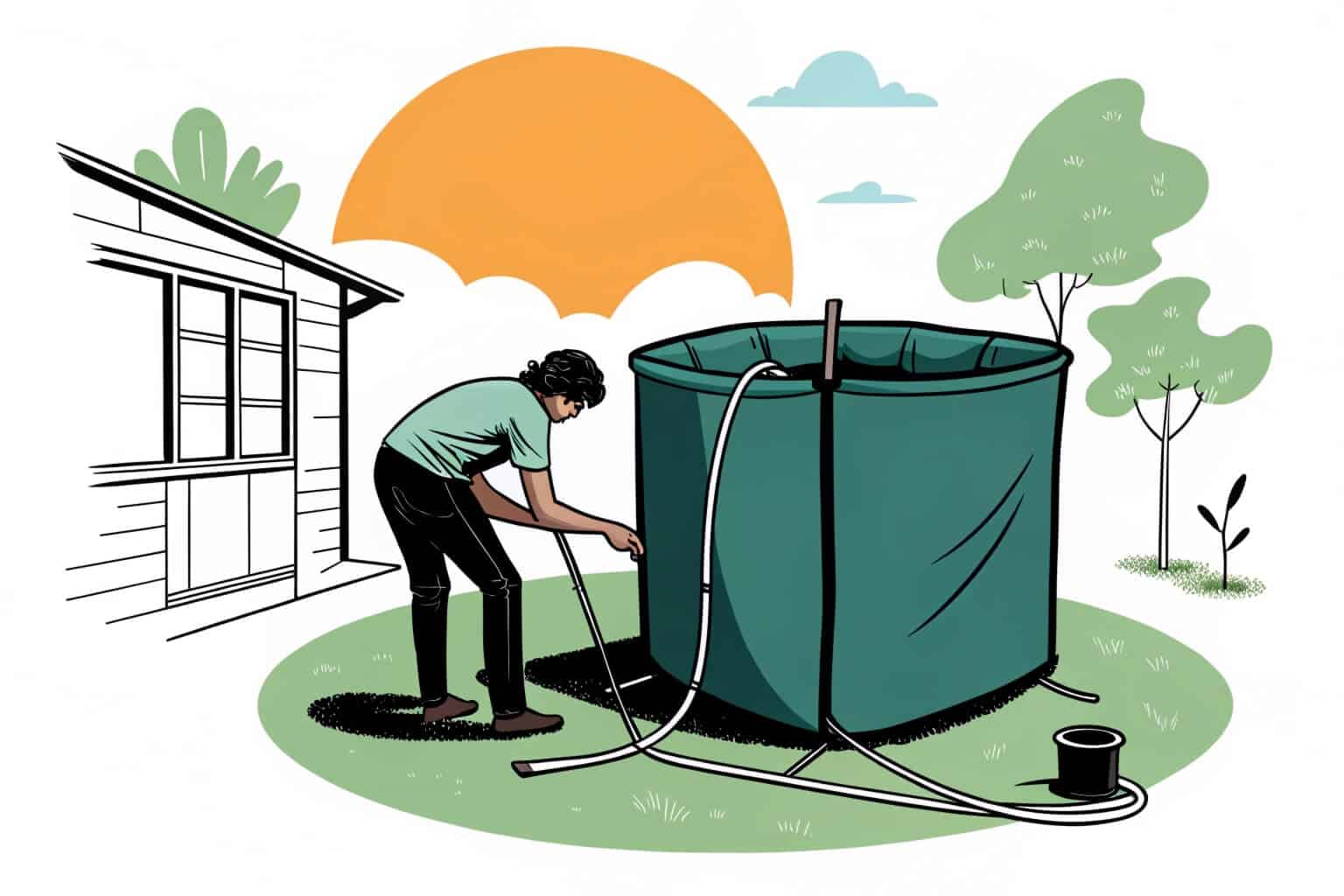
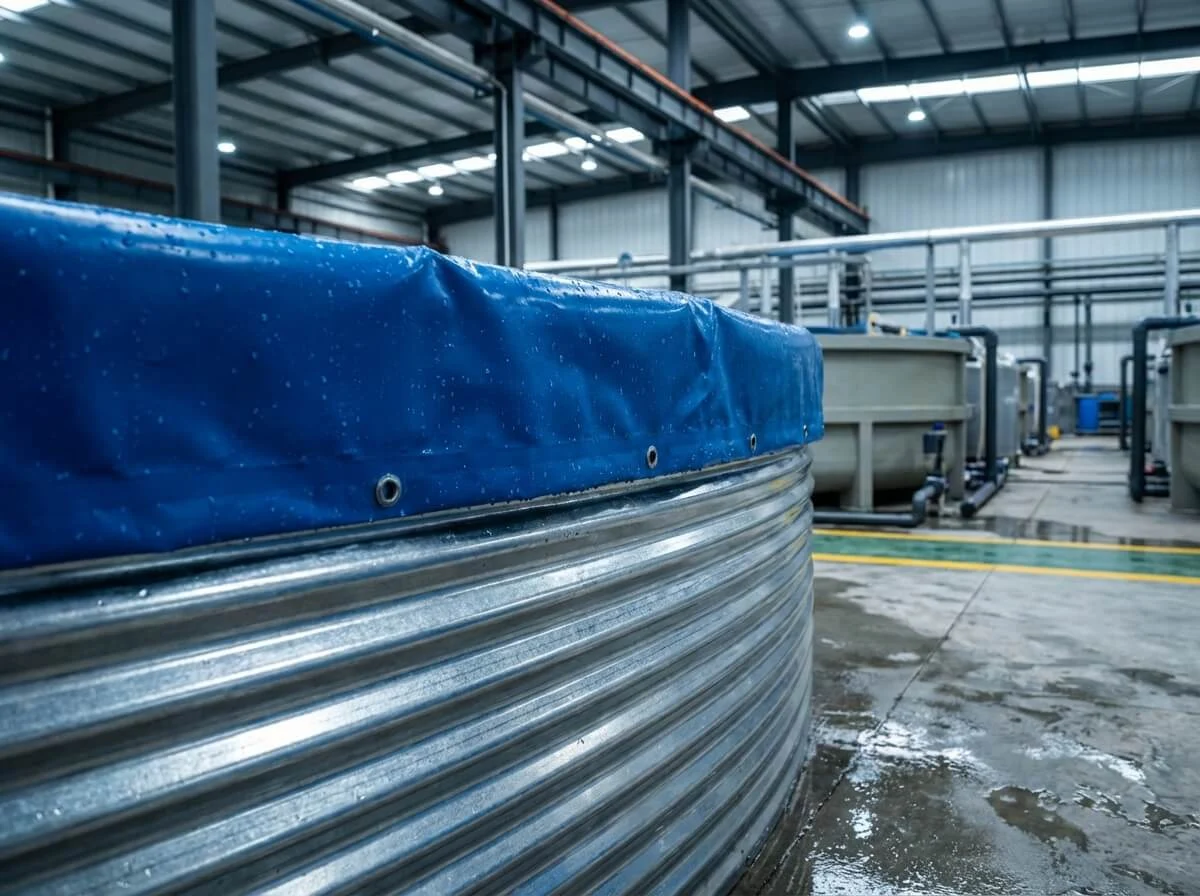
As someone who has been in the liquid packaging industry for years, I’ve seen how technology can solve practical problems. The best rain barrel isn’t just a container; it’s a well-designed system. For me, the key innovation has been the move towards high-quality, collapsible PVC barrels1. They address the core needs of both homeowners and business clients. When you’re looking for the right barrel, it’s about more than just holding water; it’s about convenience, durability, and flexibility. Based on my experience, the most successful products are those that are easy to use and built to last, which is why I always guide people toward models with specific, proven features that ensure they are making a smart, long-term investment.
Why a Collapsible Design Matters
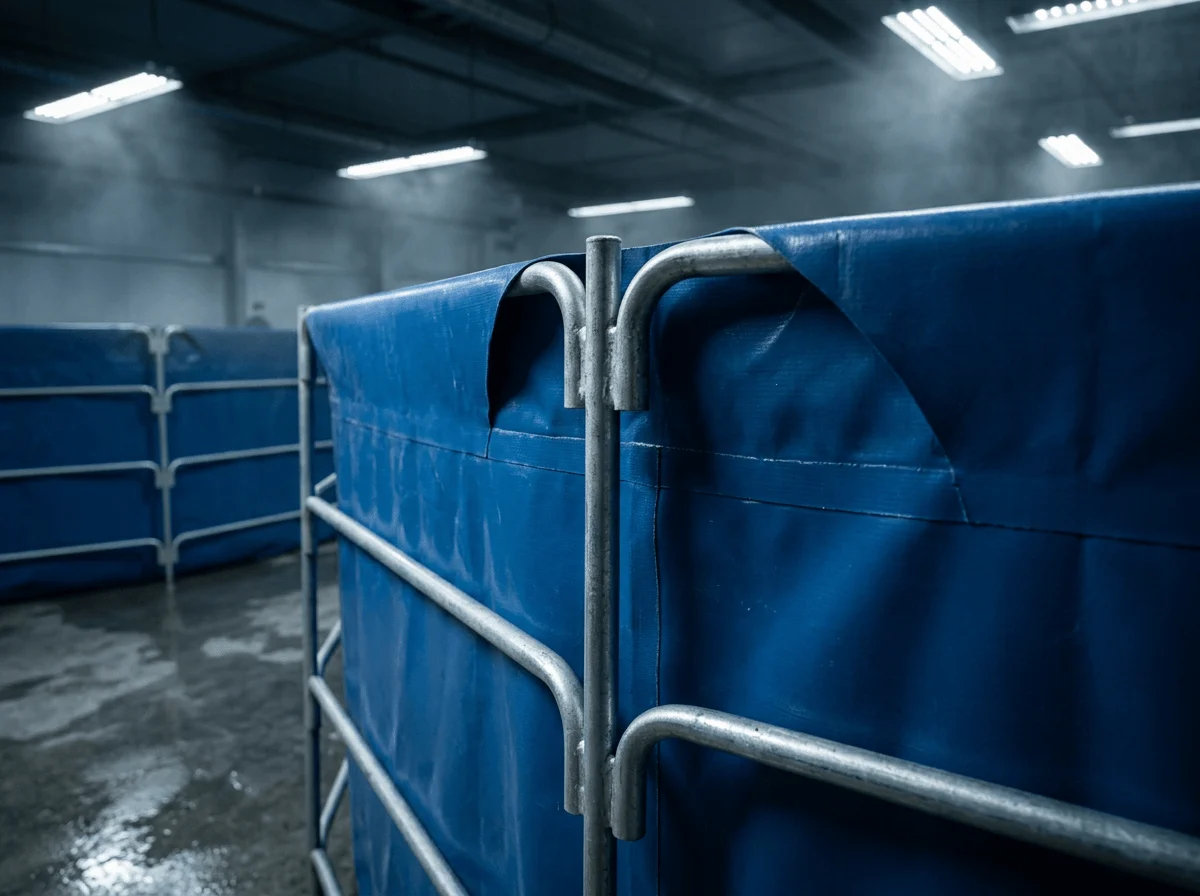
The first thing I always point out is the benefit of a collapsible design2. Traditional rigid barrels are bulky and become a storage problem during dry seasons or winter. I remember a client who lived in a small urban home with a tiny patio. A rigid barrel would have taken up precious space all year round. A collapsible barrel was a game-changer for them. They could set it up during the rainy season and then fold it away, freeing up their patio for the summer. This same principle applies to farmers or landscapers who need to move water storage to different locations. The portability of a collapsible barrel3 is a huge advantage.
Key Features for Durability and Customization
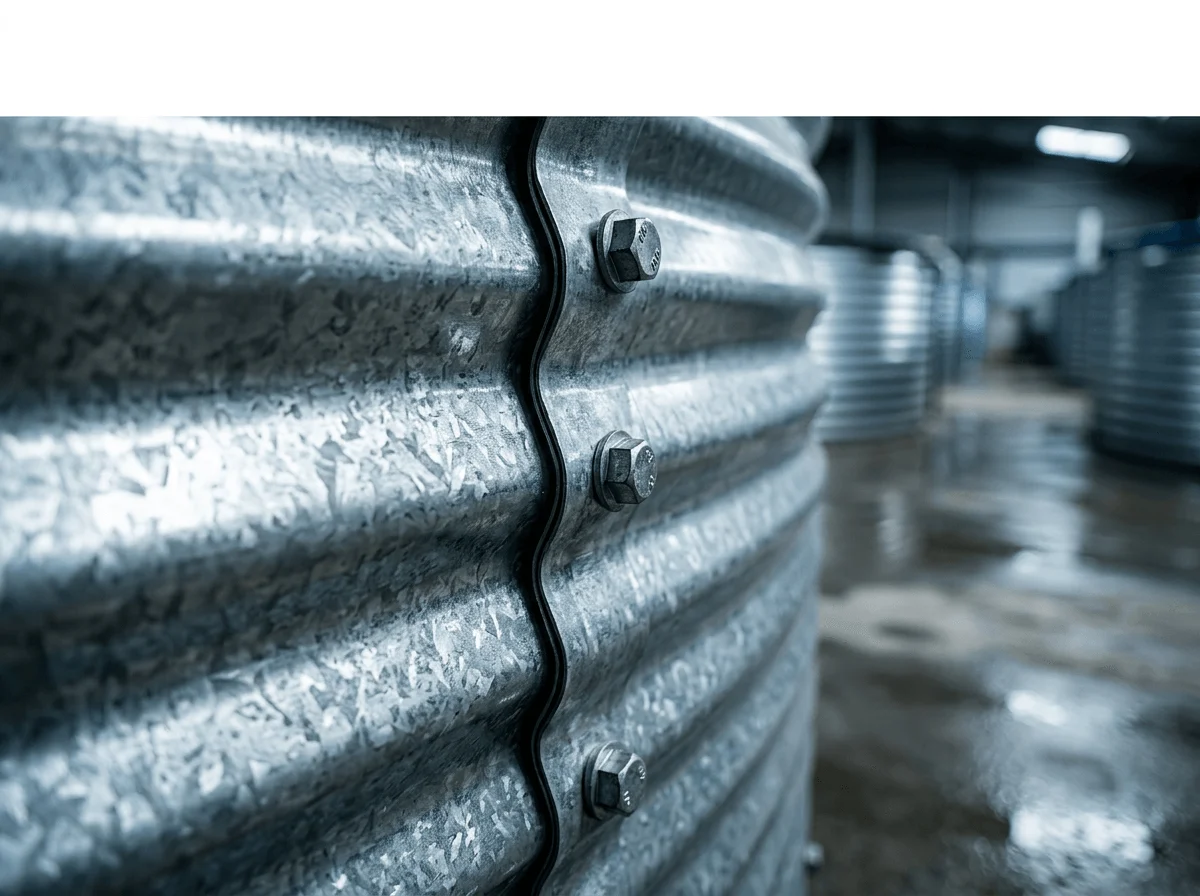
Next, we need to talk about what makes a barrel last. The material is critical. I always recommend barrels made from heavy-duty, UV-resistant PVC. This material can handle harsh sun and cold weather without cracking or degrading. But the real secret to a leak-proof barrel is in the construction. Look for barrels with dual-welded or heat-welded seams. This technique creates a much stronger bond than simple gluing, which is a common failure point in cheaper models. Finally, the ability to customize is a huge plus, especially for B2B clients. Offering different capacities, from 50 to 1000 liters, and even logo printing, allows businesses like landscapers or community gardens to get a product that fits their exact needs.
| Feature | Benefit for Homeowners | Benefit for Businesses |
|---|---|---|
| Collapsible Design | Easy off-season storage, fits small spaces. | Simple to transport to different job sites. |
| UV-Resistant PVC4 | Long-lasting, withstands sun and weather. | Reduces replacement costs, reliable for projects. |
| Dual-Welded Seams5 | Prevents leaks, protects property. | Ensures water security for irrigation or processes. |
| Custom Capacity | Choose the right size for your garden. | Match specific project water volume needs. |
What are the downsides of rain barrels?
Excited about free rainwater but worried about the potential problems? Ignoring the downsides of rain barrels can lead to pests, bad odors, and even damage to your plants.
The main downsides are potential algae growth, water contamination, and attracting mosquitoes. These issues can make the water unsuitable for use and create a nuisance. However, with proper care, such as using a tight-fitting lid and regular cleaning, these problems are easily managed.
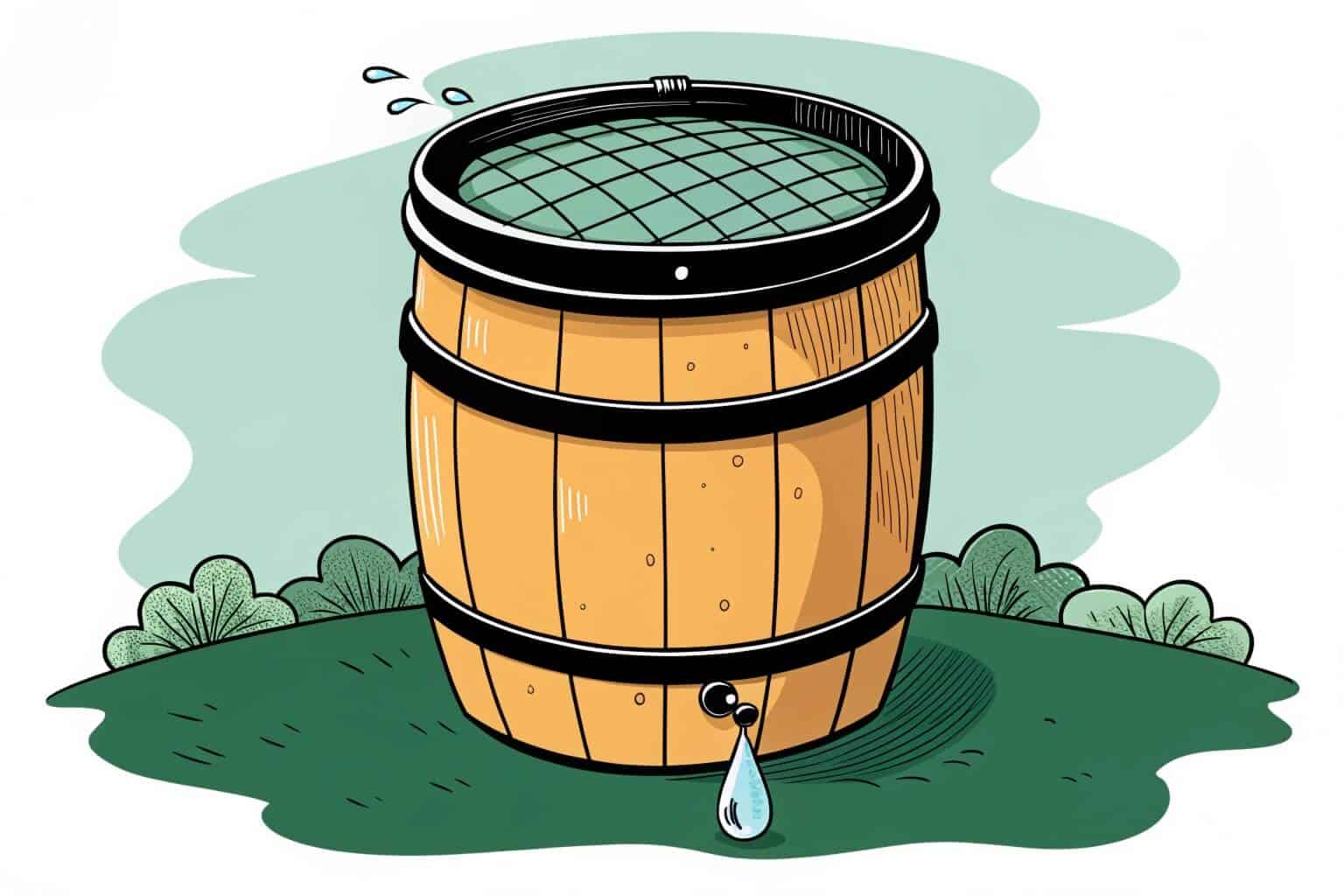
While rain barrels6 are a fantastic tool for sustainability, it’s important to be realistic about their maintenance. I’ve spoken with many customers over the years, and the most common complaints almost always stem from a lack of a few basic preventative measures. A rain barrel is not a "set it and forget it" device. It’s an active system for collecting a natural resource, and that means you have to manage it properly. The good news is that the problems are predictable and the solutions are simple. By understanding the potential issues from the start, you can easily avoid them and ensure your rainwater remains a clean, valuable asset for your garden or home.
Managing Water Quality
The most frequent issue I hear about is poor water quality7. I once had a customer complain about smelly water, and after a quick chat, we found the cause: their barrel didn’t have a screen, and a season’s worth of leaves had fallen in and were rotting. Water from your roof is not pure; it carries leaves, twigs, bird droppings, and other debris. A good mesh filter at the water inlet is the first essential step. The second major issue is algae, which thrives in sunlight. If you use a translucent barrel, you’re creating a perfect greenhouse for algae. This is why I strongly advocate for opaque PVC barrels8, as they block the light and stop algae growth before it starts.
Preventing Pests and Overflow
The other major concern is pests, especially mosquitoes. Mosquitoes need standing water to breed, and an open rain barrel is an open invitation. A secure, tight-fitting lid is your first line of defense. But just as important is a fine mesh screen over any opening, including the inlet and the overflow spout. I’ve seen barrels where the owner thought the lid was enough, but the overflow spout was a wide-open pipe—a perfect entry point for mosquitoes. Lastly, you have to manage overflow. During a heavy downpour, your barrel will fill up. An overflow hose is necessary to direct that excess water safely away from your home’s foundation to prevent water damage.
| Problem | Simple Solution | Why It Works |
|---|---|---|
| Algae Growth | Use an opaque barrel and keep it covered. | Blocks the sunlight algae needs to grow. |
| Debris Contamination | Install a mesh filter at the water inlet. | Catches leaves and other debris before they enter. |
| Mosquitoes | Cover all openings with a fine mesh screen. | Physically blocks mosquitoes9 from laying eggs. |
| Overflow | Connect an overflow hose10 directed away from the foundation. | Prevents water damage to your home’s foundation. |
How long can water be stored in plastic barrels?
Have a rain barrel but unsure how long the water stays good? Using old, stagnant water could harm your plants or create unpleasant smells around your yard.
You can safely store rainwater in a sealed, opaque plastic barrel for several weeks, or even a few months. The key is to keep it cool, dark, and free from organic matter. For longer storage, proper filtration and occasional treatment might be necessary.
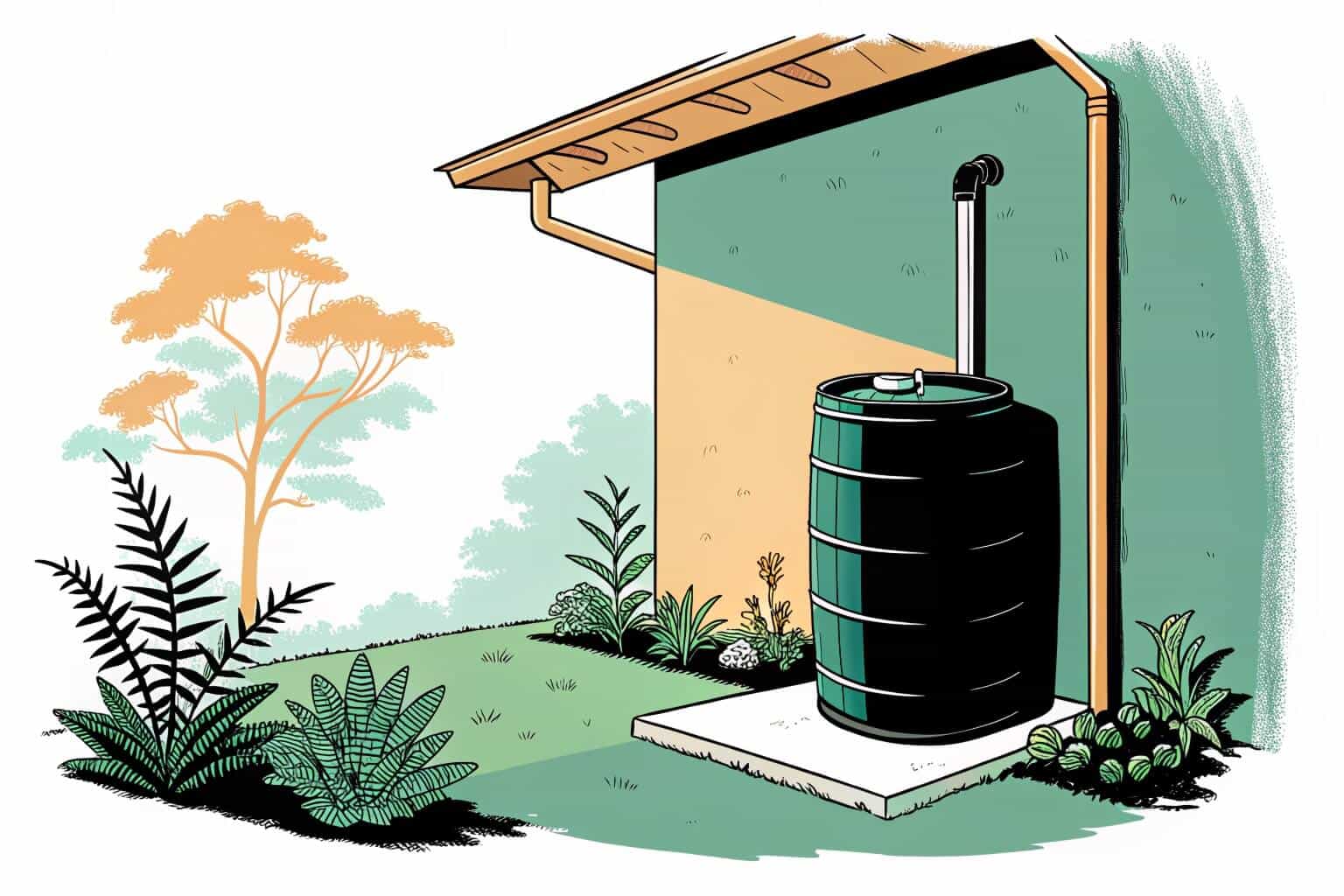
The question of storage time is something I get asked a lot, particularly by people who live in areas with inconsistent rainfall. They want to save water from a big storm to use during a dry spell weeks later. The answer really depends on the quality of your storage setup. Think of rainwater11 like any other natural resource: its freshness depends on the conditions it’s kept in. If you leave it exposed to sunlight and contaminants, it will go bad quickly. But if you protect it, you can extend its life significantly. In my experience, the goal isn’t to store water indefinitely, but to maintain its quality for as long as you need it.
Factors That Affect Storage Time
Three things will degrade your stored rainwater: sunlight, heat, and contaminants. Sunlight is the biggest enemy because it fuels the growth of algae and other microorganisms. This is why an opaque barrel12 is non-negotiable for storage beyond a few days. Heat is the second factor; warmer water is a more active environment for bacteria. Placing your barrel in a shaded spot on the north side of your house can make a big difference. Finally, contaminants from your roof will decompose and foul the water. To really improve storage time, you can install a "first-flush diverter13," a simple device that diverts the first few gallons of runoff, which is usually the dirtiest, away from your barrel.
Best Practices for Longer Storage
If you want to store water for several weeks or more, you need to be diligent. First, always start with a clean barrel14 at the beginning of the season. Make sure your filtration system is in good shape and that the lid is completely sealed to keep out pests and prevent evaporation. For most gardening purposes, using the water within a few weeks is ideal, following a "first in, first out" principle. From my experience in the industry, clients who use their water regularly for their gardens rarely have storage issues. If you are storing water for emergency use, you might consider a non-toxic water treatment15, but for plants, it’s best to keep it natural.
Are mosquitoes a problem with rain barrels?
Love the idea of a rain barrel but terrified of creating a mosquito factory? An open or poorly sealed barrel can quickly become a breeding ground for these annoying pests.
Mosquitoes can be a problem, but only if the rain barrel provides access to standing water. A properly designed barrel with a tight-fitting lid and fine mesh screens over the inlet and overflow will completely prevent mosquitoes from laying eggs in the water.
The fear of mosquitoes is probably the number one reason people hesitate to get a rain barrel. I’ve had many conversations where this is the main concern. The truth is, a rain barrel can become a mosquito problem16, but it absolutely doesn’t have to be. It all comes down to design and proper sealing. A mosquito just needs a tiny bit of stagnant water to lay hundreds of eggs. I’ve seen barrels where the owner thought a loose lid was enough, but mosquitoes found their way in through a small gap. A modern, well-designed rain barrel is engineered specifically to prevent this. It’s not an afterthought; it’s a core part of the design.
How Mosquitoes Turn Barrels into Nests
To defeat the enemy, you have to understand it. The mosquito life cycle17 requires stagnant water. An adult female mosquito finds a quiet pool of water and lays her eggs on the surface. In just a few days, those eggs hatch into larvae, which live in the water before emerging as adult mosquitoes. Any rain barrel that is open to the air is a perfect nursery. Even a small, uncovered hole for an overflow spout is like a wide-open door. The key is to create a physical barrier18 that blocks them from ever reaching the water’s surface. It’s a simple concept, but it must be executed perfectly.
The Ultimate Mosquito-Proof Design
So, what does a mosquito-proof barrel look like? It has three key components. First is a tight-fitting, secure lid. This is the main barrier. Second, and this is the most critical part, is a fine mesh screen covering every single opening. This includes the large inlet where water from the downspout enters and any overflow spouts. The mesh must be fine enough to block tiny insects while still allowing water to flow freely. Third, a good spigot near the bottom allows you to easily access the water and drain the barrel completely for cleaning. This prevents any small, stagnant pools from forming at the bottom. With these features, you can enjoy all the benefits of rainwater without worrying about pests.
| Component | Mosquito Prevention Role | Additional Benefit |
|---|---|---|
| Tight-Fitting Lid19 | Blocks adult mosquitoes from entering. | Keeps debris and sunlight out. |
| Fine Mesh Screen20 | Prevents mosquitoes from laying eggs in water. | Filters out leaves and other large debris. |
| Overflow Spout | Directs excess water away. | Must be screened to prevent entry. |
| Bottom Spigot | Allows easy access to water. | Helps drain the barrel, preventing stagnation. |
Conclusion
In short, choosing a high-quality, well-designed plastic rain barrel and maintaining it properly makes rainwater harvesting a simple, effective, and pest-free way to manage your water resources sustainably.
- Explore this link to understand how collapsible PVC barrels can enhance your rainwater collection system with convenience and durability. ↩
- Explore how collapsible designs can optimize space and enhance portability for various users. ↩
- Learn about the benefits of portable water storage solutions for urban and rural settings. ↩
- Explore this link to understand how UV-Resistant PVC enhances durability and longevity in outdoor applications. ↩
- Learn about the advantages of dual-welded seams for leak prevention and overall product reliability. ↩
- Explore the benefits of rain barrels to enhance your sustainability efforts and learn how they can positively impact your garden. ↩
- Understanding the impacts of poor water quality can help you take necessary precautions and improve your water systems. ↩
- Exploring the benefits of opaque PVC barrels can enhance your knowledge on preventing algae growth and ensuring cleaner water. ↩
- Explore this link to discover comprehensive strategies for mosquito prevention in rain barrels, ensuring a pest-free environment. ↩
- Learn about the importance of overflow hoses in protecting your home’s foundation from water damage during heavy rains. ↩
- Exploring effective rainwater storage methods can help you maximize your water resources during dry spells. ↩
- Exploring the importance of opaque barrels can help you prevent algae growth and maintain clean water. ↩
- Understanding how a first-flush diverter functions can significantly enhance your rainwater harvesting efficiency. ↩
- Understanding the significance of a clean barrel can help ensure safe and effective water storage. ↩
- Exploring non-toxic water treatment options can enhance your emergency preparedness and ensure safe water. ↩
- Learn effective strategies to eliminate mosquito breeding in rain barrels, ensuring a safe and efficient water collection system. ↩
- Understanding the mosquito life cycle is crucial for effective pest control strategies and preventing infestations. ↩
- Exploring how physical barriers work can help you implement effective measures to stop mosquito breeding in your area. ↩
- Learn why a tight-fitting lid is essential for preventing mosquito entry and maintaining clean rainwater. ↩
- Discover how a fine mesh screen effectively blocks mosquitoes while allowing water flow, ensuring your rainwater remains pest-free. ↩