Tired of high water bills and worried about a parched garden during dry spells? Rainwater harvesting is a simple, eco-friendly solution that puts you in control. It allows you to collect and store free, renewable rainwater for your garden, home, and other outdoor needs, reducing your reliance on municipal water.
The cheapest method of rainwater harvesting is using a basic container, like a repurposed barrel or a simple DIY system. These options are perfect for beginners with a limited budget, helping you start saving water and money almost immediately with minimal upfront investment.
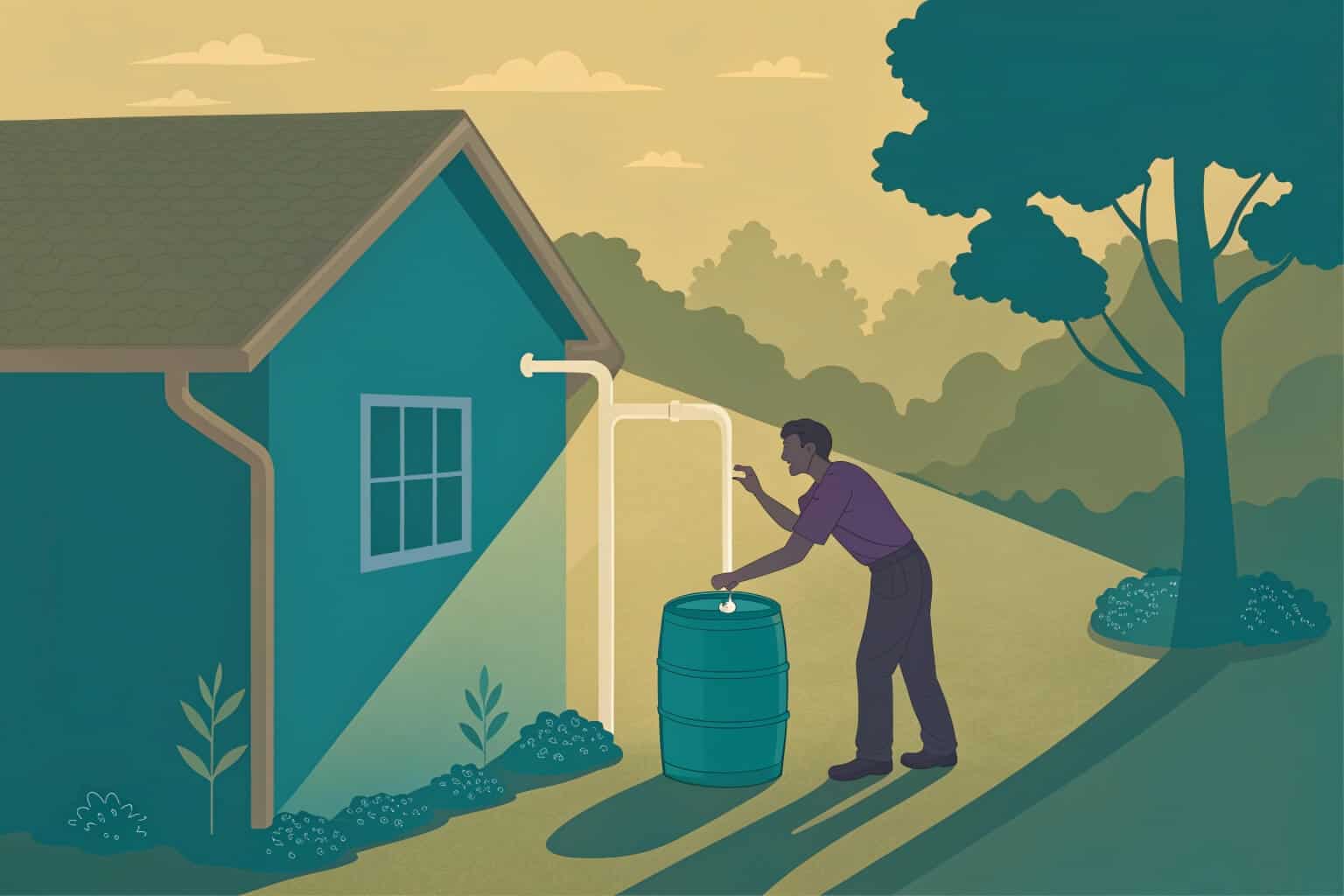
As an observer in the rainwater harvesting industry, I’ve seen explosive growth in this field, and for good reason. Global water shortages and the effects of climate change are making people realize the incredible value of rainwater. It’s a free, high-quality, renewable resource that we can all use. I’ve noticed that cheap methods, like using basic containers or DIY systems, are very popular with beginners. They offer a great way to get started without spending a lot of money and to see the benefits firsthand.
How to collect rainwater cheaply?
Worried that setting up a rainwater harvesting system will be expensive or complicated? Many people think it requires a big investment and a lot of effort. But you can start collecting rainwater without spending a lot of money, and it’s easier than you think.
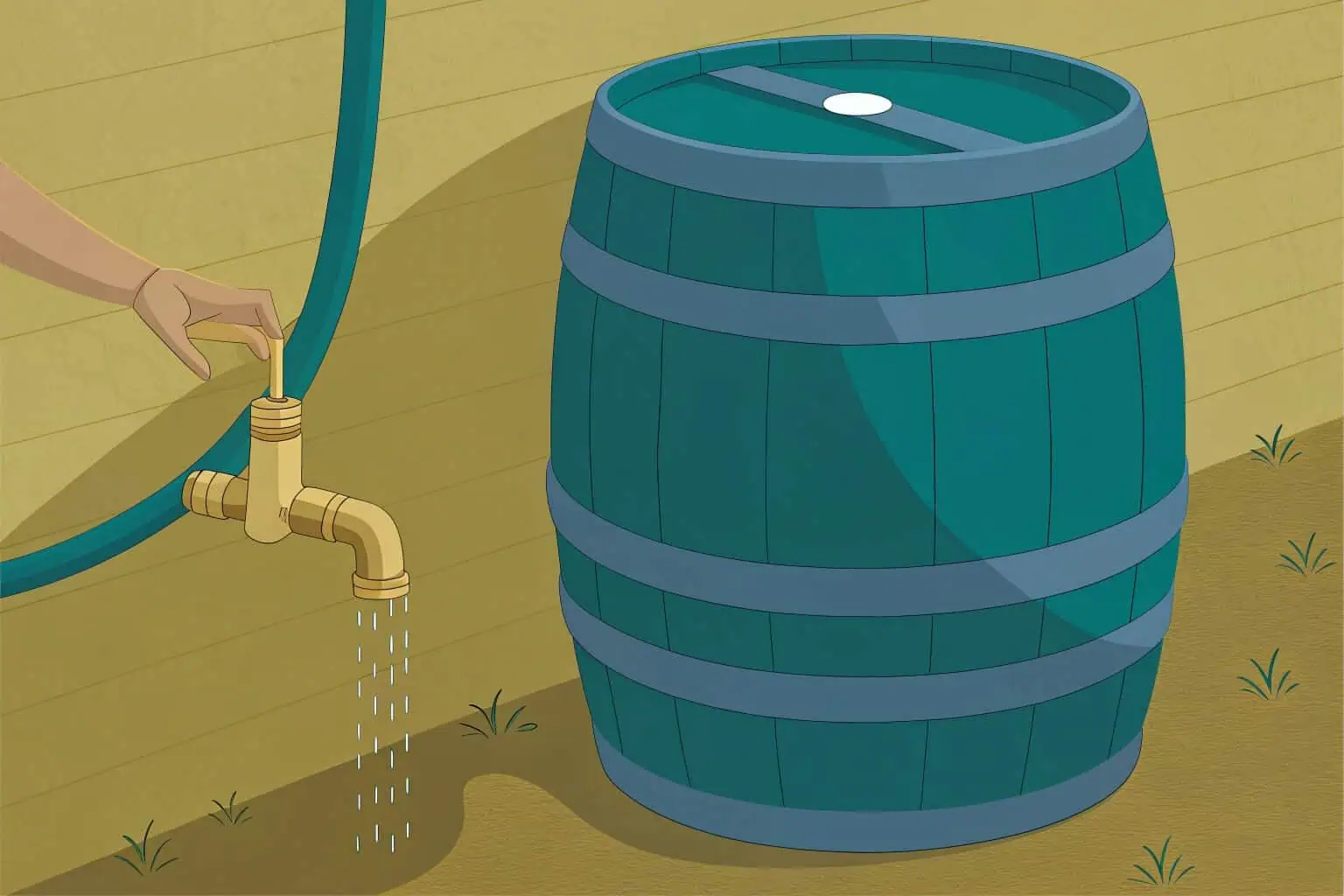
To collect rainwater cheaply, you can use simple containers like buckets or trash cans placed under a downspout. You can also build a DIY rain barrel system using a food-grade barrel and a few basic plumbing parts. These methods are affordable, easy to set up, and highly effective for small-scale needs.
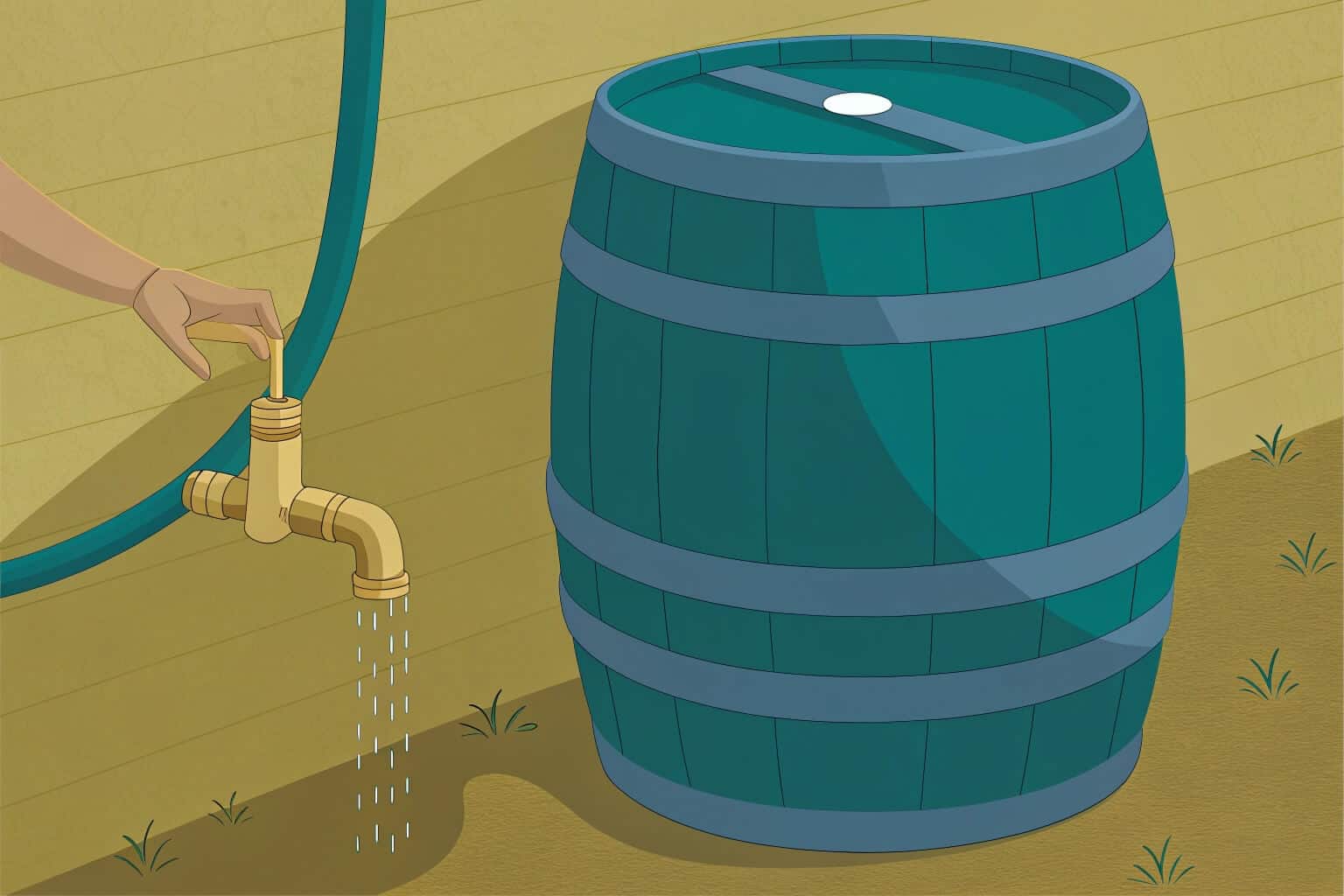
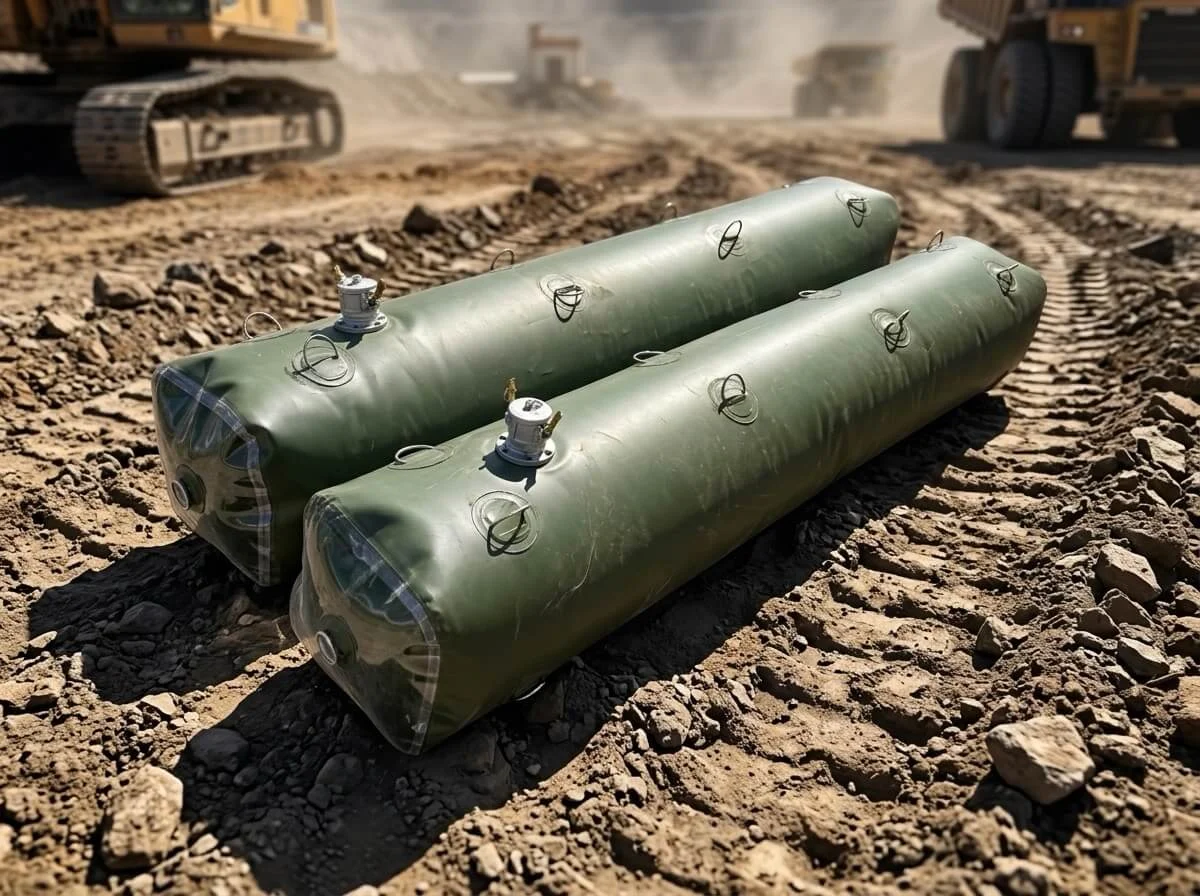
I believe that starting with a simple, low-cost system is the best way to get into rainwater harvesting. It allows you to learn the basics and see the benefits without a big financial commitment. As you get more experienced, you can always upgrade to a more advanced system. For those ready for a step up from basic DIY, companies like Bancy offer a range of collapsible rainwater barrels1. These are both affordable and durable, made from high-quality PVC material that withstands harsh weather. This makes them a great long-term option for both home and commercial use, and they can even be customized.
Getting Started with a DIY System
Building your own rainwater harvesting system2 is a rewarding project. It’s a great way to save money and customize the system to your specific needs. Here’s a simple guide to get you started:
| Step | Action | Materials Needed |
|---|---|---|
| 1 | Choose a Container | Food-grade barrel3, large trash can, or other suitable container |
| 2 | Create an Inlet | Cut a hole in the top of the container for the downspout |
| 3 | Install a Spigot | Drill a hole near the bottom of the container and install a spigot for easy water access |
| 4 | Add an Overflow | Drill a hole near the top of the container and attach a hose to direct excess water away from your foundation |
Finding Affordable Containers
You don’t have to buy a new, expensive rain barrel. There are many places to find affordable containers for your rainwater harvesting system4. Check with local food and beverage companies. They often have used food-grade barrels5 that they are willing to sell for a low price or even give away for free. You can also check online marketplaces or local classifieds for used barrels. Just make sure that the barrel you choose is clean and has not been used to store any harmful chemicals.
What is the best method of rainwater harvesting?
Are you wondering which rainwater harvesting method is the most effective for your situation? With so many options available, from simple barrels to complex systems, it can be hard to choose the best one for your needs. You want a system that is not only efficient and reliable but also easy to maintain in the long run.
The best method of rainwater harvesting is one that integrates advanced technologies like multi-stage filtration and durable, dual-weld containers. This ensures you can efficiently capture, store, and use the maximum amount of rainwater while maintaining high water quality and system longevity.
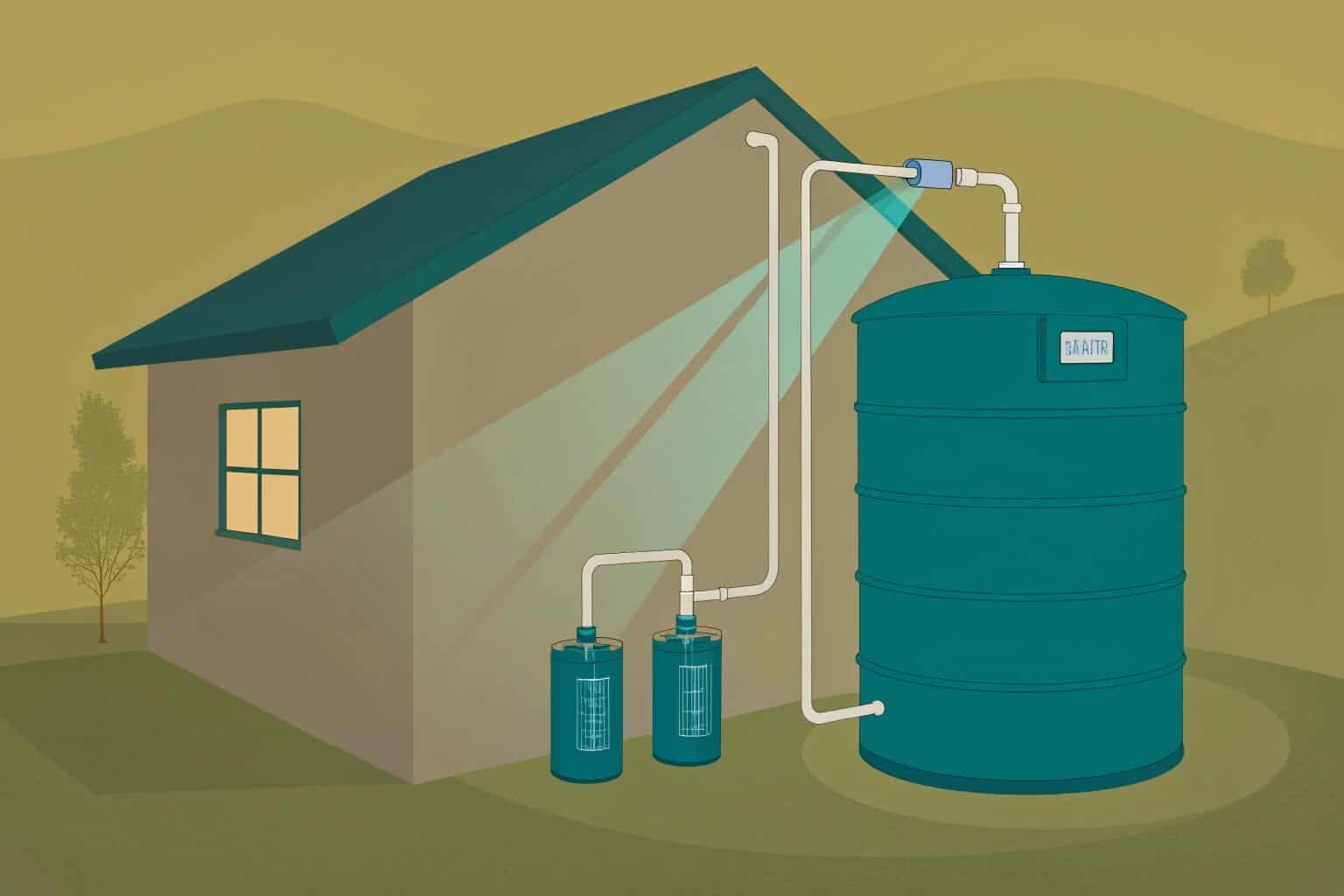
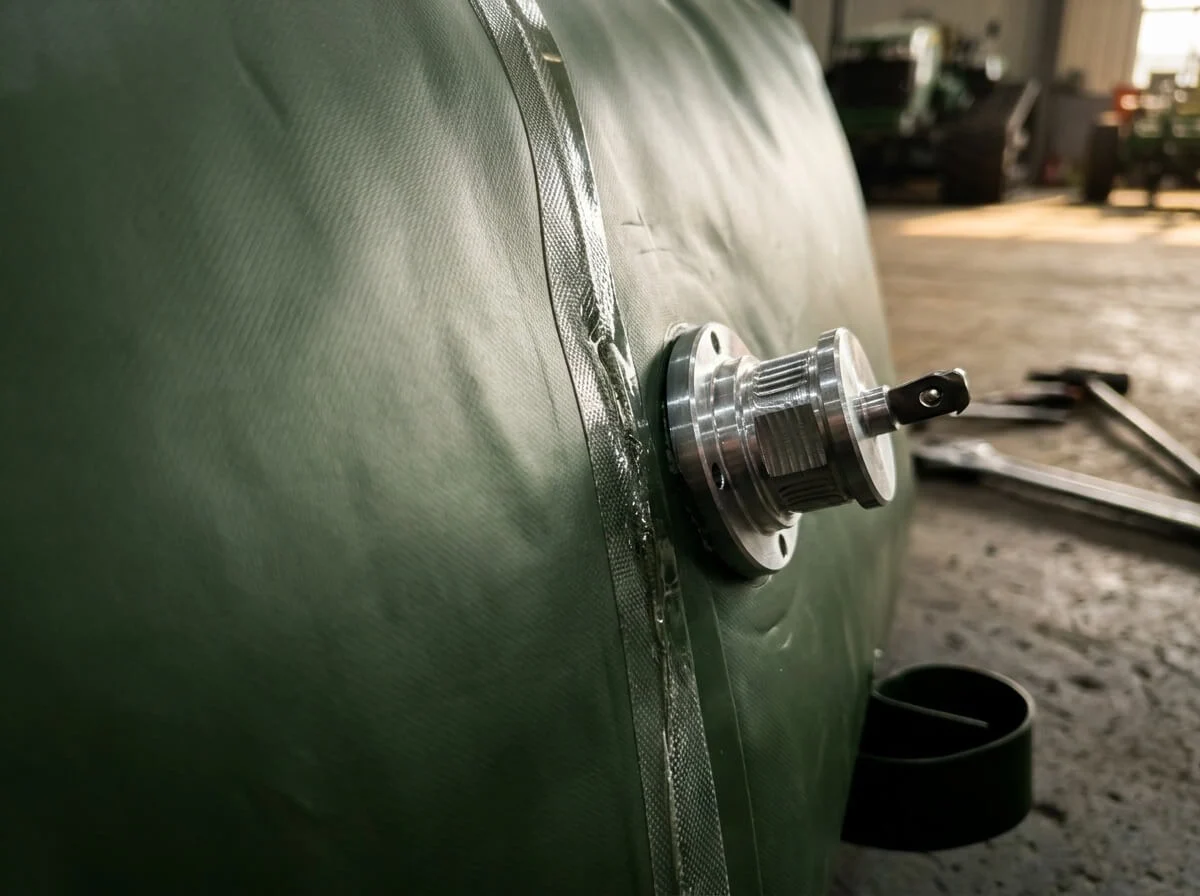
From my experience, the "best" method really depends on your goals and scale. If you just want to water a few plants, a simple barrel might be enough. But if you want to maximize your water collection for a larger garden, or even for non-potable household uses, you’ll need a more advanced system. I’ve seen the industry move towards smart, sustainable systems6 that use technology to improve efficiency and durability. For example, Bancy, a leader in liquid packaging, uses innovative techniques like dual-layer welding to create stronger, more reliable collapsible containers. This advanced manufacturing process ensures a leak-proof design, which is a significant advantage over many basic models.
Key Components of an Effective System
An effective rainwater harvesting system has several key components that work together to ensure you get the most out of every rainfall. Here are the most important ones:
| Component | Function | Importance |
|---|---|---|
| Catchment Area7 | The surface used to collect rainwater, usually a roof | A larger, cleaner surface will collect more water |
| Conveyance System | Gutters and downspouts that channel water to the storage tank | Proper installation and maintenance are crucial to prevent leaks and blockages |
| Filtration8 | Removes debris and contaminants from the water | Essential for maintaining water quality and preventing clogs |
| Storage Tank | A container for storing the collected rainwater | The size and material of the tank will depend on your needs and budget |
Choosing the Right System for You
When choosing a rainwater harvesting system9, it’s important to consider your specific needs and long-term goals. Think about how much rainwater you want to collect, what you will use it for, and how much you are willing to spend. If you have a small garden, a simple barrel system might be all you need. But if you have a larger property or want to use the water for more than just irrigation, you might want to consider a more advanced system with a larger storage tank and a more sophisticated filtration system10. Investing in a quality, durable product from a reputable brand like Bancy can also save you money in the long run by avoiding leaks and frequent replacements.
What states legally allow you to collect rainwater?
Thinking about collecting rainwater but not sure if it’s legal in your area? The laws and regulations regarding rainwater harvesting can be confusing and intimidating. They vary significantly from state to state, and even from city to city, which can make it hard to know where you stand.
Many states, such as Ohio and Texas, not only allow but also encourage rainwater harvesting through subsidies and other incentives. However, some states, like Utah, have stricter regulations to protect existing water rights. It is crucial to check your local laws before starting any project.
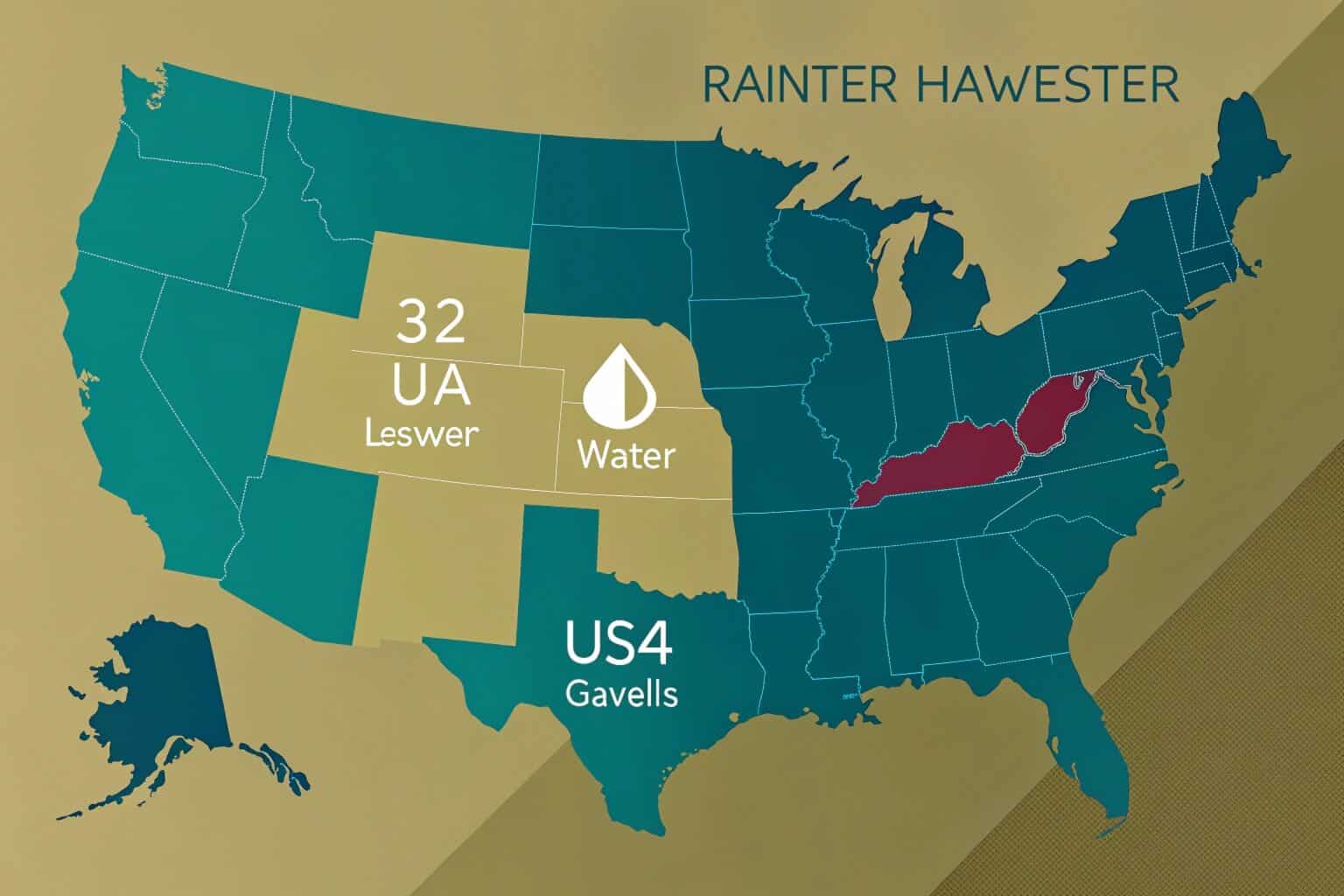
I’ve noticed that the legal landscape for rainwater harvesting11 is constantly changing, mostly for the better. As water becomes more scarce, more and more states are starting to see the benefits of rainwater collection. They are realizing that it can help reduce demand on municipal water supplies and prevent stormwater runoff, which is a major cause of pollution in our rivers and lakes. However, there are still some states where the laws are outdated and do not reflect the current reality of water scarcity. That’s why it’s so important to do your research and make sure you are in compliance with all local regulations. I believe that as awareness grows, we will see more states adopt policies that encourage and support rainwater harvesting.
Understanding Water Rights
Water rights are a complex legal issue that can have a big impact on your ability to collect rainwater, especially in the western United States. In some states, the law says that all water, including rainwater, belongs to the state. This legal principle, known as "prior appropriation12," is designed to ensure that there is enough water for everyone, including downstream users who have established water rights13. In these states, you may need a permit to collect rainwater. In other states, the law is more relaxed, and you are free to collect as much rainwater as you want for domestic use. It’s important to understand the water rights laws in your state before you invest in a system.
States with Favorable Laws
Many states have passed laws that are favorable to rainwater harvesting14, making it easier and more affordable for homeowners and businesses to collect rainwater. These states recognize the benefits of rainwater collection and have taken steps to encourage it. Some of these states include:
| State | Regulation Summary |
|---|---|
| Ohio | Rainwater harvesting is legal and encouraged15 for all residents. |
| Texas | Rainwater harvesting is legal and equipment is exempt from sales tax. |
| California | Rainwater harvesting is legal and encouraged, with some local restrictions and rebates available. |
| Washington | Rainwater harvesting is legal, but a permit may be required for large systems or if used for potable water. |
This is not an exhaustive list, and the laws are subject to change. Always check with your local authorities or a knowledgeable supplier for the most up-to-date information before you begin.
Why can’t farmers collect rainwater?
It seems counterintuitive, right? Farmers, who rely on water for their livelihoods and are often at the forefront of conservation efforts, are sometimes restricted from collecting rainwater. This can be a frustrating and confusing issue for those in the agricultural community who are looking for sustainable water solutions.
Farmers may be prohibited from collecting rainwater due to strict state laws that regulate water rights, particularly in arid regions. In some areas, collecting rainwater is believed to interfere with the water supply for downstream users, including other farms and municipalities, leading to legal restrictions.
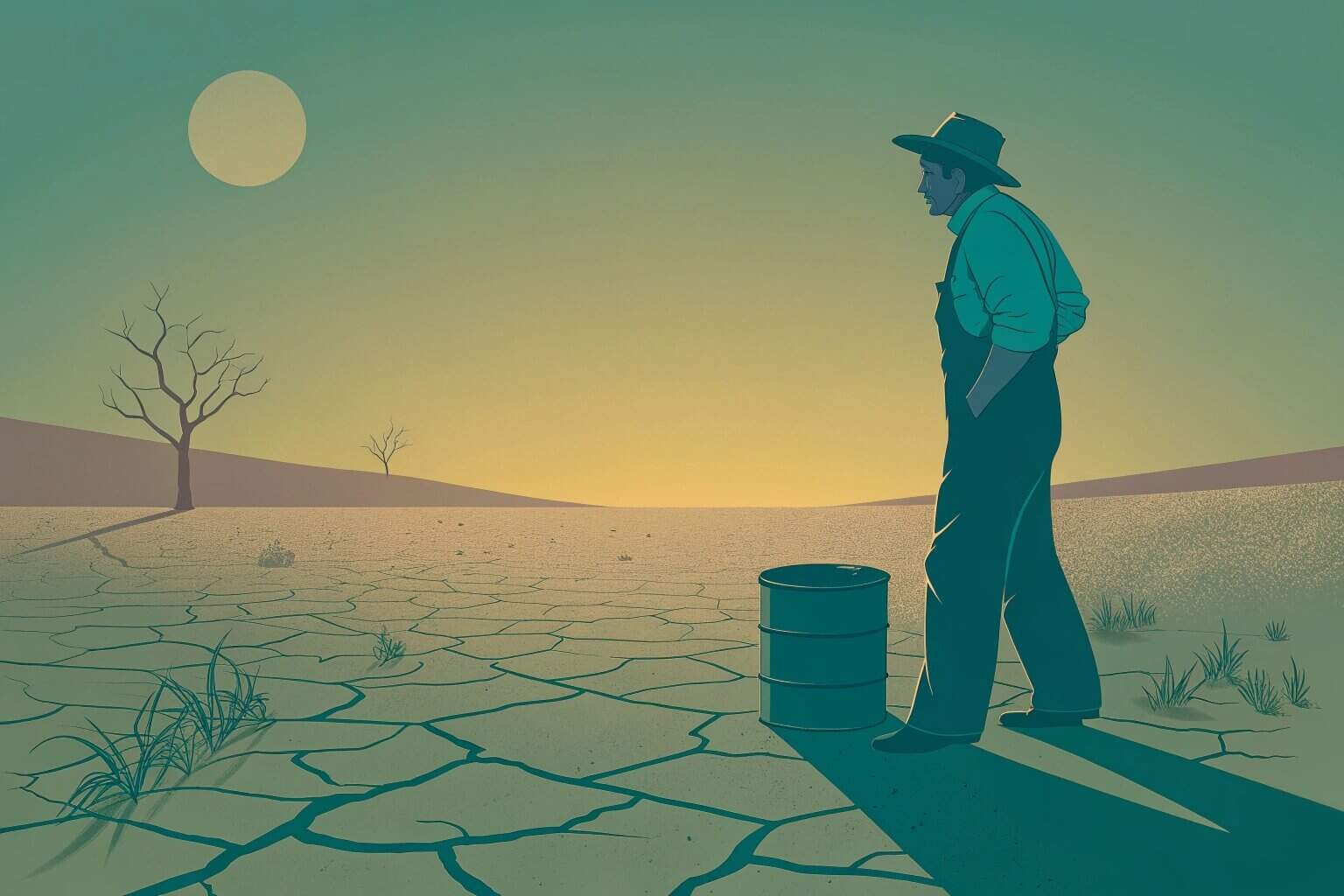
I have seen firsthand how these regulations can impact farmers and their operations. In some states, the laws are so strict that farmers are not allowed to collect any significant amount of rainwater at all. This is because the state claims ownership of all water, and they want to ensure that there is enough for everyone with established rights. While I understand the need to protect water rights16, I also believe that these laws can be a major obstacle for farmers who are trying to be more sustainable and reduce their reliance on increasingly scarce and expensive municipal water. I am optimistic that as water scarcity becomes a more pressing issue, we will see more states adopt policies that are more favorable to rainwater harvesting for agricultural use.
The Doctrine of Prior Appropriation
In many western states, water rights are governed by the doctrine of prior appropriation17. This legal framework means that the first person to use a quantity of water for a beneficial use has the right to continue to use that quantity of water for that purpose. This "first in time, first in right18" system can make it difficult for new users, including farmers who want to collect rainwater, to get access to water. If all the water in a river basin is already appropriated, there may be no water left for new users, even if it falls on their own land.
The Impact on Agriculture
The inability to collect rainwater can have a significant impact on farmers, especially small-scale and family-owned farms19. It can lead to increased costs, as they have to purchase water from a municipal supplier or other sources, which can be very expensive. It can also make it more difficult to grow crops, especially in areas with limited or unpredictable rainfall. This can have a ripple effect on the entire food supply chain, leading to higher food prices for consumers. I believe that it is important for states to find a balance between protecting water rights and allowing farmers to collect rainwater20 for their own use, which can enhance their resilience to drought.
Conclusion
Rainwater harvesting is a simple and effective way to save money, conserve a precious resource, and take control of your water supply. From cheap DIY systems to advanced setups, there is a solution for everyone, though it’s important to be aware that laws vary by state.
- Discover the best collapsible rainwater barrels to find a durable and affordable option for your rainwater collection needs. ↩
- Explore the benefits of rainwater harvesting systems to understand how they can save you money and promote sustainability. ↩
- Learn why using a food-grade barrel is crucial for safe and effective rainwater collection. ↩
- Explore this link to learn about rainwater harvesting systems, their benefits, and how to set one up effectively. ↩
- This resource will guide you on sourcing safe and affordable used food-grade barrels for your rainwater collection needs. ↩
- Explore this link to learn how smart systems can enhance your water collection efficiency and sustainability. ↩
- Understanding the role of the catchment area can help optimize your rainwater collection system. ↩
- Exploring filtration methods will ensure you maintain high water quality in your harvesting system. ↩
- Explore this link to discover top-rated rainwater harvesting systems that suit various needs and budgets. ↩
- Learn about the importance of filtration systems in rainwater harvesting to ensure clean and safe water for your use. ↩
- Explore this link to understand the evolving legal landscape of rainwater harvesting and ensure compliance with local regulations. ↩
- Exploring prior appropriation helps clarify how water is allocated, which is vital for managing water resources effectively. ↩
- Understanding water rights is crucial for anyone interested in rainwater collection, ensuring compliance with local laws. ↩
- Explore the benefits of rainwater harvesting to understand its environmental and economic advantages. ↩
- Find out which states support rainwater harvesting to see if your area is favorable for this practice. ↩
- Understanding water rights is crucial for farmers; this resource will clarify their implications on agricultural practices. ↩
- Understanding prior appropriation is crucial for grasping water rights issues, especially in the West. ↩
- This principle is fundamental to water rights law and impacts access for new users significantly. ↩
- This link will provide insights into the unique struggles of small farms, helping to understand their importance in the food supply chain. ↩
- Exploring this resource will reveal how rainwater collection can reduce costs and improve sustainability for farmers. ↩